Artwork
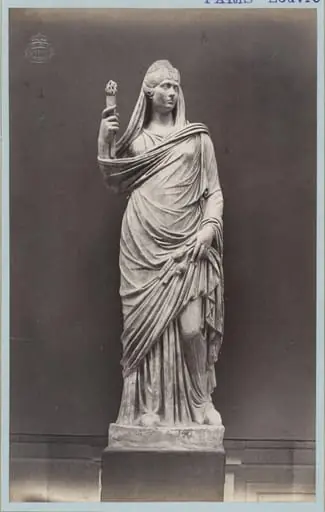
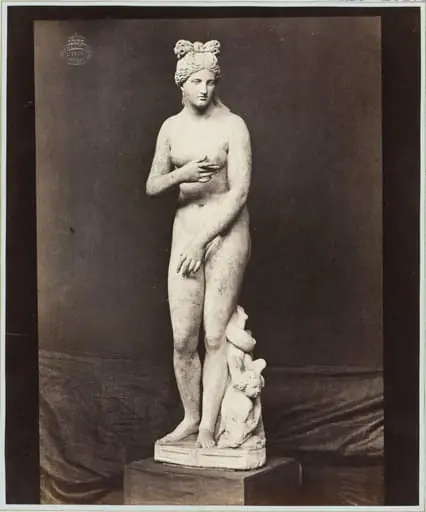
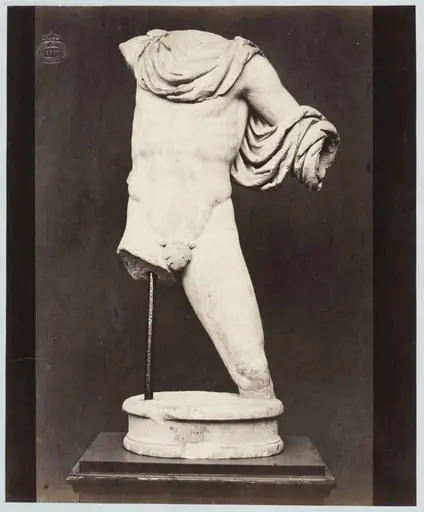
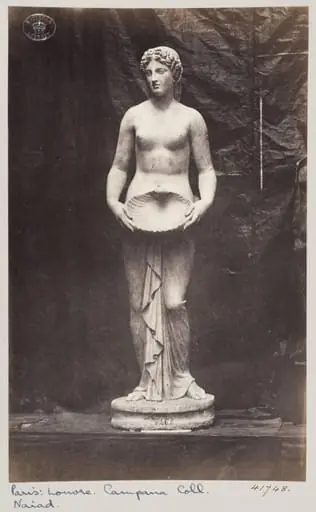
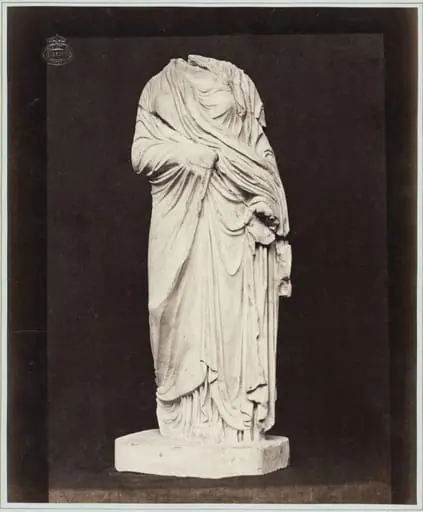
Unidentified marble statue
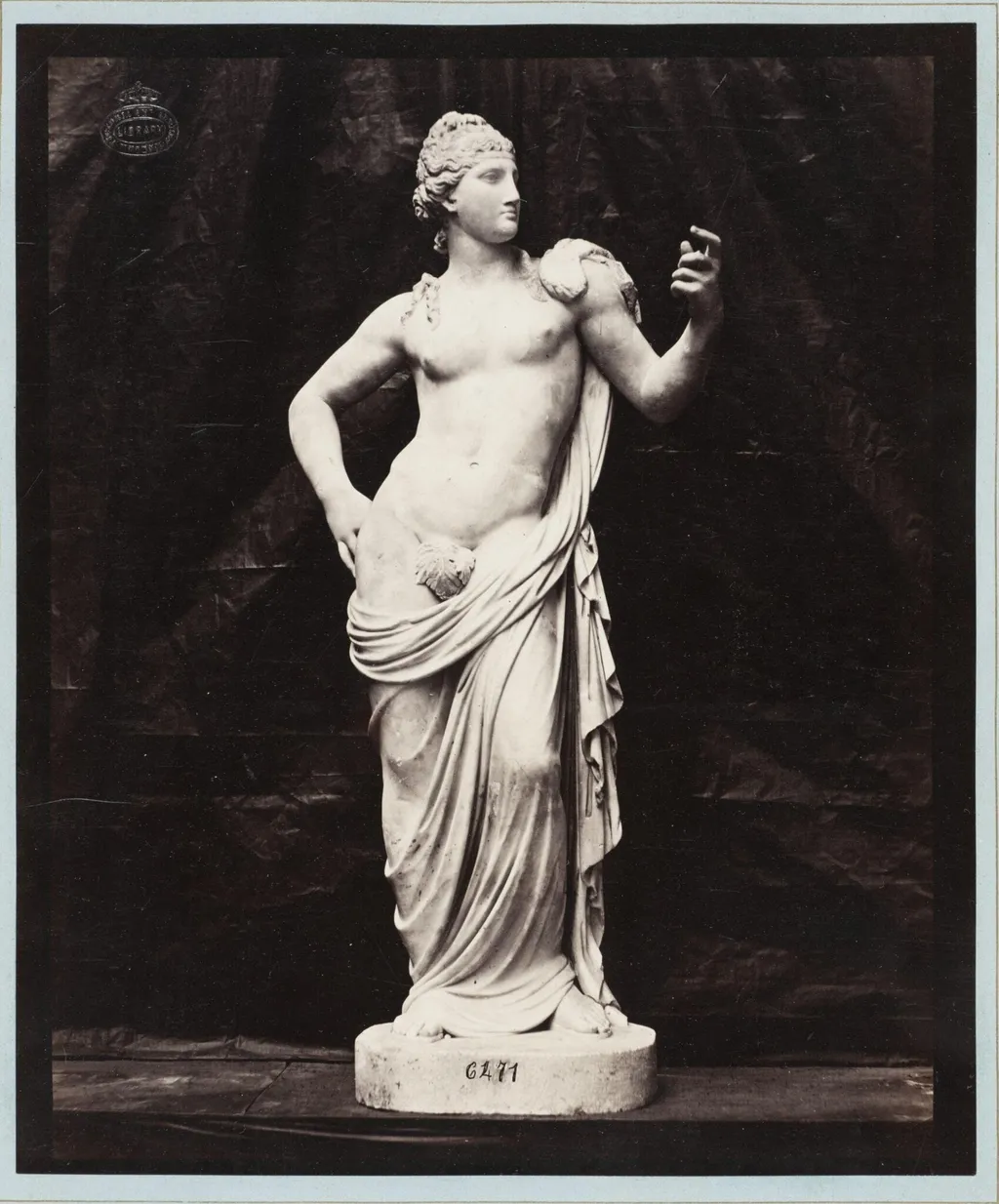
Unidentified marble statue is a photographic photography by the Impressionist artist Louise Laffon. It dates from 1864 and is held in the collection of the Victoria and Albert Museum.
About this work
The museum grabbed it early—way back in the 1850s—so artists and students could study it side-by-side with the real sculpture.
This photograph shows a marble statue shot by Louise Laffon in 1863–64. The image sits between Impressionism and Realism in her oeuvre. It captures the Greek goddess Aphrodite in quiet stone.
Laffon’s picture belongs to the first batch of photos ever collected by the Victoria and Albert. The museum grabbed it early—way back in the 1850s—so artists and students could study it side-by-side with the real sculpture.
Check out Laffon, Louise next.
Overview
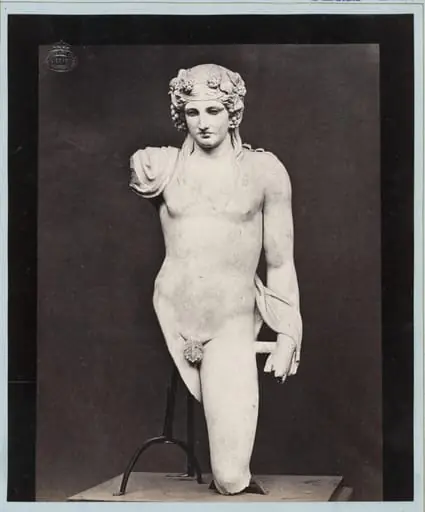
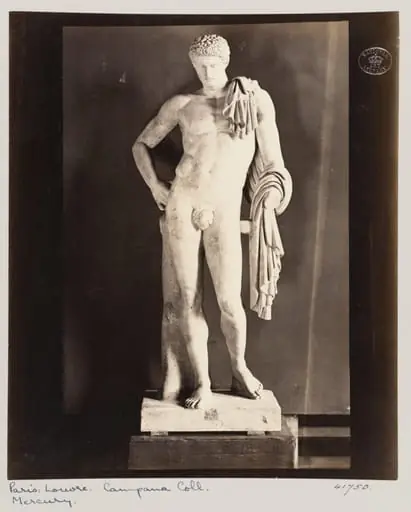
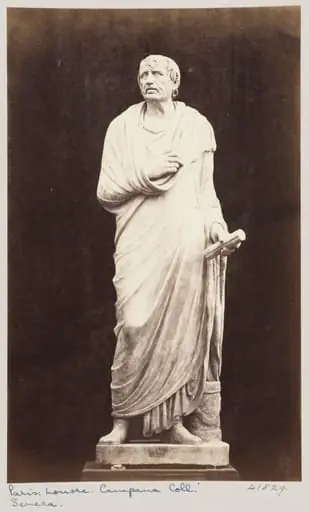
This photograph, taken by Louise Laffon between 1863 and 1864, is among the earliest images acquired by the Victoria and Albert Museum. It documents a marble statue of Aphrodite from the Campana Collection, part of a larger series purchased by the museum in 1864. The image was intended as an educational tool, enabling artists and students to study classical sculpture without direct access to the original. Laffon’s work contributed to the museum’s pioneering effort to integrate photography into its teaching mission.
Subject & Meaning
The subject is a classical marble statue of Aphrodite, depicted in a composed, contemplative pose. Laffon’s framing emphasizes the statue’s form and surface texture, avoiding dramatic lighting or embellishment. The image serves not as artistic interpretation but as a neutral record, allowing viewers to analyze proportions, drapery, and carving techniques. Its quiet realism reflects the museum’s goal: to provide accurate visual references for academic study.
Technique & Style
Laffon employed the albumen print process, common in mid-19th-century photography, producing fine detail and tonal gradation. Her approach leans toward realism, with careful attention to light and shadow to reveal the statue’s volume and materiality. While her work occasionally shows impressionistic tendencies, this image prioritizes clarity and fidelity over aesthetic flourish, aligning with the museum’s utilitarian objectives.
History & Provenance
The photograph was acquired by the V&A in 1864 through Monsieur E. Cappe, following the purchase of 500 images from Laffon’s series documenting the Campana Collection in Paris. Laffon, one of the first women in France to join the Société Française de la Photographie, was among several female photographers employed by or supplying the museum. The image was initially housed with the National Art Library before becoming part of the museum’s broader photographic archive.
Context
During the 1850s and 1860s, the V&A was among the first institutions to recognize photography’s value for art education. Under Henry Cole’s leadership, the museum systematically collected images to supplement physical collections and expand access to classical art. Laffon’s photographs were part of an international network of documentation, bridging European collections and supporting pedagogical goals across disciplines.
Legacy
Laffon’s photograph remains a key example of early museum photography’s administrative and educational function. It reflects the quiet but vital role women played in shaping institutional visual archives, often overlooked in historical narratives. The image’s preservation underscores the V&A’s early commitment to using photography as a tool for scholarly engagement, setting a precedent for future museum practices.
Artist & collection
Artist
Louise Laffon (1828–1885), was a French photographer and painter. She was one of the first female professional photographers in France. She had a studio in Paris between 1859 and 1876.

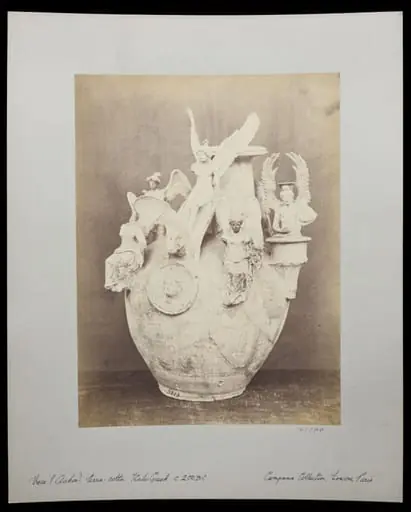 Perfume Burner in terra cotta
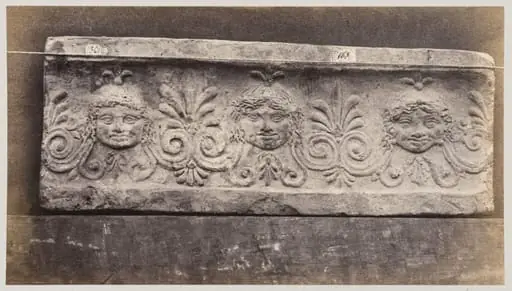 Three masques of gorgons in terra cotta
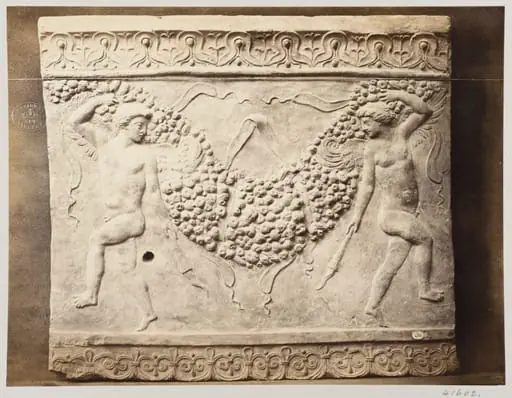 Bas-relief of portion of frieze of dancing figures with torches bearing festoon of fruit in terra cotta
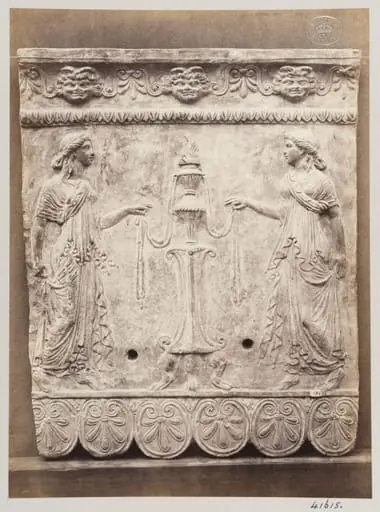 Bas-relief portion of a frieze of two draped females and an altar in terra cotta
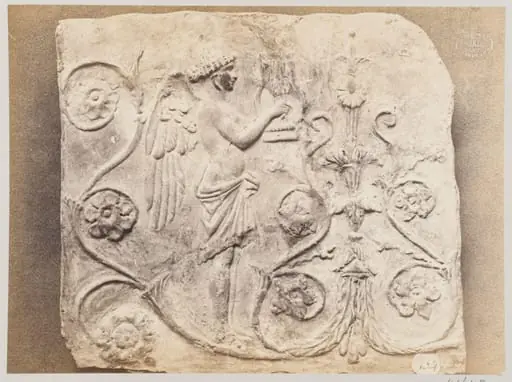 Bas-relief of a geni and a lyre in terra cotta
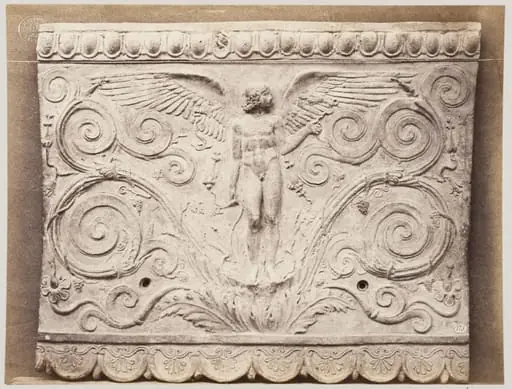 Bas-relief of a portion of frieze of Eros with scrollwork in terra cotta
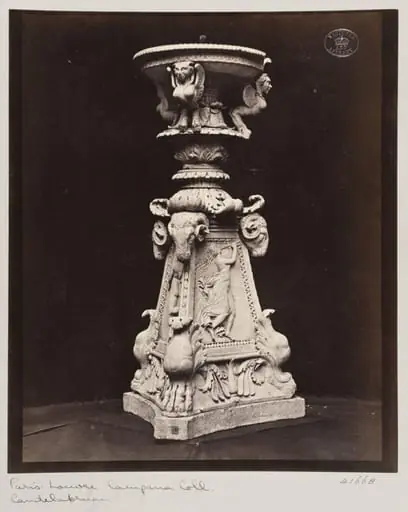 Marble sculptured fountain
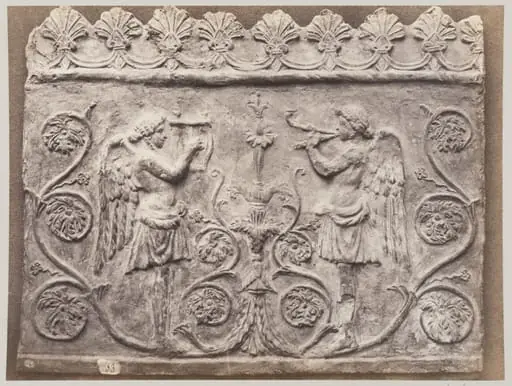 Bas-relief portion of frieze of Genii with double flutes and lyre