Artwork
Architectural elements with Psyche Giving Gifts to Her Sisters
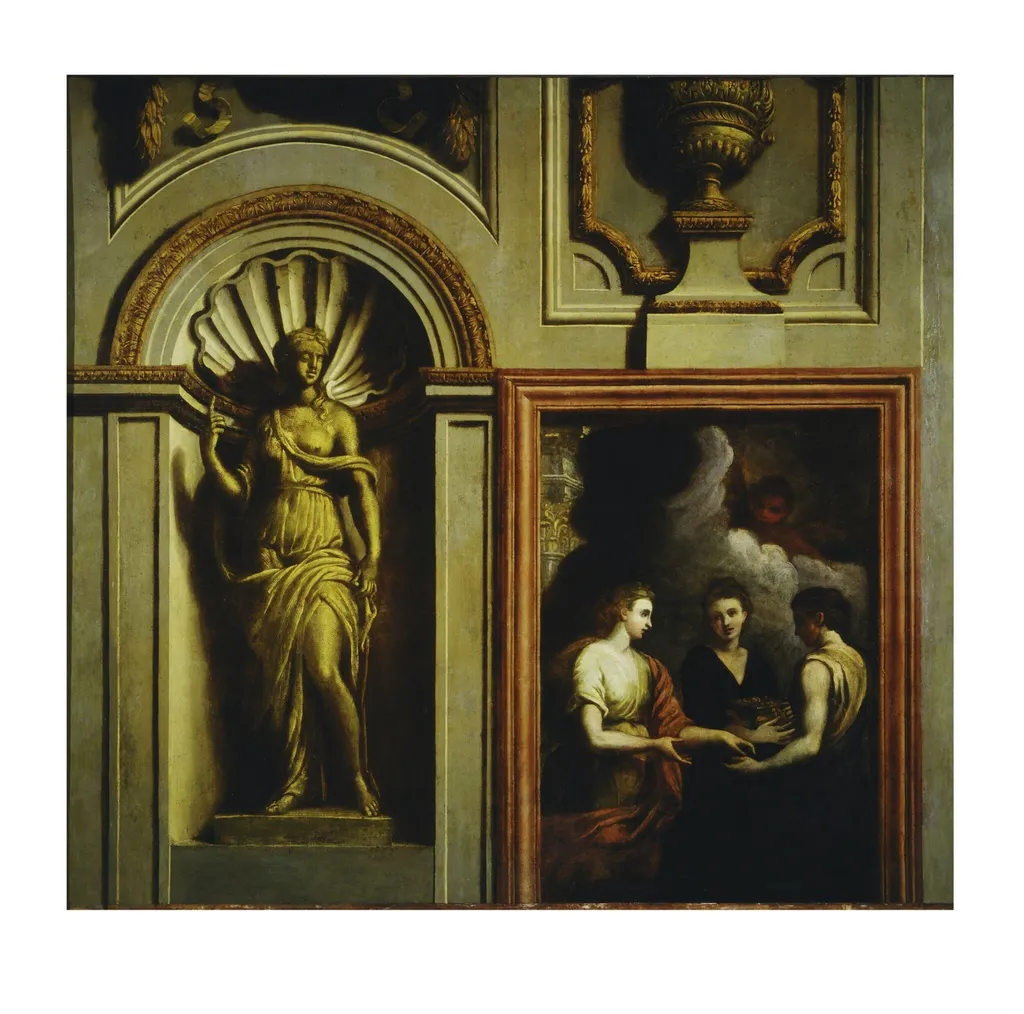
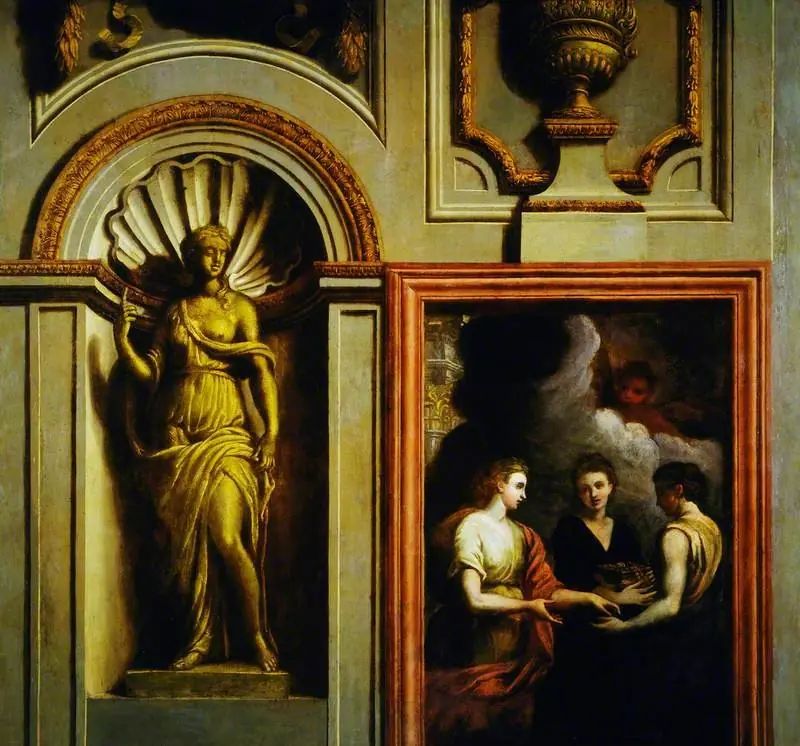
Architectural elements with Psyche Giving Gifts to Her Sisters is an oil painting by the Baroque artist Louis Laguerre. It dates from 1683 and is held in the collection of the Victoria and Albert Museum.
About this work
Overview
This fragment, originally part of a mural in a London townhouse, exemplifies his skill in integrating illusionistic architecture with narrative painting.
Louis Laguerre, a French-born artist who settled in England in the early 1680s, became a leading decorator of aristocratic interiors during the late Baroque period. This fragment, originally part of a mural in a London townhouse, exemplifies his skill in integrating illusionistic architecture with narrative painting. Executed directly onto wet plaster, the work survives as a rare example of domestic decorative schemes from the period, reflecting the era’s taste for grand, theatrical interiors.
Subject & Meaning
The scene depicts Psyche, from the myth of Eros and Psyche, offering gifts to her envious sisters beneath an illusionistic archway. Her small, white-clad figure contrasts with the opulent surroundings, emphasizing her vulnerability amid familial rivalry. The architectural setting frames the myth not as a standalone story but as an embedded allegory, likely symbolizing virtue rewarded amid worldly temptation—a common theme in elite domestic decoration of the time.
Technique & Style
Laguerre employed fresco technique, painting directly onto wet plaster to ensure durable, luminous color. The architectural elements are rendered in trompe-l’oeil, creating the illusion of three-dimensional space extending beyond the wall. Gold leaf accents catch light dynamically, enhancing the sense of depth and grandeur. The composition merges real structure with painted illusion, a hallmark of Baroque decorative practice in England.
History & Provenance
This fragment was removed from the staircase of a residence on Leadenhall Street, London, during the building’s renovation. Laguerre was commissioned by wealthy patrons across Britain between 1683 and 1721 to adorn country houses and urban palaces with similar schemes. Though most of his murals have been lost or altered, this piece remains as physical evidence of his prolific output and the transient nature of such interior decorations.
Context
In late 17th- and early 18th-century England, decorative painting was integral to aristocratic interiors, blending classical mythology with architectural fantasy. Laguerre, influenced by French and Italian traditions, adapted these styles for English tastes alongside contemporaries like Verrio. His work responded to a demand for immersive, theatrical spaces that conveyed status and cultural refinement through illusion and narrative.
Legacy
Laguerre’s contributions helped define the English Baroque decorative style, influencing later generations of muralists and interior designers. Though many of his works have vanished, surviving fragments like this one reveal the ambition and technical precision of his commissions. His integration of mythological scenes into architectural settings became a template for domestic decoration well into the 18th century.
Artist & collection
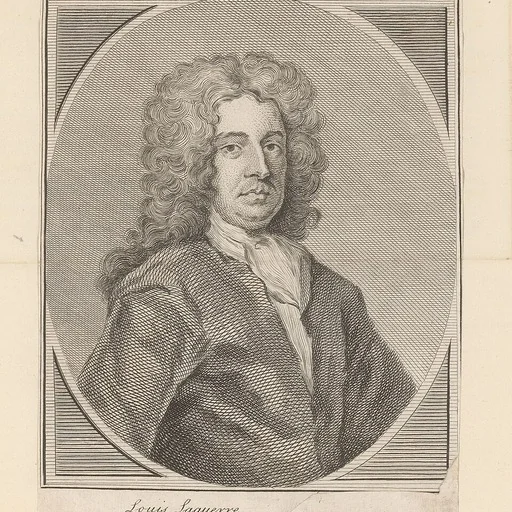

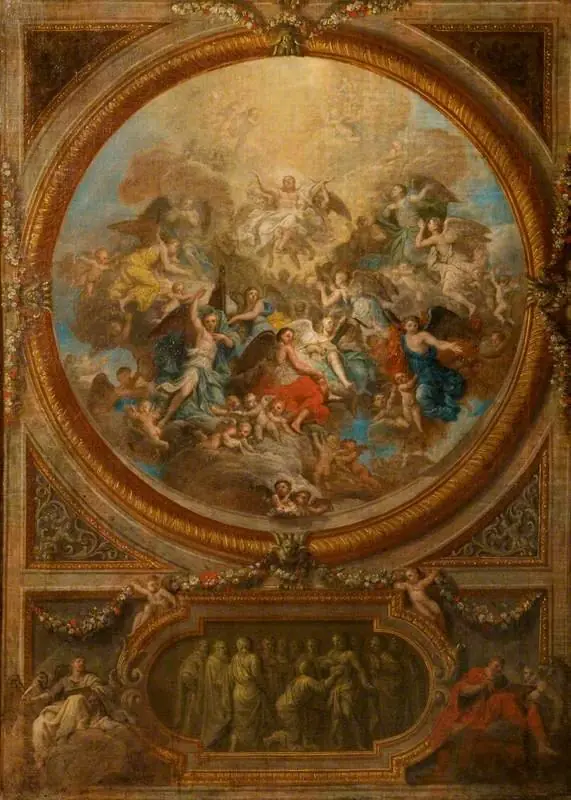
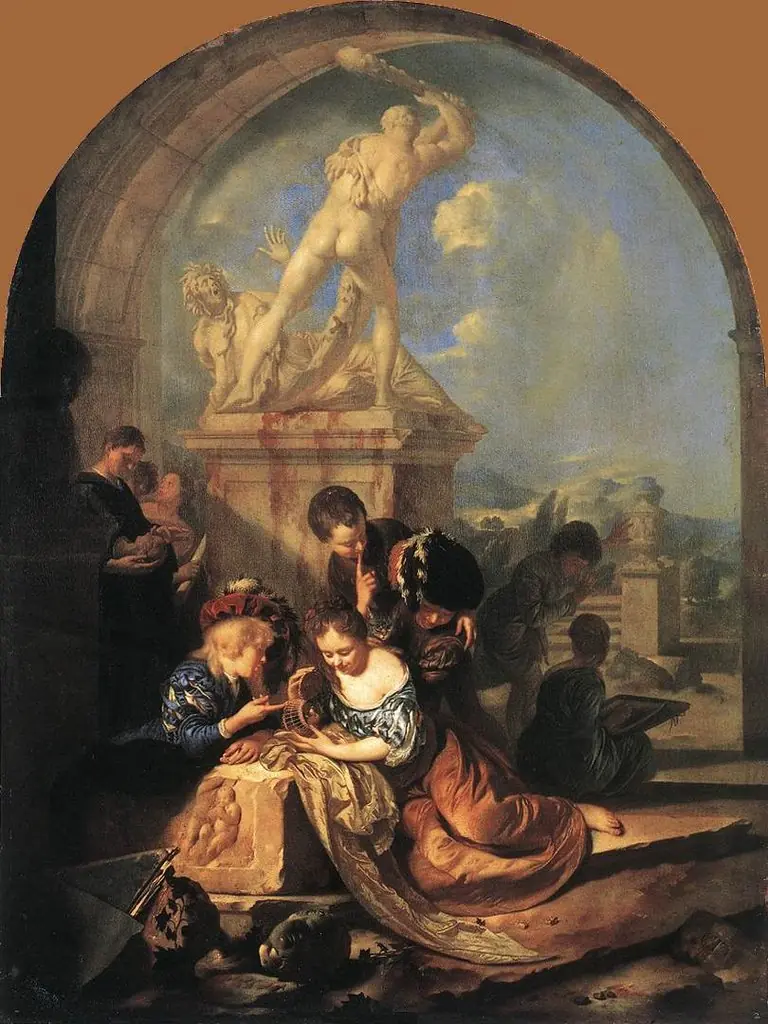 Children Playing before a Hercules Group
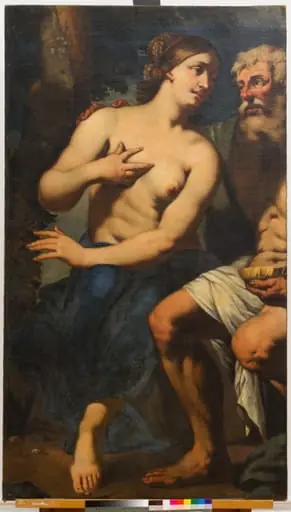 Lot und seine Töchter (Fragment)
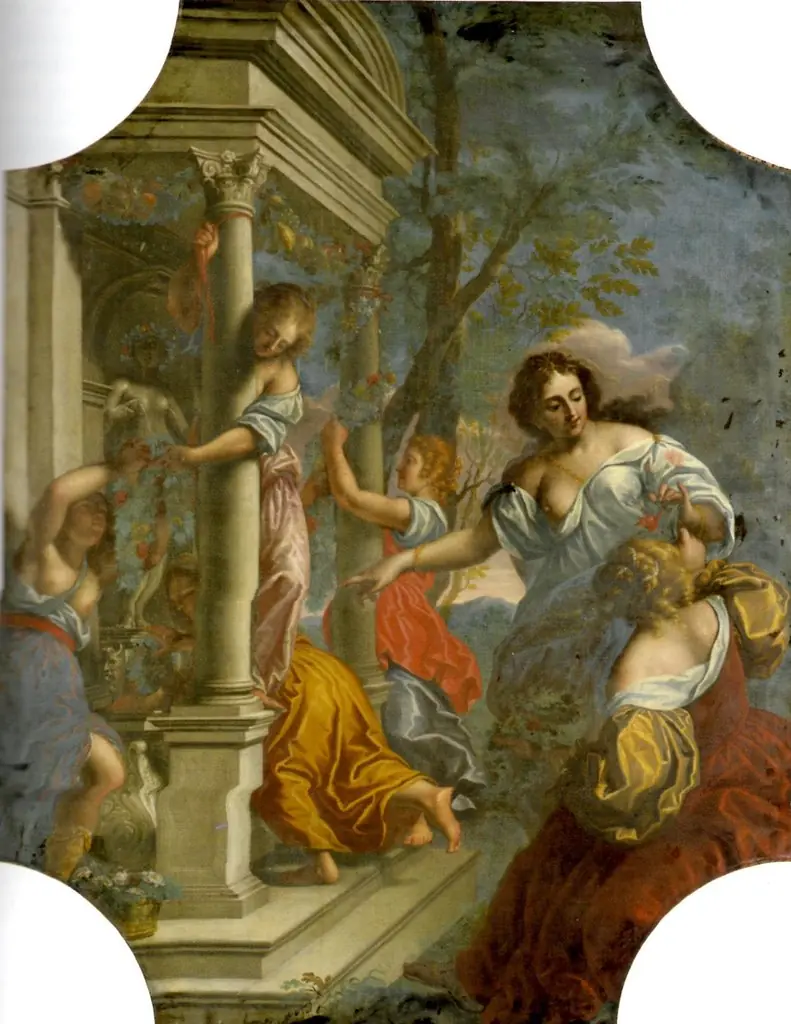 Jungfrauen schmücken einen Tempel
 An Allegory of Painting
 Diana și Endymion
 Die hl. Maria Magdalena (?)
 Estudio de la sillería de coro de Andrés de Nájera (Museo de Valladolid)
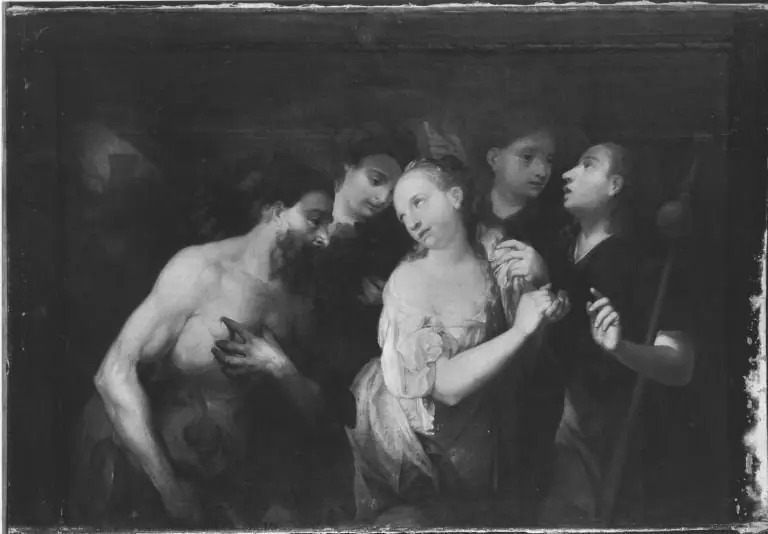 Lot und seine Töchter (Kopie nach)
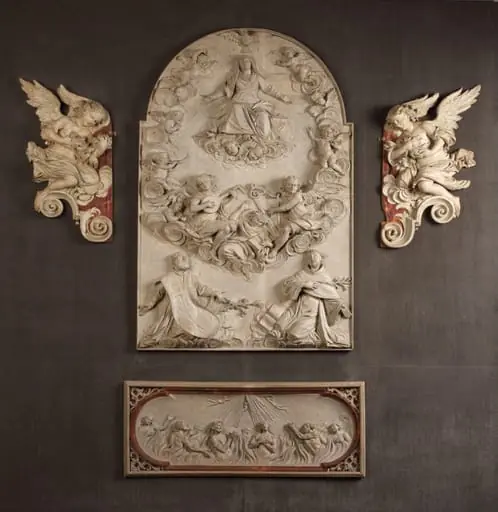 The Assumption of the Virgin with saints and angels
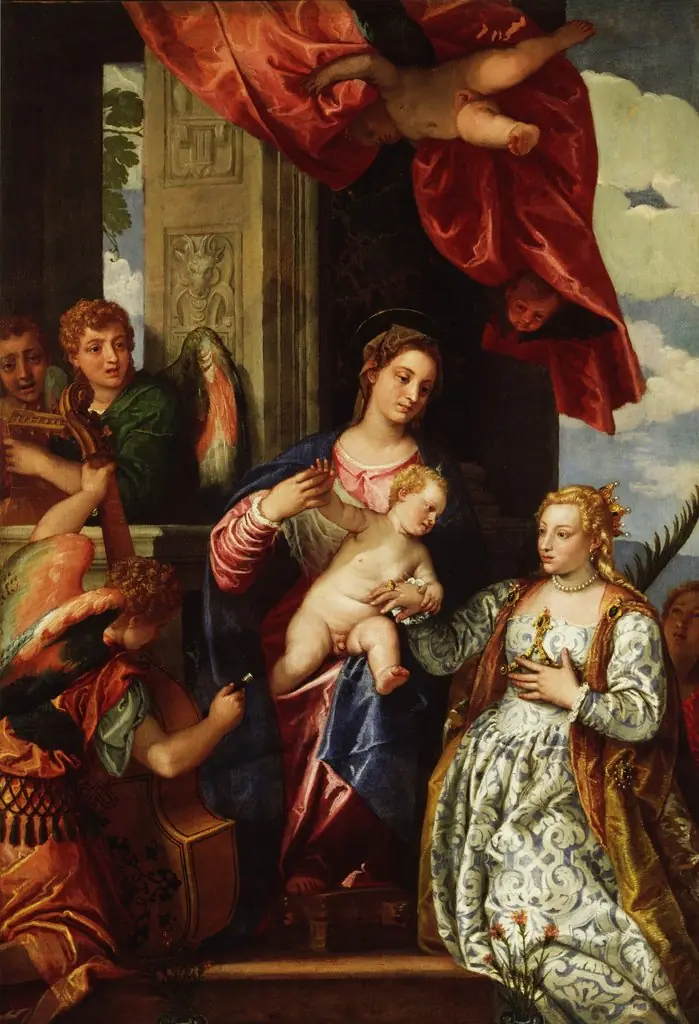 The Mystic Marriage of St. Catherine
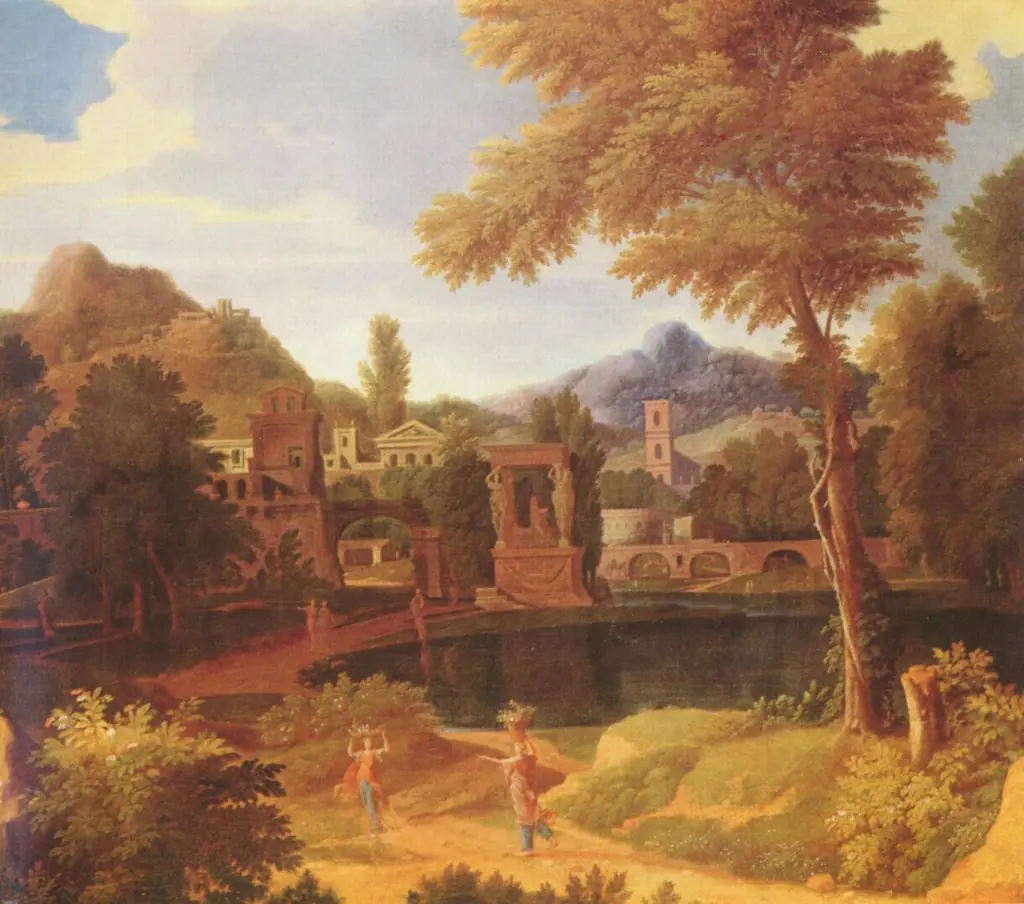 Landscape