Artwork
A Commercial Street in Guangzhou
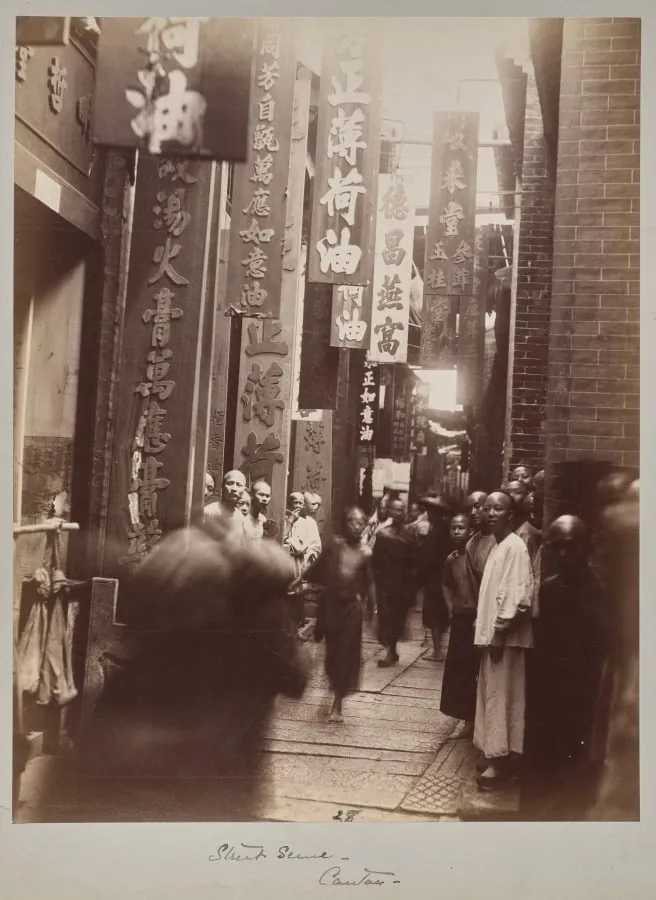
A Commercial Street in Guangzhou is a photography by the Impressionist artist Lai Fong (Afong Studio). It dates from 1880 and is held in the collection of the Cleveland Museum of Art.
About this work
A man in a long robe walks fast—his legs blur like he’s moving too quick for the camera.
You see a busy street in Guangzhou, packed with shops and signs in Chinese characters. A man in a long robe walks fast—his legs blur like he’s moving too quick for the camera.
This photo was taken around 1880, when cameras were rare in China. The people staring back at the lens look curious, almost caught off guard. The blur at the bottom left isn’t a mistake; it shows how alive the street really was.
If you like old photos of daily life, look up subject: china for more scenes like this.
Overview
A Commercial Street in Guangzhou is a late 19th-century photograph depicting the vibrant commercial heart of Guangzhou, then known as Canton, a longstanding hub of trade and commerce along the Pearl River.
Subject & Meaning
The photograph captures the dynamic activity of a Guangzhou street, emphasizing the intersection of traditional life and modern technology. The blurred figure in motion contrasts with the static, curious onlookers, highlighting the novelty of photography in China circa 1880.
Technique & Style
The image employs a deliberate compositional choice, where the blurred figure at the bottom left conveys the street's energy, while the sharper focus on bystanders and storefronts provides contextual depth, reflecting early photographic techniques.
History & Provenance
Taken around 1880, the photograph reflects a rare capture of daily life in China during a period when cameras were uncommon. The exact photographer and provenance details are not provided in the available information.
Context
The photograph offers a glimpse into Guangzhou's role as a commercial center, with shops and signs in Chinese characters dominating the scene. It also touches on the cultural encounter between traditional Chinese life and the advent of Western photographic technology.
Artist & collection

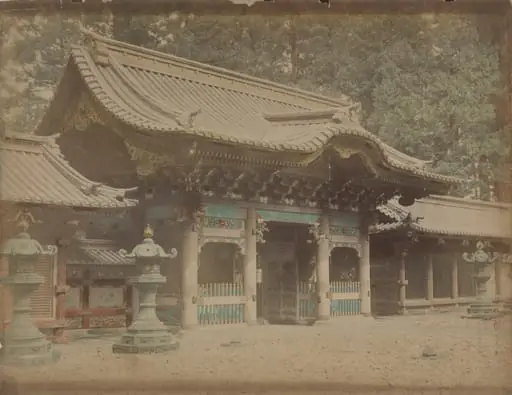 Yashamon Gate, Taiyuin Mausoleum, Nikko, Japan
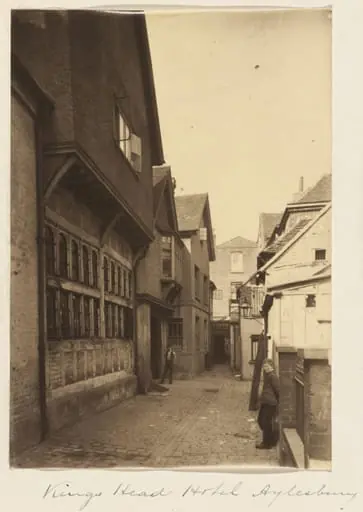 National Photographic Record and Survey
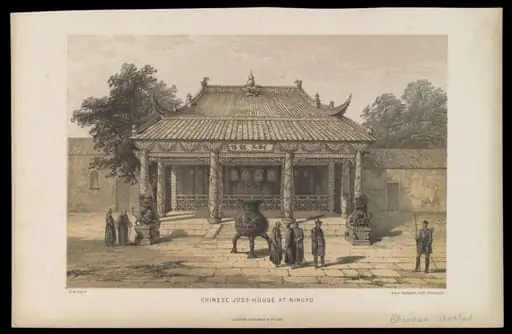 H Beard Print Collection
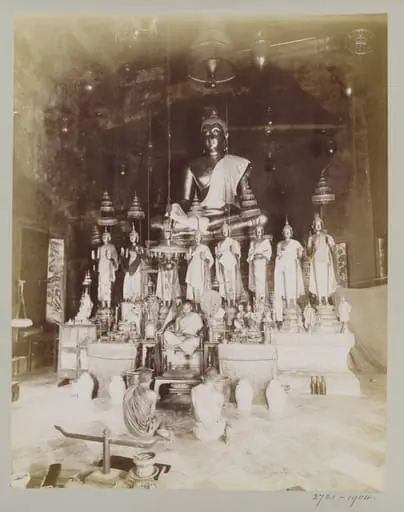 Buddha in Temple of Wat Mahan, Bangkok
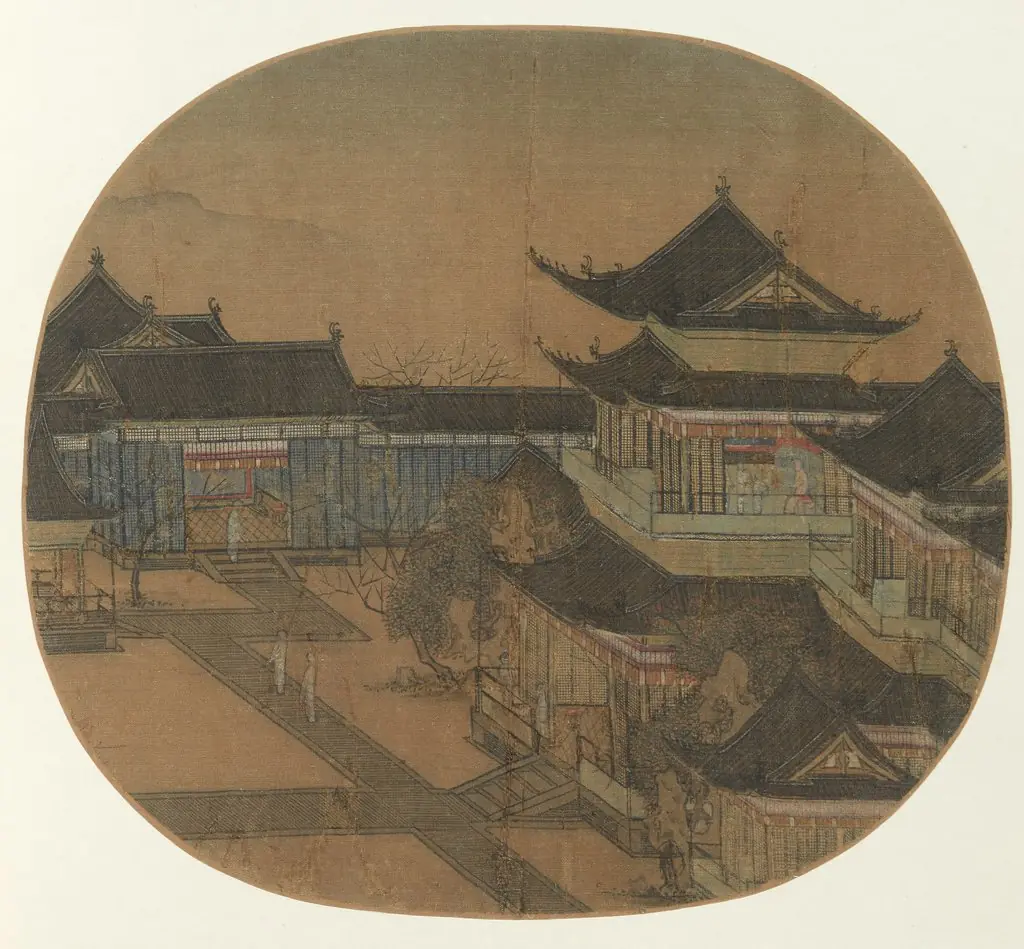 A Palace
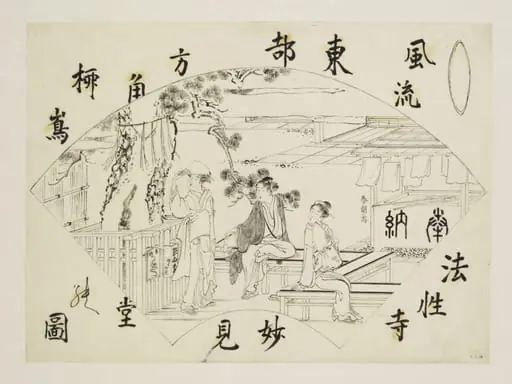 The Myoken Hall of the Hosshoji Temple at Yanagishima
 A Palace
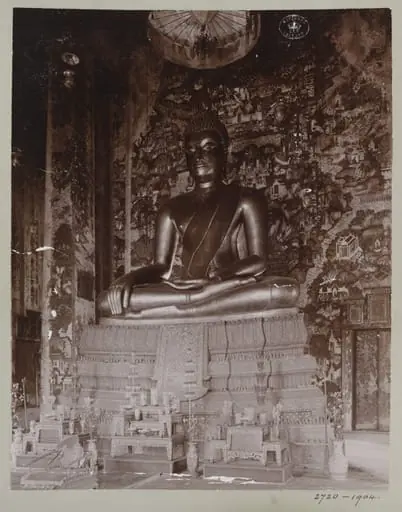 Buddha in Temple of Wat Leip, Bangkok
 川豊春画 「浮絵境町葺屋町顔見世夜芝居之図」|Perspective Print (Uki-e) of the Theaters in Sakaichō and Fukiyachō on Opening Night
 Night Scene, Street of Theatres