Artwork
Commercial Street, Canton (recto)
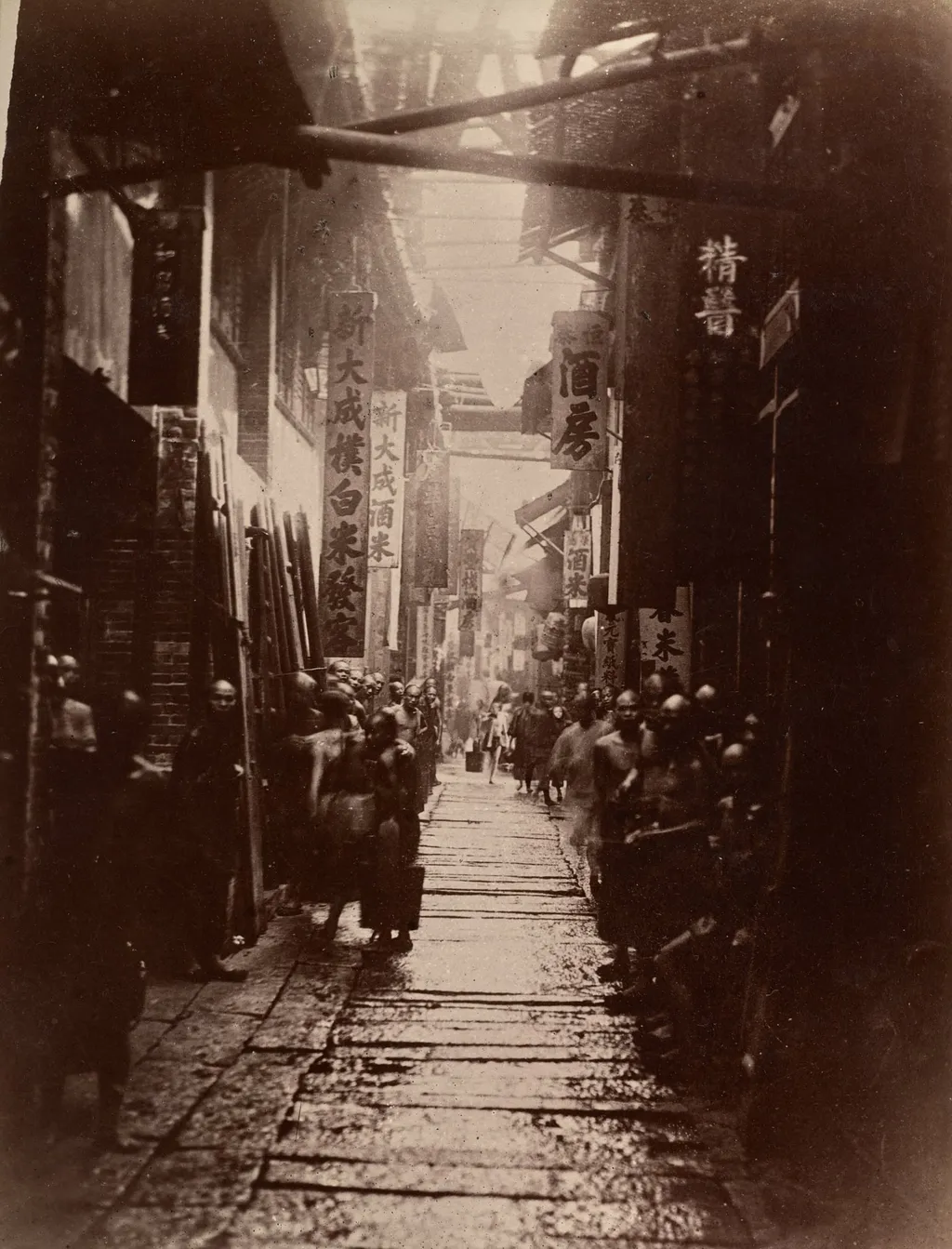
Commercial Street, Canton (recto) is a photography by the Impressionist artist Lai Fong (Afong Studio). It dates from 1864 and is held in the collection of the Cleveland Museum of Art.
About this work
Overview
This photograph, dated around 1864, captures a street in Canton (now Guangzhou) taken by Lai Fong, one of the earliest Chinese photographers to document urban life. The image is part of a small body of work produced during the mid-19th century, when photography was emerging as a tool for recording daily scenes in China. It is currently held in the collection of The Cleveland Museum of Art.
Subject & Meaning
The photograph depicts a crowded commercial thoroughfare, with pedestrians, vendors, and wheeled carts navigating between two-story buildings. Shopfronts display handwritten signs in Chinese characters, suggesting active trade. The scene offers a candid view of urban commerce and social interaction in southern China during a period of increasing foreign contact and internal change.
Technique & Style
Lai Fong used wet-plate collodion photography, a technique requiring on-site preparation of glass plates. The image’s sharp detail and tonal range reflect technical skill, while the composition emphasizes depth and activity. Unlike staged portraits common at the time, this image captures spontaneous movement, suggesting an observational approach to street life.
History & Provenance
Lai Fong operated a photographic studio in Canton during the 1860s, catering to both local clients and foreign residents. This image likely served as a documentary record or souvenir for Western visitors. It entered the Cleveland Museum of Art’s collection through a later acquisition, preserving one of the few surviving photographic records of mid-19th-century Cantonese urbanism.
Context
Canton was one of China’s few ports open to foreign trade after the Opium Wars, making it a hub of cultural and economic exchange. Photographs like this emerged as China’s traditional visual arts began to intersect with Western technologies. The image reflects a city adapting to new influences while maintaining its commercial traditions.
Legacy
Lai Fong’s work represents an early Chinese perspective on photography, countering the dominant Western narratives of the time. His street scenes provide valuable visual documentation of urban life in southern China before widespread modernization. These images remain important for historians studying 19th-century Chinese society through indigenous lenses.
Artist & collection

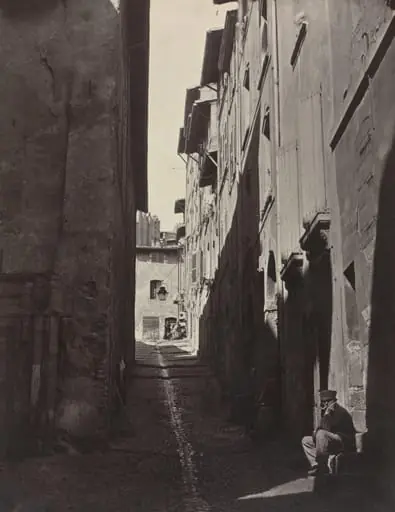 Renovation of the Old City of Marseille, Rue Caves de l'Oratoire
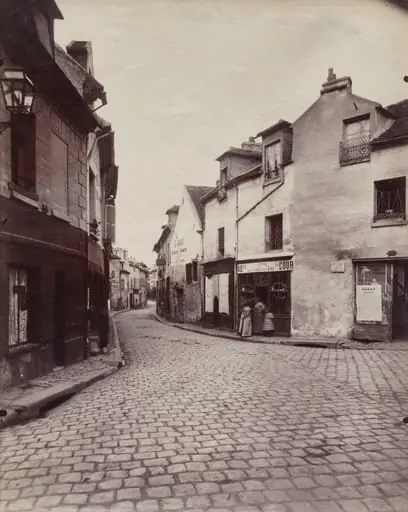 Clamart (Vielle Rue)
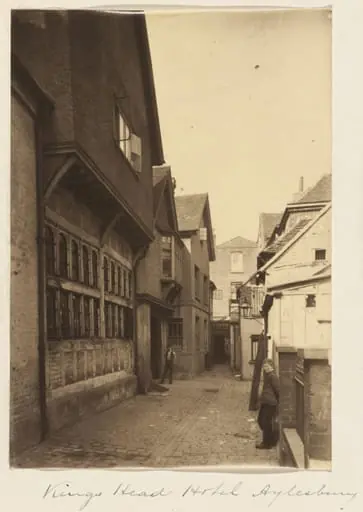 National Photographic Record and Survey
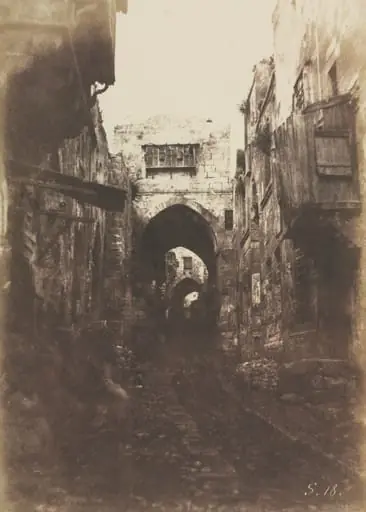 Street in the Arab Quarter, Jerusalem
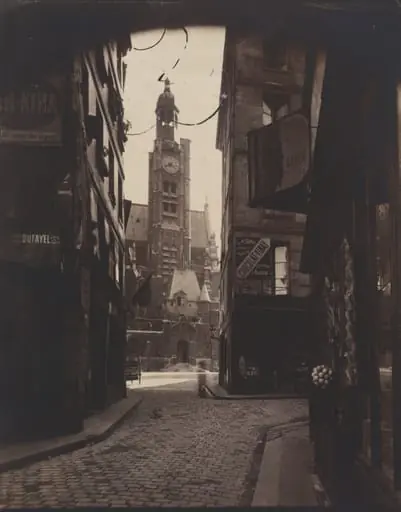 Rue de la Montagne-Sainte-Geneviève
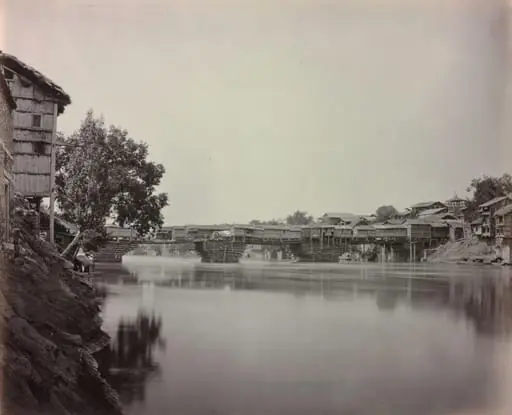 Bridge of Shops, Srinagar, Kashmir
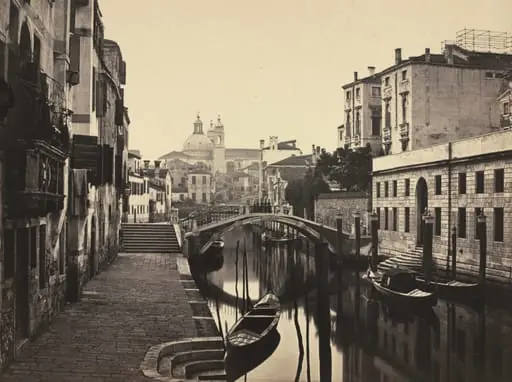 View of Venice
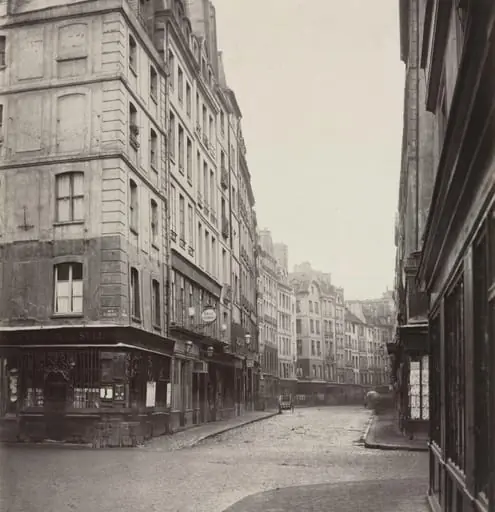 Rue de la Ferronnerie
 Street Scene in Ikao, Japan
 A Convict's Home