Artwork
Untitled (Hong Kong, St. John’s Cathedral, from the Parade Ground, H.M. Regiment on Parade)
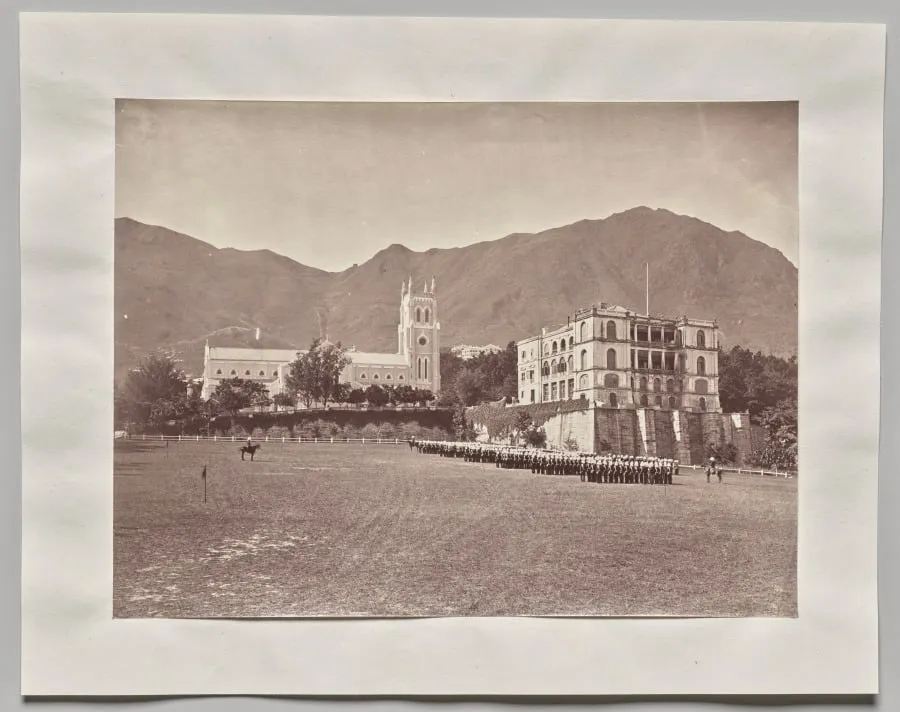
Untitled (Hong Kong, St. John’s Cathedral, from the Parade Ground, H.M. Regiment on Parade) is a photography by the Impressionist artist Lai Fong (Afong Studio). It dates from 1870 and is held in the collection of the Cleveland Museum of Art. This photograph, taken by Lai Fong in late 19th-century Hong Kong, captures a military parade before St.
About this work
Lai Fong instead sold views of China—competing with European photographers who usually controlled that market.
You see British soldiers marching in front of a stone church in Hong Kong. The sky is bright, the uniforms crisp, and the cathedral looms above the parade ground.
Most Chinese photo studios at the time took portraits for Westerners. Lai Fong instead sold views of China—competing with European photographers who usually controlled that market. This image shows both the church and the army, two ways the British Empire kept order in its colonies.
To see more of Hong Kong under British rule, look up *subject: england, 19th century*.
Overview
This photograph, taken by Lai Fong in late 19th-century Hong Kong, captures a military parade before St. John’s Cathedral. Unlike most Chinese photographers of the era, who primarily produced portraits for Western clients, Lai Fong specialized in documenting urban and civic scenes. His focus on landscapes and public life positioned him as a rare local competitor to European photographers who dominated the market for images of China.
Subject & Meaning
The image depicts soldiers of the Queen’s Regiment marching across the Parade Ground beneath the imposing stone facade of St. John’s Cathedral. The juxtaposition of military discipline and religious authority reflects the dual pillars of British imperial control: the enforcement of order through armed presence and the moral governance symbolized by the Anglican Church. The composition underscores their coexistence as instruments of colonial stability.
Technique & Style
Lai Fong employed a large-format camera to achieve sharp detail and tonal clarity. The bright sky and crisp uniforms suggest careful exposure control, while the elevated vantage point emphasizes the cathedral’s dominance over the parade ground. The formal arrangement of soldiers and the architectural symmetry convey a sense of order, aligning with the documentary aims of 19th-century photographic practice.
History & Provenance
The photograph was likely produced in the 1870s or 1880s, during a period of heightened British presence in Hong Kong. Lai Fong operated one of the earliest Chinese-run photographic studios in the colony, catering to both local and foreign audiences. His work was distributed internationally, offering an alternative perspective to the predominantly European imagery of the region.
Context
At the time, Western photographers held near-monopoly over the production of landscape imagery in China, often framing it through exoticizing or imperial lenses. Lai Fong’s decision to document civic life from within the colony introduced a more grounded, locally informed viewpoint. His work subtly challenged the assumption that only Europeans could authentically represent China’s colonial spaces.
Legacy
Lai Fong’s photographs remain significant as early examples of Chinese-authored visual documentation of colonial Hong Kong. By turning his lens toward public institutions like the cathedral and parade ground, he preserved a record of daily imperial ritual that was rarely captured by local practitioners. His output expanded the range of perspectives available in 19th-century photographic archives of Asia.
Artist & collection

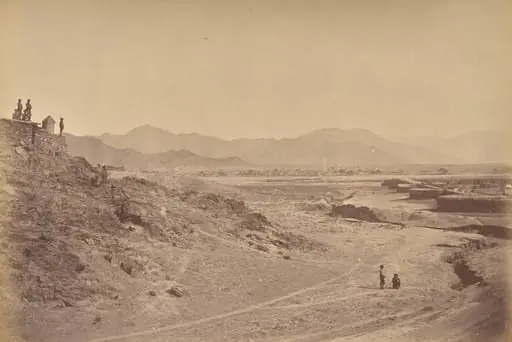 Dakka Fort and Lalpura
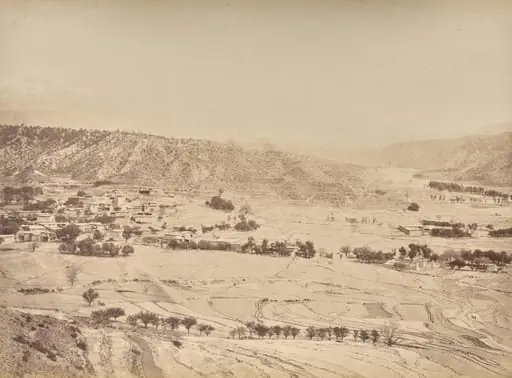 Ali Keyl, Pewar Kotal
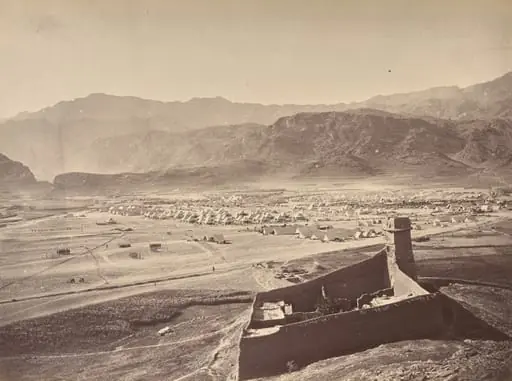 Landi Kotal Camp
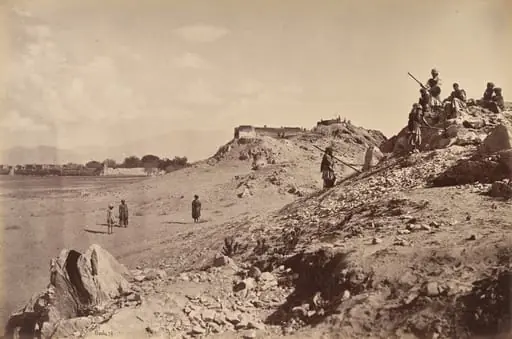 Jellalabad, Pipers Hill
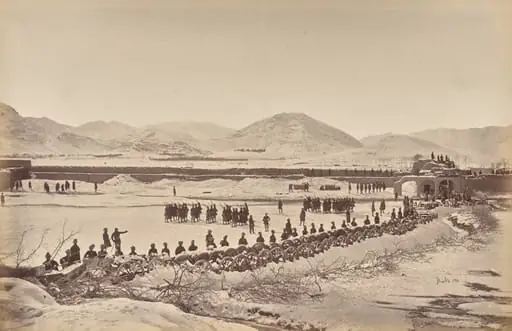 Sherpur. The Laager and Abatts, West Corner, Showing the Kotal and Hills
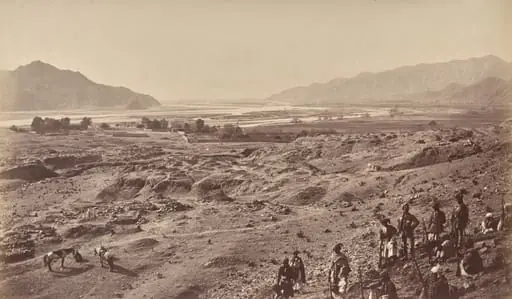 River Gorge Above Lalpura
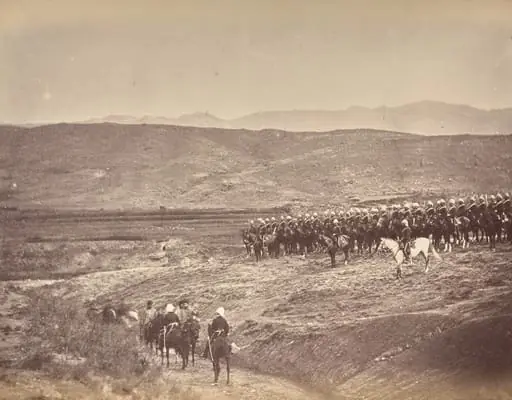 The Amir Yakub Khan. The First Meeting with Major Cavagnari and Mr. Jenkins, 7 Miles from Safed Sang
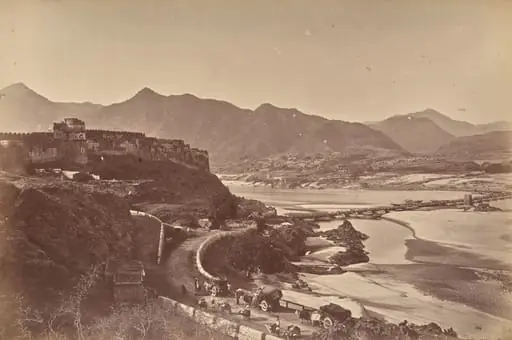 Fort Attock with Bridge of Boats and Khairabad
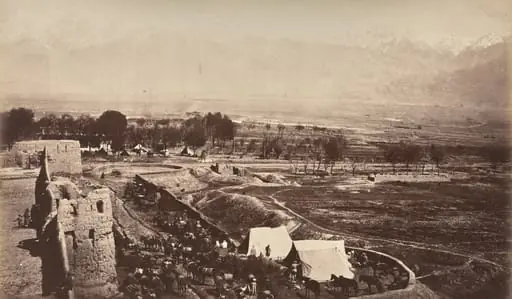 Landi Kotal, The Camp, Looking South
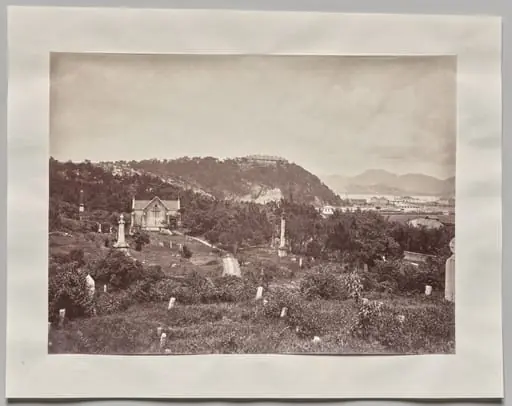 Untitled (Happy Valley Cemetery, Hong Kong)