Artwork
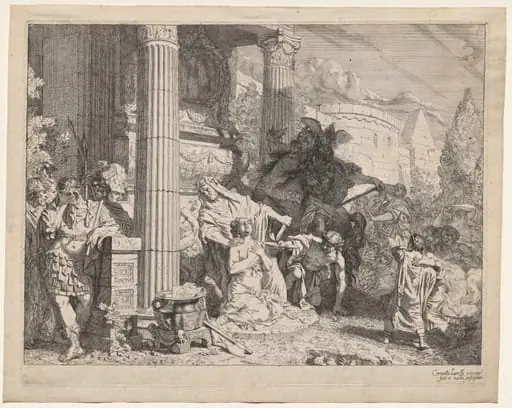
Parcere Subiectis (The Magnanimous Treatment of Prisoners)
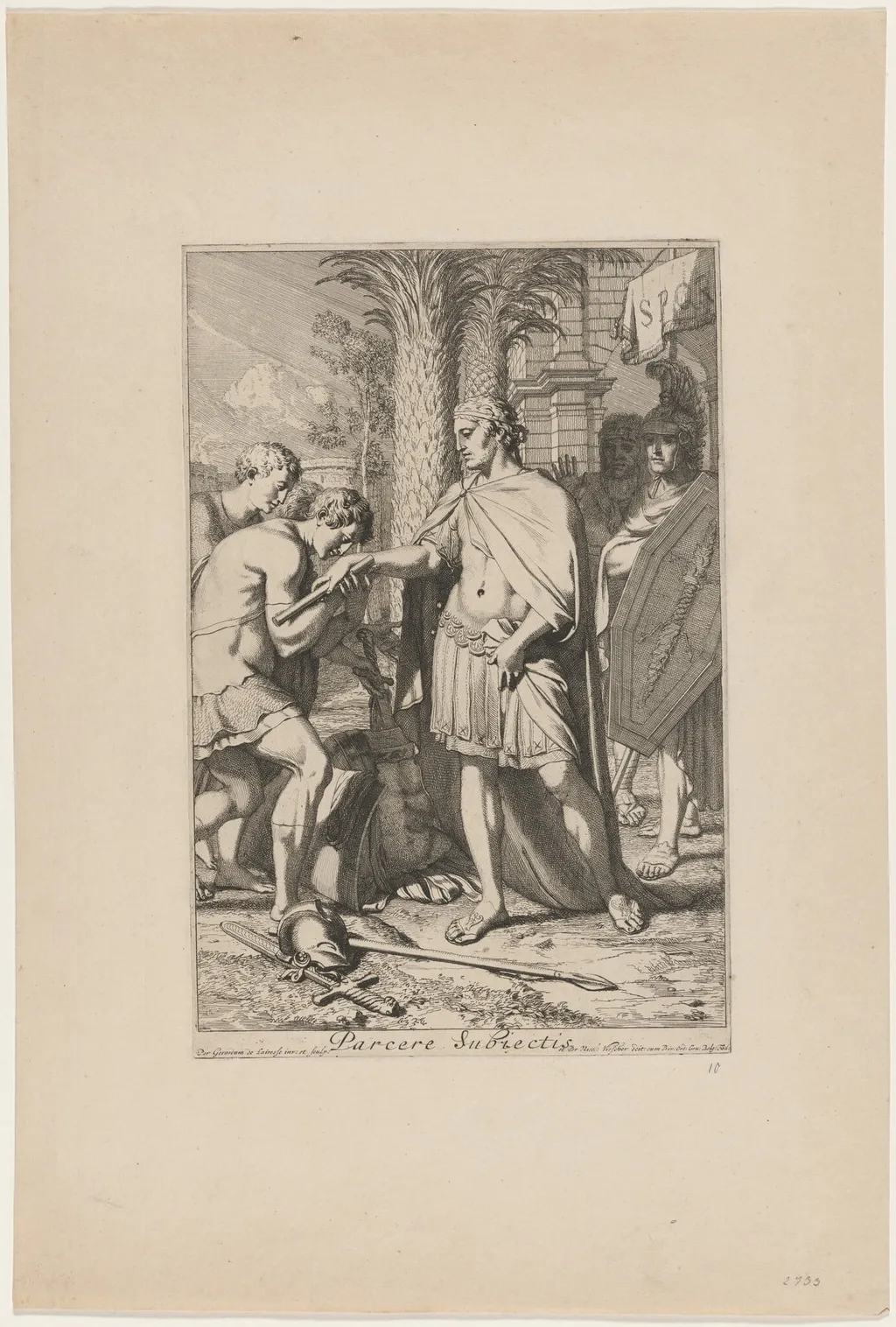
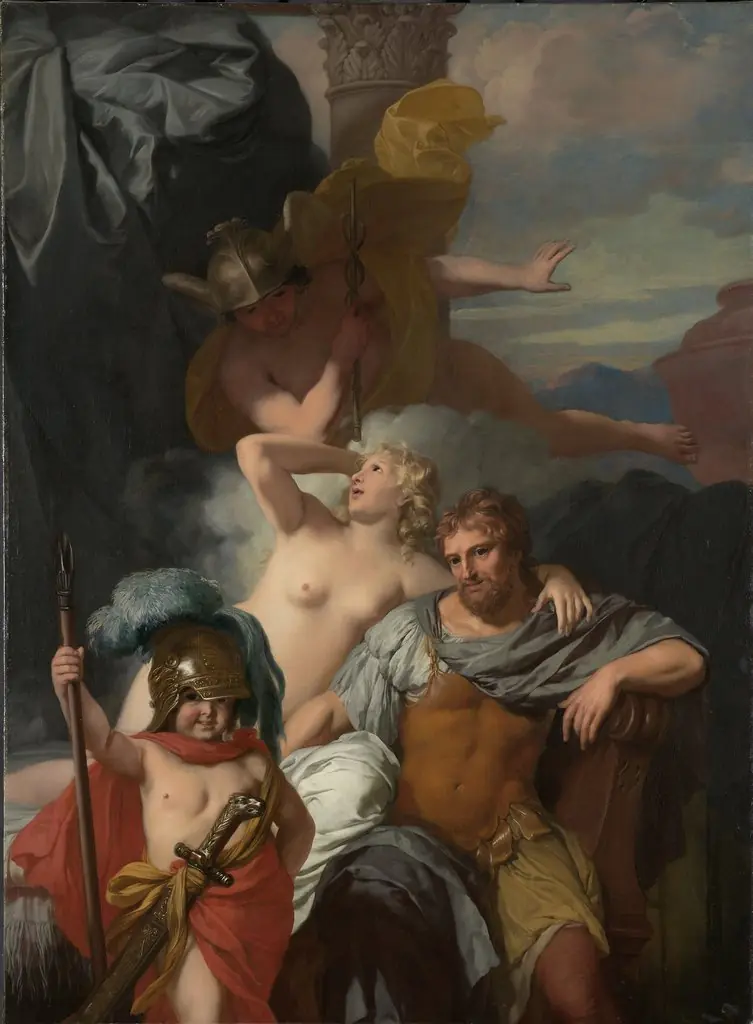
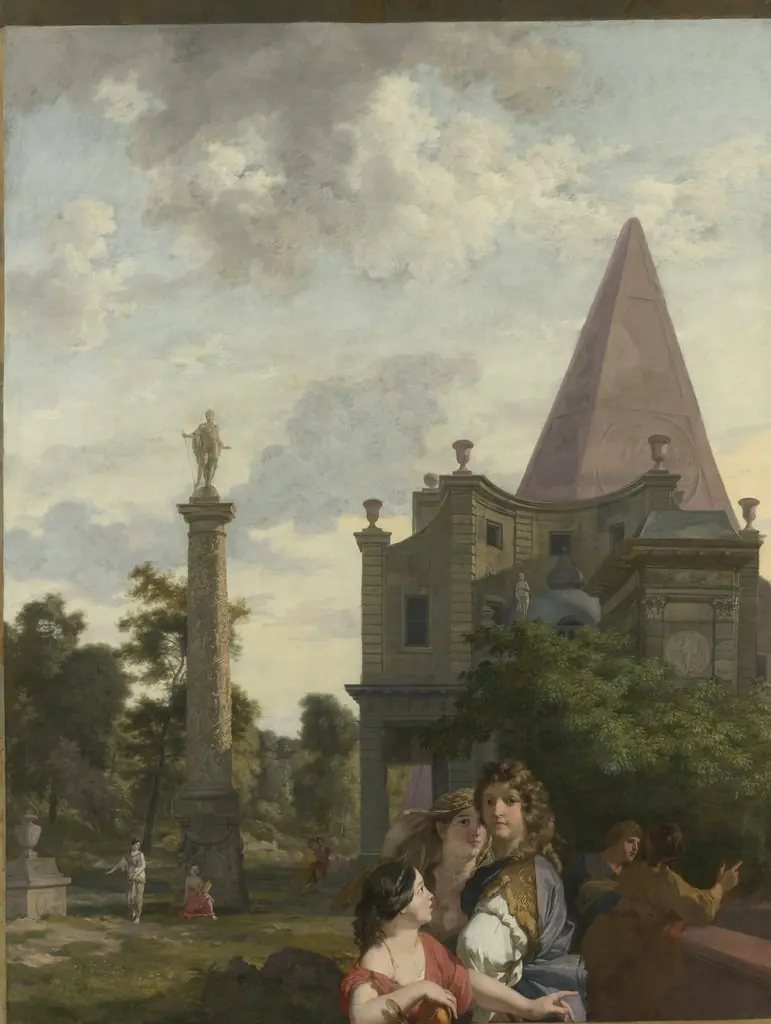
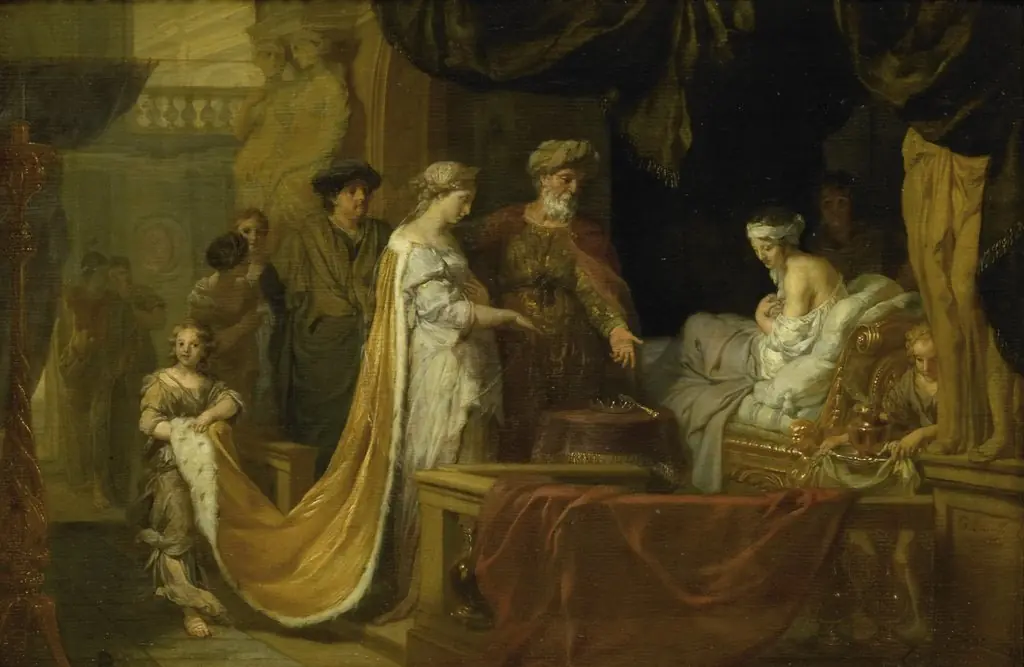
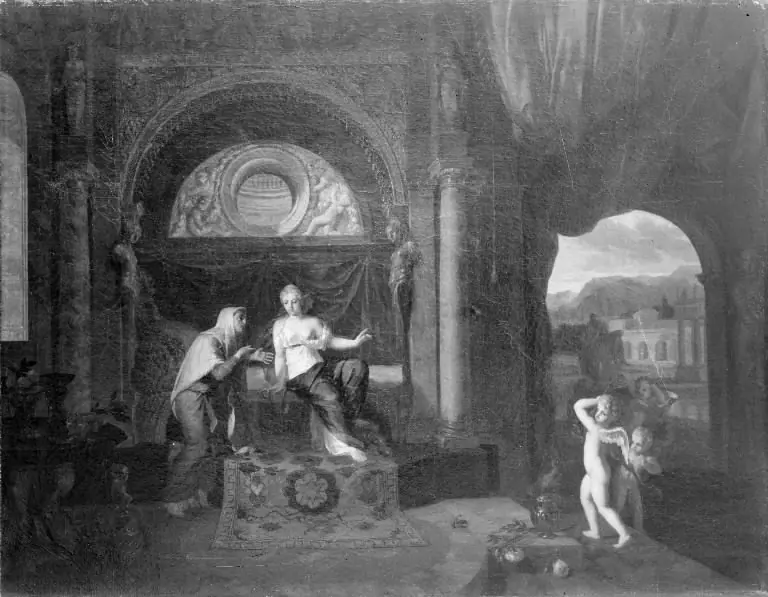
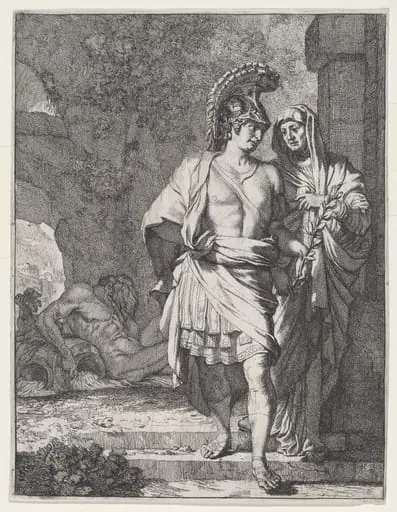
Parcere Subiectis (The Magnanimous Treatment of Prisoners) is an ink print by the Baroque artist Gerard de Lairesse. It dates from 1670 and is held in the collection of the National Gallery of Art.
About this work
Overview
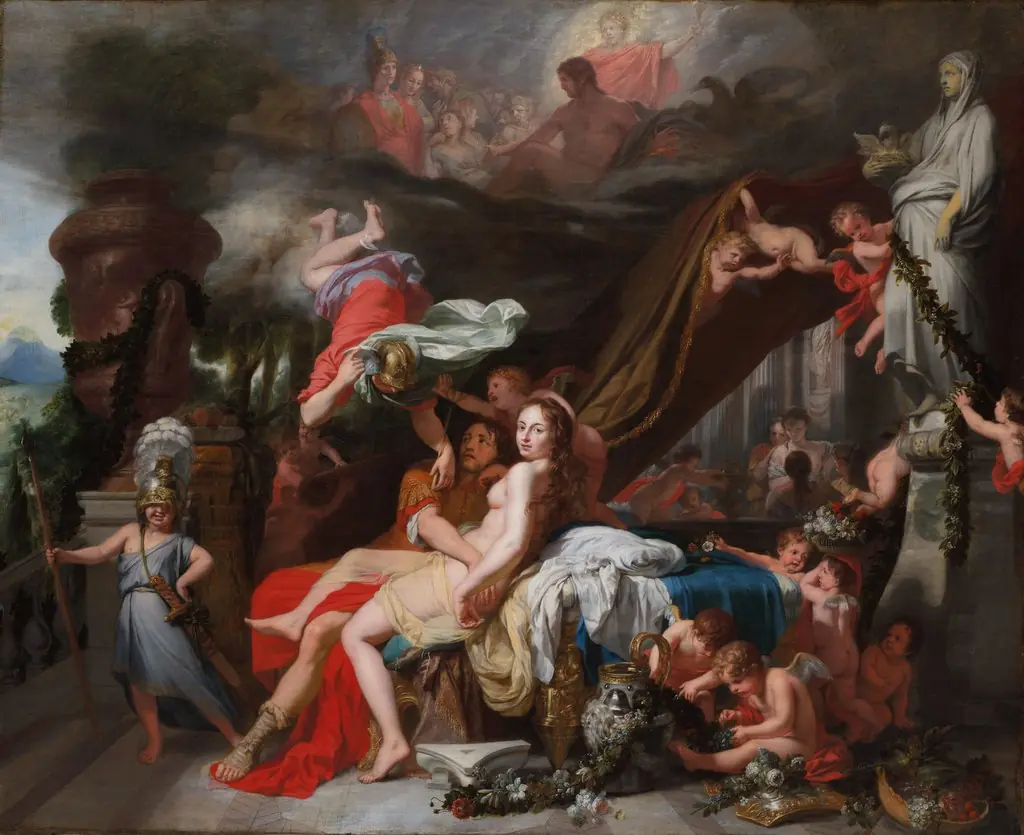
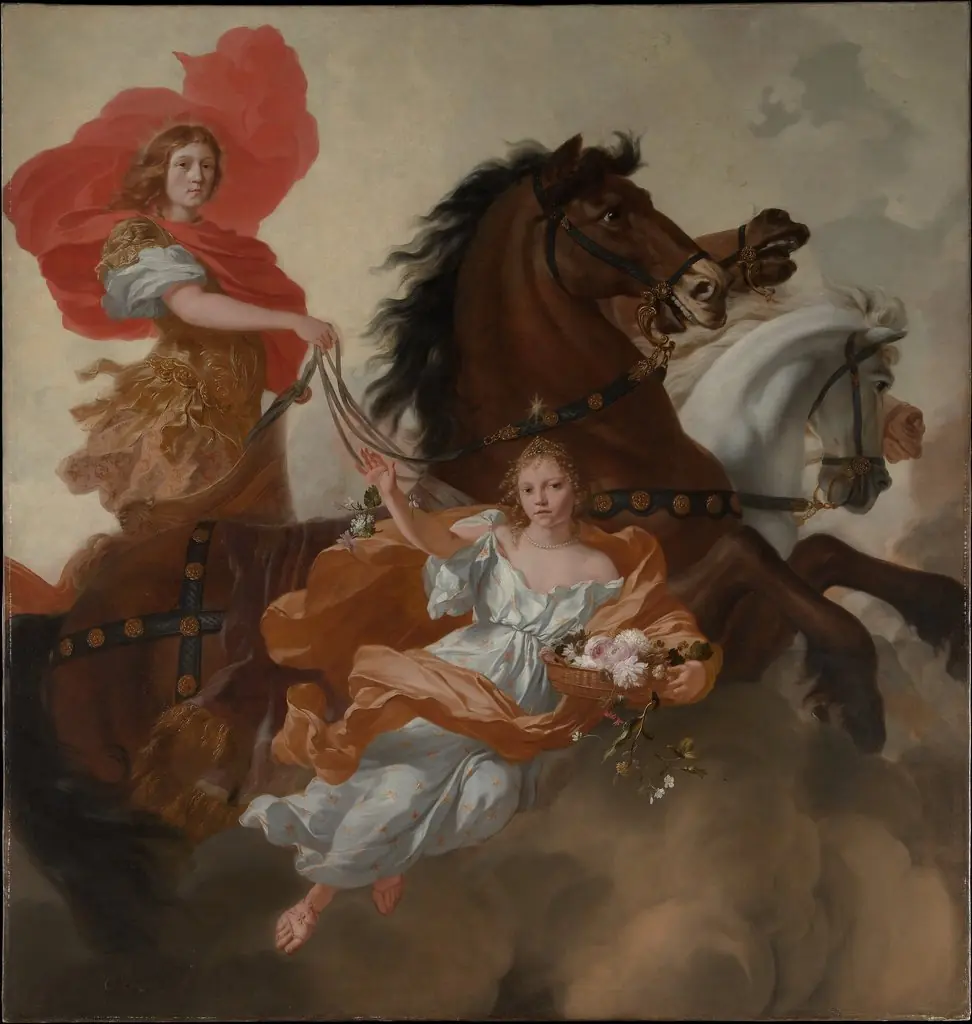
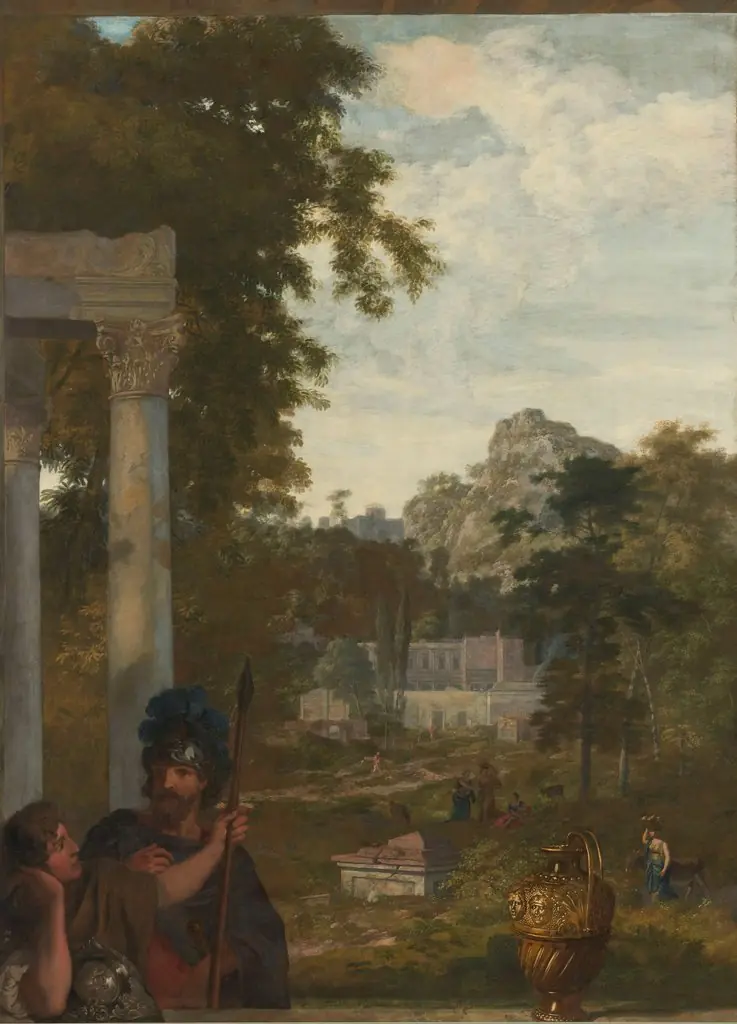
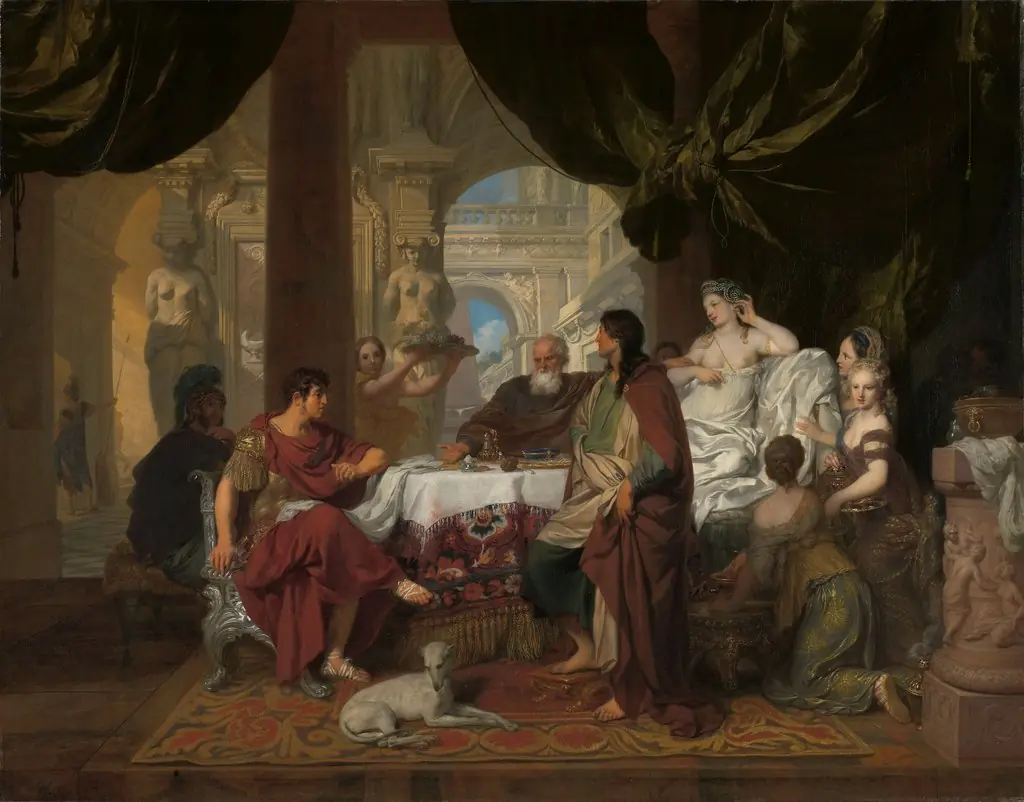
Parcere Subiectis (The Magnanimous Treatment of Prisoners) is an etching on laid paper, created circa 1670 by Gerard de Lairesse, a multifaceted Dutch Golden Age artist. This work exemplifies his exploration of classical themes, influenced by French classicism.
Subject & Meaning
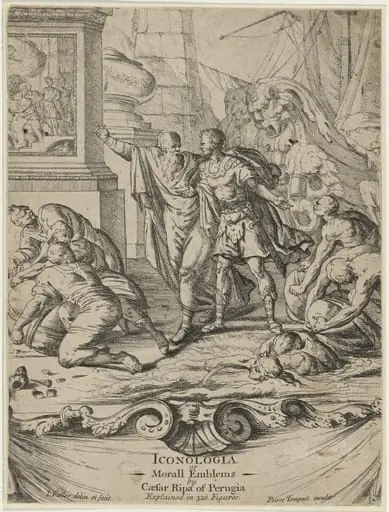
The etching depicts a central figure in a toga and crown, standing before a column, with a sword in hand. Surrounded by armored figures and a palm tree in a courtyard setting, the main subject gazes downward, possibly at a prisoner or surrendered arms (a helmet and sword lie nearby). The scene conveys magnanimity towards the vanquished.
Technique & Style
Executed in a detailed, realistic etching style, the work showcases rich texture and shading. Dramatic lighting and intense emotional depth place it firmly within the Baroque tradition, though de Lairesse's unique blend of Dutch and French influences sets it apart.
History & Provenance
Created after Rembrandt's death, Parcere Subiectis coincides with de Lairesse's rising reputation, bolstered by his later theoretical writings (published early 18th century). The etching reflects his broader artistic and intellectual pursuits, including painting, music, poetry, and theatre.
Context
Influences from Cesare Ripa's iconography and the works of French painters Charles le Brun and Simon Vouet are evident. The piece represents a moment in Dutch art where classical themes and French classicist aesthetics significantly impacted local artists.
Artist & collection
Artist
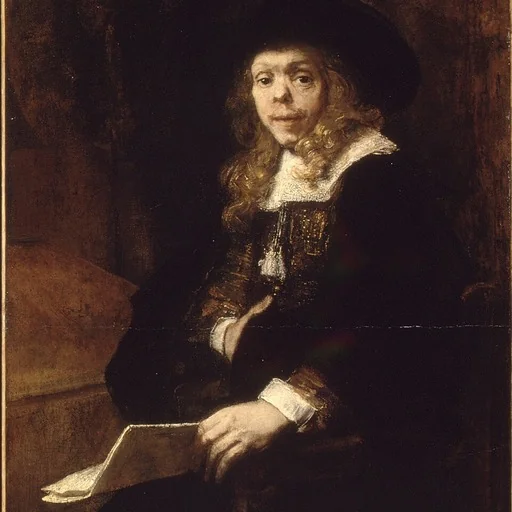
Gerard or Gérard (de) Lairesse (French pronunciation: ; 11 September 1641 – June 1711) was a Dutch Golden Age painter and art theorist.