Artwork
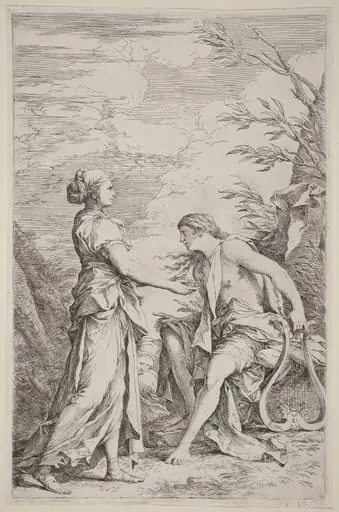
Aeneas and the Sibyl
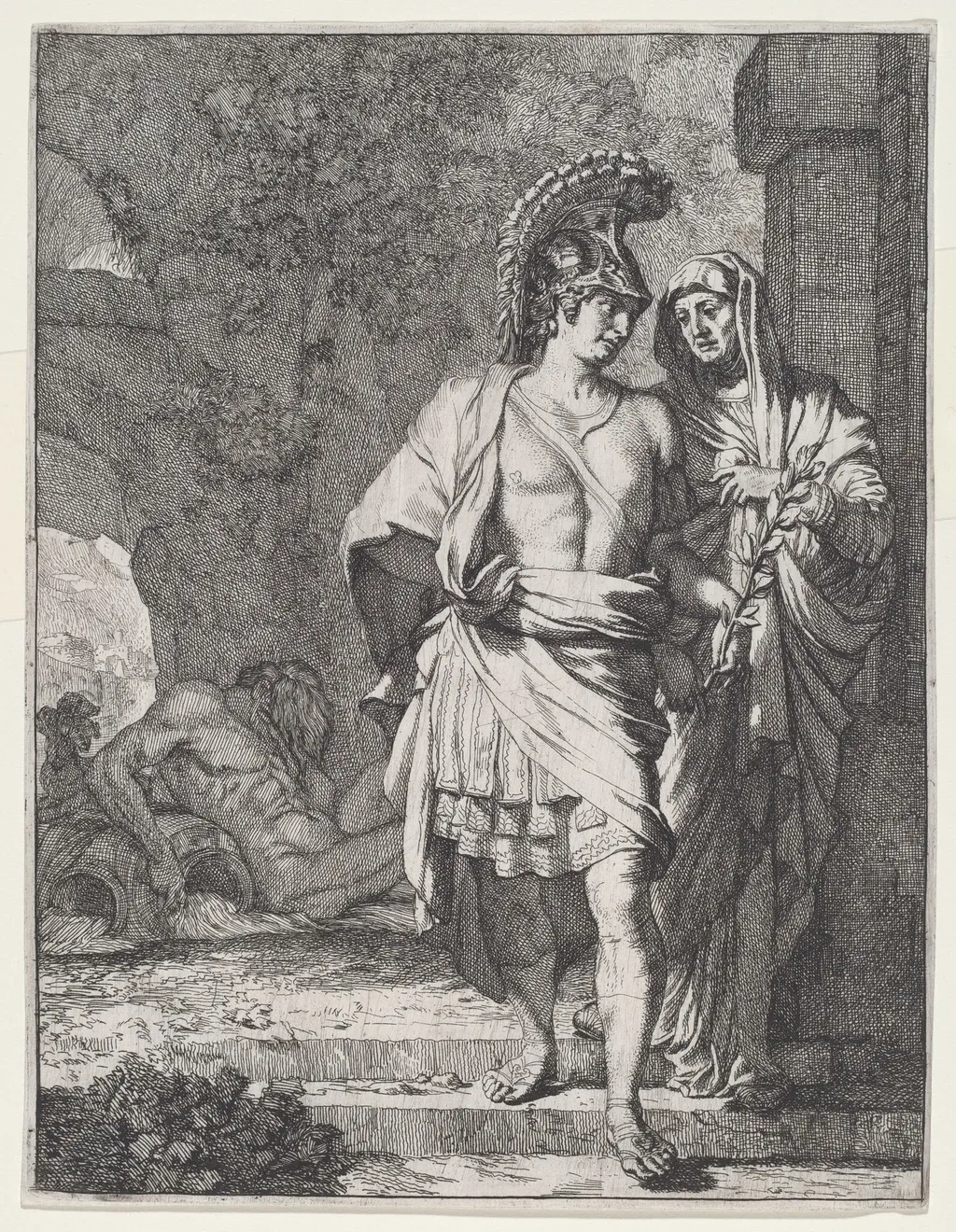
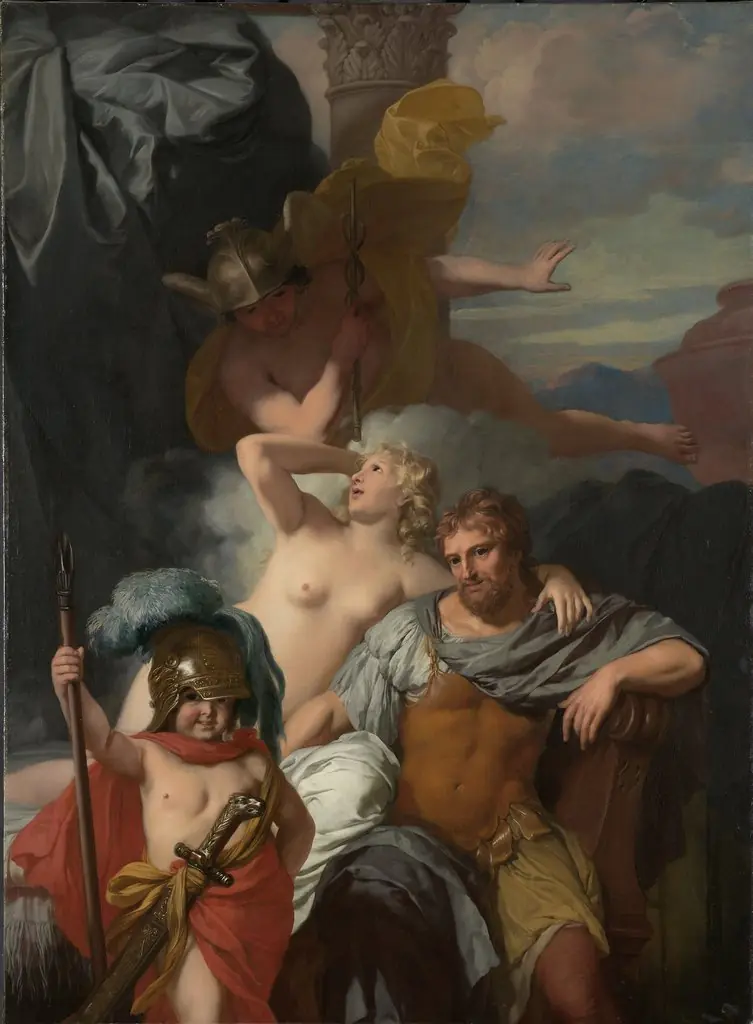
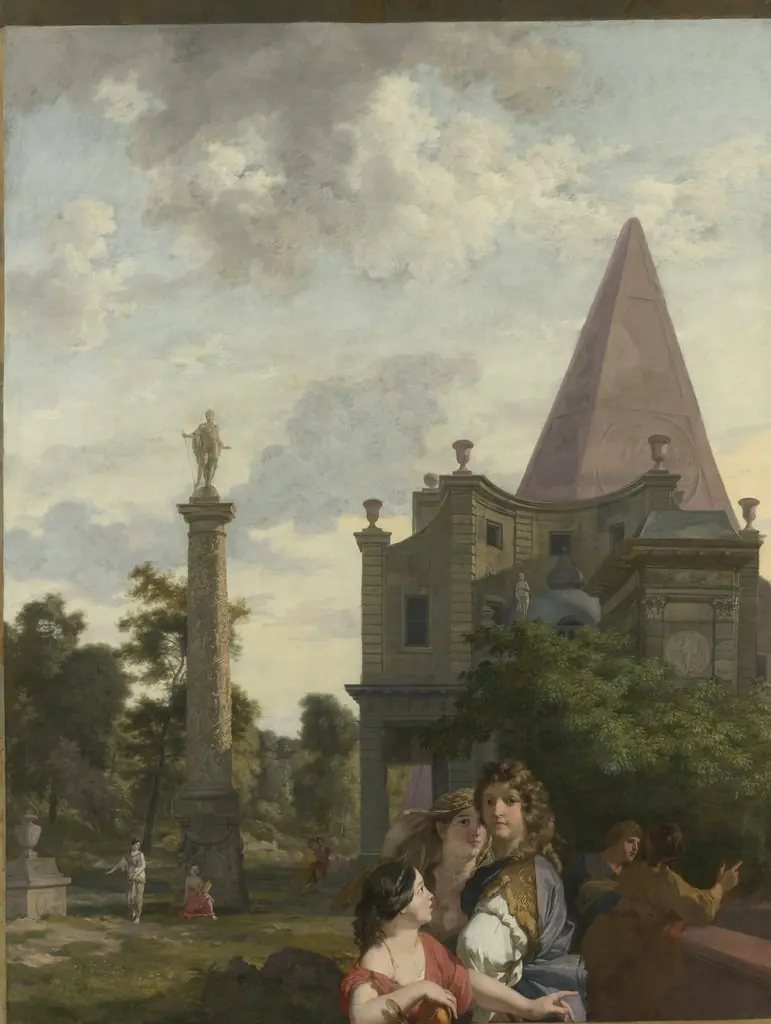
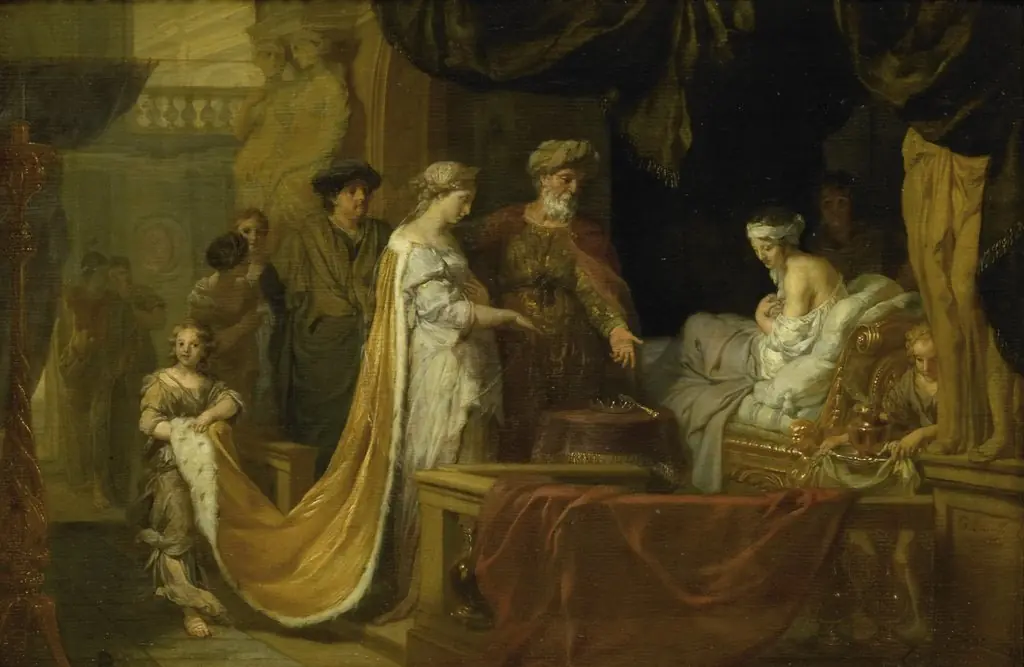
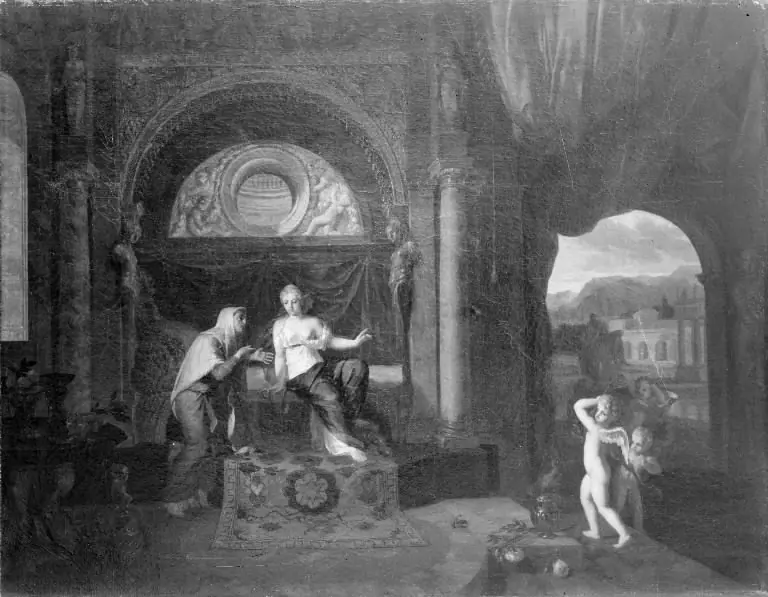
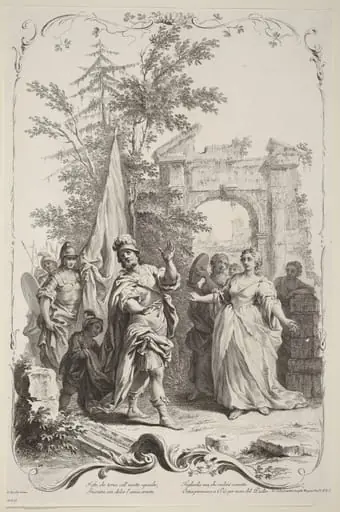
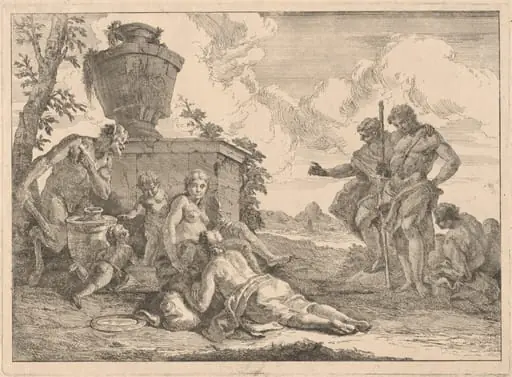
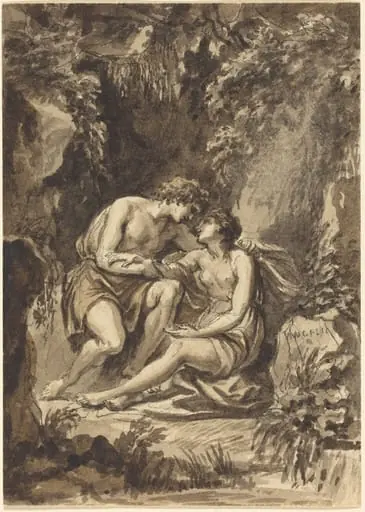
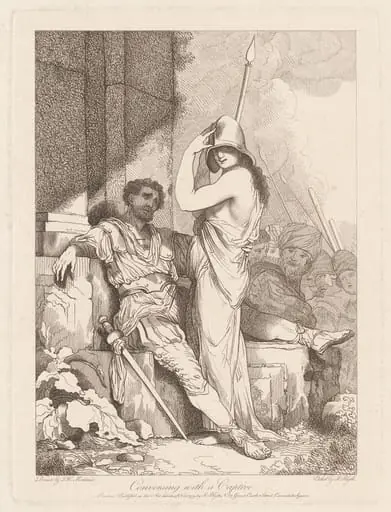
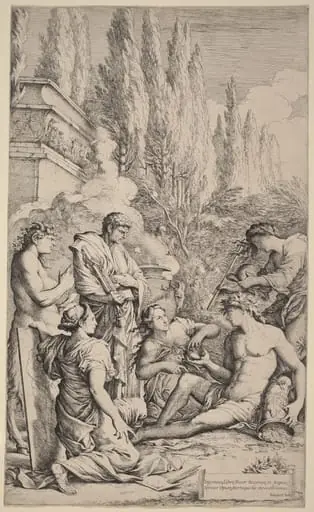
Aeneas and the Sibyl is an ink print by the Baroque artist Gerard de Lairesse. It dates from 1670 and is held in the collection of the National Gallery of Art.
About this work
Overview
Aeneas and the Sibyl is an etching on laid paper created by Dutch Golden Age artist Gerard de Lairesse around 1670. The work exemplifies his classical style, influenced by French classicism and literary sources.
Subject & Meaning
The etching illustrates a pivotal scene from Virgil’s Aeneid, where the Trojan hero Aeneas, guided by the Cumaean Sibyl (a priestess of Apollo), ventures into the underworld. The composition conveys the narrative’s solemnity and the Sibyl’s mystical guidance.
Technique & Style
Lairesse employed fine line engraving and chiaroscuro, a strong contrast between light and dark, achieved through meticulous shading. This technique imbues the dark, torch-lit rocky cave with dramatic depth, emphasizing the emotional intensity of the encounter.
History & Provenance
Created circa 1670, the etching belongs to a period following Rembrandt’s decline, during which Lairesse’s emphasis on geometric principles and structured composition rose to prominence in the Dutch art scene.
Context
Influenced by French classicists like Charles le Brun and Cesare Ripa, as well as playwrights Corneille and Racine, Lairesse’s work reflects the broader European classical revival of the late 17th century.
Legacy
While specific details on the etching’s direct impact are not provided, it contributes to Lairesse’s overall legacy as a multidisciplinary artist and theorist who helped shape the classical tradition in Dutch art.
Own this work as a print
Artist & collection
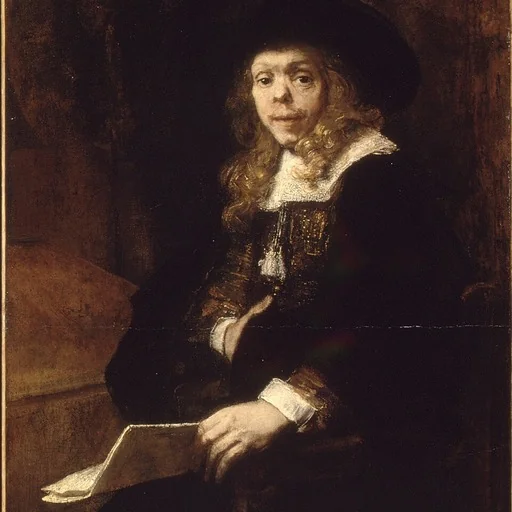
Artist
Gerard or Gérard (de) Lairesse (French pronunciation: ; 11 September 1641 – June 1711) was a Dutch Golden Age painter and art theorist.