Artwork
Bastion 49
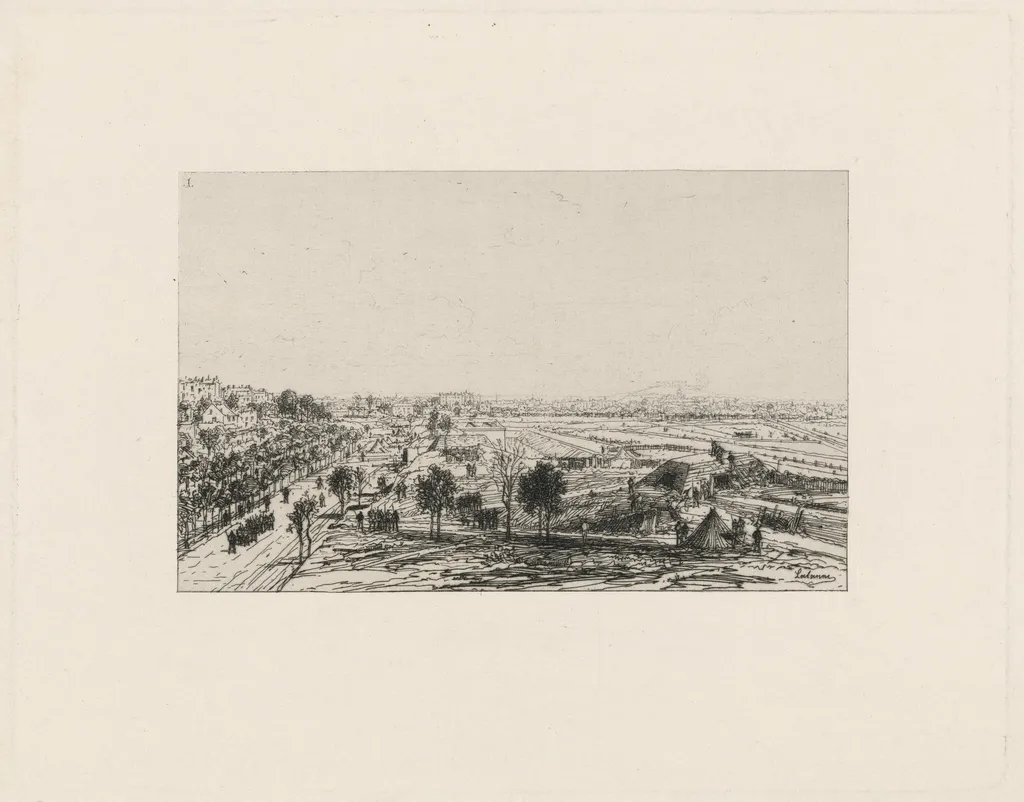
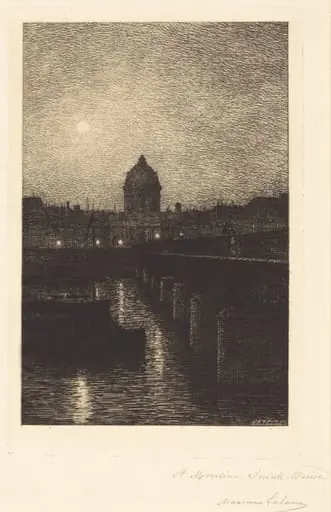
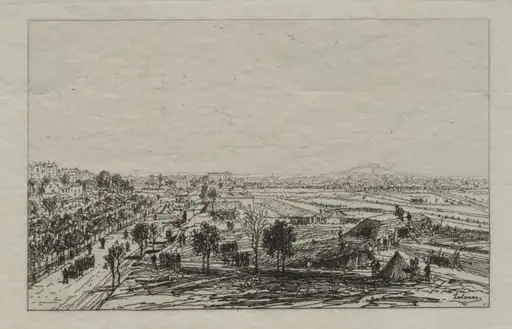
Bastion 49 is an ink print by the Impressionist artist Maxime Lalanne. It dates from 1871 and is held in the collection of the National Gallery of Art.
About this work
Overview
Created in 1871, *Bastion 49* is an etching on wove paper by French printmaker Maxime Lalanne, known for his skill in both etching and charcoal. The work is part of the National Gallery of Art’s collection in Washington, D.C., and exemplifies Lalanne’s interest in capturing contemporary urban and riverine life.
Subject & Meaning
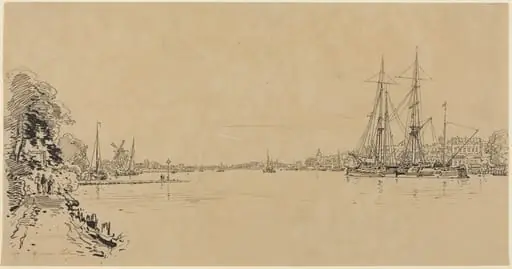
The print depicts a bustling riverside locale where tents, modest structures, and a winding path converge along the water’s edge. Figures traverse the scene, some strolling beneath leaf‑less trees, others congregating near the shore, while a distant cityscape rises over gentle hills, suggesting a temporary fair or market atmosphere.
Technique & Style
Lalanne employed swift, sketch‑like lines characteristic of early Impressionist sensibilities, using the acid‑etched metal plate to render fluid movement and nuanced light. The economy of line conveys both the immediacy of the crowd and the atmospheric quality of the river setting, while the wove paper surface enhances the print’s subtle tonal variations.
History & Provenance
Since its creation, *Bastion 49* has remained in the public domain, eventually entering the National Gallery of Art’s holdings. The acquisition reflects the museum’s broader effort to represent 19th‑century French printmaking and to preserve works that document everyday urban scenes of the period.
Artist & collection
Artist
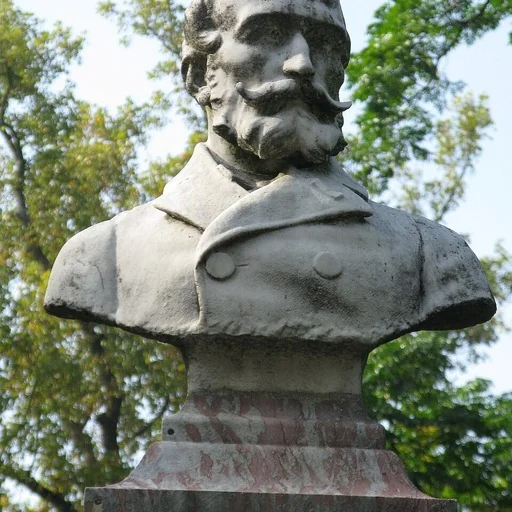
François Antoine Maxime Lalanne (November 27, 1827 – July 29, 1886) was a French artist known for his etchings and charcoal drawings (fusain).

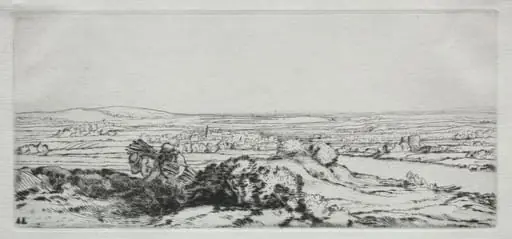 Valley of the Dunes (La Vallee des Dunes)
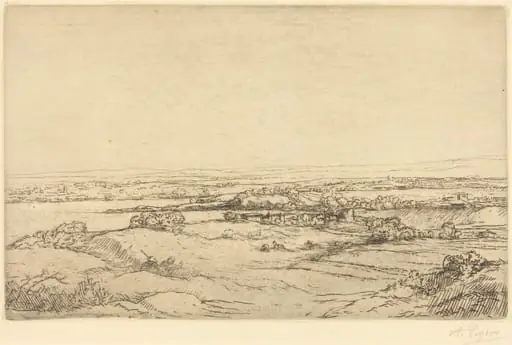 Plain near a Lake (La plaine pres du lac)
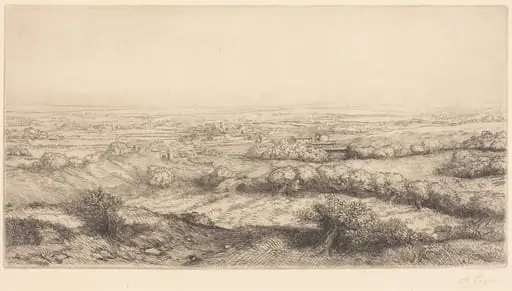 Valley in Bourgogne (Une vallee en Bourgogne)
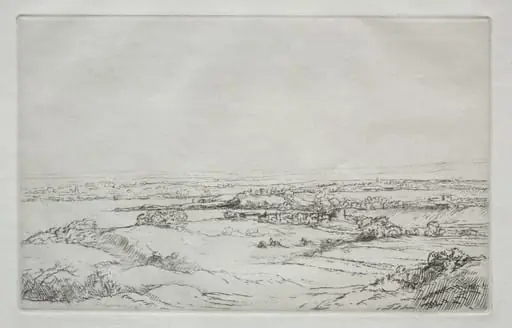 The Meadow near the Lake (La Plaine Près Du Lac)
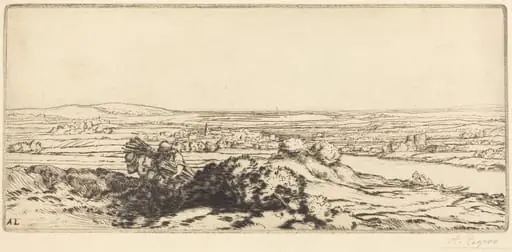 Valley of Dunes (La vallee des dunes)
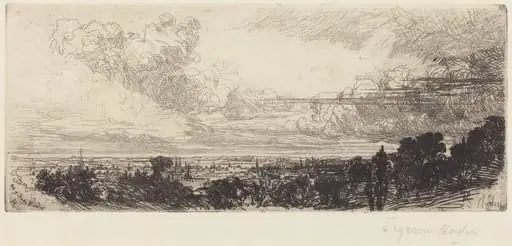 Out of Study Window
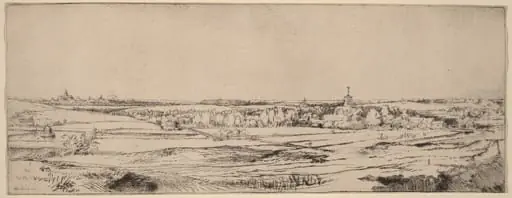 Landscape with a View toward Haarlem (The Goldweigher's Field)
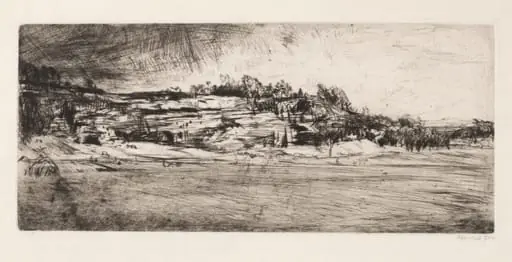 Spring at Cardross
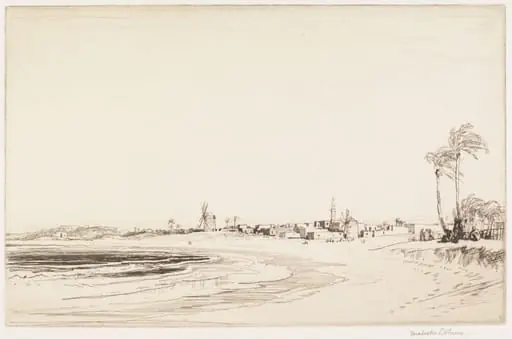 Montaza Bay
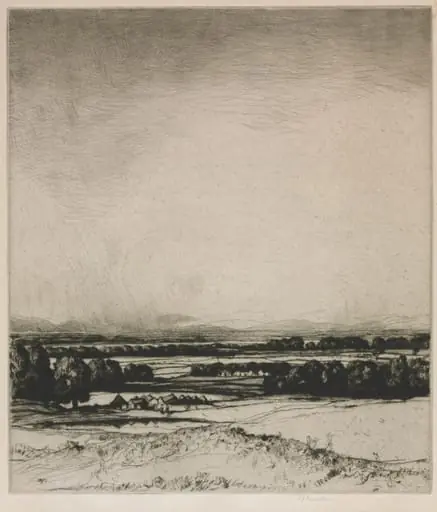 Valley of the Tay
 Village of Wimille, near Boulogne (Village de Wimille, pres Boulogne)
 Bastion 49