Artwork
Bastion 49
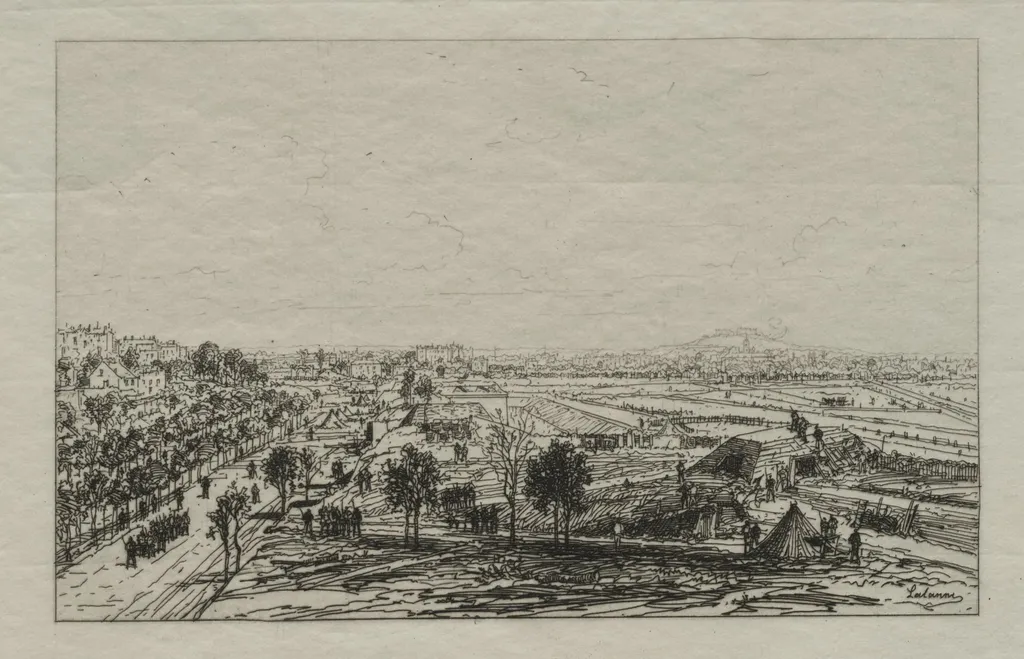
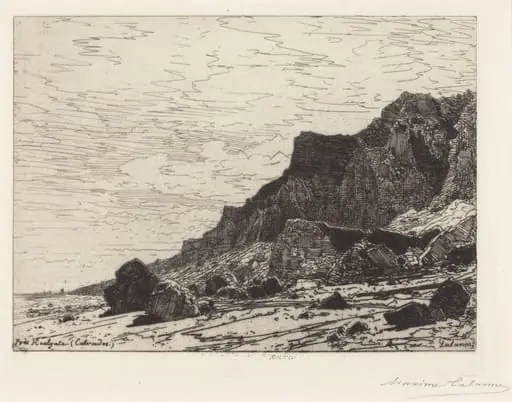
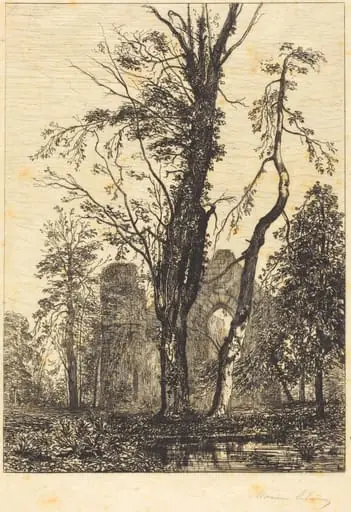
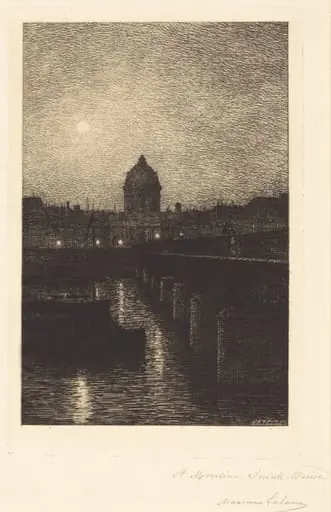
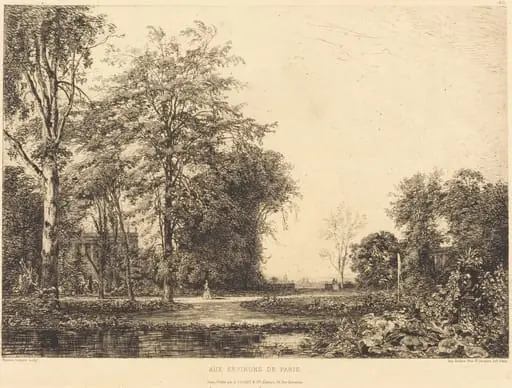
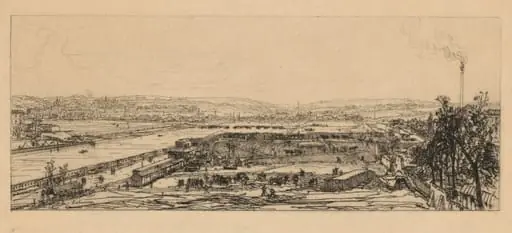
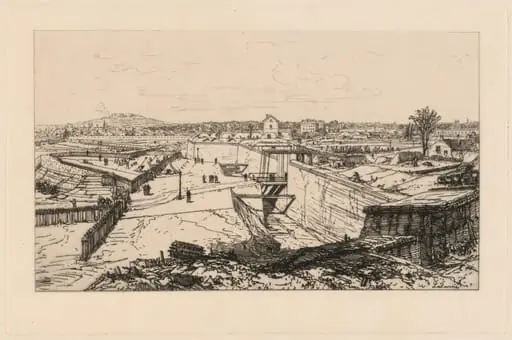
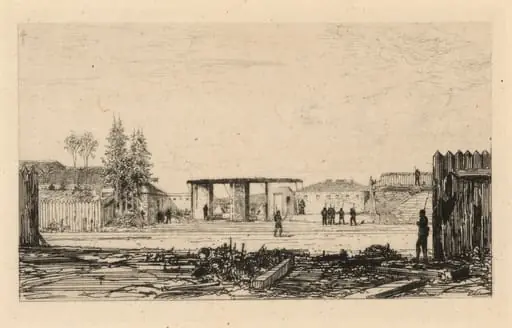
Bastion 49 is a print by the Impressionist artist Maxime Lalanne. It dates from 1870 and is held in the collection of the Cleveland Museum of Art.
About this work
Overview
Created during a period of intense political upheaval in France, the work reflects Lalanne’s focus on graphic precision and atmospheric detail.
Bastion 49 is an 1870 etching by French artist Maxime Lalanne, part of his broader engagement with topographical and military landscapes. Created during a period of intense political upheaval in France, the work reflects Lalanne’s focus on graphic precision and atmospheric detail. It resides in the collection of The Cleveland Museum of Art, where it contributes to the museum’s holdings of 19th-century European prints.
Subject & Meaning
The scene portrays a fortified military encampment nestled against a distant urban skyline. Tents and figures in the foreground suggest temporary occupation, while the architecture behind implies a settled city under siege or surveillance. The composition conveys quiet tension rather than action, emphasizing the coexistence of transient human presence and enduring urban structures, possibly reflecting the instability of the Franco-Prussian War era.
Technique & Style
Lalanne employed etching to achieve fine tonal gradations and intricate texture. He used controlled line work and cross-hatching to model forms, enhancing the sense of volume through subtle contrasts between light and shadow. The technique allows for both precision in architectural detail and softness in atmospheric elements, aligning with the graphic traditions of French printmaking that valued nuance over dramatic effect.
History & Provenance
Created in 1870, the work emerged during the Franco-Prussian War, a time when French artists frequently turned to landscape and urban scenes to document national experience. Lalanne, known for his topographical prints, likely drew from direct observation or military reports. The print entered The Cleveland Museum of Art’s collection through documented acquisition, preserving its place within the history of French graphic art.
Context
In 1870, France was engulfed in war, and artists like Lalanne documented the shifting landscape of military life. While not overtly political, Bastion 49 reflects the era’s preoccupation with fortifications, encampments, and the tension between civilian and military spaces. It aligns with a broader trend in French printmaking that favored quiet observation over heroic narrative.
Legacy
Lalanne’s work, including Bastion 49, helped sustain the tradition of etching as a medium for documentary and lyrical landscape expression in late 19th-century France. Though less widely known than his painterly contemporaries, his prints influenced later generations of printmakers interested in atmospheric realism and the quiet dignity of everyday scenes.
Artist & collection
Artist
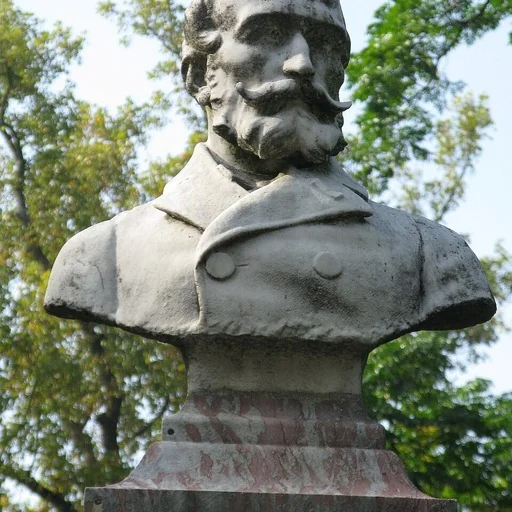
François Antoine Maxime Lalanne (November 27, 1827 – July 29, 1886) was a French artist known for his etchings and charcoal drawings (fusain).