Artwork
View of Orléans from the Loire
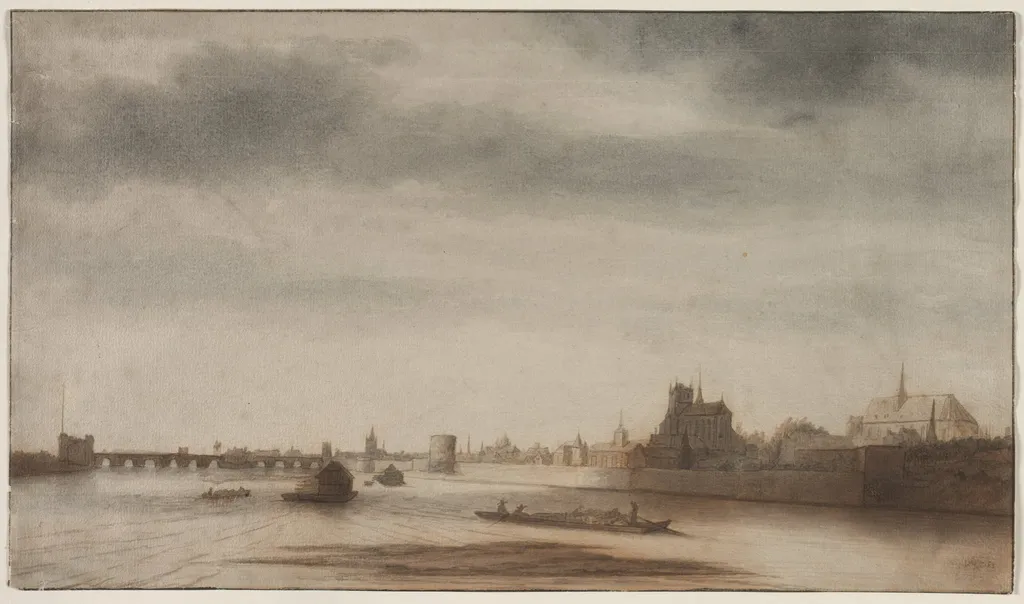
View of Orléans from the Loire is a drawing by the Baroque artist Lambert Doomer. It dates from 1670 and is held in the collection of the Cleveland Museum of Art.
About this work
Overview
Created around 1670, this pen-and-ink drawing by Lambert Doomer depicts the French city of Orléans as seen from the banks of the Loire River.
Created around 1670, this pen-and-ink drawing by Lambert Doomer depicts the French city of Orléans as seen from the banks of the Loire River. The work is part of the collection at The Cleveland Museum of Art and exemplifies the Dutch tradition of topographical landscape drawing. Its quiet composition captures a moment of stillness, with the river as the central axis and the urban skyline receding into the distance.
Subject & Meaning
The scene presents Orléans not as a bustling center of activity but as a composed, almost contemplative presence. The Loire dominates the foreground, its calm waters reflecting the muted sky. A single bridge connects the city to the far shore, suggesting connection without movement. The church’s steeple rises as the tallest structure, subtly signaling the spiritual and civic heart of the town without overt symbolism.
Technique & Style
Doomer employed fine pen lines and subtle washes to model form and atmosphere. The overcast sky is rendered with soft, graded ink tones, while architectural details are defined with precision yet restraint. Light is suggested through variations in line density rather than dramatic contrast, creating a muted depth that aligns with Northern European landscape conventions of the period, prioritizing observation over theatricality.
History & Provenance
The drawing entered the Cleveland Museum of Art’s collection in the 20th century, though its earlier ownership remains undocumented. It likely originated in Doomer’s personal sketchbook, made during his travels in France. As a Dutch artist active in the mid-17th century, Doomer was known for documenting foreign cities with accuracy, and this work reflects his practice of recording urban vistas during his journeys.
Context
In the decades following the Thirty Years’ War, Dutch artists frequently traveled through France, producing topographical drawings for private collectors and scholarly interest. Doomer’s work aligns with this trend, emphasizing geographical fidelity over romanticized embellishment. Unlike Italianate landscapes, this view avoids idealization, instead offering a measured, unadorned record of a French city’s silhouette against its river.
Legacy
This drawing contributes to a broader corpus of 17th-century Dutch topographical art that valued precision and quiet observation. While not widely exhibited, it remains a representative example of how artists documented urban environments with scholarly intent. Its preservation allows modern viewers to trace the visual record of Orléans before major 19th-century transformations, offering insight into early modern European cityscapes.
Artist & collection


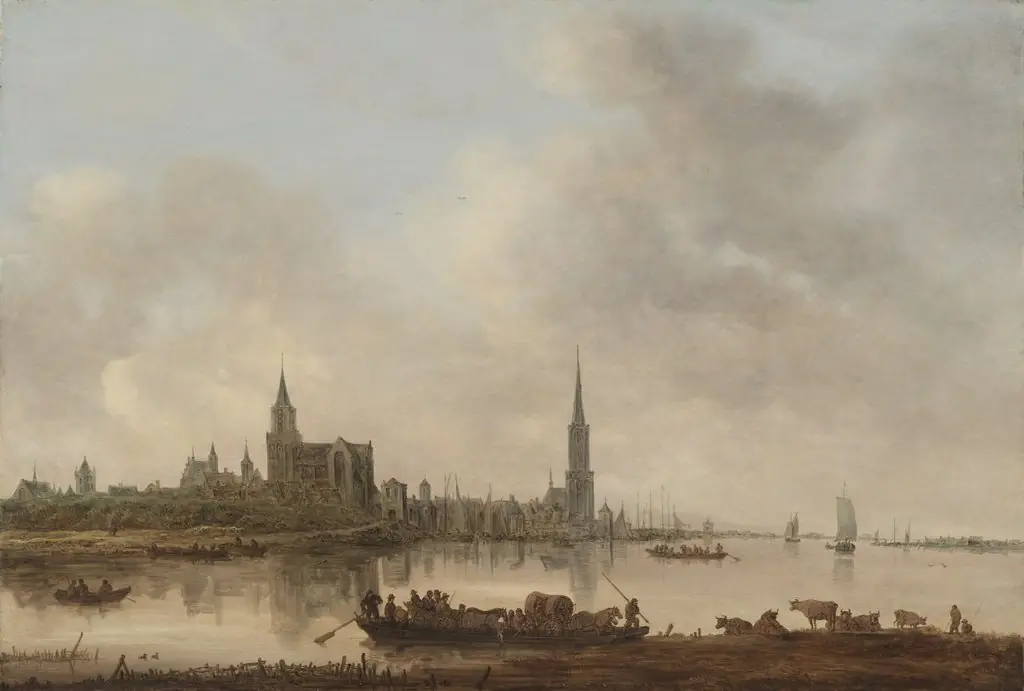 View of Emmerich
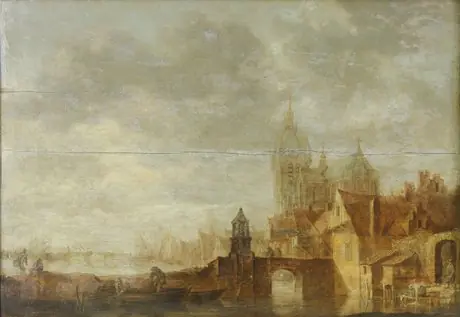 Dordrecht
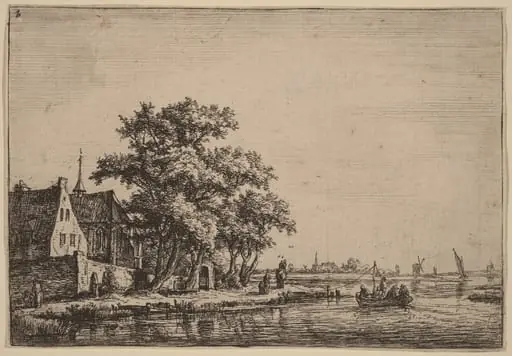 Churchyard at the Waterside
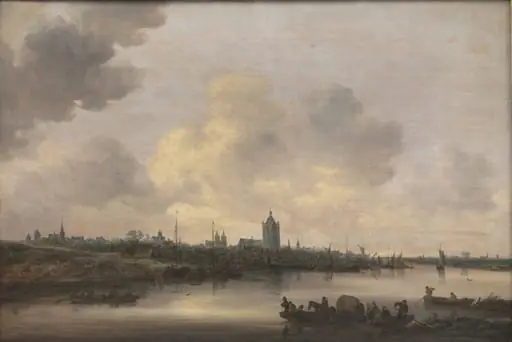 View of the City of Arnhem
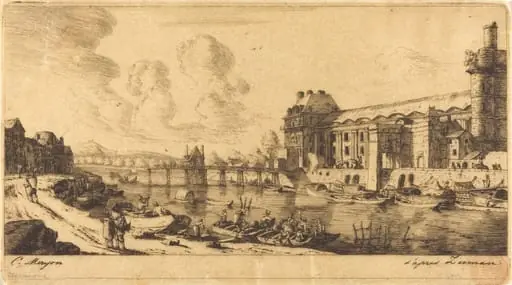 Le Pavillion de Mlle. et une partie du Louvre
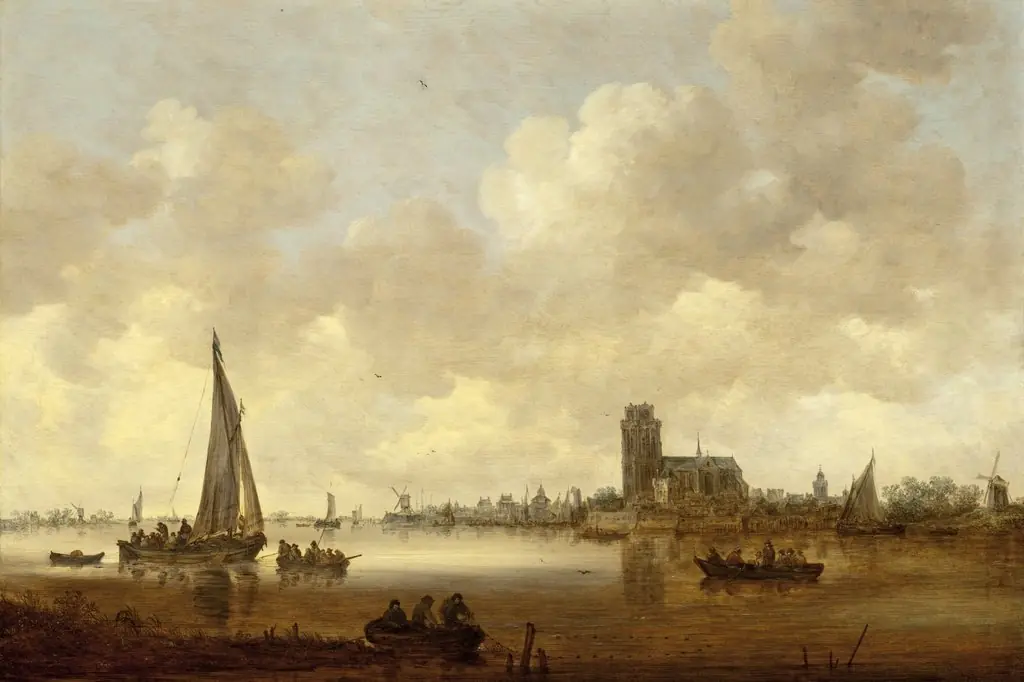 View of Dordrecht
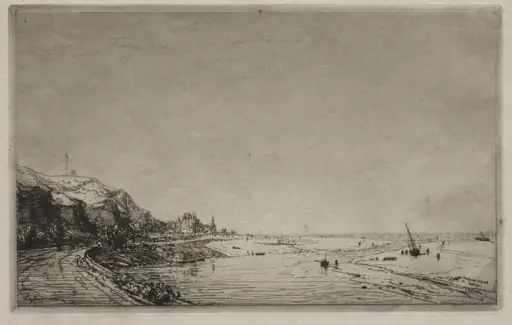 View from Port du Dives (Calvados)
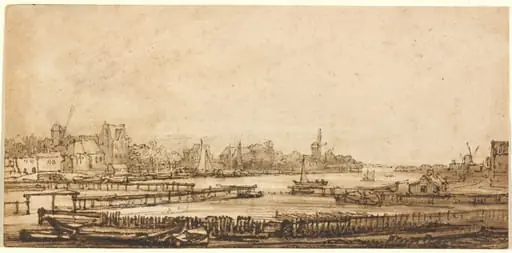 View over the Amstel from the Rampart
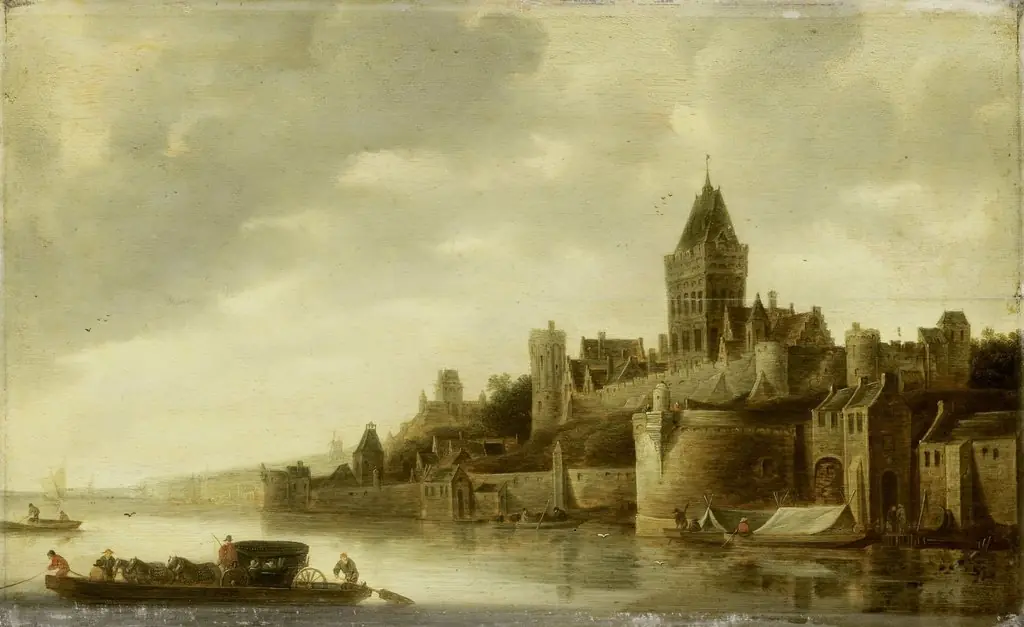 View of the Valkhof in Nijmegen
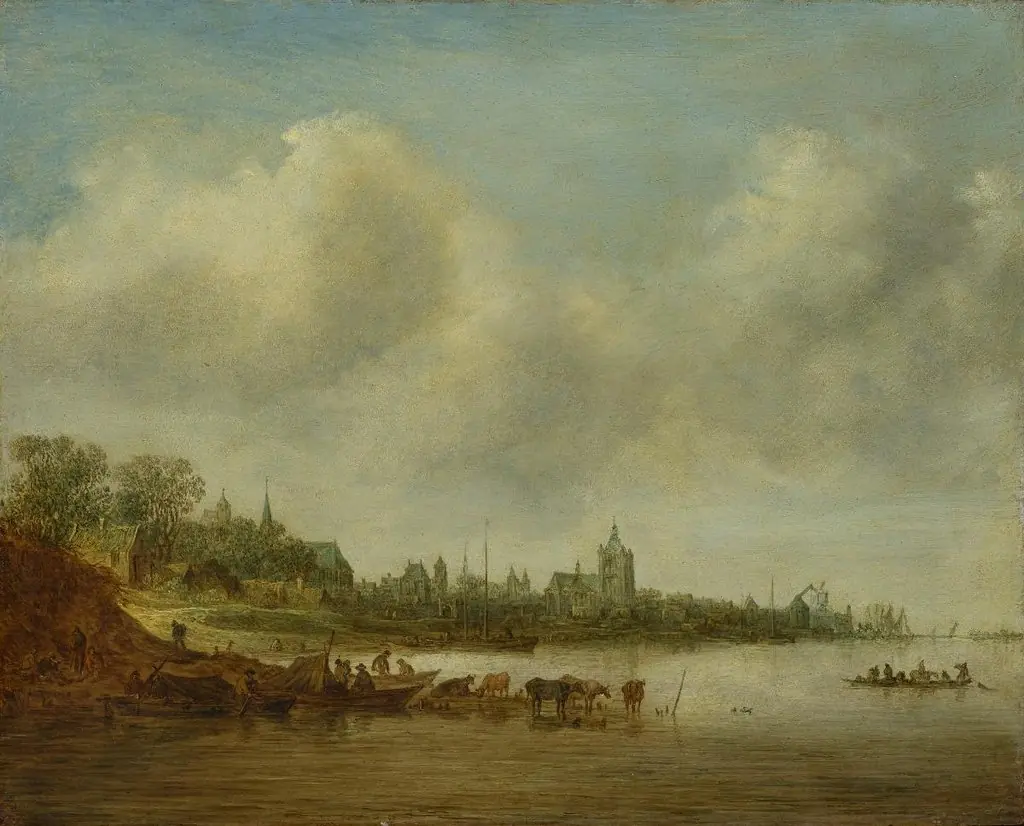 Blick über den Rhein auf Arnheim
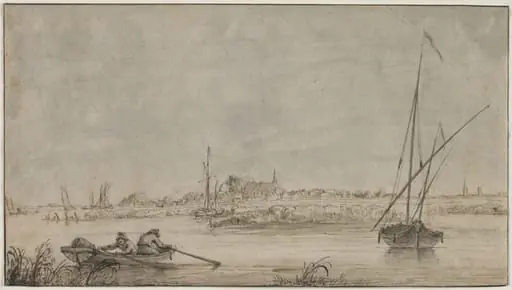 View of Dordrecht from the River
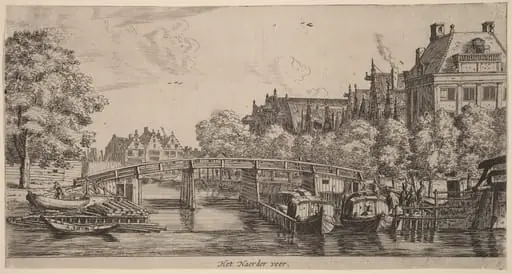 The Ferry to Naarden (Het Naerder veer)