Artwork
Interior at the University of Genoa
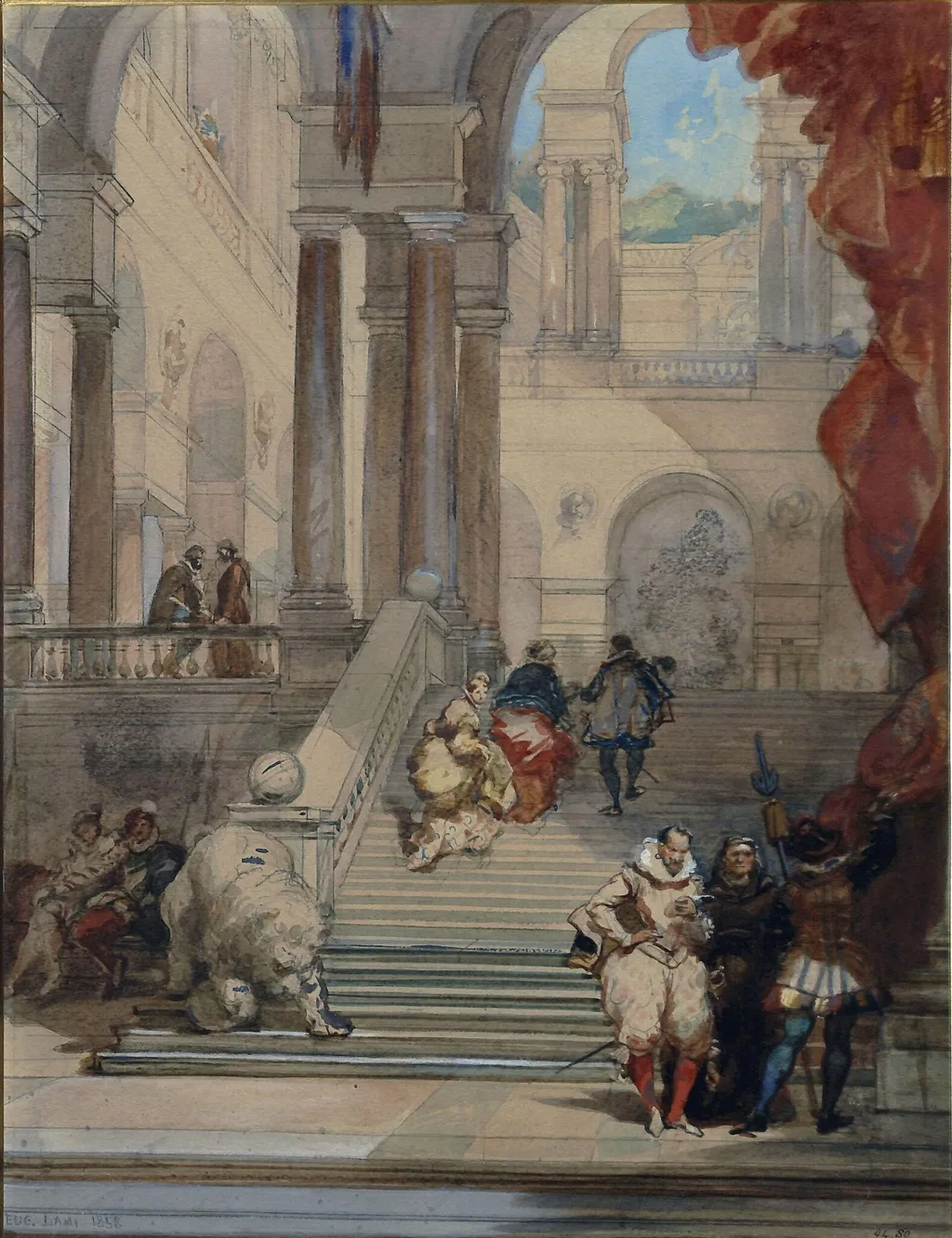
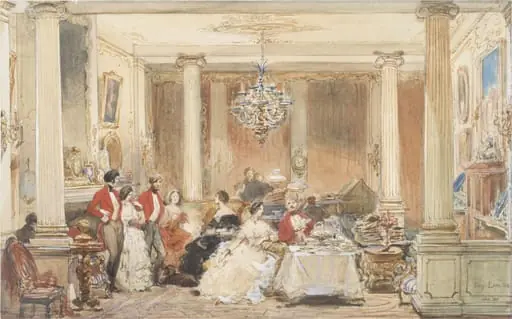
Interior at the University of Genoa is a watercolor work on paper by Lami. It dates from 1850 and is held in the collection of the Victoria and Albert Museum.
About this work
Overview
The medium’s transparency enhances the sense of atmosphere, grounding the image in a tangible, lived-in environment rather than an idealized setting.
Created in 1850, this watercolour by Lami captures a quiet moment within the University of Genoa’s courtyard. Rendered in delicate washes, the scene conveys the texture of aged stone, sunlit architecture, and the subtle interplay of light and shadow. The medium’s transparency enhances the sense of atmosphere, grounding the image in a tangible, lived-in environment rather than an idealized setting.
Subject & Meaning
The composition portrays ordinary university life: students and staff move through the space with quiet purpose, some resting on steps, others leaning on canes or carrying bundles. The presence of a crumbling wall and faded frescoes suggests the passage of time, framing the scene not as a monument but as a functioning, weathered institution. The figures’ casual postures emphasize routine over ceremony.
Technique & Style
Lami employed loose, fluid brushwork and muted tones to evoke the softness of daylight filtering through the courtyard. Watercolour’s inherent translucency allowed for layered washes that suggest the weathered surfaces of stone and plaster. Shadows are suggested rather than defined, and the sky is rendered with minimal pigment, reinforcing the airy, unforced quality of the moment captured.
History & Provenance
The work originates from Lami’s series documenting academic and civic architecture in northern Italy during the mid-19th century. It likely served as a record of institutional spaces before widespread photographic documentation. The piece entered the Victoria and Albert Museum’s collection in the late 19th century, where it remains part of a broader archive of European topographical watercolours.
Context
In the 1850s, watercolour was widely used by artists and scholars to document architectural details and daily life across Europe. Lami’s work aligns with a growing interest in recording the physical character of universities and public buildings, often as cultural heritage was being reevaluated during Italy’s unification period. This image reflects a shift toward observing the everyday rather than the monumental.
Legacy
Lami’s watercolour contributes to a visual archive of 19th-century academic life in Italy, offering insight into how institutions functioned beyond formal records. Its unembellished realism and attention to decay and routine distinguish it from more romanticized depictions of the era. Today, it remains a quiet testament to the rhythms of daily life within historic educational spaces.
Artist & collection
Artist
This artist left a quiet record of 19th-century life in watercolor, mostly scenes of British soldiers and buildings.

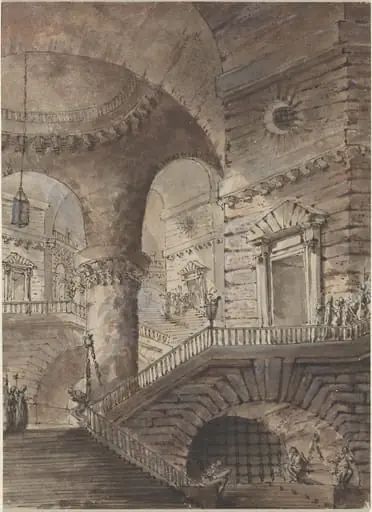 Roman Prison
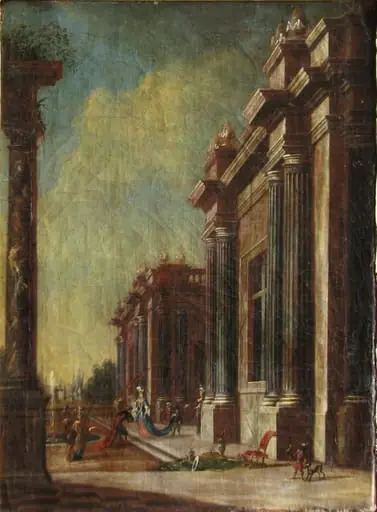 Clădire cu coloane în ordin doric ; pandant: Clădire cu coloane în ordin toscan
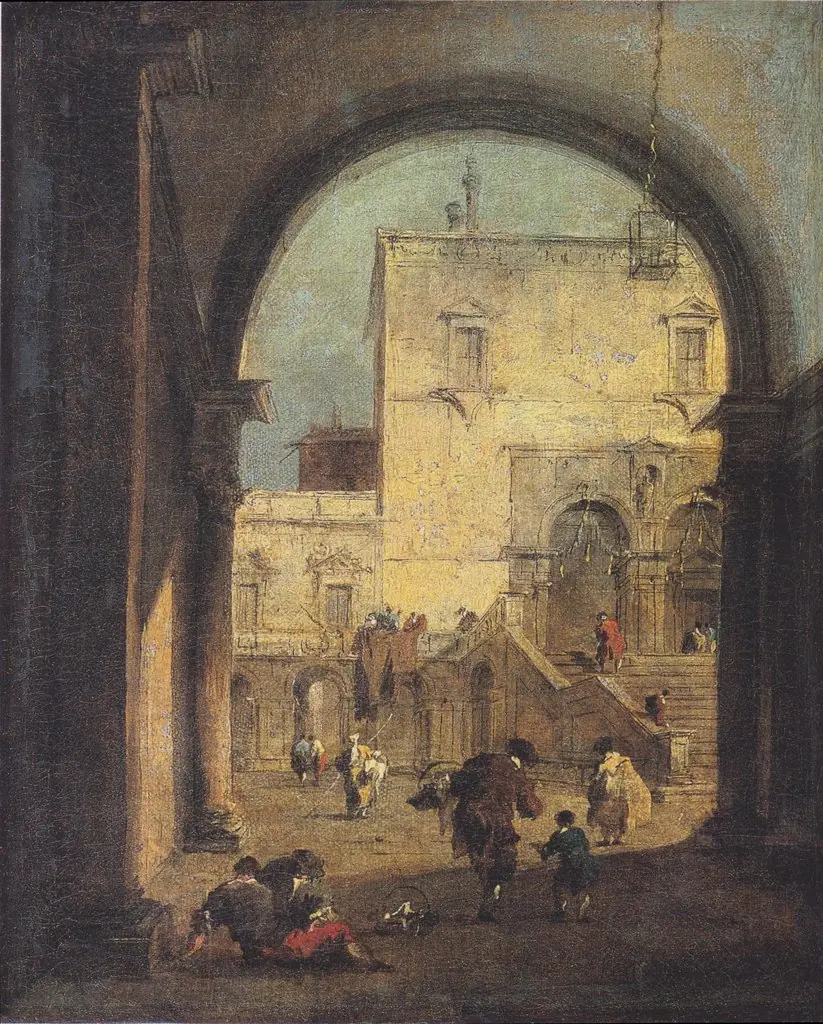 Venetian Capriccio: View of a Square and a Palace
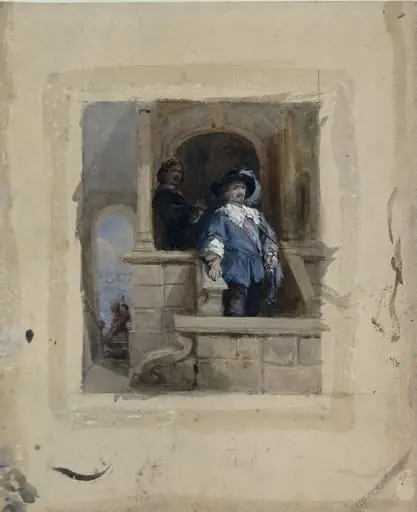 Sir Thomas Wentworth (afterwards Earl of Stafford) and John Pym at Greenwich 1628
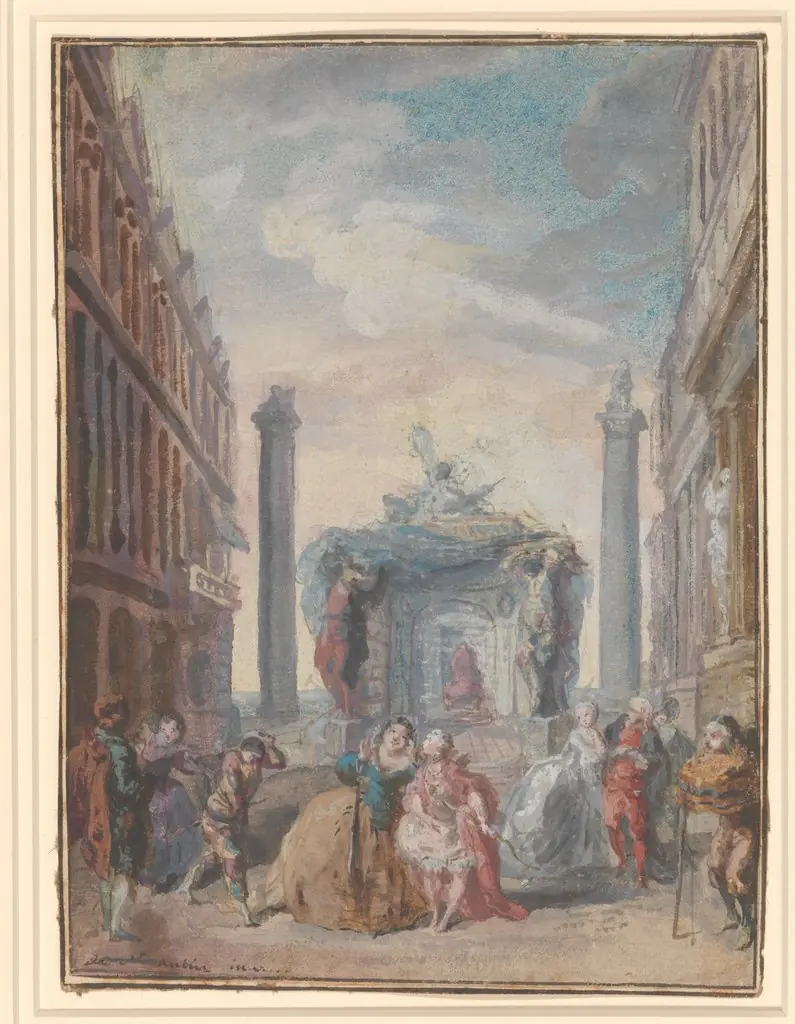 Les fêtes vénitiennes
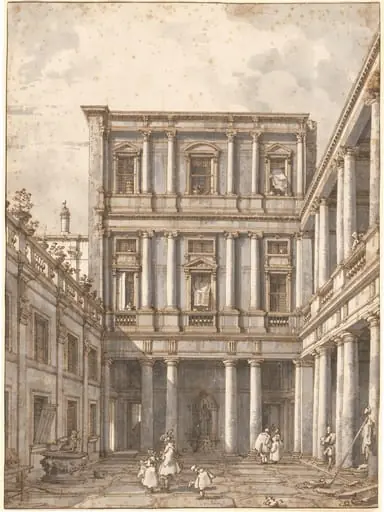 A Venetian Courtyard, in the Procuratie Nuove
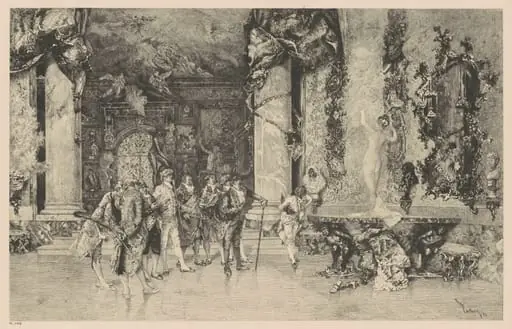 The Choice of a Model
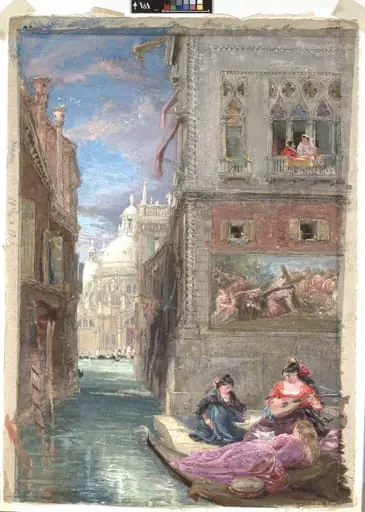 Canal at Venice
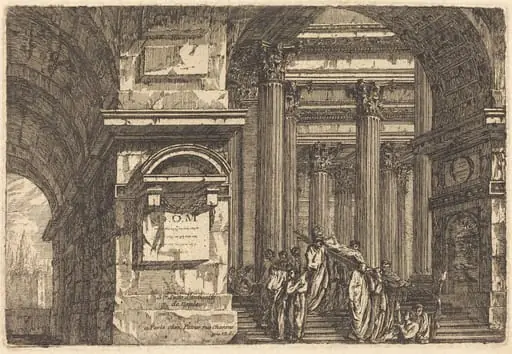 Funeral Scene in Imaginary Architecture
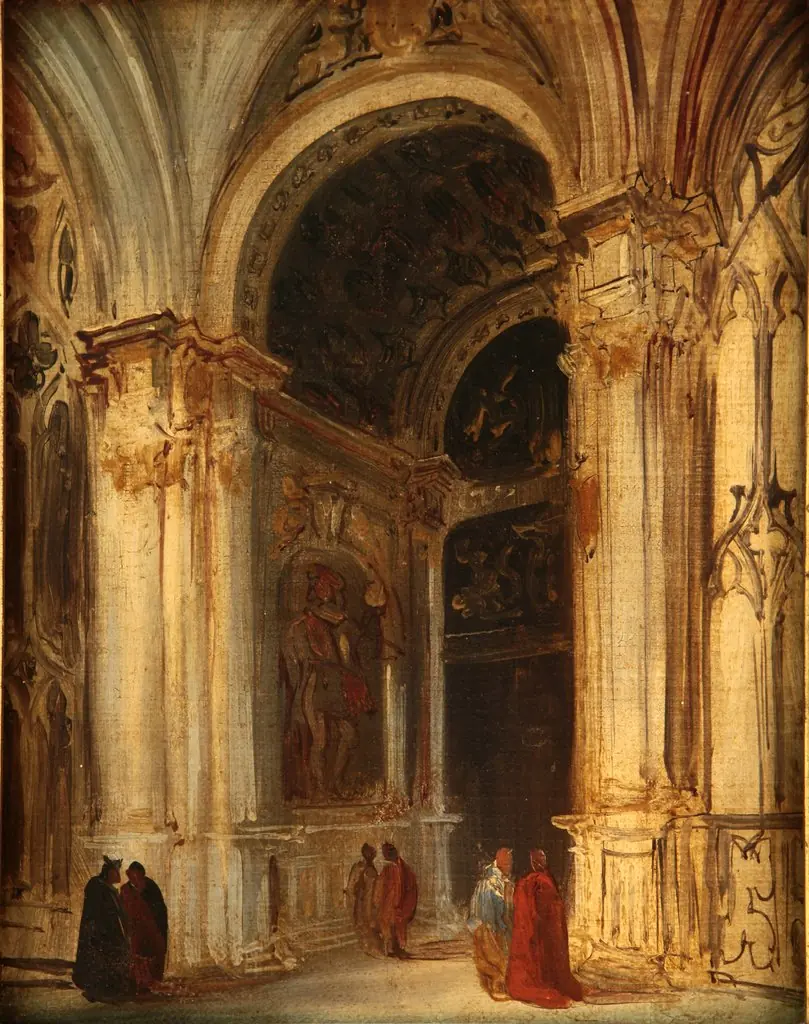 Interior de iglesia
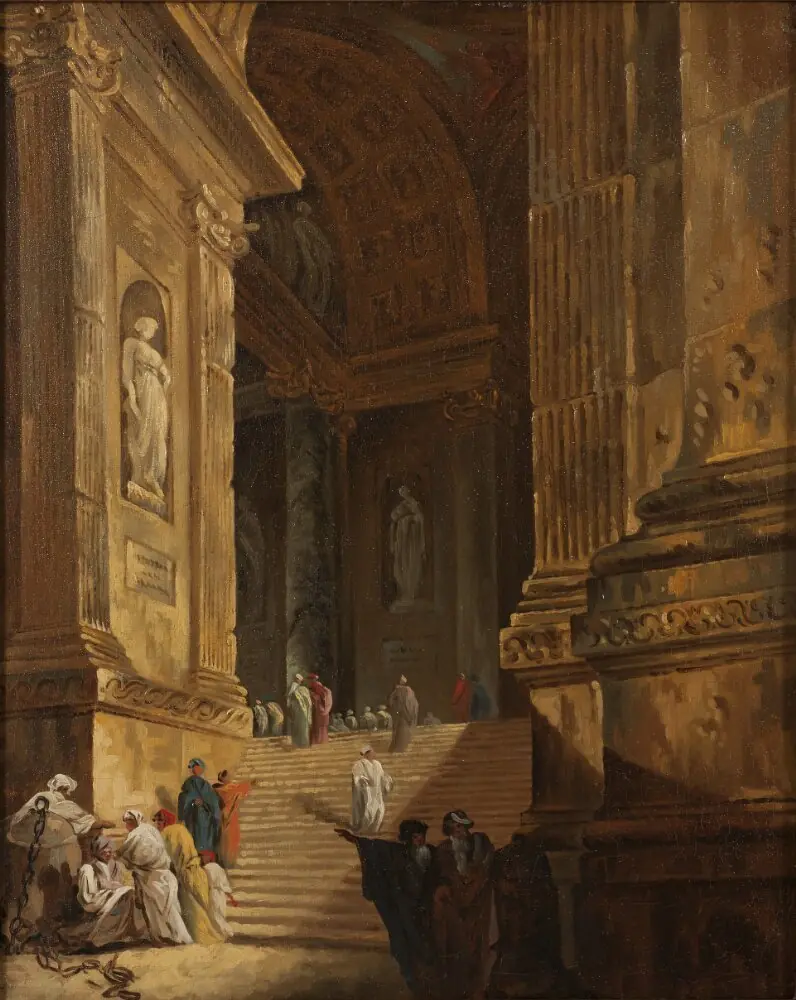 A Temple Staircase. Piece of Architecture
 The Parable of the Publican and the Pharisee