Artwork
Venus Aphrodite, by Alcamanes
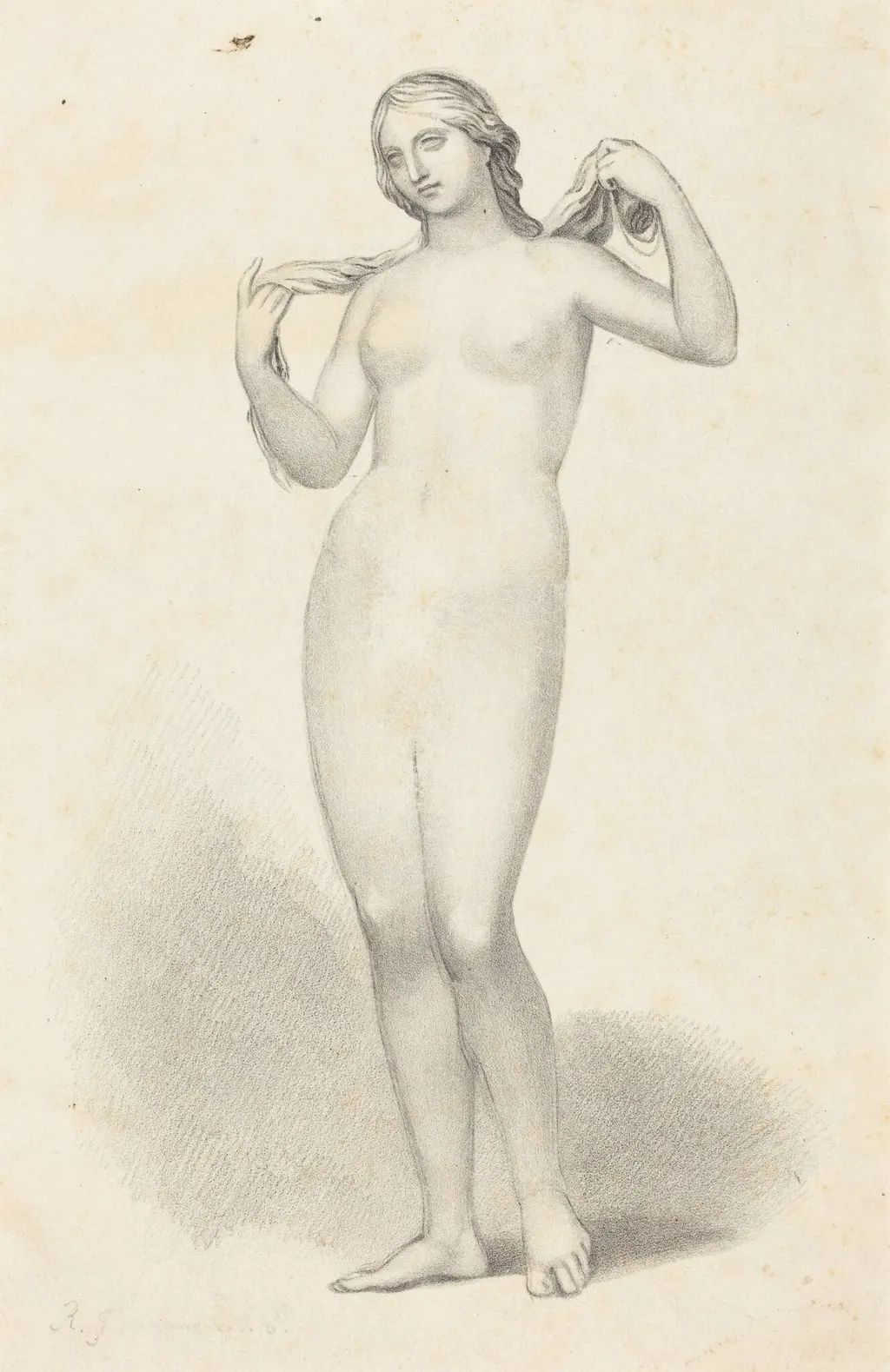
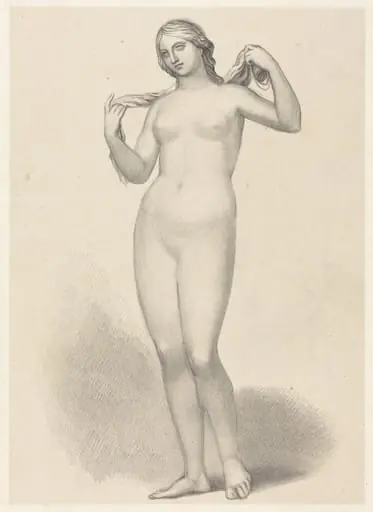
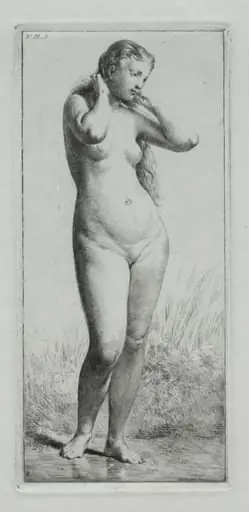
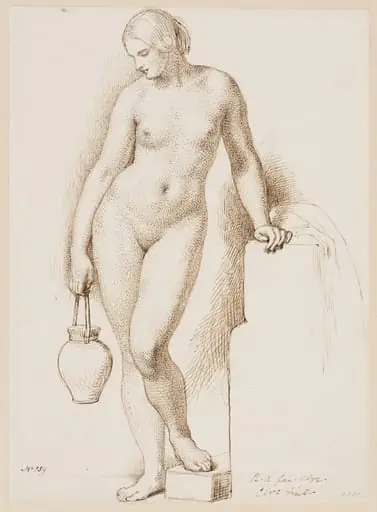
Venus Aphrodite, by Alcamanes is an ink print by the Romanticist artist Richard James Lane. It dates from 1829 and is held in the collection of the National Gallery of Art. Created in 1829, the lithographic proof titled *Venus Aphrodite* presents a single nude figure rendered in a calm, poised stance.
About this work
Overview
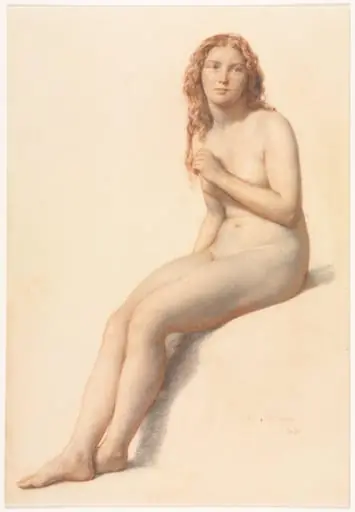
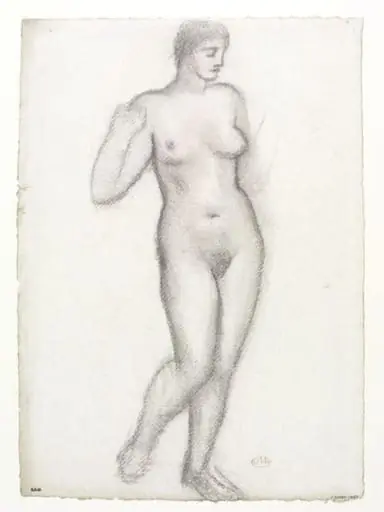
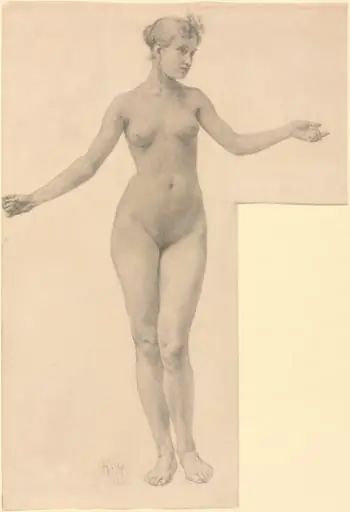
Created in 1829, the lithographic proof titled *Venus Aphrodite* presents a single nude figure rendered in a calm, poised stance. The composition centers on a woman whose head is slightly inclined, her hands resting lightly on her hair, while her gaze meets the viewer directly. A muted background recedes, allowing the figure’s form to dominate the visual field.
Subject & Meaning
The work interprets the classical goddess Venus, embodying ideals of beauty and serenity associated with the deity. The subject’s relaxed posture and subtle smile suggest an inner tranquility, aligning with Romantic-era interests in emotion and the sublime. By presenting the figure without adornment, the image emphasizes the timeless, universal qualities attributed to the goddess of love.
Technique & Style
The restrained palette and emphasis on atmosphere reflect the Romantic aesthetic prevalent in early nineteenth‑century printmaking.
Executed as a lithographic proof before the addition of lettering, the image showcases Richard James Lane’s skill in drawing and tonal variation within the medium. Fine line work defines the contours of the body, while delicate shading creates a sense of volume and softness. The restrained palette and emphasis on atmosphere reflect the Romantic aesthetic prevalent in early nineteenth‑century printmaking.
History & Provenance
The print was produced by British lithographer Richard James Lane, a noted practitioner of the craft in the 1820s. As a proof prior to final lettering, it represents an intermediate stage in the work’s production, offering insight into Lane’s process. The piece has been catalogued among Lane’s mythological series, though specific ownership records beyond its creation are limited.
Artist & collection