Artwork
Henry II, Duke of Montmorency
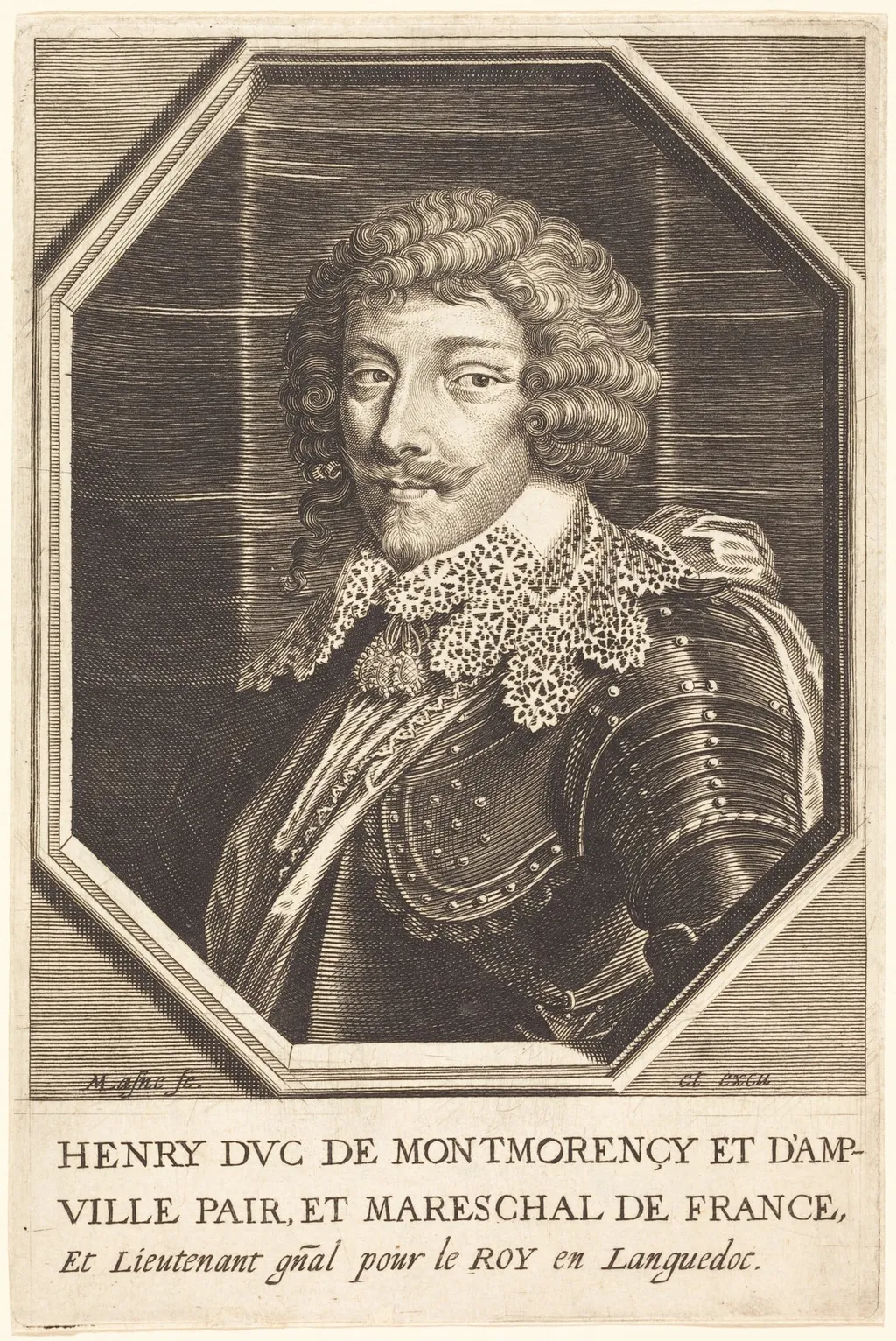
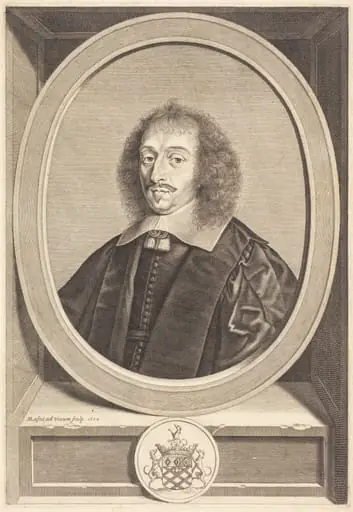
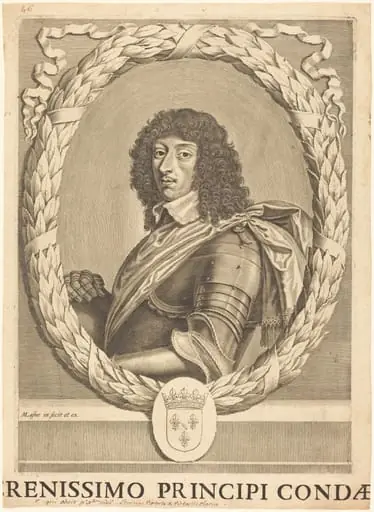
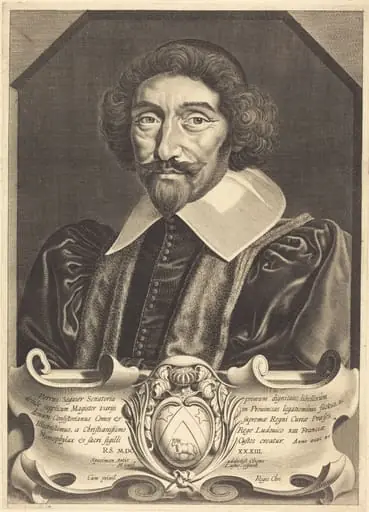
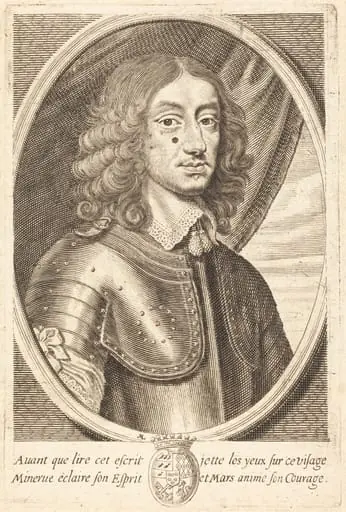
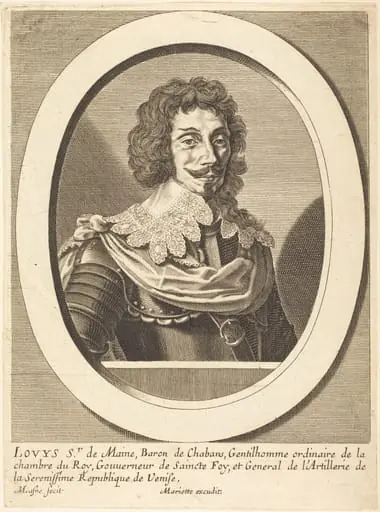
Henry II, Duke of Montmorency is an ink print by the Renaissance artist Michel Lasne. It dates from 1628 and is held in the collection of the National Gallery of Art.
About this work
Overview
This 1628 engraving, executed on laid paper, presents Henry II, Duke of Montmorency, a French nobleman and marshal of France.
This 1628 engraving, executed on laid paper, presents Henry II, Duke of Montmorency, a French nobleman and marshal of France. Rendered in black and white, the portrait concentrates on the sitter’s face, curly hair and moustache, and his elaborate attire, which includes a lace collar and a ruffled, button‑fastened shirt. The plain background isolates the figure, emphasizing his status and demeanor.
Technique & Style
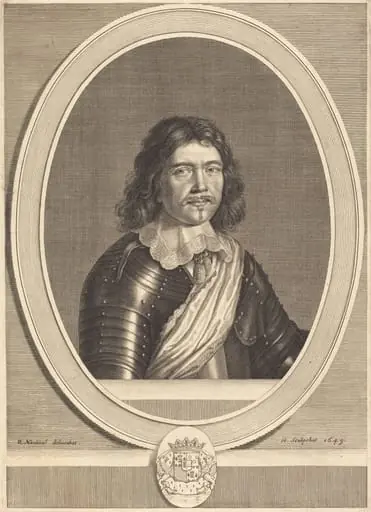
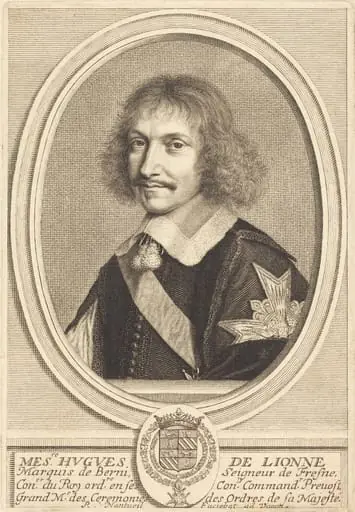
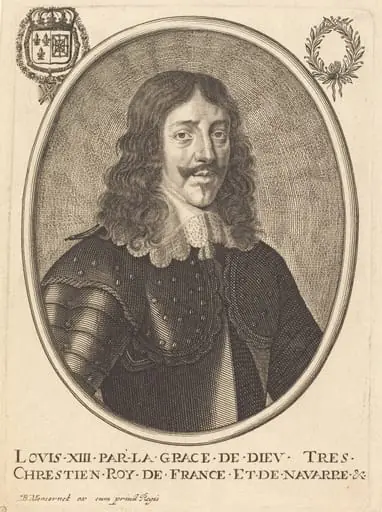
The image was produced with a burin, a steel cutting tool that incises fine lines into the copper plate. Lasne’s hand creates a network of sharp shadows and delicate textures, especially in the lacework and fabric folds. The engraving’s linear precision and controlled chiaroscuro reflect the French printmaking conventions of the early seventeenth century.
Context
Michel Lasne, born near Caen around 1590, trained in Antwerp under Peter Paul Rubens and Anthony van Dyck before establishing a workshop in Paris by 1621. By the early 1630s he served as official engraver to King Louis XIII, a position that involved producing portrait prints of leading political and military figures, such as the Duke of Montmorency.
Artist & collection
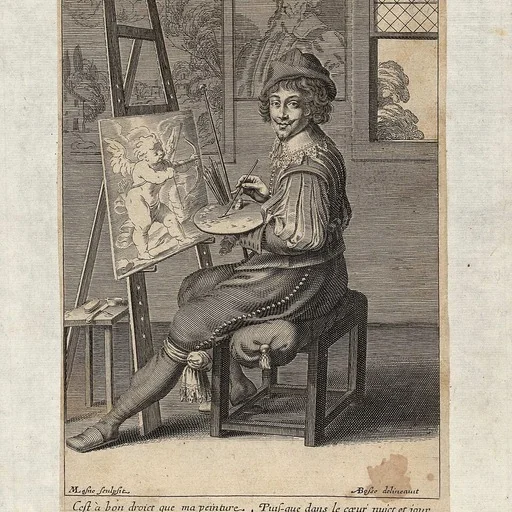
Artist
Michel Lasne (Caen, ca. 1590–4 December 1667, Paris), was a French engraver, draughtsman and collector. Lasne was born in Caen and was the son of a goldsmith. He was a member of the Guild of Saint Luke in Antwerp for…