Artwork
Panthea, Cyrus, and Araspas
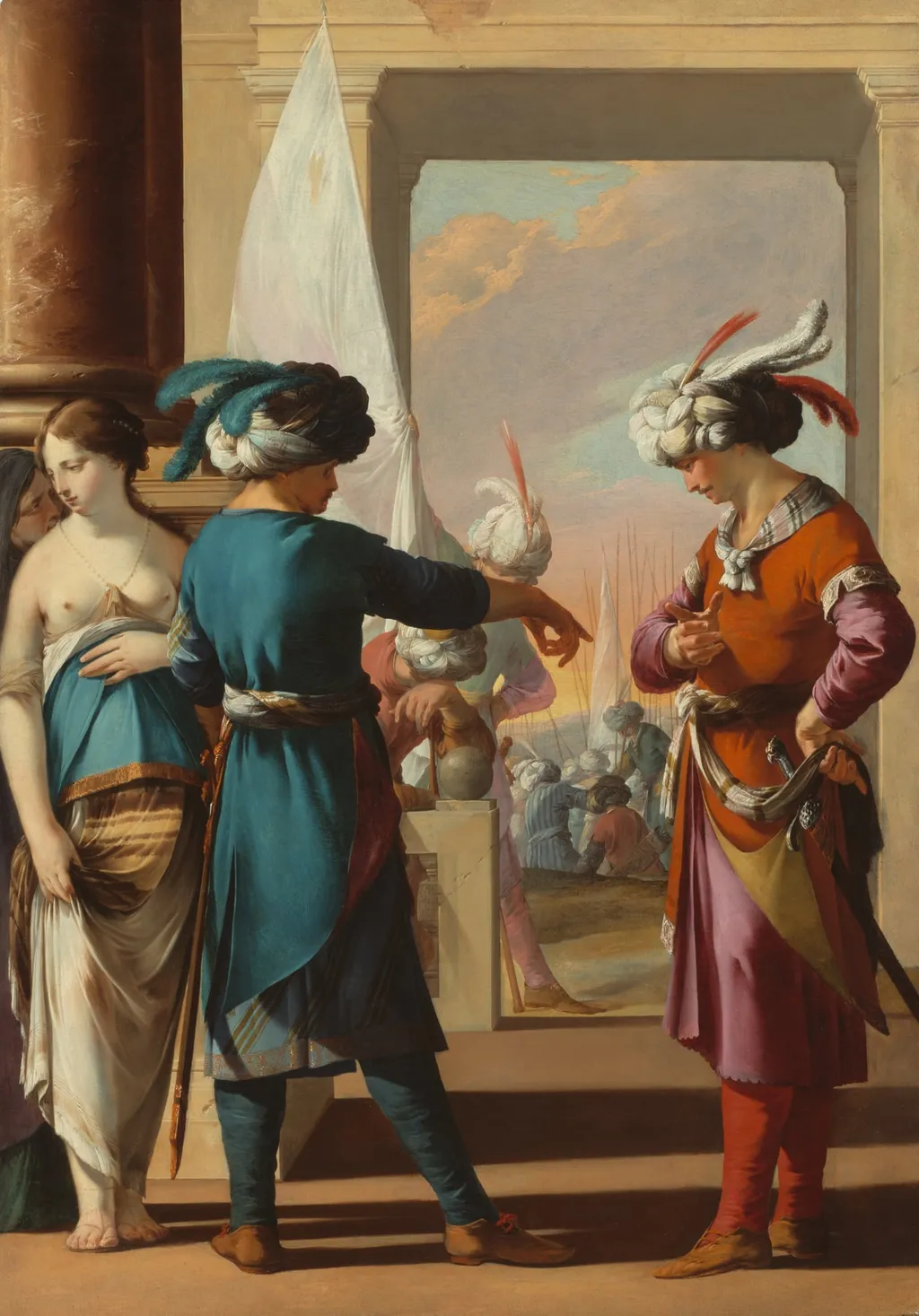
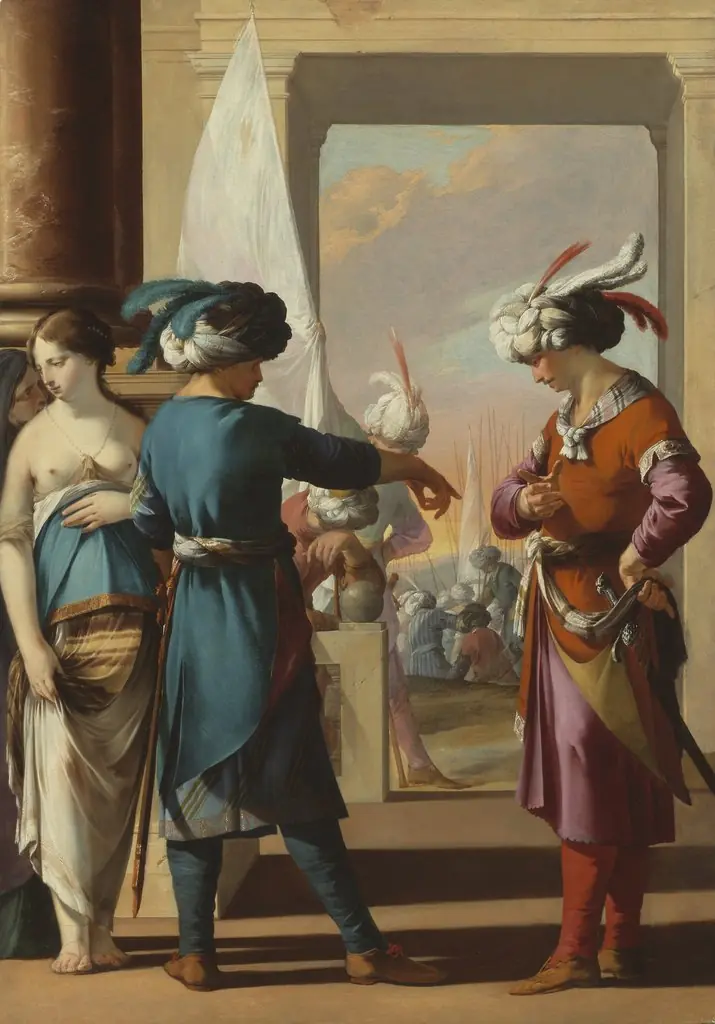
Panthea, Cyrus, and Araspas is an oil painting by the Baroque artist Laurent de La Hyre. It dates from 1632 and is held in the collection of the Art Institute of Chicago.
About this work
Overview
Three figures—Cyrus, Araspas, and Panthea—are arranged to suggest tension between duty and desire, with no overt action but clear psychological weight.
Laurent de La Hyre’s oil on canvas depicts a moment from the ancient tale of Panthea, queen of Babylon, captured by Cyrus the Great. One of only two surviving panels from a larger narrative series, the painting captures a quiet, introspective scene within a military tent. Three figures—Cyrus, Araspas, and Panthea—are arranged to suggest tension between duty and desire, with no overt action but clear psychological weight.
Subject & Meaning
The scene portrays Cyrus, clad in blue, deliberately averting his gaze from the captured Panthea, prioritizing state affairs over personal attraction. His companion Araspas, dressed in red, is shown in a posture of quiet admiration, foreshadowing his later emotional entanglement. The composition isolates the moment before passion disrupts loyalty, framing the conflict between public responsibility and private longing as a moral dilemma rather than a dramatic spectacle.
Technique & Style
La Hyre employs restrained chiaroscuro to model form and direct attention, with soft transitions between light and shadow rather than stark contrasts. The figures are rendered with classical poise, their gestures subtle and controlled. The tent’s interior is suggested through minimal architectural cues, emphasizing psychological space over environmental detail. Color is used symbolically: blue for restraint, red for passion, and muted tones for the queen’s quiet dignity.
History & Provenance
The painting was likely created in the 1630s as part of a decorative cycle for a private Parisian residence, possibly a reception room or cabinet. It belonged to a series illustrating episodes from Xenophon’s Cyropaedia, a classical text admired by French humanists. Only two panels from the original set survive today, with this one held in a public collection since the 19th century, its earlier ownership tracing to French aristocratic patrons.
Context
La Hyre’s work reflects the French 17th-century fascination with classical antiquity and moral narratives drawn from historical texts. The story of Panthea and Araspas resonated with contemporary ideals of stoic leadership and the dangers of unchecked emotion. Such themes aligned with courtly culture, where political decorum and personal restraint were prized, making the subject suitable for elite domestic spaces seeking intellectual refinement.
Legacy
Though less widely known than his contemporaries, La Hyre’s series contributed to the development of French narrative painting in the pre-Classical era. His restrained approach to emotion and emphasis on psychological nuance influenced later artists exploring moral ambiguity in historical subjects. The survival of only two panels underscores the fragility of such decorative cycles, making this work a rare witness to a broader artistic project now largely lost.
Artist & collection
Artist
Laurent de La Hyre (French pronunciation: ; 27 February 1606 – 28 December 1656) was a French Baroque painter, born in Paris. He was a leading exponent of the neoclassical style of Parisian Atticism.

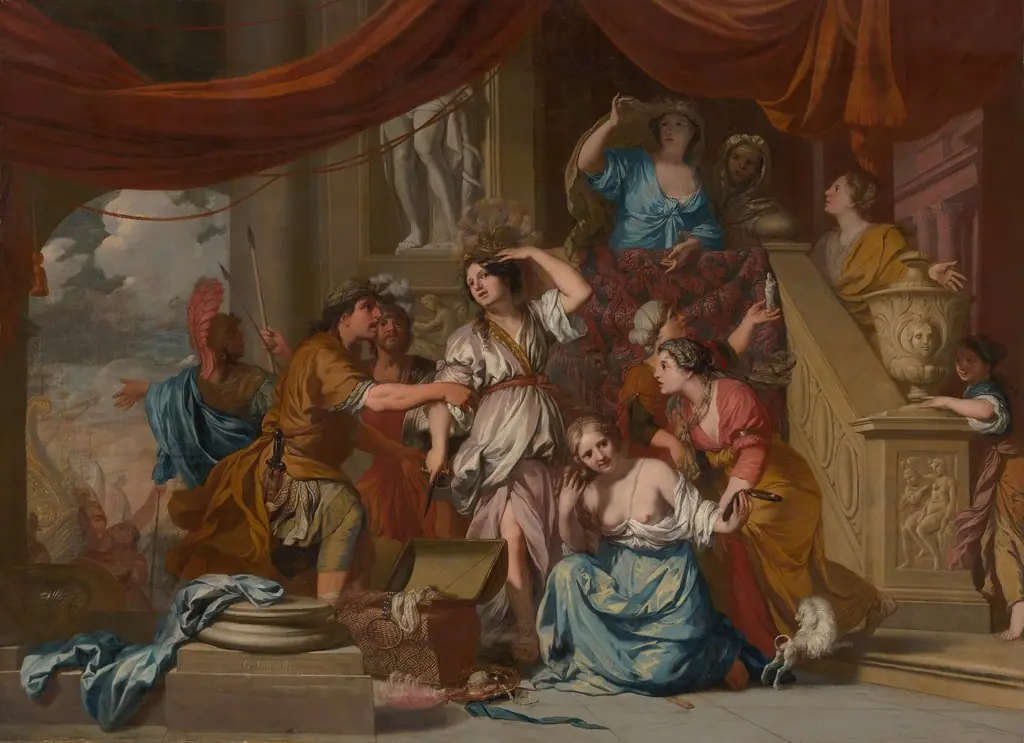 Achilles Discovered among the Daughters of Lycomedes
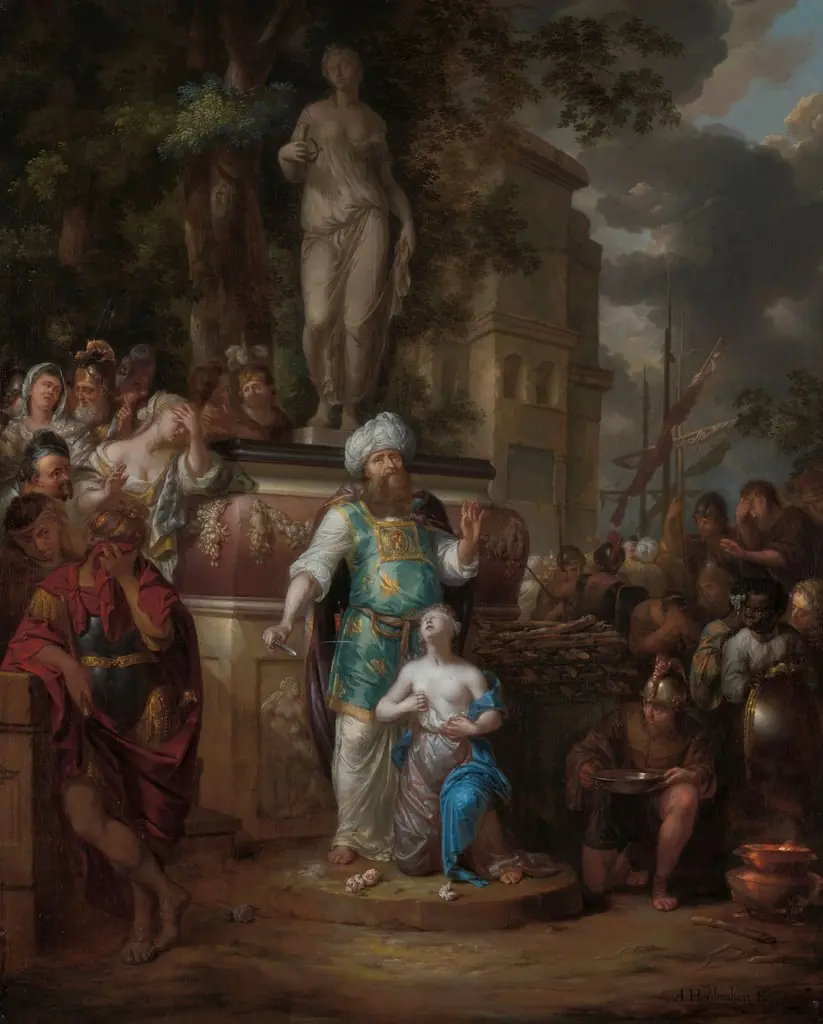 Sacrifice of Iphigenia
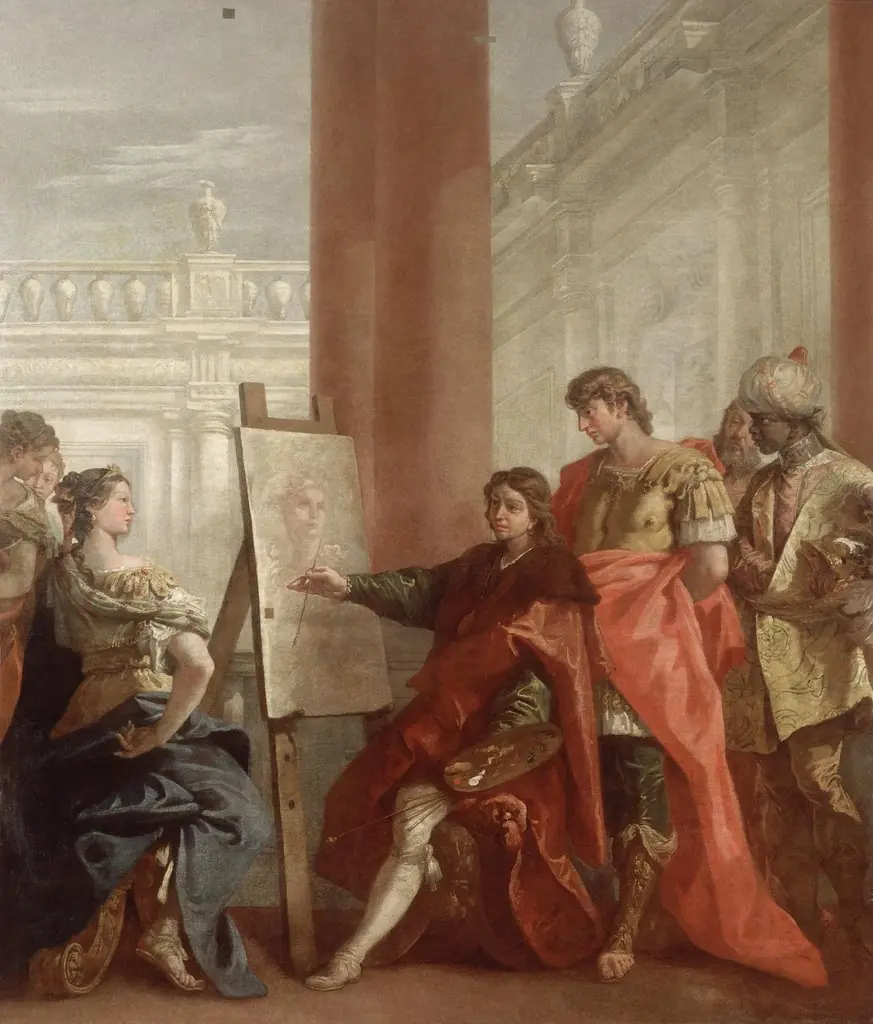 Apelles Paints Campaspa
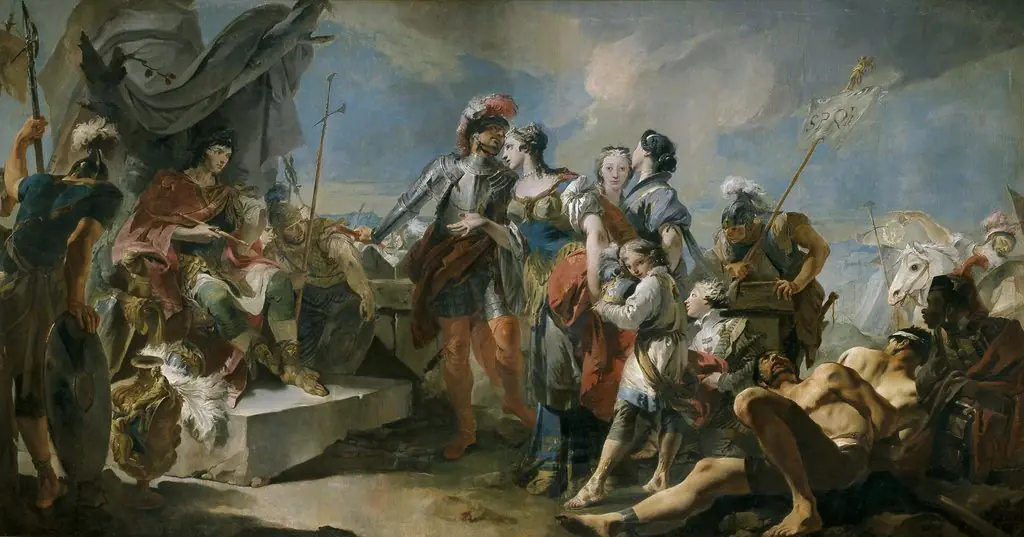 Queen Zenobia before the Emperor Aurelian
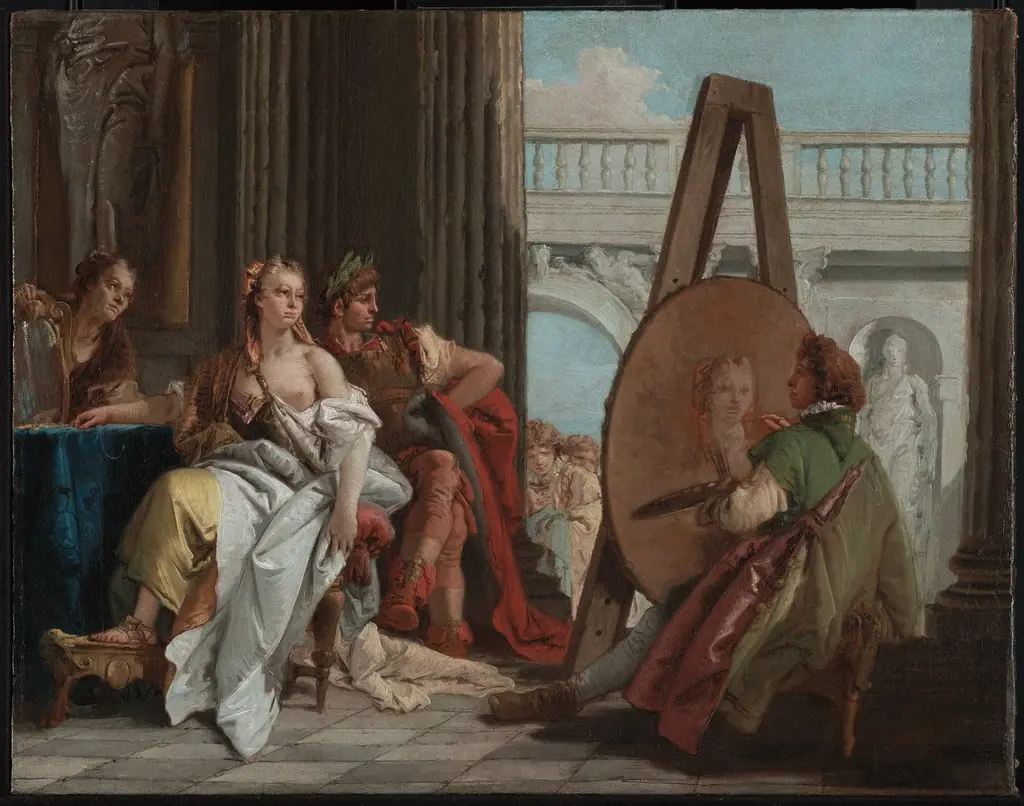 Alexander the Great and Campaspe in the Studio of Apelles
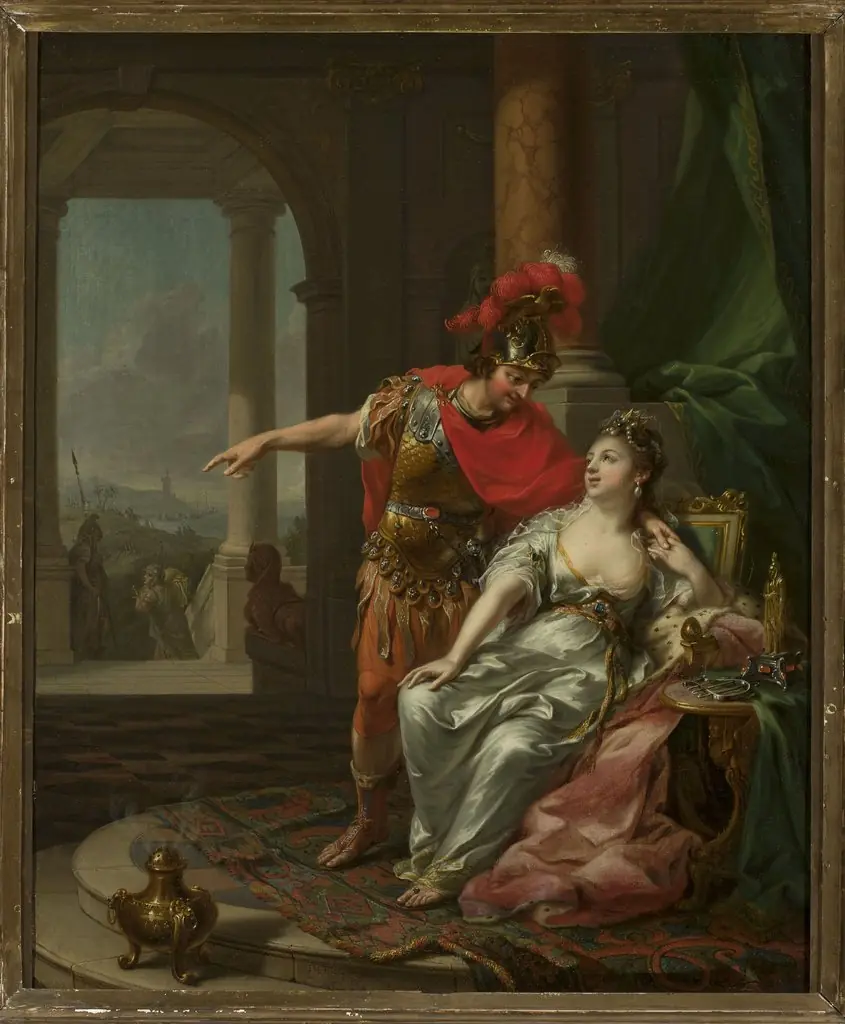 Antony and Cleopatra
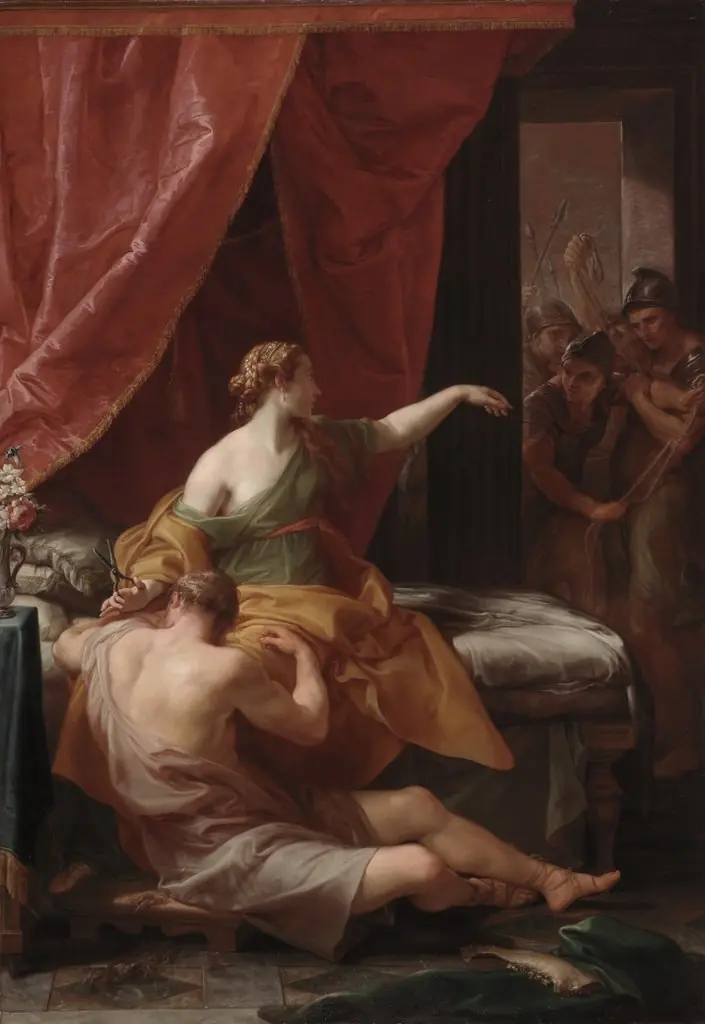 Samson and Delilah
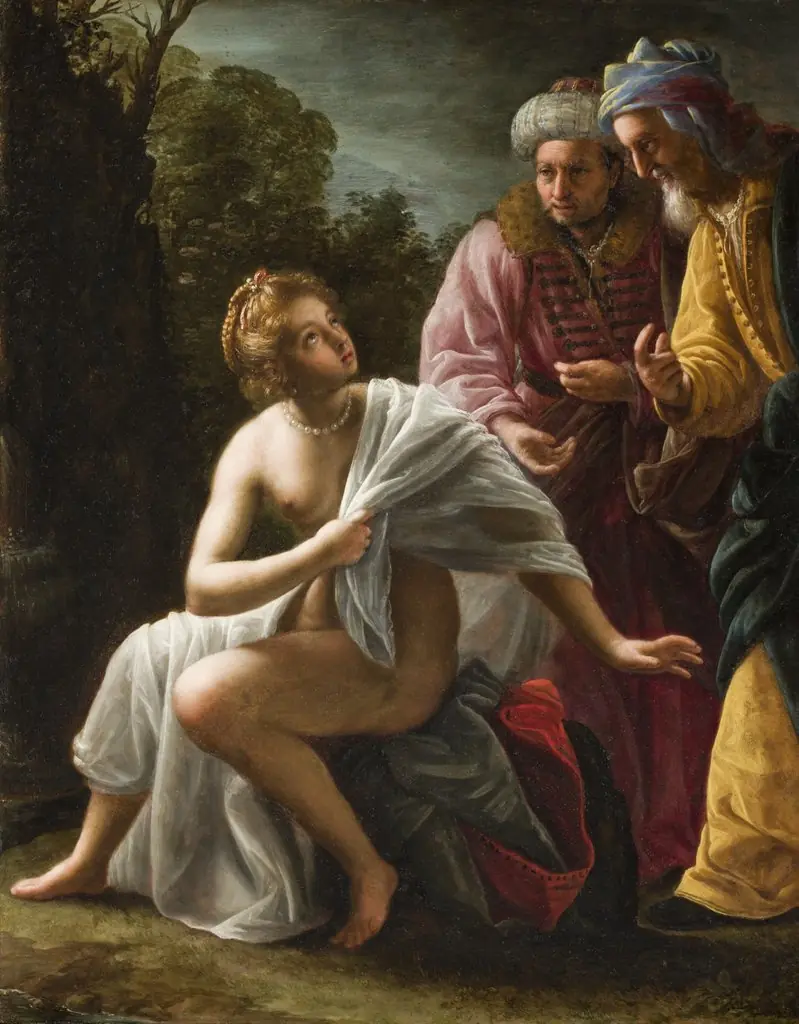 Susanna and the Elders
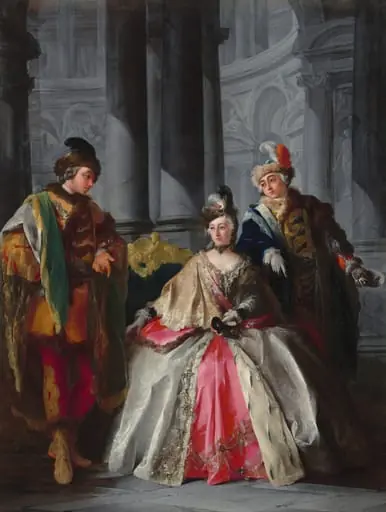 Three Figures Dressed for a Masquerade
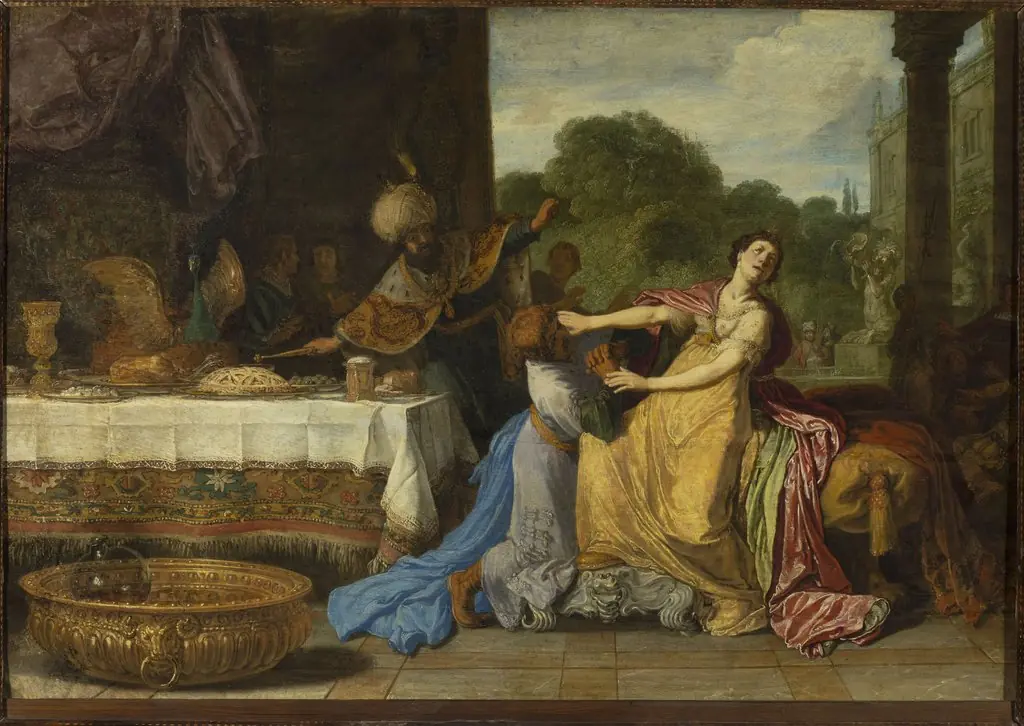 Haman begging the mercy of Esther (Esther 7:6-7)