Artwork
A Roman Emperor (Claudius)
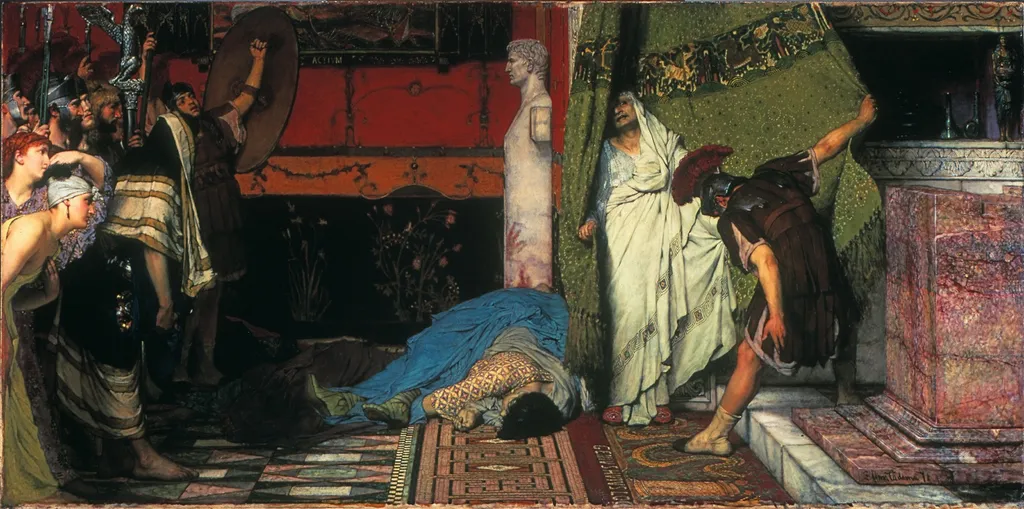
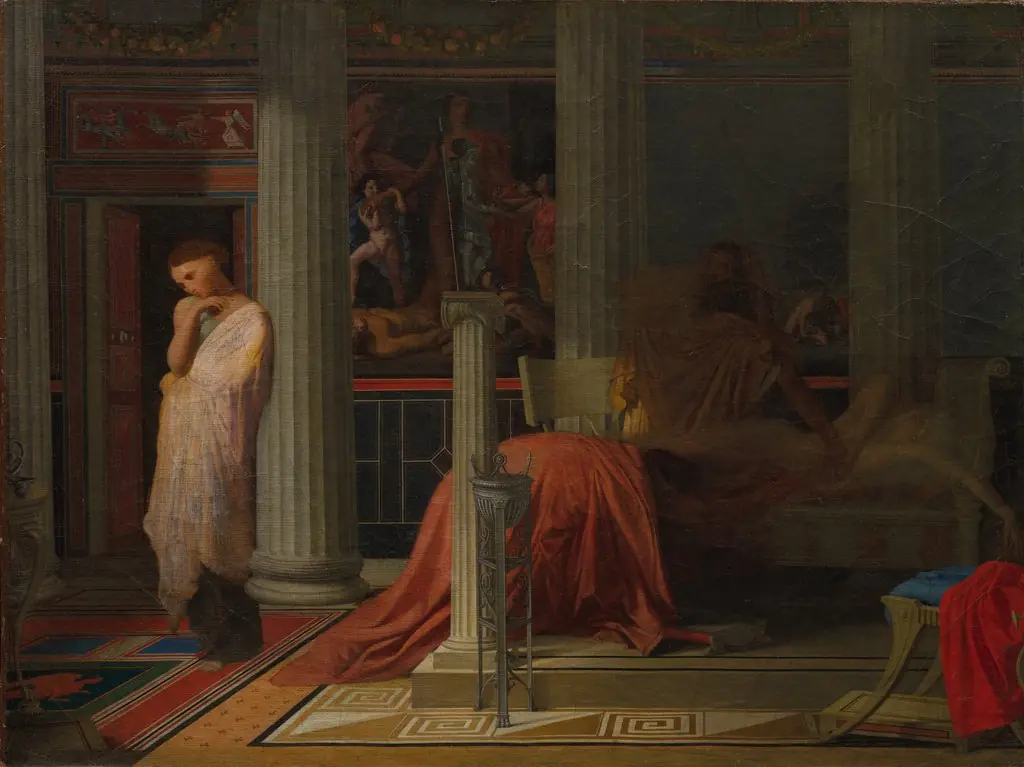
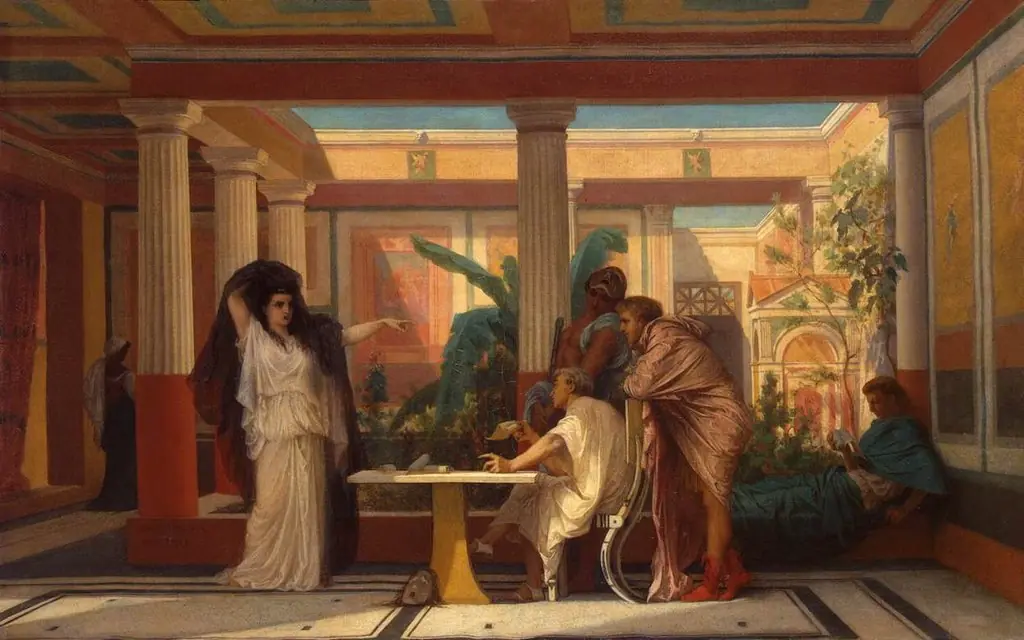
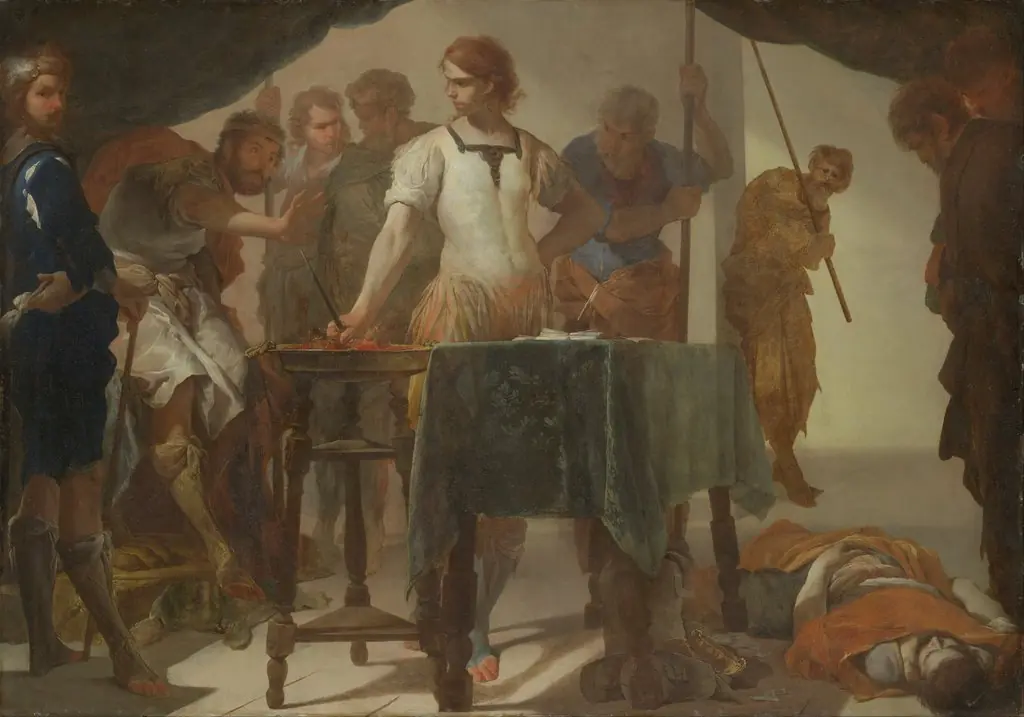
A Roman Emperor (Claudius) is an oil painting by Lawrence Alma-Tadema. It dates from 1871 and is held in the collection of the Walters Art Museum.
About this work
Overview
Lawrence Alma‑Tadema’s 1871 oil painting titled *A Roman Emperor (Claudius)* presents a dramatic interior scene from ancient Rome. At its centre stands a figure in a white toga, presumed to be the emperor, surrounded by armed attendants. The composition conveys a tense atmosphere, heightened by the interplay of light and shadow across the marble surroundings.
Subject & Meaning
The central figure, identified as Emperor Claudius, is depicted amid a gathering of soldiers and courtiers, suggesting a moment of political or military confrontation. The contrast between the serene white garment and the armed men emphasizes the precarious balance of power within the imperial court.
Technique & Style
Alma‑Tadema employs a restrained palette of earth tones punctuated by bright highlights to model the marble architecture and flesh tones. Careful modeling of shadows creates depth, while the crisp rendering of armor and textiles reflects his academic training at the Royal Academy of Antwerp and his meticulous approach to historical detail.
History & Provenance
Created shortly after the artist’s relocation to London in 1870, the work exemplifies Alma‑Tadema’s early British period. It entered the collection of the Walters Art Museum, where it remains on view, illustrating the 19th‑century fascination with classical antiquity among American collectors.
Context
The painting belongs to a broader 19th‑century trend of romanticizing the Roman Empire, a subject Alma‑Tadema explored through richly detailed interiors. His Dutch origins and training in Antwerp informed a precise, academic style that appealed to Victorian audiences eager for visual narratives of ancient grandeur.
Artist & collection
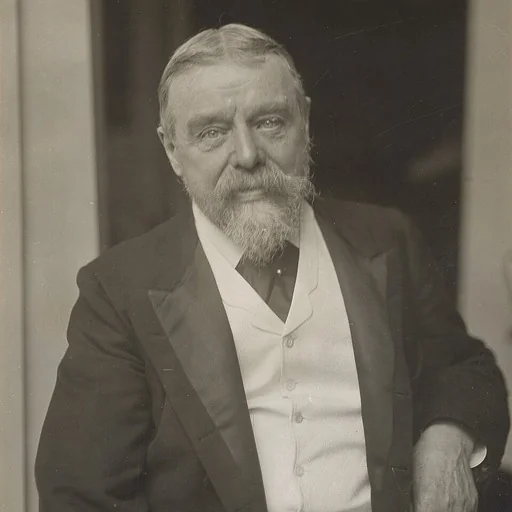
Artist
Sir Lawrence Alma-Tadema ( AL-mə TAD-ay-mə; born Lourens Alma Tadema, Dutch: ; 8 January 1836 – 25 June 1912) was a Dutch painter who later settled in the United Kingdom, becoming the last officially recognised denizen in 1873.