Artwork
Charles Goldoni
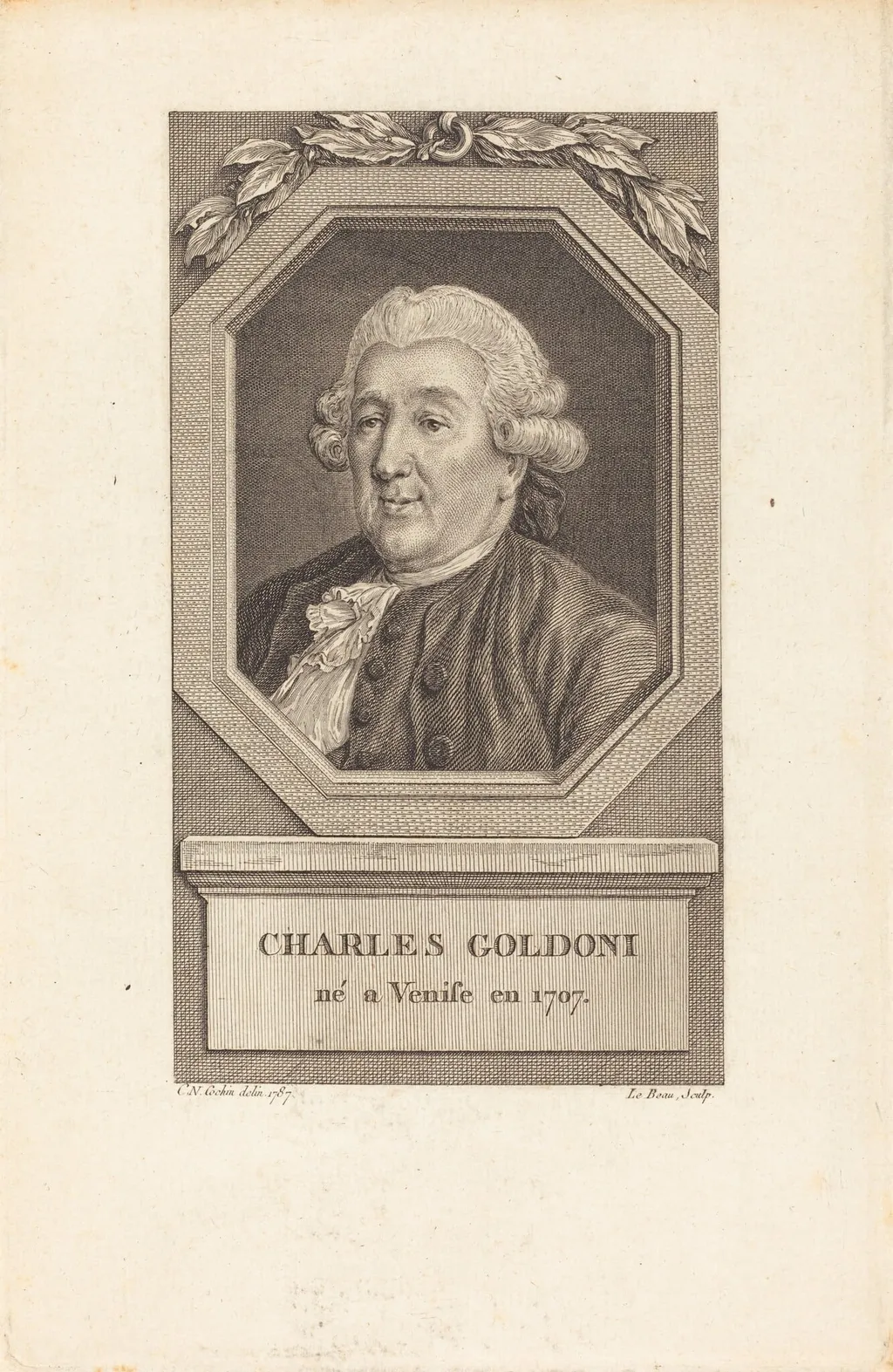
Charles Goldoni is an ink print by the Romanticist artist Pierre Adrien Le Beau. It dates from 1787 and is held in the collection of the National Gallery of Art.
About this work
The image is framed by a decorative border with a wreath at the top and a plaque at the bottom that reads *"Charles Goldoni né à Venise en 1707.
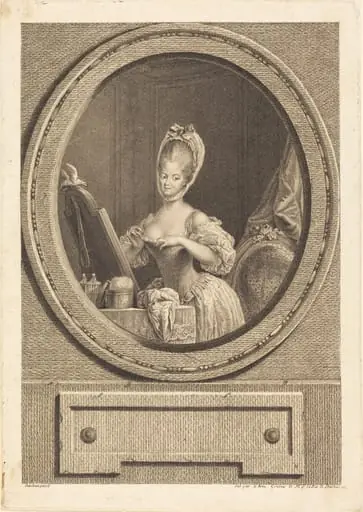
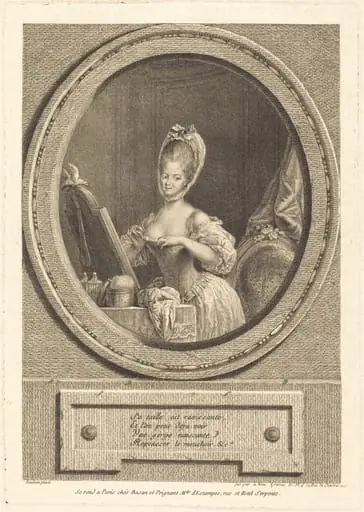
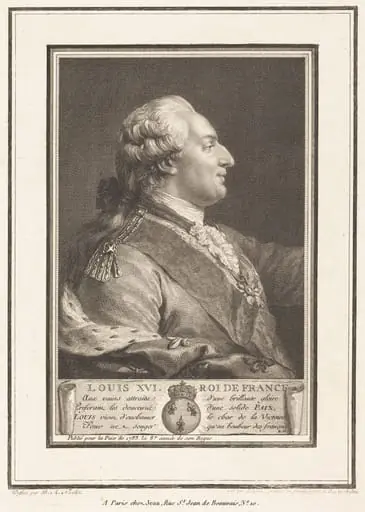
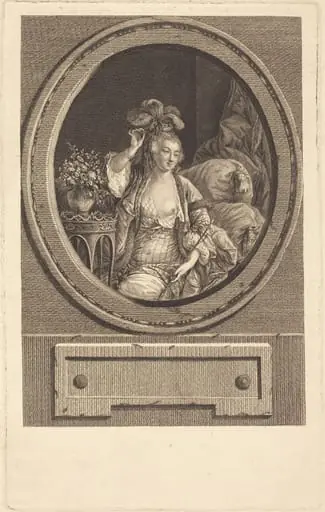
This is a black-and-white portrait of an older man with curly white hair and a stern expression. He wears a dark coat with a white cravat at his neck, and his hands rest on his chest. The image is framed by a decorative border with a wreath at the top and a plaque at the bottom that reads *"Charles Goldoni né à Venise en 1707."*
The plaque gives his name and birth year, but the serious look on his face makes you wonder about his life. The artist used fine lines to create shadows and texture, giving the portrait depth.
Try looking up engraving to see how artists like this made detailed prints without paint.
Overview
Pierre‑Adrien Le Beau’s 1787 engraving presents a portrait of Charles Goldoni, a Venetian born in 1707. Rendered in black and white on laid paper, the image captures the writer in his later years, his white curls and solemn expression framed by a decorative border that includes a wreath and an identifying plaque.
Subject & Meaning
The sitter, identified by the inscription as Charles Goldoni, appears dignified and contemplative, his hands placed over his chest. The austere gaze and formal attire suggest a self‑presentation of authority and intellectual gravitas, reflecting the Enlightenment era’s emphasis on rationality and the public persona of the celebrated author.
Technique & Style
Le Beau employed fine, closely spaced lines to model light and shadow, achieving a nuanced sense of volume on the paper’s textured surface. The engraving’s delicate hatching creates subtle tonal transitions, while the ornamental border, with its wreath motif, demonstrates the period’s penchant for integrating decorative elements with portraiture.
History & Provenance
Created in 1787, the print likely originated in Paris, where Le Beau was active. It was produced shortly after Goldoni’s death in 1793, serving as a commemorative image. The work has remained in collections of European print holdings, documenting the cross‑national appreciation of Goldoni’s literary contributions.
Context
The portrait belongs to a broader tradition of 18th‑century European portrait engravings that disseminated the likenesses of cultural figures. Such prints functioned as both artistic objects and means of spreading the reputations of writers like Goldoni across the continent, aligning with the period’s expanding public sphere.
Artist & collection