Artwork
Portrait of a Man, said to be the Sculptor Clodion (1738–1814)
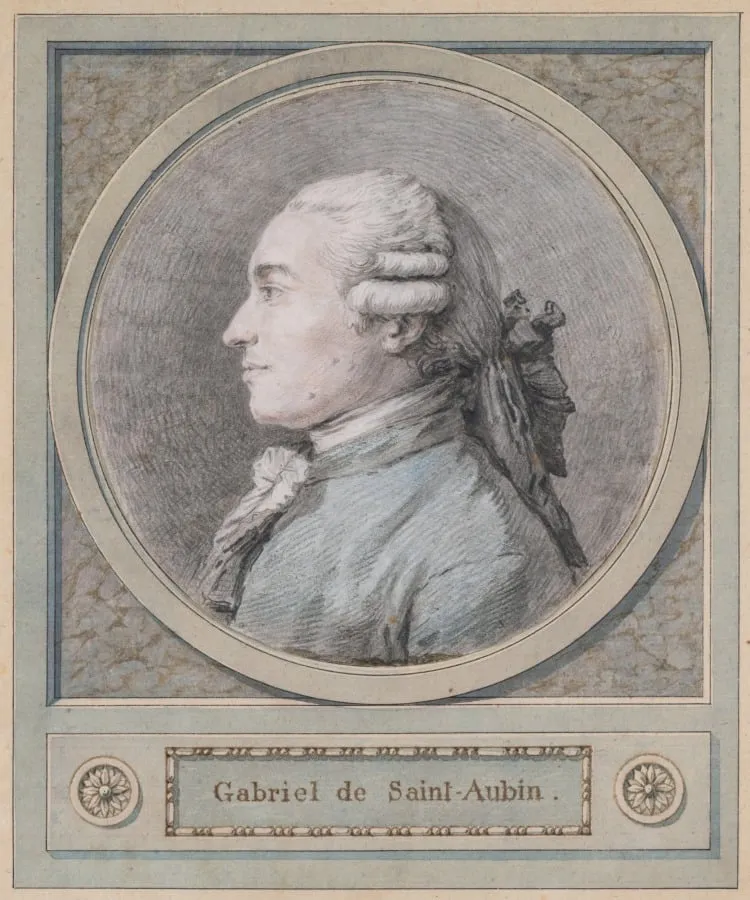
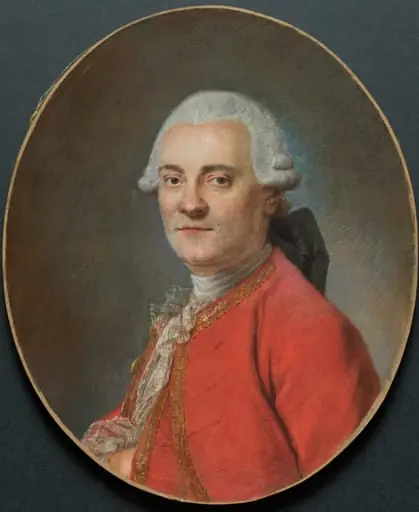
Portrait of a Man, said to be the Sculptor Clodion (1738–1814) is a drawing by the Romanticist artist Unknown. It dates from 1704 and is held in the collection of the Cleveland Museum of Art. This small, circular drawing depicts a man in 18th-century aristocratic attire, rendered in colored pencil or watercolor on paper.
About this work
Overview
This small, circular drawing depicts a man in 18th-century aristocratic attire, rendered in colored pencil or watercolor on paper.
This small, circular drawing depicts a man in 18th-century aristocratic attire, rendered in colored pencil or watercolor on paper. Though unsigned, it is traditionally linked to the French sculptor Clodion, known for his mythological figurines. The format mimics portrait miniatures—delicate, intimate works often worn as personal adornments. Its scale and finish suggest it was intended for private viewing rather than public display.
Subject & Meaning
The sitter is believed to be Clodion, a sculptor whose work often featured mythological subjects. Here, he is portrayed not as an artisan but as a gentleman, adorned with a powdered wig and lace collar—symbols of social refinement. The choice to depict him in noble dress may reflect his aspirations, his patrons’ expectations, or a broader cultural tendency to elevate artists to aristocratic status.
Technique & Style
The artist employed fine, controlled strokes to model the face and fabric, using subtle washes of color to suggest texture and depth. The round format, rich tonal gradations, and attention to detail echo the conventions of miniature painting, a genre prized for its precision and portability. The restrained palette and soft lighting enhance the intimacy of the image, distancing it from grand portraiture.
History & Provenance
The drawing’s early ownership is undocumented, but its style aligns with French artistic circles of the late 1700s. It was likely created during Clodion’s active years in Paris, possibly as a gift or commission. Its survival in relatively good condition suggests it was carefully preserved, perhaps within a family or collector’s album, rather than displayed publicly.
Context
In late 18th-century France, portrait miniatures were popular among the elite as personal mementos, often carried in lockets or mounted in jewelry. Artists like Clodion, though trained in sculpture, were frequently depicted in the attire of the nobility to affirm their cultural standing. This drawing reflects the blurred boundaries between artisan and aristocrat in a society where artistic merit could elevate social status.
Legacy
The drawing endures as a quiet testament to the personal side of an artist known for public works. It captures a moment of stillness in a career defined by movement and form. While not widely exhibited, it contributes to the understanding of how sculptors were perceived in their time—neither purely craftsmen nor fully aristocrats, but figures navigating both worlds.
Artist & collection

 Domestic Scene
 Giacomo and Cardinal Marco, investing Andrea, Abbot of San Zeno, with his Benefice
 The Nymph of Fontainebleau
 Portrait of a Woman
 Madonna and Child with Saints in the Enclosed Garden
 Venus and Minerva
 Family Group of Four on Sofa
 Wall painting from Room H of the Villa of P. Fannius Synistor at Boscoreale
![Head of a Gentleman [recto], by Joseph Ducreux](https://artifactworldgallery.com/img/joseph-ducreux--head-of-a-gentleman-recto--30a49475a608e388-w320.webp)