Artwork
Plan et elevation des plus beaux confessionnaux de Paris, tres fidelemant mesure
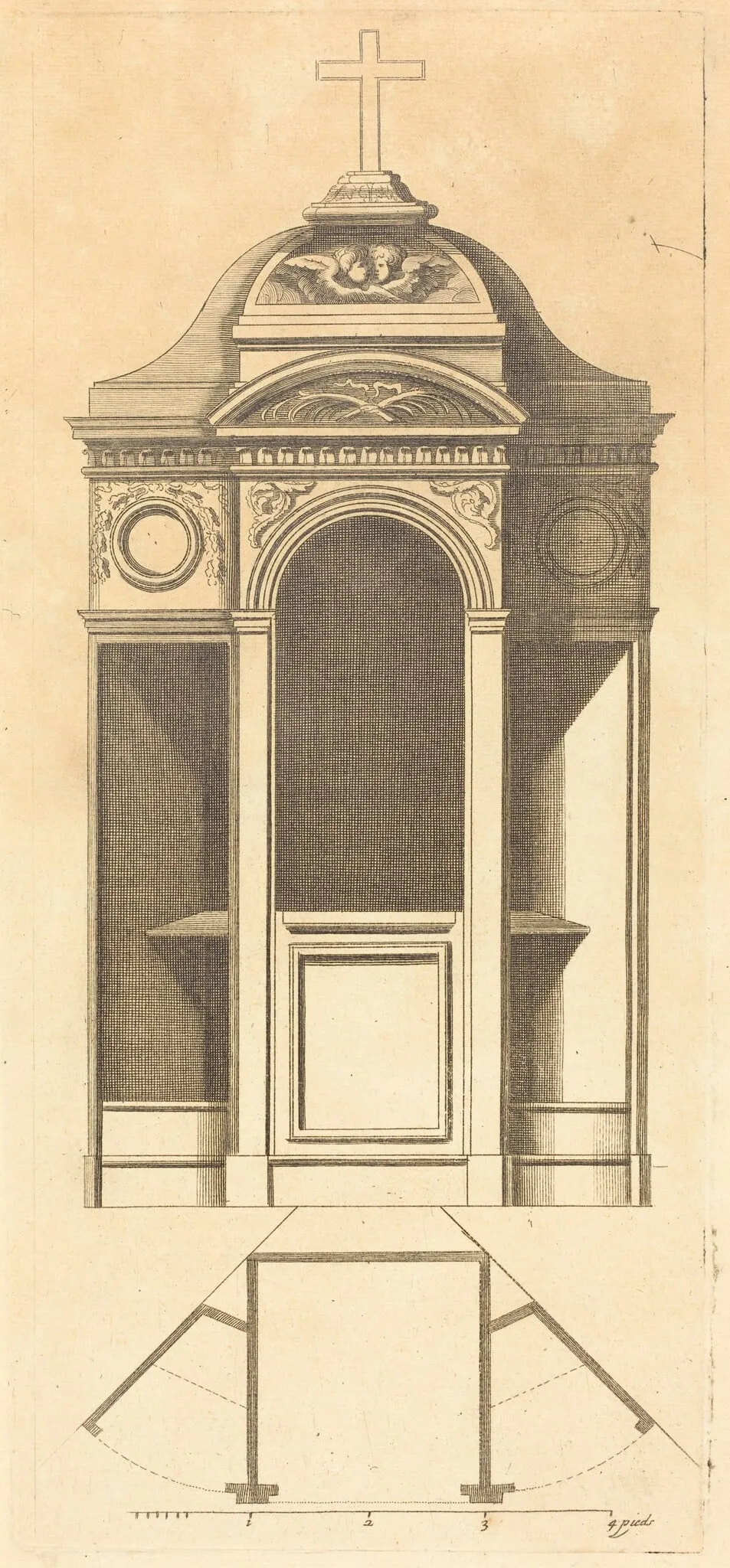
Plan et elevation des plus beaux confessionnaux de Paris, tres fidelemant mesure is an ink print by the Baroque artist Jean Le Blond. It dates from 1688 and is held in the collection of the National Gallery of Art.
About this work
Next, look up engraving to see how artists used sharp tools to create these crisp, detailed prints.
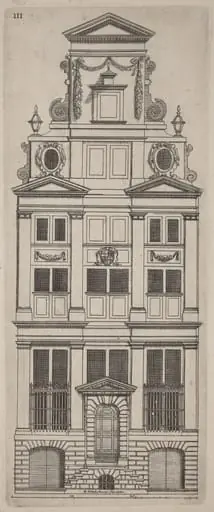
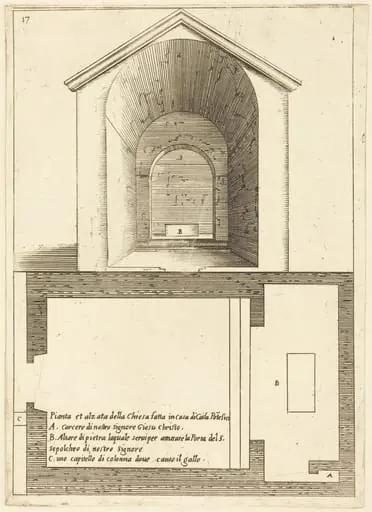
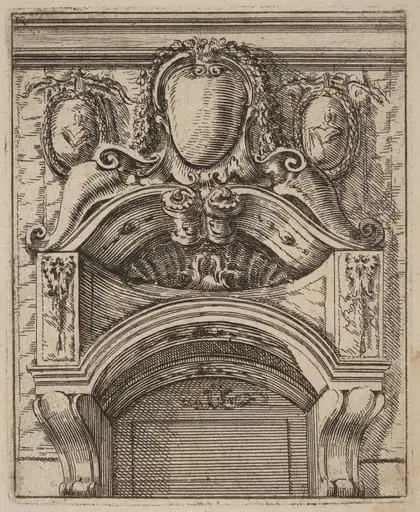
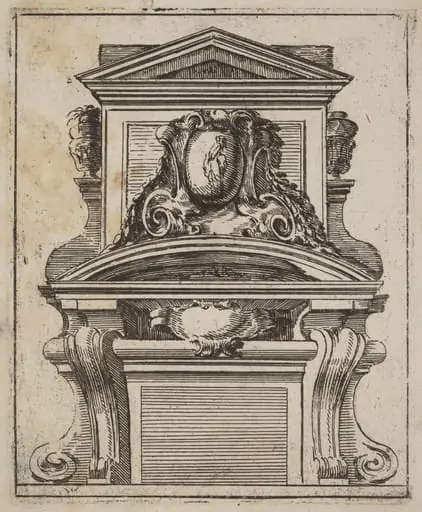
This drawing shows a small, boxy church space with a cross on top. The front has a curved arch, two shelves, and a blank square panel in the middle. Above the arch, there’s a tiny dome with a winged figure inside it. The sides have tall, narrow windows with decorative carvings.
This isn’t a painting—it’s a detailed blueprint for a Paris confession booth, drawn in 1688. The lines are precise, almost like a floor plan.
Next, look up engraving to see how artists used sharp tools to create these crisp, detailed prints.
Overview
This engraving, created in 1688 by Jean Le Blond, presents a detailed representation of a confession booth. The work is a precise rendering, characteristic of architectural drawings.
Subject & Meaning
The engraving depicts a small, ornate church structure, likely a confessional booth, with a curved arch, shelves, and decorative elements such as a winged figure within a dome.
Technique & Style
Executed as an engraving, the work showcases the artist's use of sharp tools to achieve crisp, detailed lines, typical of the medium. The level of precision is reminiscent of architectural plans.
History & Provenance
Created in 1688 by Jean Le Blond, this engraving is a historical document of a specific confessional booth design in Paris.
Artist & collection


 Plan et elevation des plus beaux confessionnaux de Paris, tres fidelemant mesure
 Plan et elevation des plus beaux confessionnaux de Paris, tres fidelemant mesure
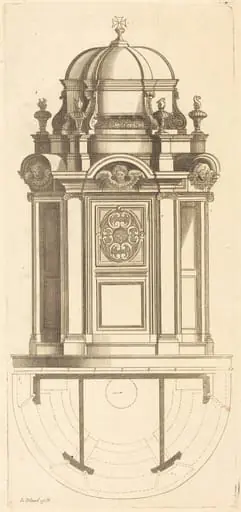 Plan et elevation des plus beaux confessionnaux de Paris, tres fidelemant mesure
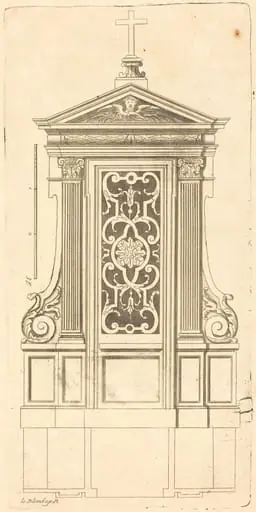 Plan et elevation des plus beaux confessionnaux de Paris, tres fidelemant mesure
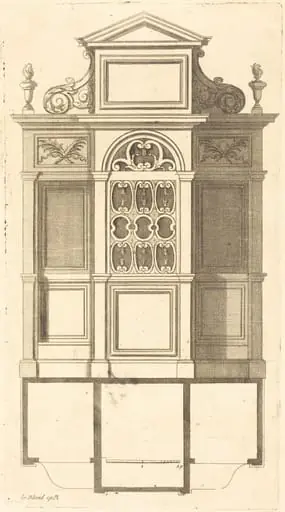 Plan et elevation des plus beaux confessionnaux de Paris, tres fidelemant mesure