Artwork
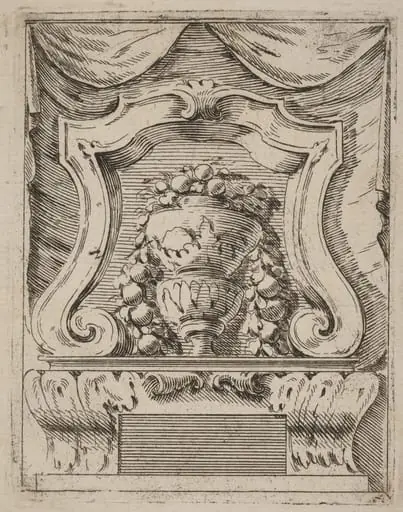
Architectural Motif with Three Shields, Two with Figures
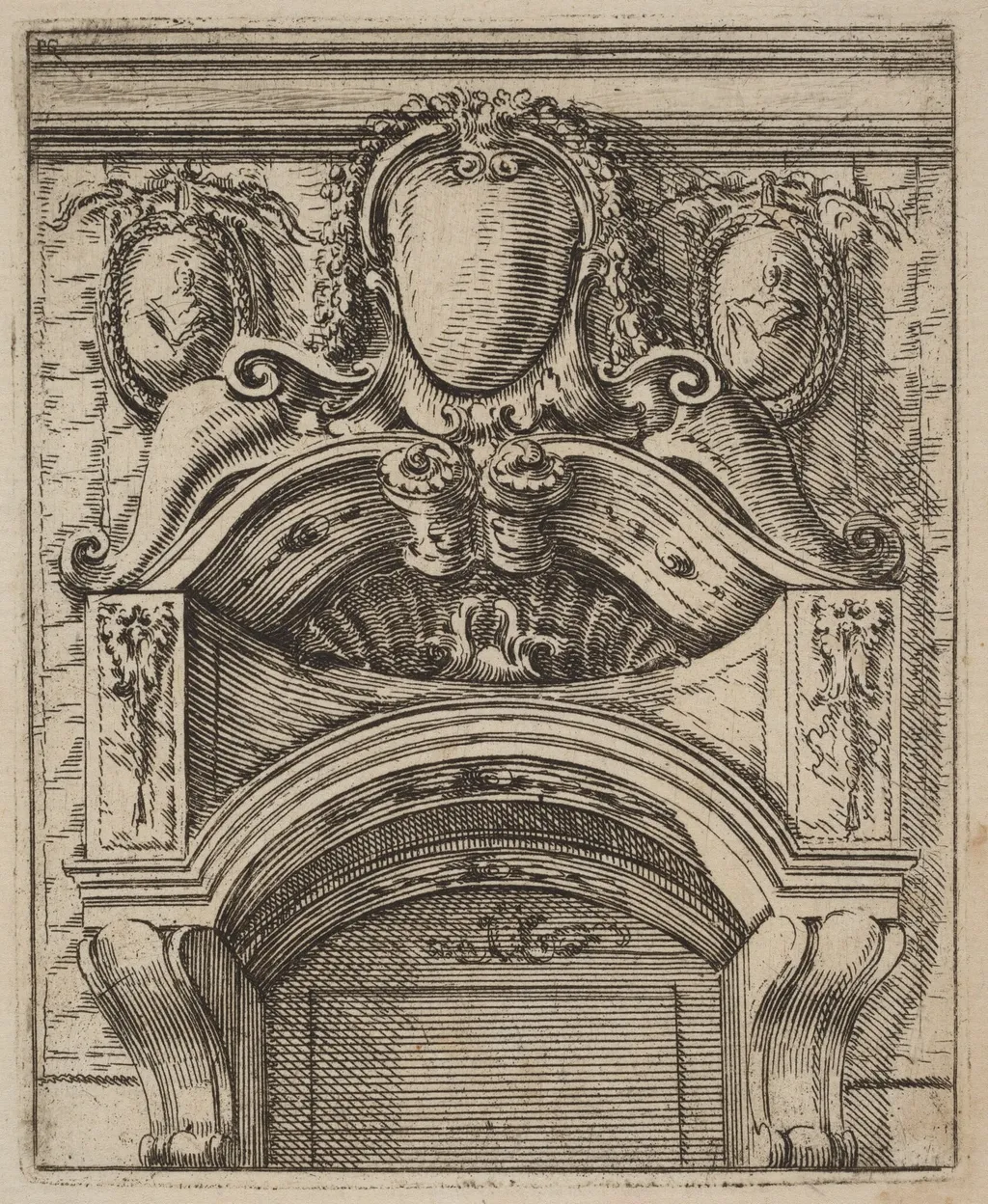
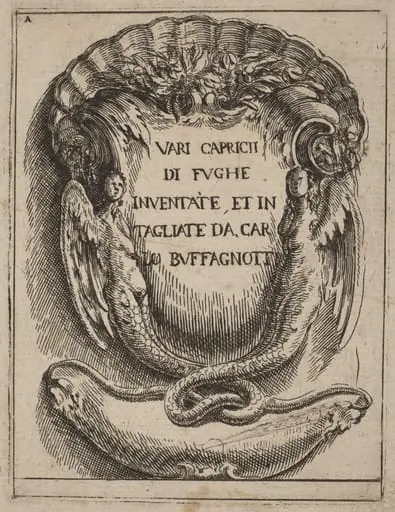
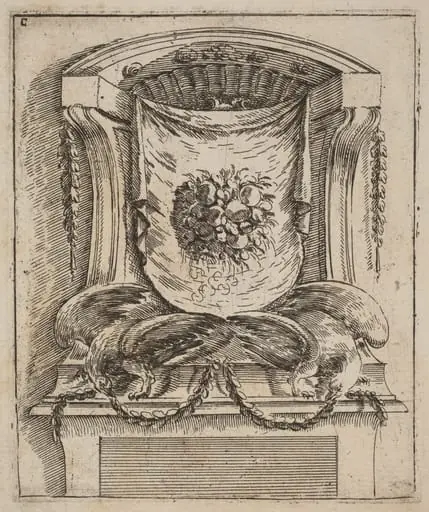
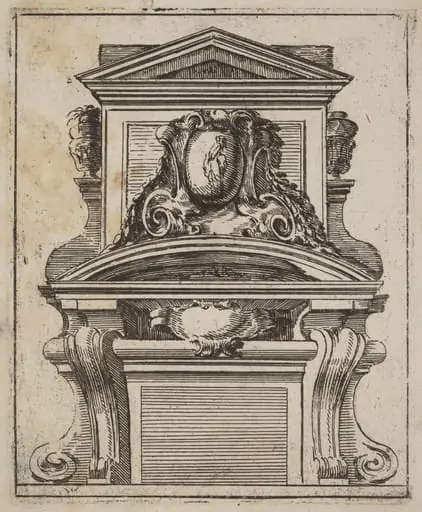
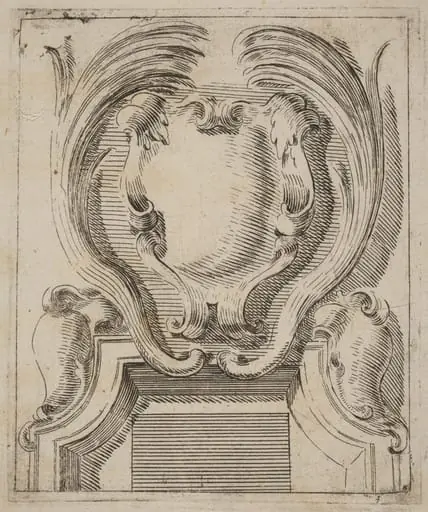
Architectural Motif with Three Shields, Two with Figures is an ink print by the Baroque artist Carlo Antonio Buffagnotti. It dates from 1690 and is held in the collection of the National Gallery of Art.
About this work
Overview
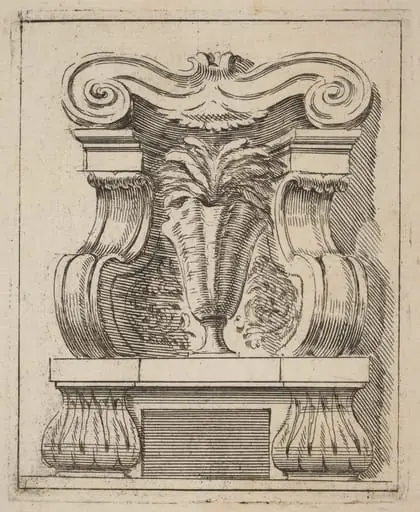
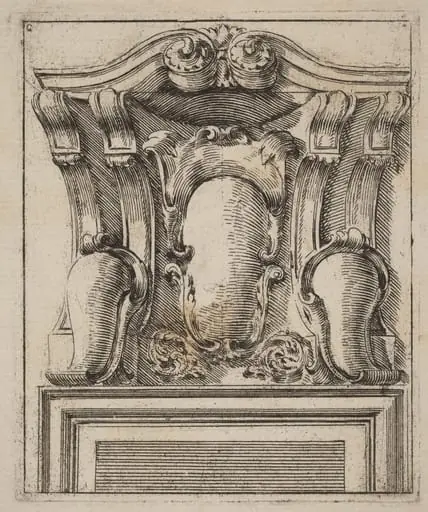
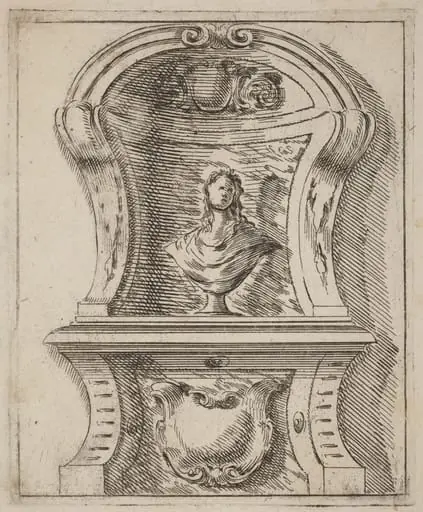
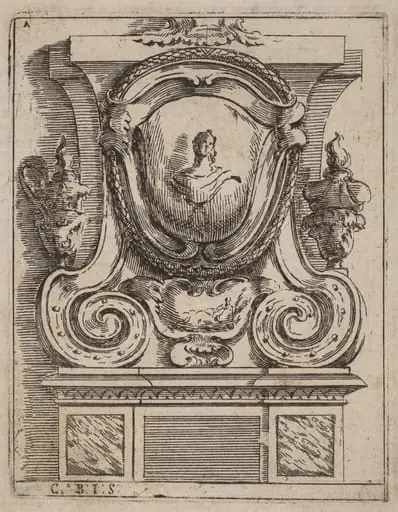
Carlo Antonio Buffagnotti’s etching, dated around 1690, presents an elaborate architectural composition centered on three heraldic shields. Executed on laid paper, the work measures the delicate balance of line and shade typical of late‑seventeenth‑century printmaking, with a dominant central shield flanked by two smaller, equally ornamented panels.
Subject & Meaning
The central shield, larger than its companions, commands attention, while the two side shields frame it with comparable decorative motifs. Each shield bears figural elements that enhance the overall sense of ceremonial grandeur, suggesting a possible commemorative or allegorical function within a broader architectural setting.
Technique & Style
Buffagnotti employs fine, closely spaced lines to render texture and depth, using chiaroscuro to model the surfaces of the shields and surrounding architecture. The contrast of dense hatching against lighter areas creates a three‑dimensional illusion, aligning the piece with the ornate, dynamic aesthetics of the Baroque period.
Context
Produced in the late Baroque era, the etching reflects the period’s fascination with elaborate ornamentation and theatrical presentation. Prints of architectural motifs and heraldic devices were common decorative references for patrons and architects, serving both as design models and as symbols of status during the late seventeenth century.
Artist & collection