Artwork
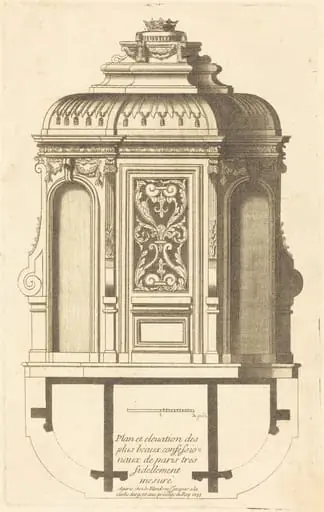
Plan et elevation des plus beaux confessionnaux de Paris, tres fidelemant mesure
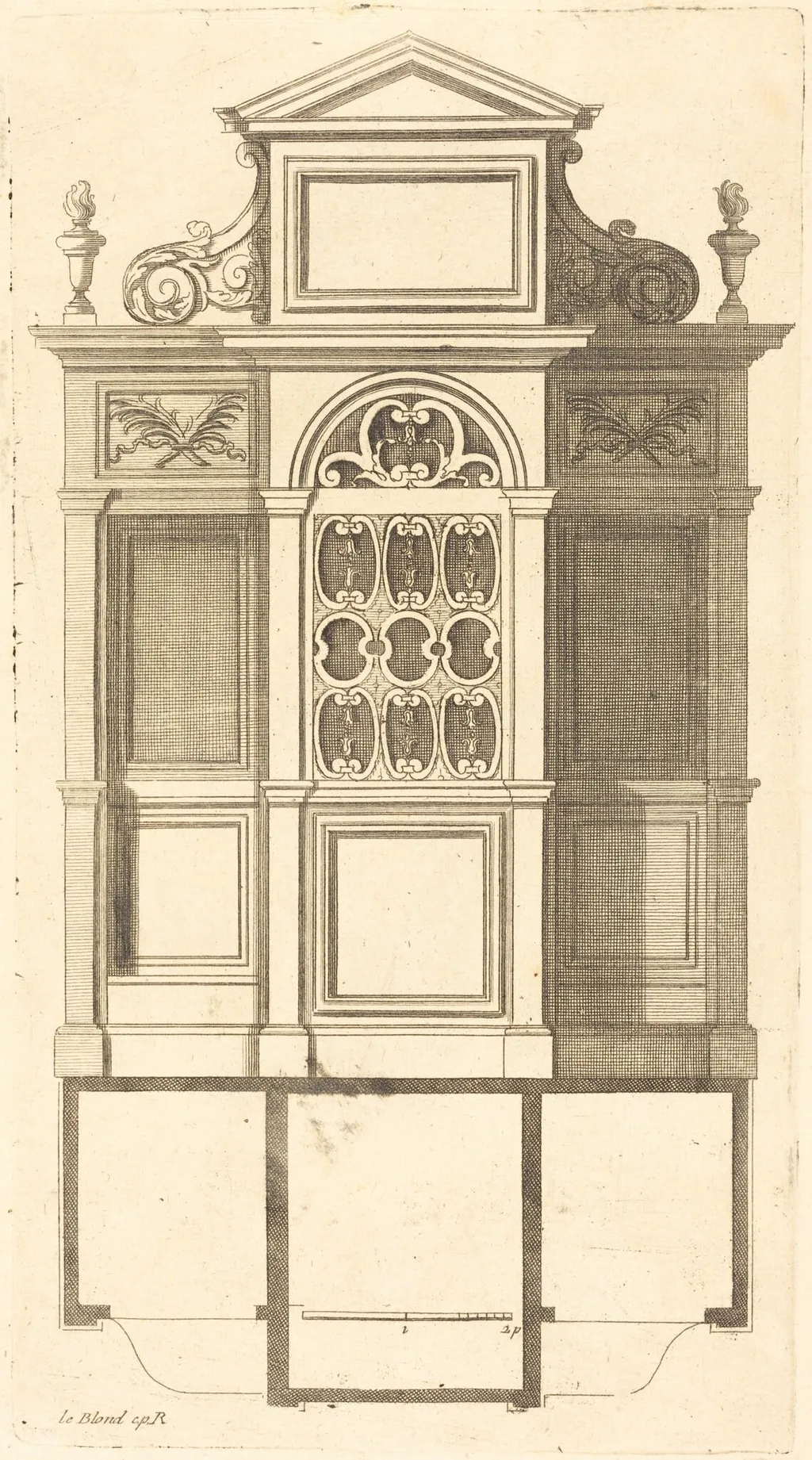
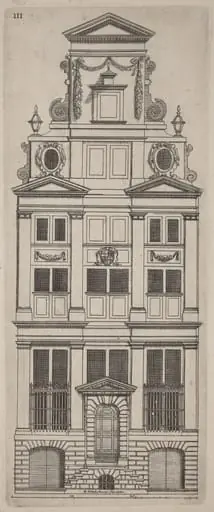
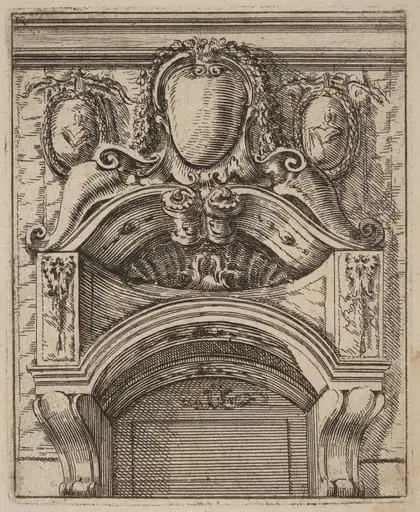
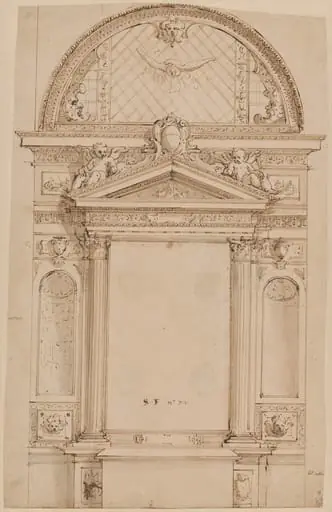
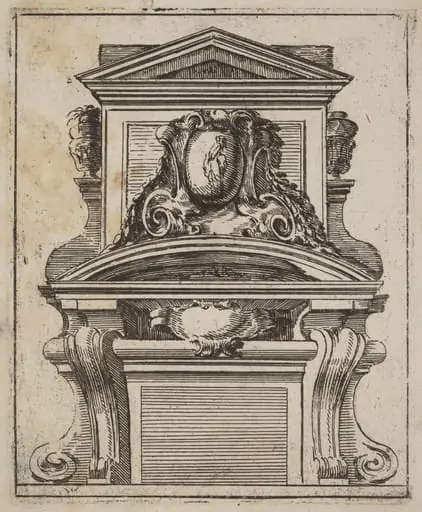
Plan et elevation des plus beaux confessionnaux de Paris, tres fidelemant mesure is an ink print by the Baroque artist Jean Le Blond. It dates from 1688 and is held in the collection of the National Gallery of Art.
About this work
Overview
This 1688 engraving by Jean Le Blond documents the architectural design of confessionals in Paris, rendered with technical precision.
This 1688 engraving by Jean Le Blond documents the architectural design of confessionals in Paris, rendered with technical precision. Unlike decorative art, it functions as a construction guide, capturing dimensions and structural details. The composition presents front and plan views, emphasizing proportion and ornamentation. Its purpose was to standardize and disseminate ecclesiastical furnishings among craftsmen and clergy, reflecting the period’s interest in regulated religious architecture.
Subject & Meaning
The engraving depicts three confessionals arranged in a single composition: two smaller units flanking a central, more elaborate one. The design suggests a hierarchical arrangement, with the central confessional serving as the primary space for sacramental confession. Ornamental elements like shell motifs and carved foliage convey sacred symbolism, while the vases at the corners may reference liturgical vessels or symbolic purity. The empty interiors emphasize function over decoration, aligning with Counter-Reformation ideals of solemnity.
Technique & Style
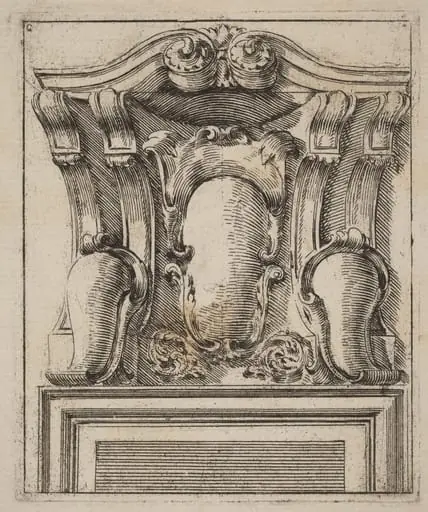
Executed in fine-line engraving, the work uses cross-hatching and delicate linework to define wood grain, carved details, and spatial depth. The absence of tone or color focuses attention on form and structure. Decorative elements—swirls, leaves, and floral shells—are rendered with consistent precision, indicating the engraver’s training in architectural drafting. The style is restrained yet intricate, characteristic of French academic design of the late 17th century, prioritizing clarity over artistic flourish.
History & Provenance
Created in 1688, the engraving was part of a broader effort to document and standardize ecclesiastical furnishings in Paris under royal and ecclesiastical oversight. Jean Le Blond, an architect and engraver, compiled these designs to assist builders and clergy in maintaining uniformity in church interiors. The print likely circulated among Parisian workshops and cathedral administrations, serving as a reference for construction rather than a collectible artwork.
Context
In late 17th-century France, the Catholic Church, reinforced by the Counter-Reformation, emphasized the physical environment of worship. Confessionals became focal points for sacramental privacy and ritual dignity. Le Blond’s work reflects state and church initiatives to regulate religious architecture, ensuring consistency across parishes. Similar publications emerged in other European cities, revealing a trend toward architectural codification in sacred spaces during this era.
Legacy
The engraving remains a valuable record of French ecclesiastical carpentry and design standards of the period. While the original confessionals may no longer exist, this print preserves their form and ornamentation for study. It contributes to the understanding of how liturgical needs shaped interior design, influencing later documentation practices in religious architecture and offering insight into the intersection of craft, faith, and regulation in early modern France.
Artist & collection


 Plan et elevation des plus beaux confessionnaux de Paris, tres fidelemant mesure
 Plan et elevation des plus beaux confessionnaux de Paris, tres fidelemant mesure
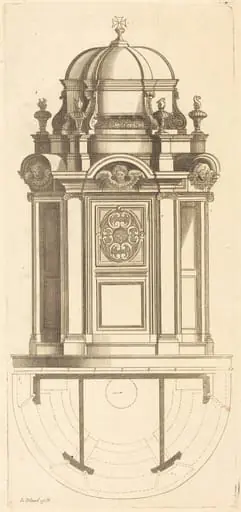 Plan et elevation des plus beaux confessionnaux de Paris, tres fidelemant mesure
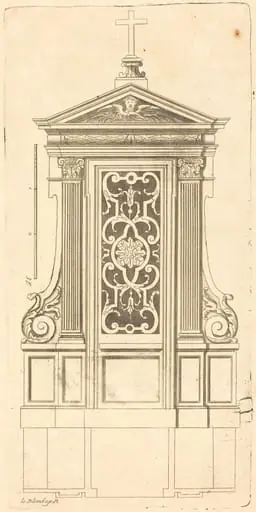 Plan et elevation des plus beaux confessionnaux de Paris, tres fidelemant mesure
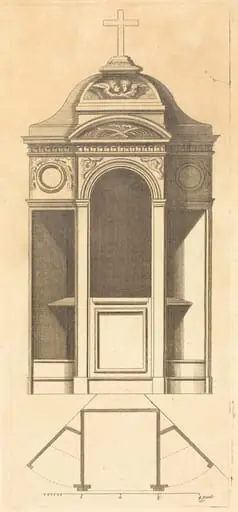 Plan et elevation des plus beaux confessionnaux de Paris, tres fidelemant mesure