Artwork
Runoilija Eric Sjöberg
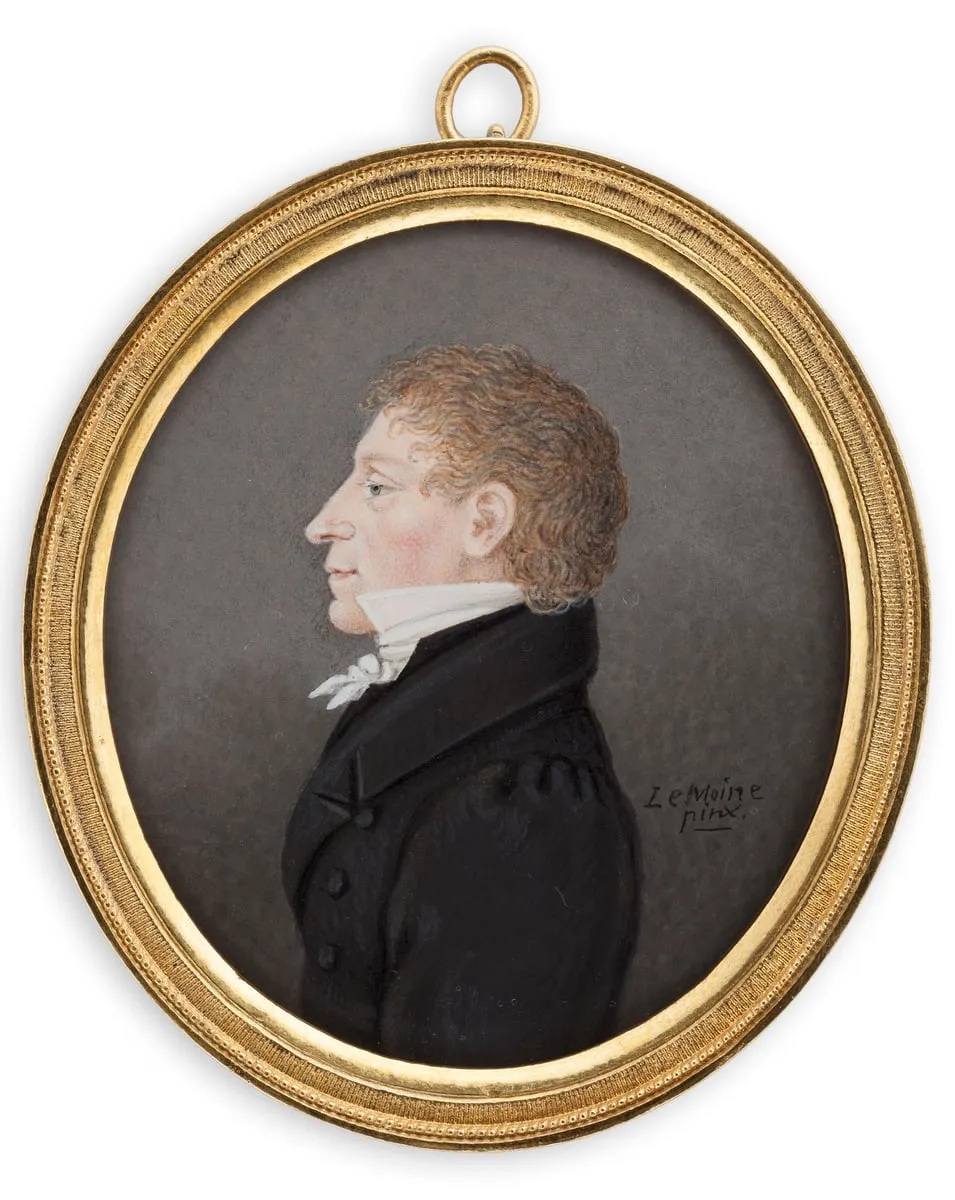
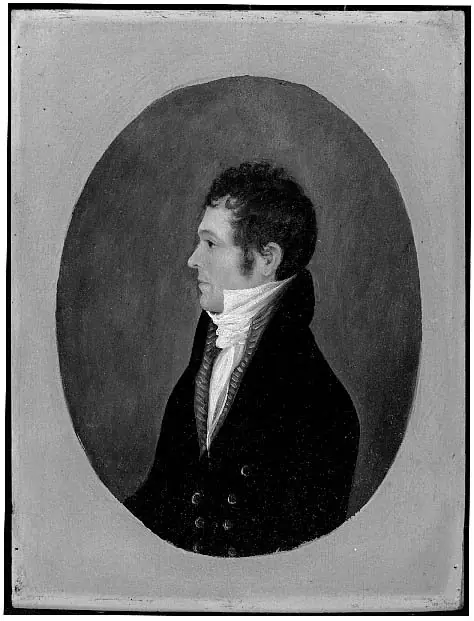
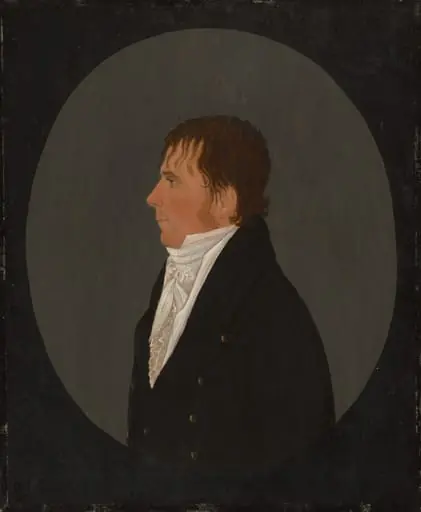
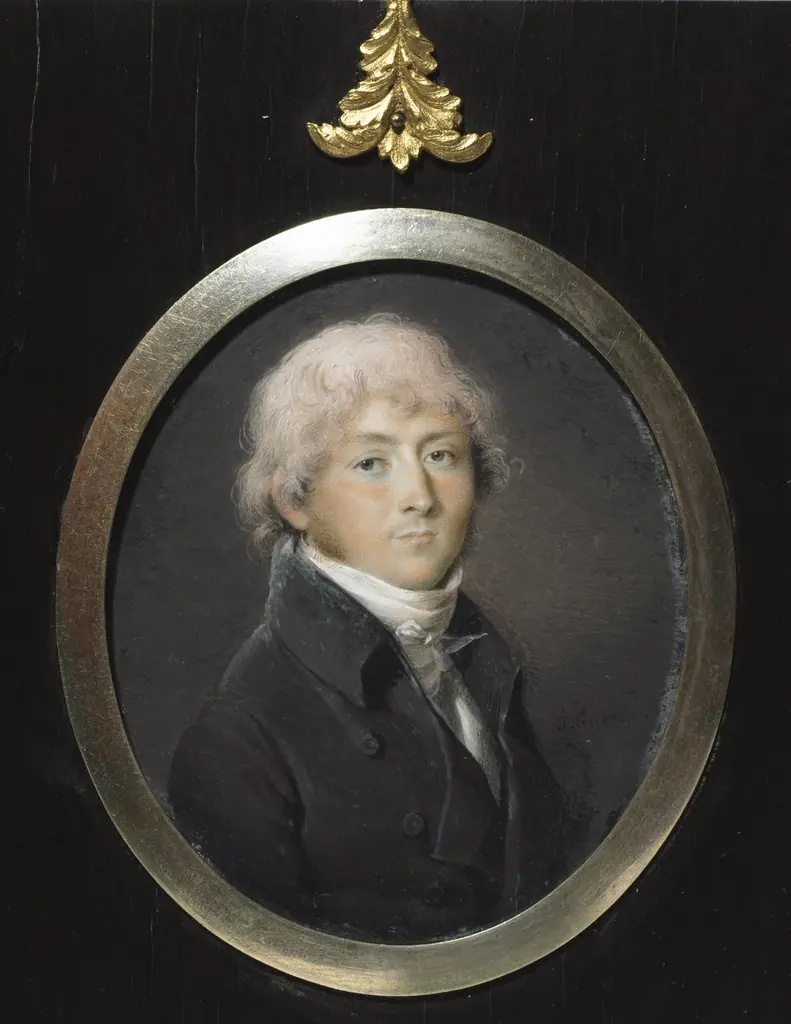
Runoilija Eric Sjöberg is an unspecified painting by Erik Wilhelm Le Moine. It is held in the collection of the Finnish National Gallery. A small oval portrait depicts Eric Sjöberg, a Finnish poet, rendered in profile with quiet precision.
About this work
Overview
The composition focuses tightly on his face and upper torso, set against a deep, unadorned background that enhances the figure’s presence.
A small oval portrait depicts Eric Sjöberg, a Finnish poet, rendered in profile with quiet precision. The composition focuses tightly on his face and upper torso, set against a deep, unadorned background that enhances the figure’s presence. The artist, identified as Le Moine, signed the work in the lower corner, suggesting personal authorship. Soft modeling of light gives the features a gentle volume without dramatic contrast.
Subject & Meaning
Eric Sjöberg, a literary figure of early 19th-century Finland, is portrayed not as a public icon but as a private individual. His composed expression and formal attire—a dark coat and white cravat—convey dignity and intellectual restraint. The profile view, common in commemorative portraiture, emphasizes contemplation rather than engagement, aligning with the era’s idealization of the poet as a reflective soul.
Technique & Style
The artist employs subtle gradations of tone to model the face, avoiding harsh outlines in favor of smooth transitions between light and shadow. This restrained chiaroscuro creates a sense of depth without theatricality. The brushwork is fine and controlled, particularly in the rendering of curled hair and the crisp edge of the cravat. The limited palette and plain background focus attention entirely on the sitter’s likeness.
History & Provenance
The portrait was likely painted in the early 1800s, during Sjöberg’s lifetime, by an artist signing as Le Moine—possibly a French or French-influenced painter active in the Nordic region. Its small scale suggests it was intended for private circulation rather than public display. The work’s survival indicates it remained within familial or literary circles, preserving a tangible link to Finland’s cultural awakening.
Context
In early 19th-century Finland, portraiture served both personal and national purposes as cultural identity began to take shape. Sjöberg, part of a generation promoting Finnish language and literature, was emblematic of this movement. Portraits like this one, modest in scale and restrained in style, reflected the values of intellectual seriousness and quiet individuality favored by emerging Nordic literati.
Legacy
Though not widely reproduced, the portrait endures as a direct visual record of Eric Sjöberg, preserving his appearance for later generations. Its simplicity and focus on the individual reflect a broader trend in Nordic portraiture that valued authenticity over grandeur. The work remains a quiet testament to the cultural figures who helped define Finland’s literary heritage.
Artist & collection
Artist
Erik Wilhelm Le Moine liked to lean out of windows. He spent years sketching Helsinki’s harbor from his fifth-floor studio, pencil and charcoal in hand, watching trams and steamers crowd the docks below. His portraits…