Artwork
J. Day
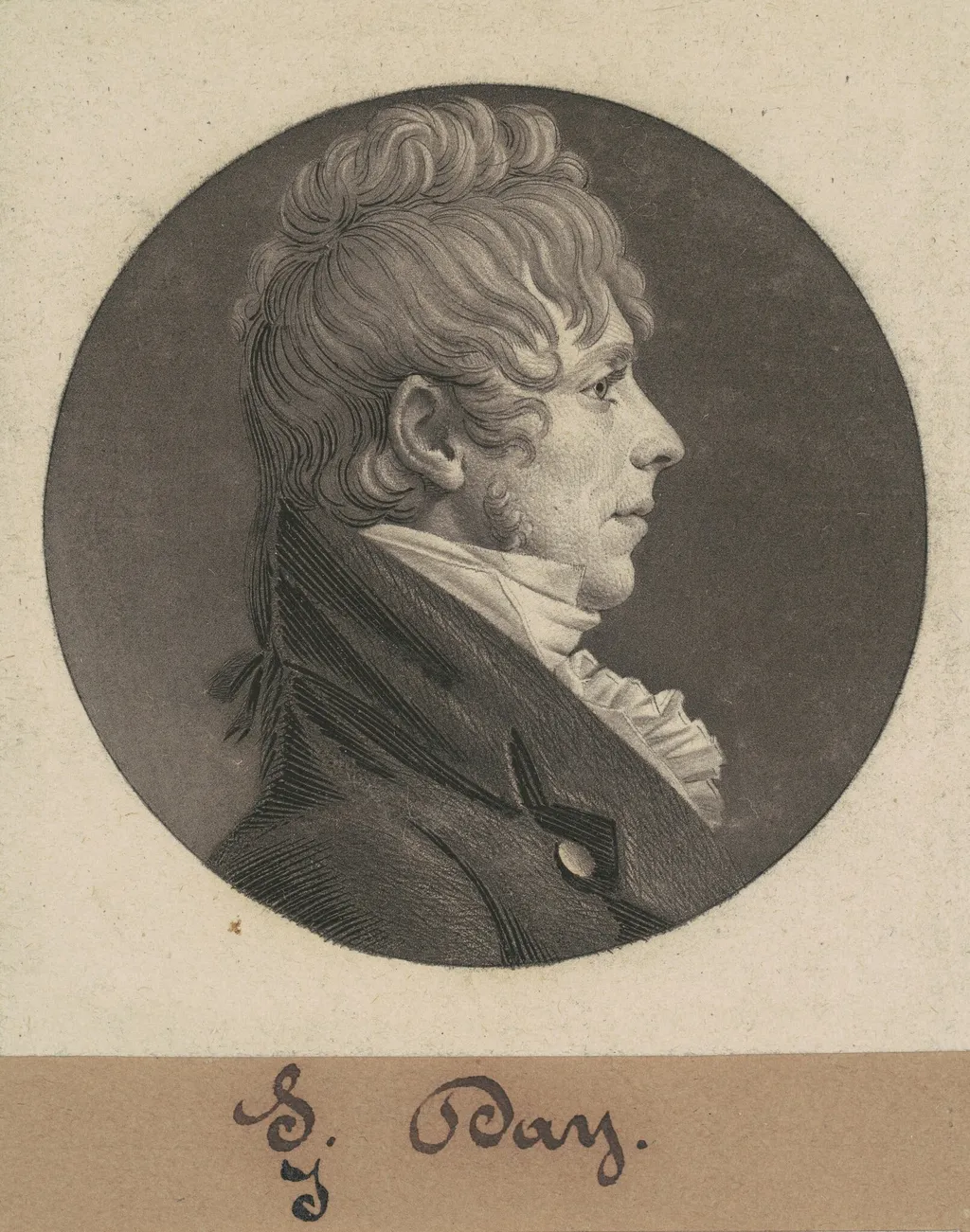
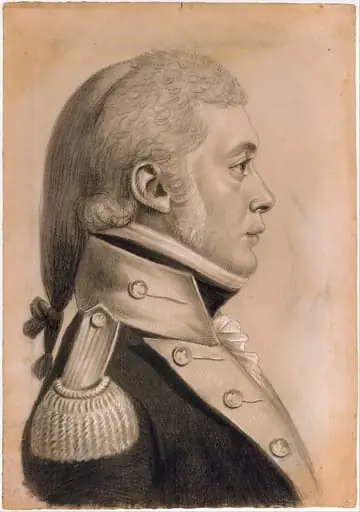
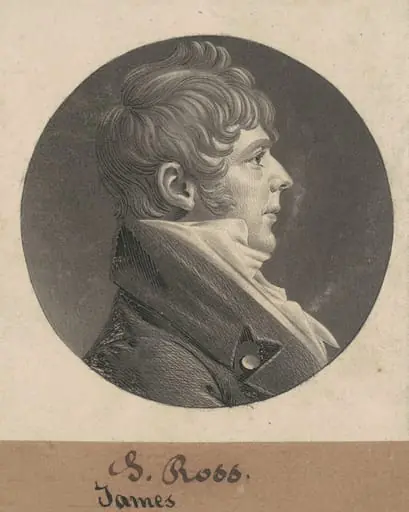
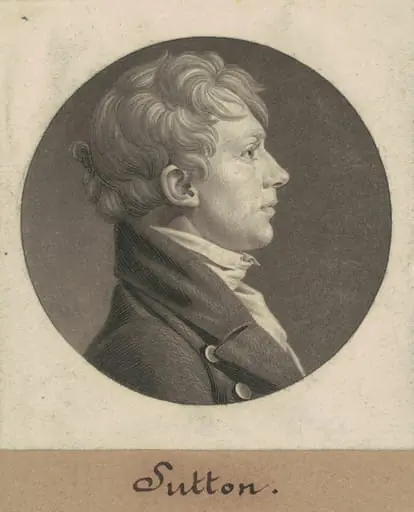
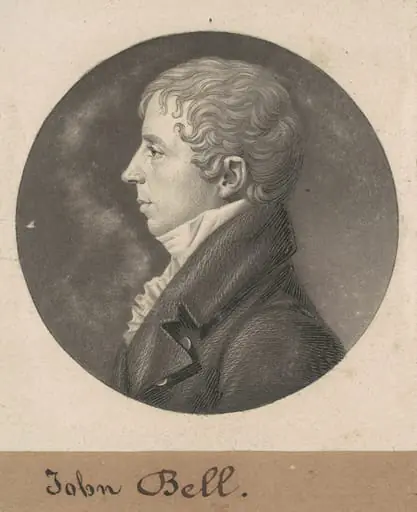
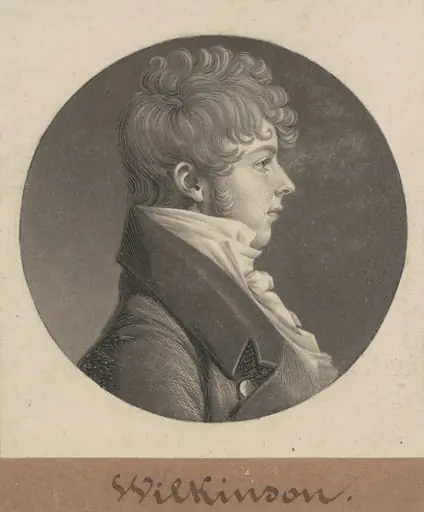
J. Day is an ink print by the Romanticist artist Charles Balthazar Julien Févret de Saint-Mémin. It dates from 1804 and is held in the collection of the National Gallery of Art. Created in 1804, this small print measures just over five and a half centimeters square.
About this work
This painting shows a young American man.
He looks straightforward, with no extra details. The artist made this small portrait in 1804.
It's part of a collection at the museum, which is interesting because it helps us learn about the people who lived back then.
You can find more works like this by visiting the museum: National Gallery of Art, Washington.
Overview
Created in 1804, this small print measures just over five and a half centimeters square. Executed in black mezzotint and engraving on wove paper that has been mounted to a brown backing, the work bears the title “J. Day.” It is attributed to Charles B. J. Févret de Saint‑Mémin and is held in the Corcoran Collection of the National Gallery of Art in Washington, D.C.
Subject & Meaning
The sitter’s gaze meets the viewer without adornment or background detail, focusing attention on his facial features and attire.
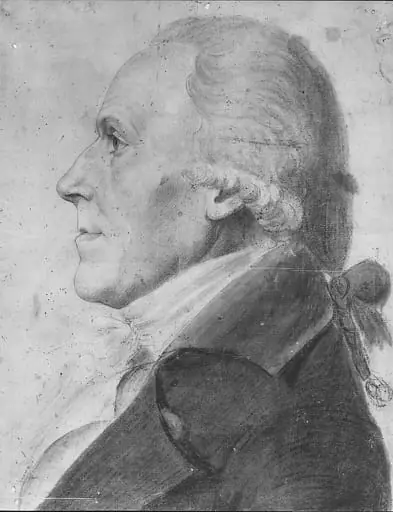
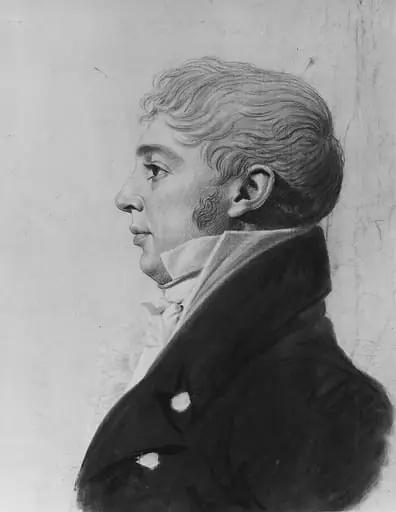
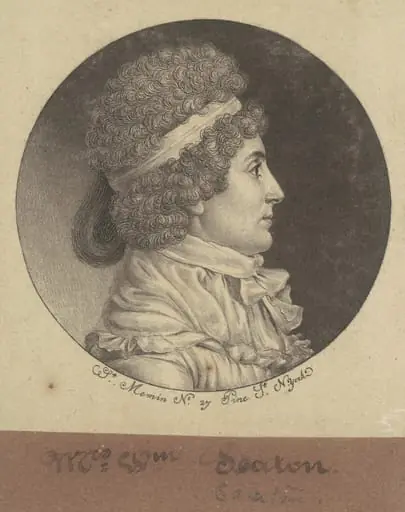
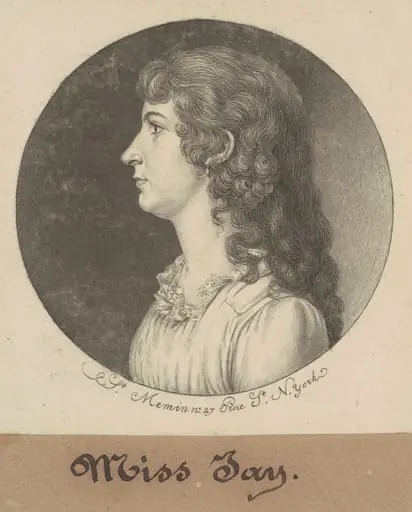
The image presents a young American male figure rendered in a direct, uncomplicated pose. The sitter’s gaze meets the viewer without adornment or background detail, focusing attention on his facial features and attire. While no narrative elements accompany the portrait, the straightforward representation suggests an intent to document the individual’s likeness for personal or commemorative purposes.
Technique & Style
The artist combined mezzotint—a tonal printing method that allows for subtle gradations of shade—with line engraving to achieve both depth and definition. The monochrome palette emphasizes contrast, while the fine incised lines delineate facial contours and clothing. The compact format required precise handling of the plate, resulting in a tightly controlled composition typical of early‑19th‑century portrait prints.
History & Provenance
After its creation, the print entered the Corcoran Collection, which later became part of the National Gallery of Art’s holdings. Its inclusion in this institutional collection reflects the museum’s interest in early American portraiture and the work of European‑trained artists who documented figures from the United States during the early Republic period.
Artist & collection

Artist
Charles Balthazar Julien Févret de Saint-Mémin
Charles Balthazar Julien Févret de Saint-Mémin (French pronunciation: ; 1770–1852) was a French portrait painter and museum director.