Artwork
Almond plant
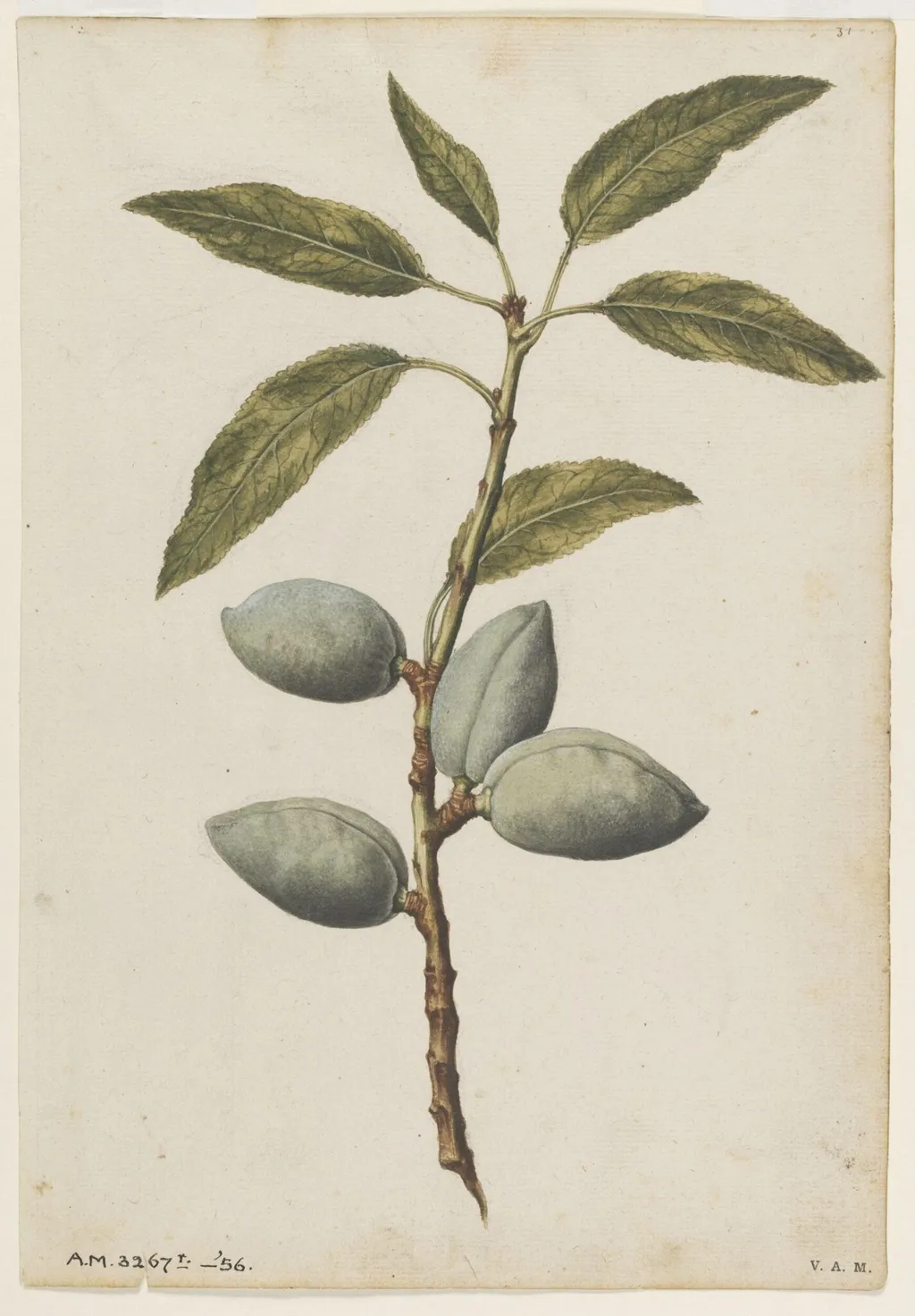
Almond plant is a watercolor work on paper by the Byzantine icon painting artist Jacques Le Moyne de Morgues. It dates from 1568 and is held in the collection of the Victoria and Albert Museum.
About this work
Overview
This watercolour depicts a single branch of an almond plant on a plain white sheet, part of a larger collection of 59 botanical studies.
This watercolour depicts a single branch of an almond plant on a plain white sheet, part of a larger collection of 59 botanical studies. Created in the late 16th century, the work is attributed to Jacques Le Moyne de Morgues and was acquired by the Victoria and Albert Museum in 1856 as part of a bound volume. The album’s binding, notable for its French calf leather, drew initial attention, but the drawings themselves are now recognized for their scientific and artistic value.
Subject & Meaning
The subject is a modest branch bearing almond leaves and three unripe fruit, rendered without embellishment or context. The focus on botanical accuracy suggests an intent to document plant morphology rather than convey symbolic meaning. This reflects a broader Renaissance shift toward empirical observation, where flora was studied as part of natural history, bridging aesthetic interest with emerging scientific inquiry.
Technique & Style
Executed in delicate watercolour, the painting captures fine details such as leaf veins and the subtle texture of unripe almonds. The palette is restrained—soft greens, browns, and muted grayish-blue—applied with precision on unadorned paper. The absence of background or shading directs attention entirely to the plant’s form, aligning with the conventions of Renaissance botanical illustration, where clarity and fidelity to nature were paramount.
History & Provenance
The watercolour belongs to a bound album compiled around 1575, likely in France, before Le Moyne relocated to London by 1580. It entered the Victoria and Albert Museum’s collection in 1856 as part of a volume originally valued for its binding. The attribution to Le Moyne rests on stylistic analysis and inscriptions, though no definitive documentation confirms his authorship. The album’s survival offers rare insight into pre-modern botanical recording practices.
Context
In the late 16th century, European scholars and collectors increasingly sought systematic records of plants, driven by exploration, medicine, and horticulture. This album aligns with that trend, mirroring the work of contemporaries who documented flora with precision. Unlike later botanical texts with color plates, these watercolours were intimate, hand-made studies, intended for private or academic use rather than public dissemination.
Legacy
Though not widely exhibited or celebrated in its time, the album contributes to the historical record of early scientific illustration. Its methodical approach influenced later botanical art, emphasizing observation over ornamentation. Today, it stands as a quiet testament to the Renaissance commitment to understanding nature through direct, careful study—values that underpinned the development of modern botany.
Artist & collection
Artist
Jacques Le Moyne de Morgues (French pronunciation: ; c. 1533–1588) was a French artist and member of Jean Ribault's expedition to the New World. His depictions of Native American life and culture, colonial life, and…

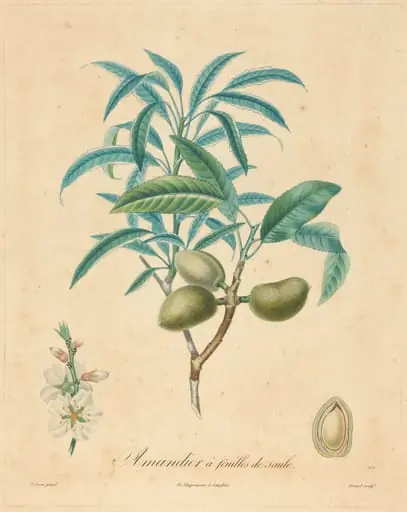 Amandier a feuilles de saulle
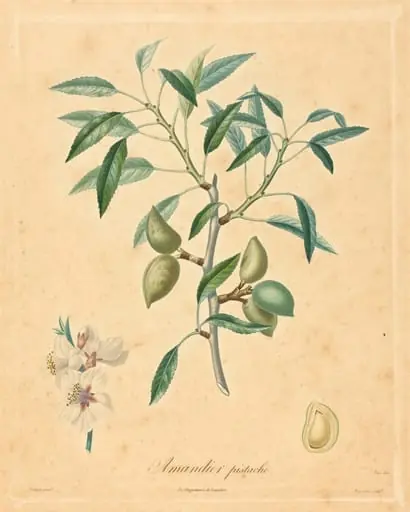 Amandier pistache
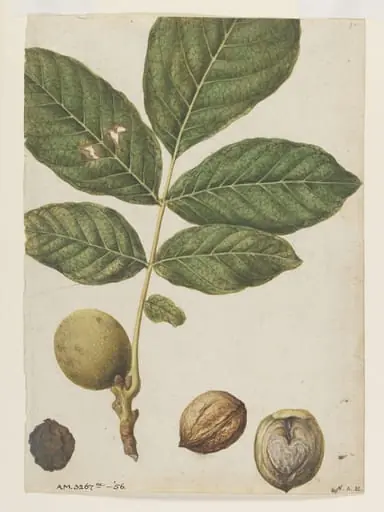 Walnuts
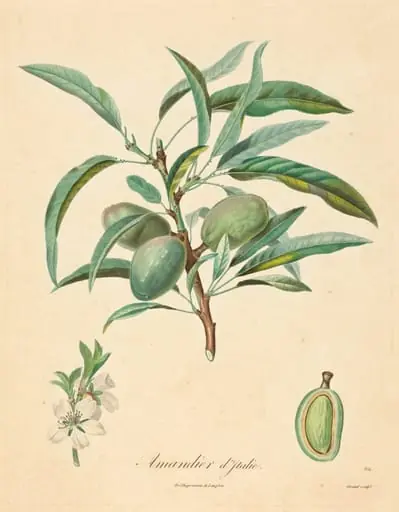 Amandier d'Italie
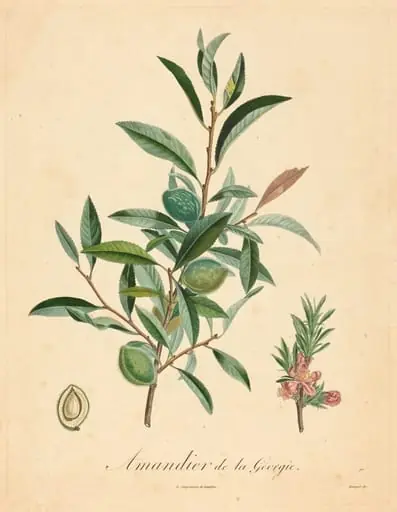 Amandier de la Georgie
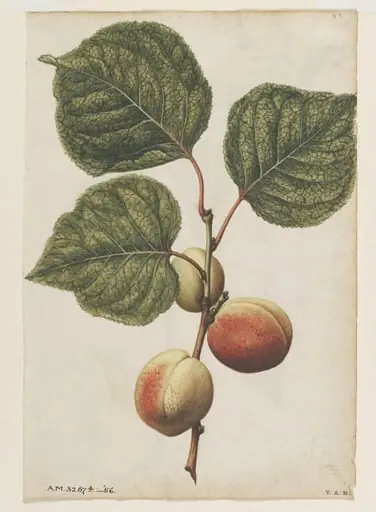 Apricots; Cherries
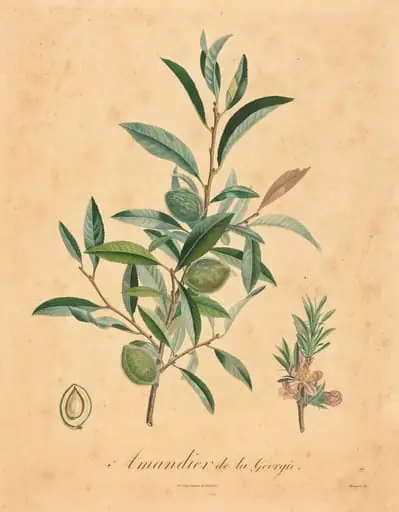 Amandier de la Georgie
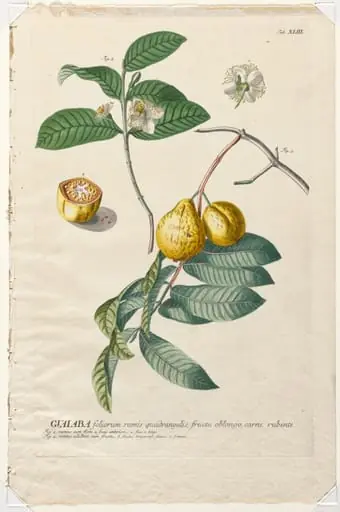 Plantae Selectae: No. 43 - Guaiaba
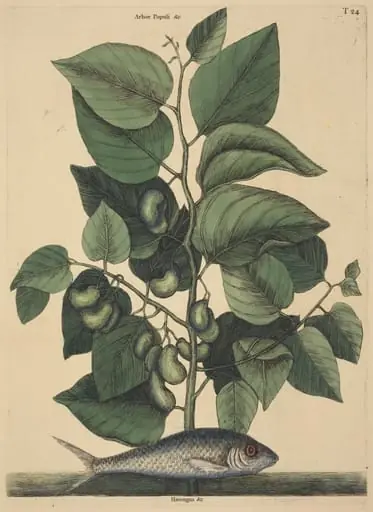 The Pilchard (Argentina carolina)
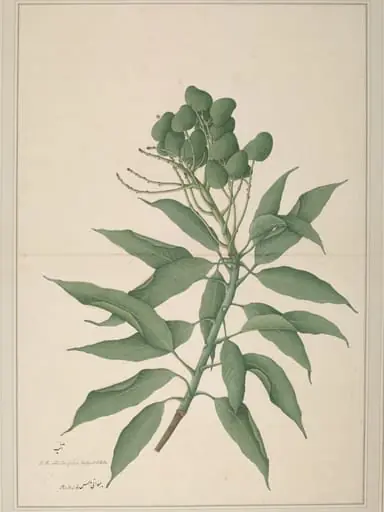 A branch of a mango tree ('Mangifera Indica') bearing unripe fruits
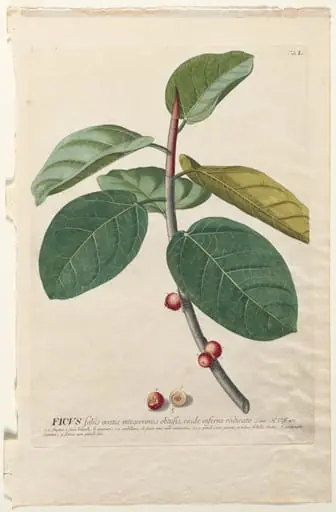 Plantae Selectae: No. 50 - Ficus
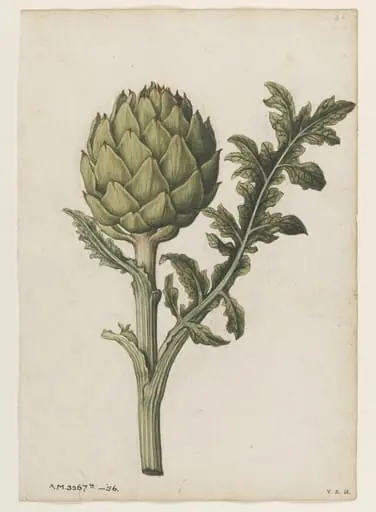 Globe artichoke