Artwork
Walnuts
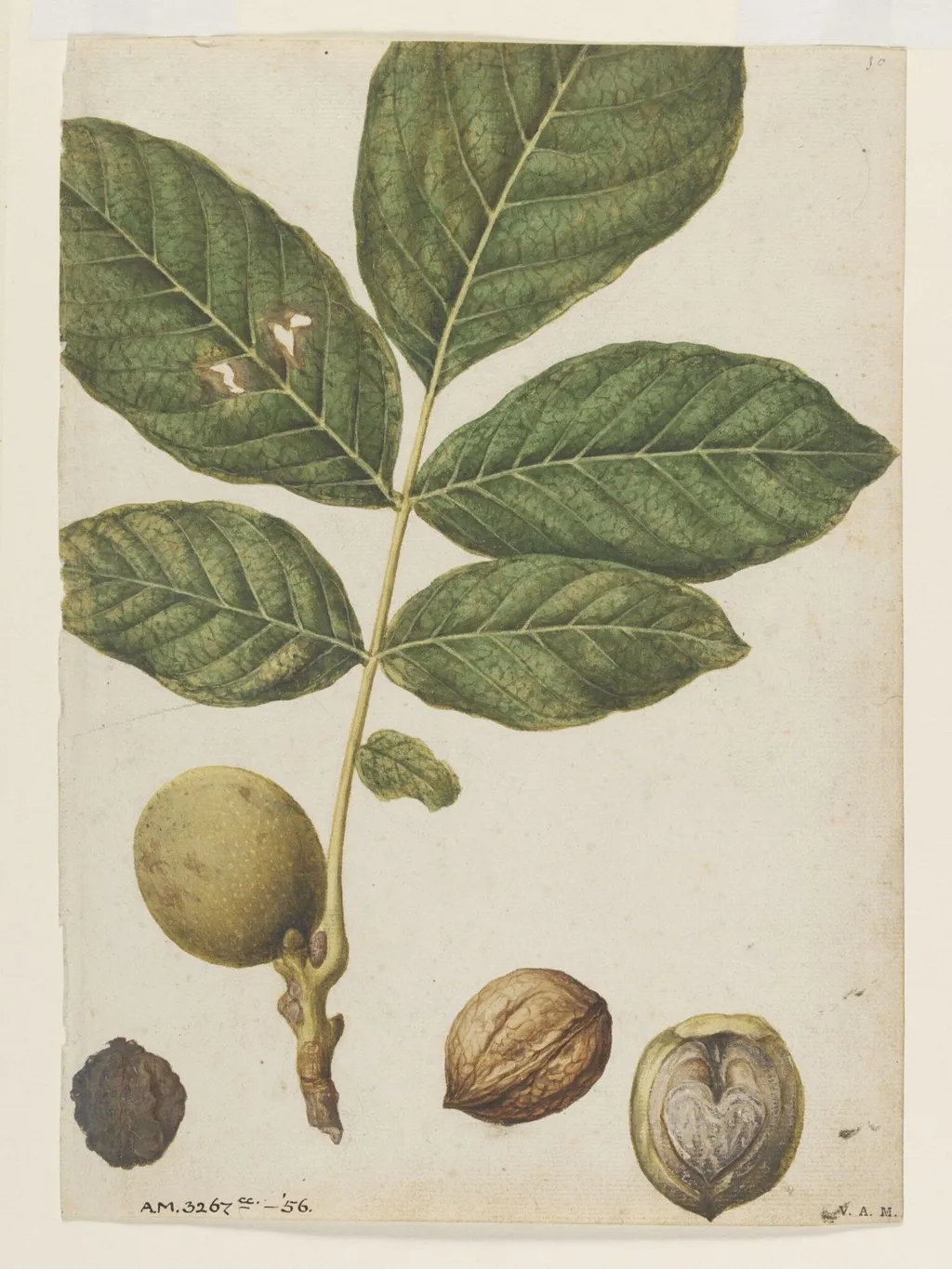
Walnuts is a watercolor work on paper by the Early Baroque Italian artist Jacques Le Moyne de Morgues. It dates from 1568 and is held in the collection of the Victoria and Albert Museum.
About this work
Overview
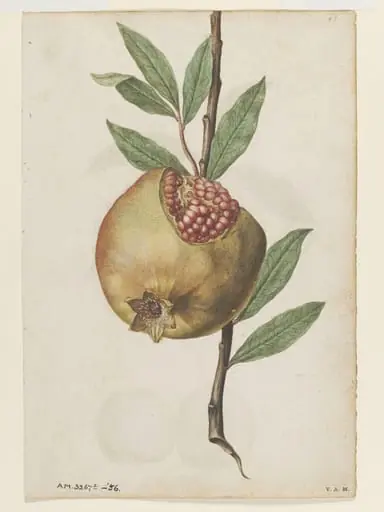
Executed on paper, it depicts a single twig of the walnut tree bearing both a whole nut and one split open to reveal its interior.
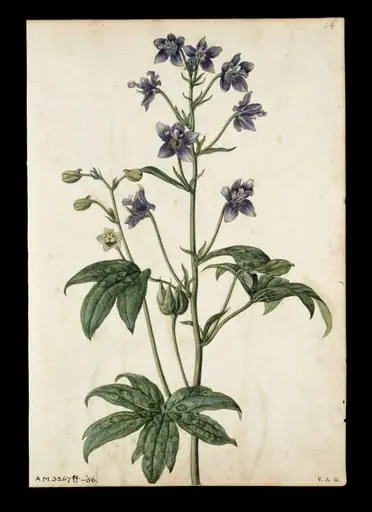
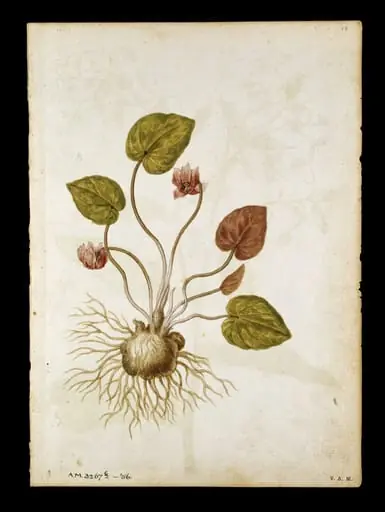
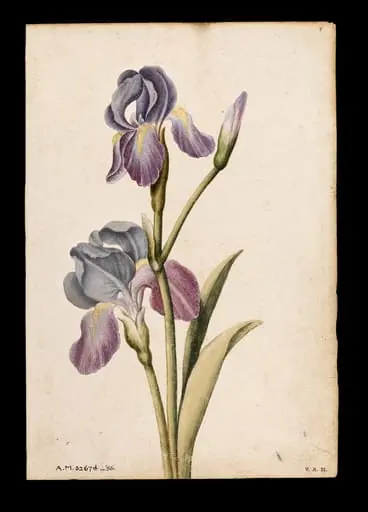
This watercolour is one of fifty-nine botanical studies attributed to Jacques Le Moyne de Morgues, created around 1575. Executed on paper, it depicts a single twig of the walnut tree bearing both a whole nut and one split open to reveal its interior. Unlike some sheets in the album, this piece is single-sided. The work remained largely unknown until its rediscovery in the early twentieth century, after which it gained recognition for its scientific precision and delicate execution.
Subject & Meaning
The subject is a naturalistic rendering of a walnut branch, emphasizing botanical accuracy over ornamentation. The inclusion of a halved nut allows for detailed observation of the kernel and inner shell, suggesting an intent to document plant structure for study rather than decorative use. This focus on anatomical clarity reflects an emerging Renaissance interest in empirical observation of the natural world, aligning with early scientific botany.
Technique & Style
Le Moyne employed fine brushwork and transparent watercolour washes to capture the texture of bark, the glossy surface of the nut, and the fragile membrane enclosing the kernel. The composition is restrained, with no background or embellishment, directing attention solely to the specimen. His technique demonstrates a meticulous attention to form and light, distinguishing these works from the more schematic illustrations common in his era.
History & Provenance
The watercolour was part of a private album created during Le Moyne’s time in France, likely intended as a personal study collection. After his death, the album disappeared from public view for centuries. It resurfaced in the early 1900s, when art historians began reevaluating his oeuvre. The sheets were subsequently acquired by the Victoria and Albert Museum, where they remain today as key examples of early modern botanical art.
Context
Le Moyne’s botanical watercolours were produced during a period when European naturalists were increasingly documenting flora through direct observation. While he was previously known only for crude woodcut designs, these watercolours reveal a deeper engagement with scientific illustration. They align with contemporaneous efforts in Italy and the Low Countries to record plant life with accuracy, predating the formal establishment of botanical illustration as a discipline.
Legacy
The rediscovery of Le Moyne’s watercolours reshaped his artistic reputation, shifting him from a marginal figure to a significant early practitioner of botanical art. His precise, unadorned depictions are now valued for their contribution to the transition from symbolic to empirical representation in natural history. These works stand as quiet but influential precursors to the systematic plant studies that would flourish in the following centuries.
Artist & collection
Artist
Jacques Le Moyne de Morgues (French pronunciation: ; c. 1533–1588) was a French artist and member of Jean Ribault's expedition to the New World. His depictions of Native American life and culture, colonial life, and…