Artwork
Foxglove
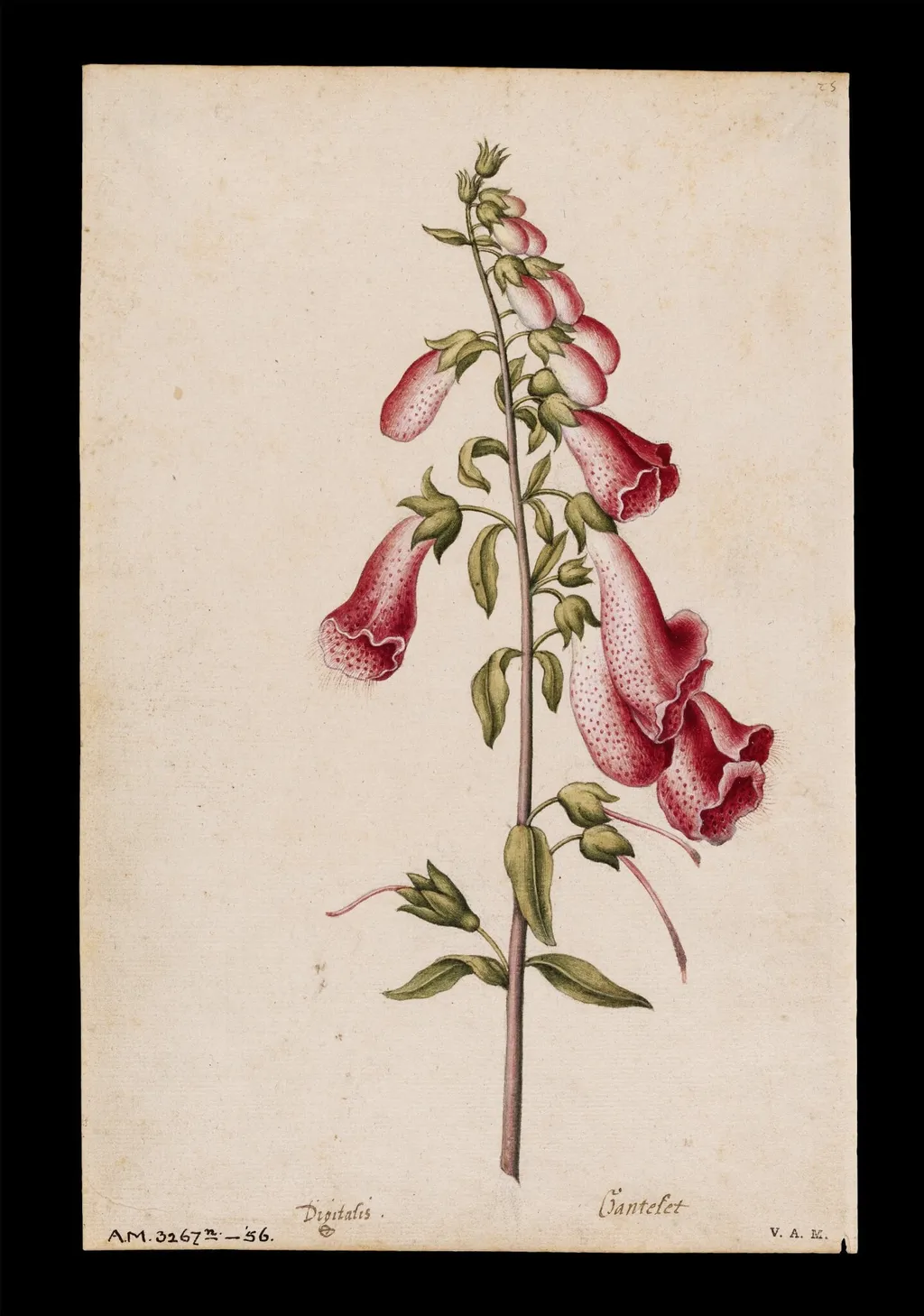
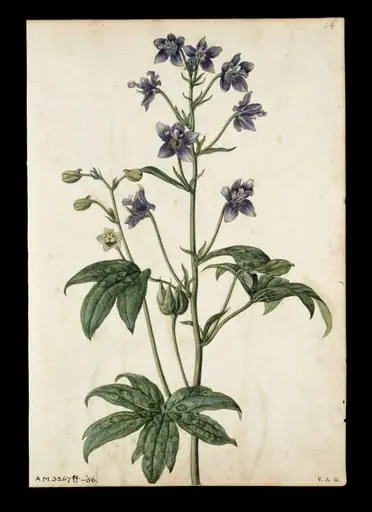
Foxglove is a watercolor work on paper by the Early Baroque Italian artist Jacques Le Moyne de Morgues. It dates from 1568 and is held in the collection of the Victoria and Albert Museum.
About this work
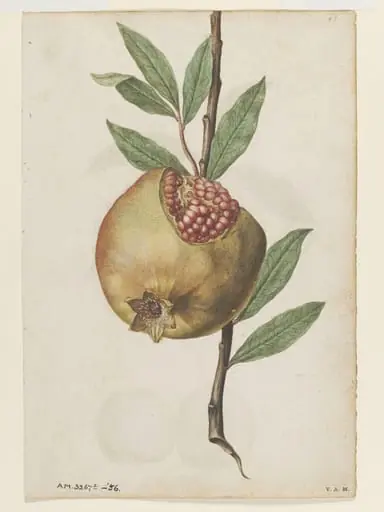
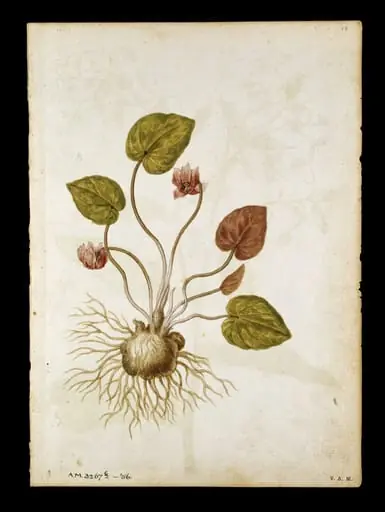
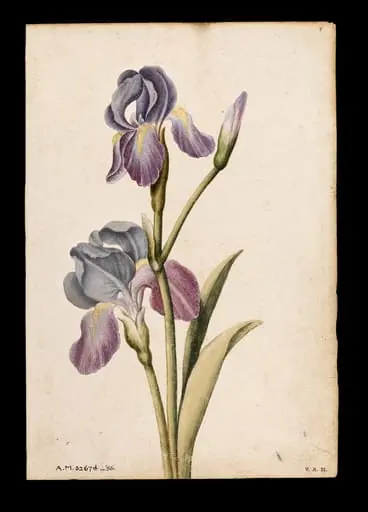
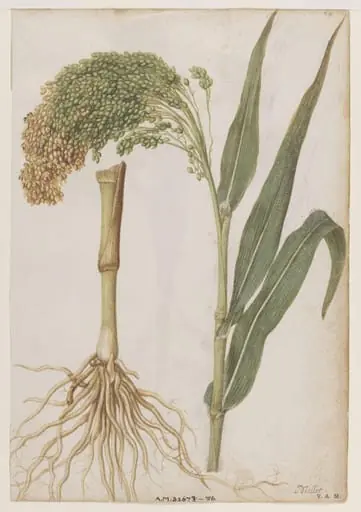
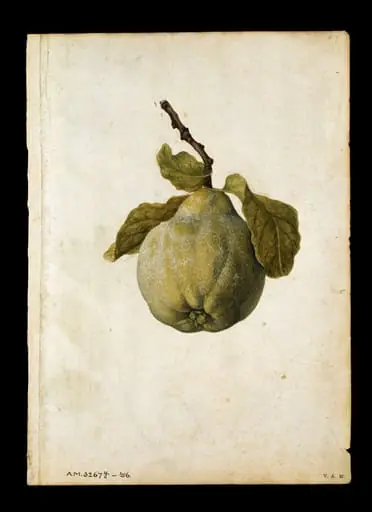
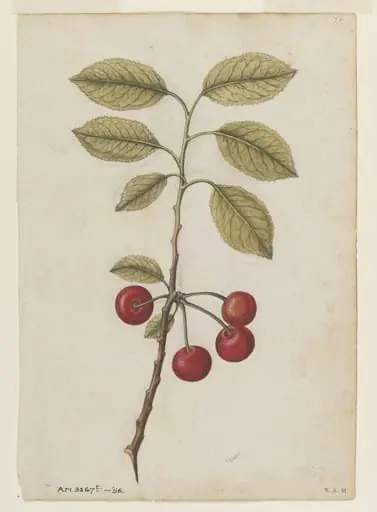
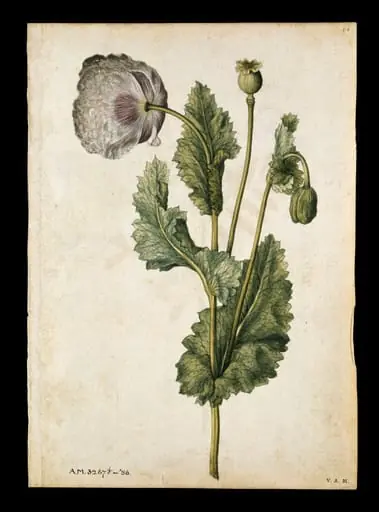
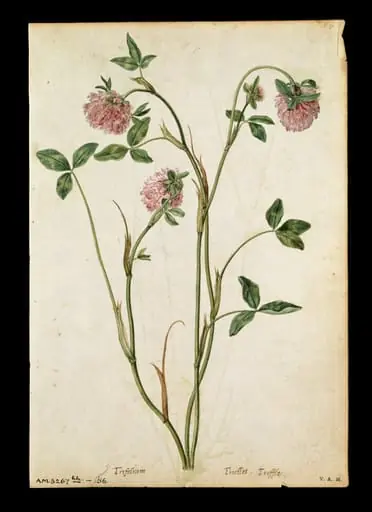
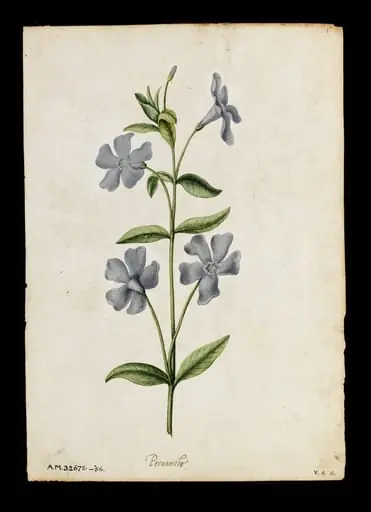
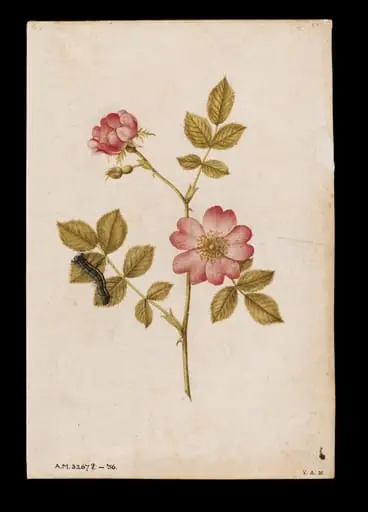
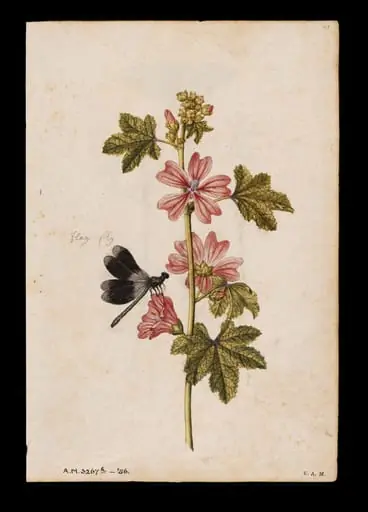
This is a watercolor painting of foxglove flowers made around 1560–1575. It shows one of 59 detailed studies of plants and insects by Jacques Le Moyne de Morgues in the V&A’s collection.
These precise drawings helped jewelers, embroiderers and other craftsmen pick patterns. They weren’t just art—they were tools.
Look up the Victoria and Albert Museum to see more from their collection.
Overview
Created between 1560 and 1575, this watercolour depicts a cluster of foxglove blossoms rendered with meticulous detail. It forms part of a series of fifty‑nine botanical and entomological studies executed by Jacques Le Moyne de Morgues, now held in the Victoria and Albert Museum’s collection.
Subject & Meaning
The image records the form and coloration of Digitalis, a plant valued for its striking tubular flowers. By isolating the specimen against a plain background, the drawing emphasizes the botanical structure, serving both as a visual record and a source of decorative motifs for contemporary crafts.
Technique & Style
Le Moyne employed transparent washes of pigment to achieve delicate shading, allowing the white of the paper to convey luminosity. Fine, controlled brushstrokes outline each petal and leaf, while subtle variations in hue suggest depth, reflecting the Renaissance interest in accurate natural observation.
History & Provenance
Jacques Le Moyne de Morgues (c.1533–1588), a French painter, illustrator and explorer, worked in London and accompanied Sir Walter Raleigh on voyages to Florida. The watercolour entered the Victoria and Albert Museum as part of its holdings of his botanical studies, which were gathered for their scientific and decorative relevance.
Context
These precise renderings were intended as reference material for artisans such as jewelers, embroiderers, and other craftsmen who required reliable models for ornamental design. The drawings thus functioned as practical tools within the 16th‑century network of pattern dissemination, bridging observation and applied art.
Artist & collection
Artist
Jacques Le Moyne de Morgues (French pronunciation: ; c. 1533–1588) was a French artist and member of Jean Ribault's expedition to the New World. His depictions of Native American life and culture, colonial life, and…