Artwork
Melon; Cucumber
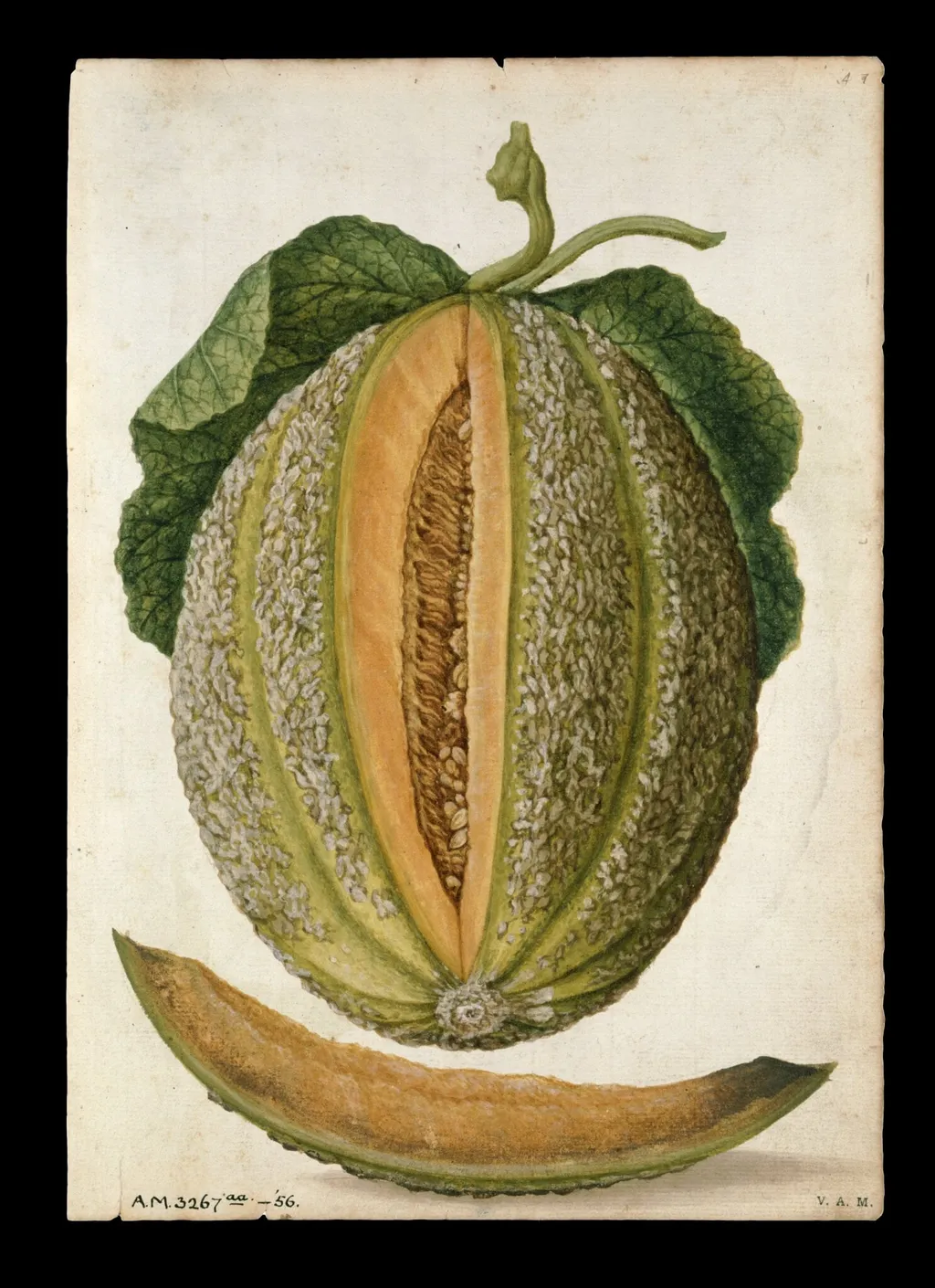
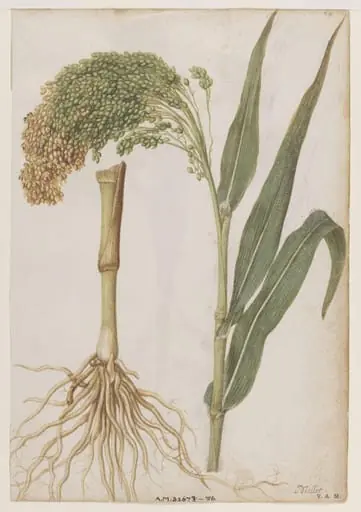
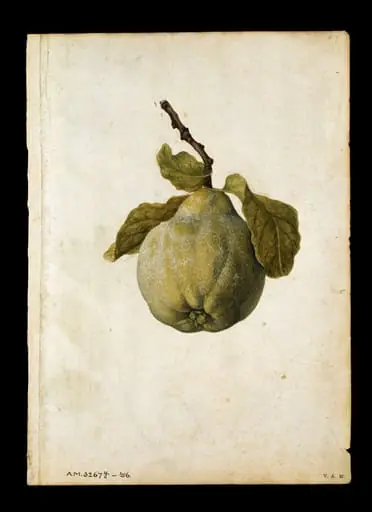
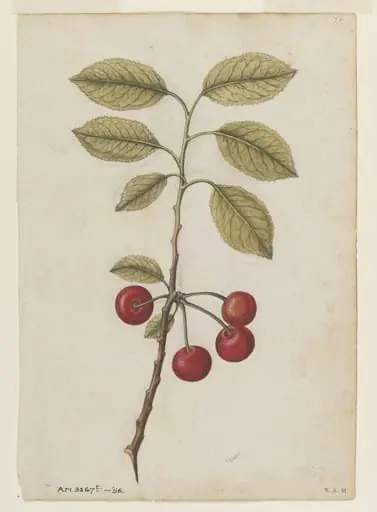
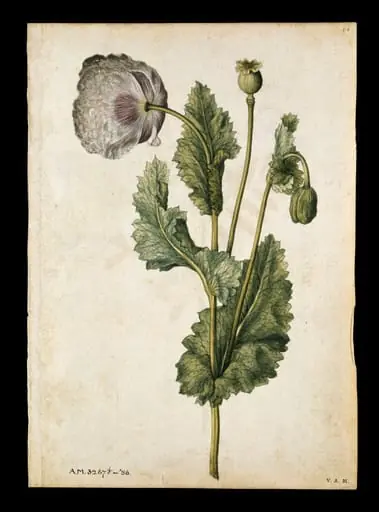
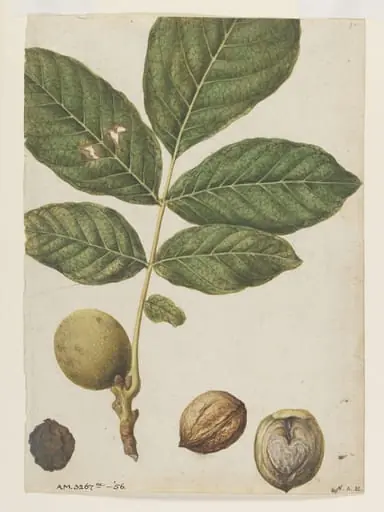
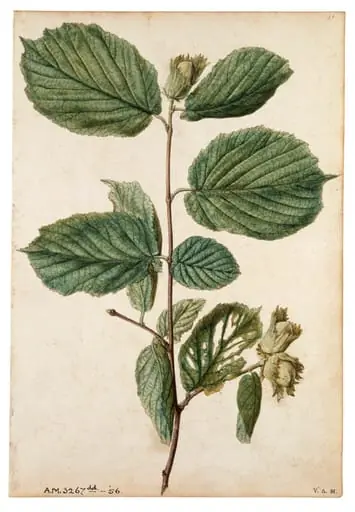
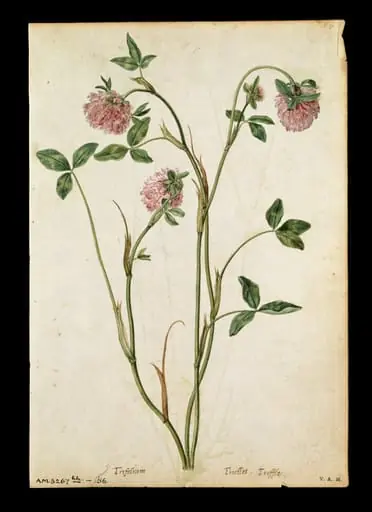
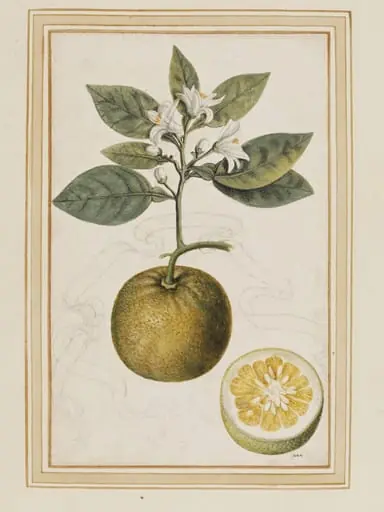
Melon; Cucumber is a watercolor work on paper by the Barbizon school artist Jacques Le Moyne de Morgues. It dates from 1568 and is held in the collection of the Victoria and Albert Museum. This watercolour on paper is one of fifty-nine botanical studies attributed to Jacques Lemoyne de Morgues, created circa 1575.
About this work
Overview
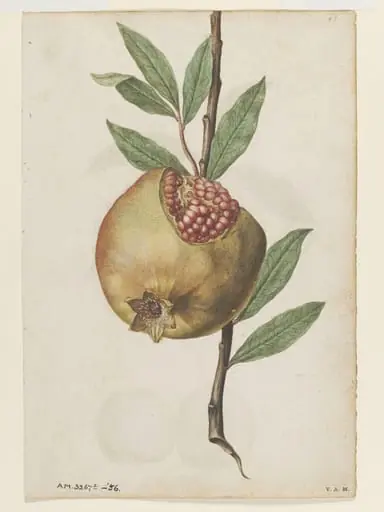
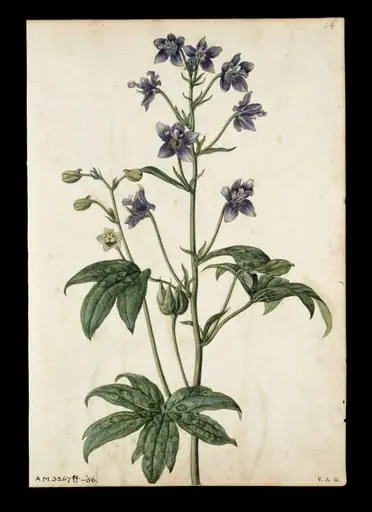
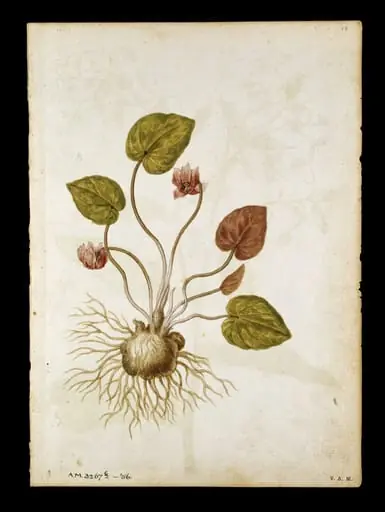
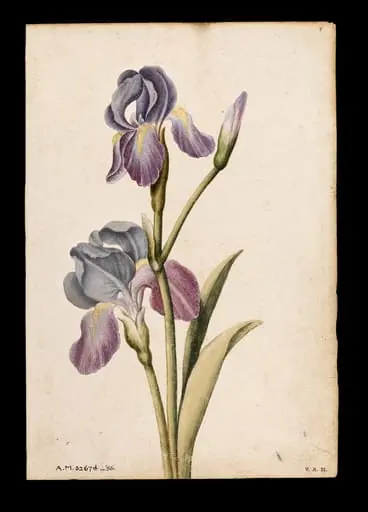
This watercolour on paper is one of fifty-nine botanical studies attributed to Jacques Lemoyne de Morgues, created circa 1575.
This watercolour on paper is one of fifty-nine botanical studies attributed to Jacques Lemoyne de Morgues, created circa 1575. The sheet is double-sided, featuring a melon with a sliced section on the front and a cucumber on the reverse. Part of a compact album, these works represent a rare survival of early European botanical observation rendered in watercolour, distinct from Lemoyne’s better-known woodcut designs.
Subject & Meaning
The melon and cucumber are depicted with careful attention to natural form and texture, suggesting a scientific intent rather than decorative purpose. The sliced melon reveals internal structure, indicating an interest in botanical anatomy. These plants, likely observed in European gardens or cultivated in colonial contexts, reflect a growing Renaissance curiosity in documenting flora with accuracy and detail.
Technique & Style
Lemoyne employed delicate watercolour washes to capture subtle variations in skin tone and surface sheen. The melon’s rind is rendered with soft gradations, while the cucumber’s ridges are defined by fine, controlled lines. The absence of heavy outlines and the transparency of the medium convey a quiet realism, aligning the work with emerging naturalist practices rather than stylized illustration.
History & Provenance
The album remained largely unknown until its rediscovery in the early 20th century. Prior to this, Lemoyne was recognized only for his contributions to woodcut illustrations. These watercolours, preserved in private collections before entering institutional holdings, shifted scholarly perception of his artistic range and technical skill, establishing him as an early figure in botanical art.
Context
Created during a period of expanding botanical inquiry in Europe, these drawings coincide with the rise of herbals and plant collections tied to exploration and medicine. Unlike later scientific illustrations, Lemoyne’s work lacks labels or measurements, suggesting a more personal or preparatory function—perhaps studies for future publications or private reference among naturalists.
Legacy
Lemoyne’s watercolours redefined his artistic legacy, revealing an observational precision absent in his earlier graphic work. They stand as early examples of direct botanical study in watercolour, influencing later traditions of plant illustration. Their survival and recognition underscore the value of small-scale, non-commercial artworks in the history of scientific visual culture.
Artist & collection
Artist
Jacques Le Moyne de Morgues (French pronunciation: ; c. 1533–1588) was a French artist and member of Jean Ribault's expedition to the New World. His depictions of Native American life and culture, colonial life, and…