Artwork
Banks of the Marne (Bord de la Marne)
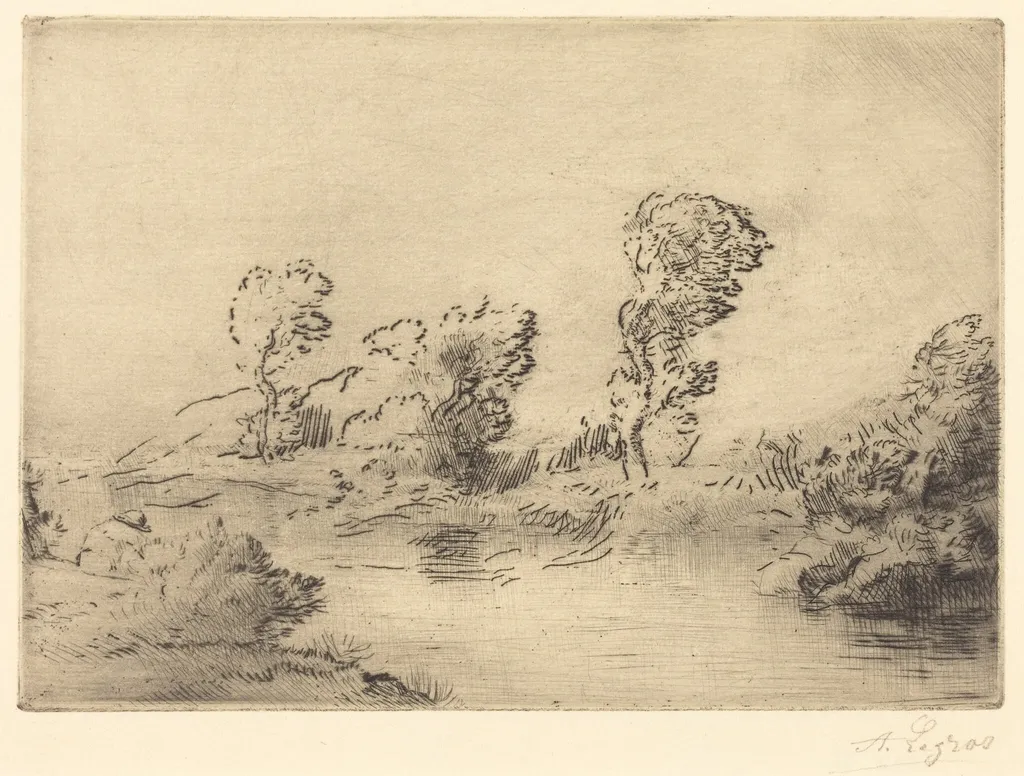
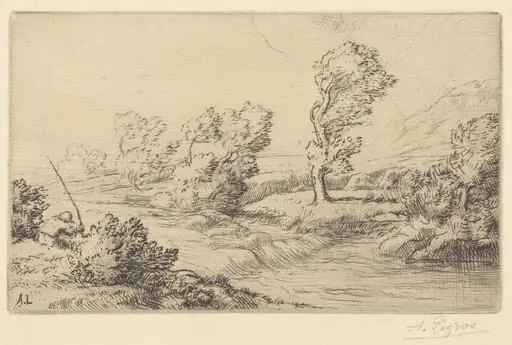
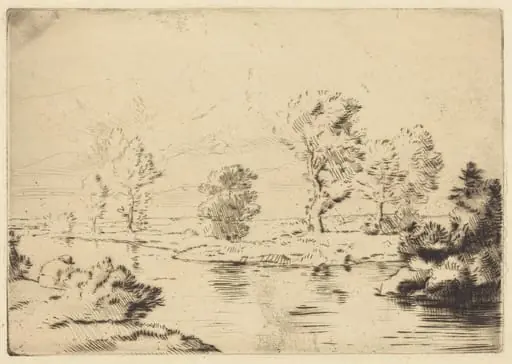
Banks of the Marne (Bord de la Marne) is an ink print by the Romanticist artist Alphonse Legros. It dates from 1874 and is held in the collection of the National Gallery of Art.
About this work
Overview
Banks of the Marne (Bord de la Marne), created in 1874 by Alphonse Legros, is a print that combines drypoint with possible etching elements. The work showcases a serene riverside landscape.
Subject & Meaning
The print depicts a peaceful Marne riverscape with a central river, tree-lined banks, foreground rocks, and grass tufts. The scene conveys tranquility, with the dynamic play of light on water introducing a sense of subtle movement.
Technique & Style
Legros employed drypoint, and possibly etching, to achieve depth and nuance. The muted color palette, including a soft gray sky, enhances the serene atmosphere, while the drypoint technique adds texture and visual interest.
History & Provenance
Created in 1874 by French-born, British-naturalized artist Alphonse Legros, this work reflects his role in Britain's etching revival after his 1863 relocation to London.
Context
As a multifaceted artist (painter, sculptor, printmaker), Legros's exploration of drypoint/etching in *Banks of the Marne* aligns with his broader contributions to revitalizing etching techniques in late 19th-century Britain.
Legacy
While *Banks of the Marne* specifically may not be widely recognized beyond art historical circles, it represents Legros's enduring influence on British printmaking and the resurgence of etching as an artistic medium during his time.
Own this work as a print
Artist & collection

Artist
Alphonse Legros (French pronunciation: ; 8 May 1837 – 8 December 1911) was a French, later British, painter, etcher, sculptor, and medallist.




 Banks of the Marne (Bord de la Marne)
 Banks of the Marne (Bord de la Marne)
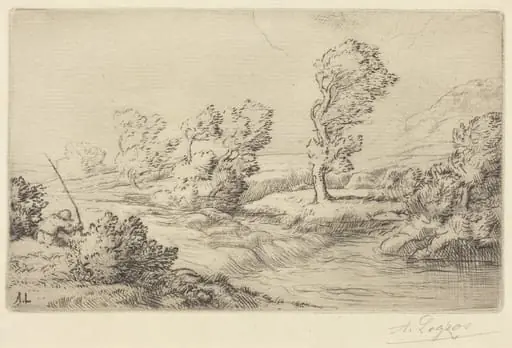 Banks of the Marne (Bord de la Marne)
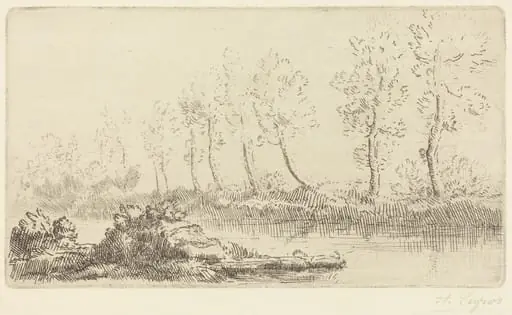 Banks of the Adour (Bord de l'Adour)
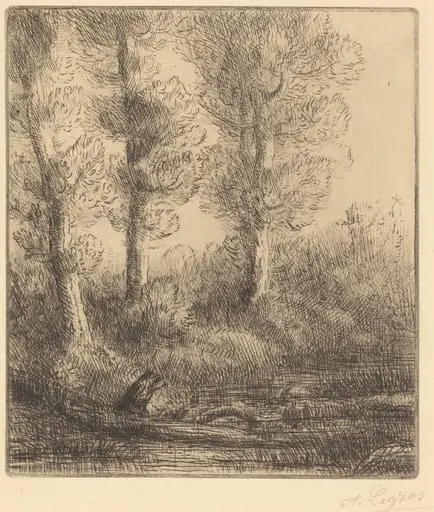 Banks of the Saint-Pre (Rive du Saint-Pre)
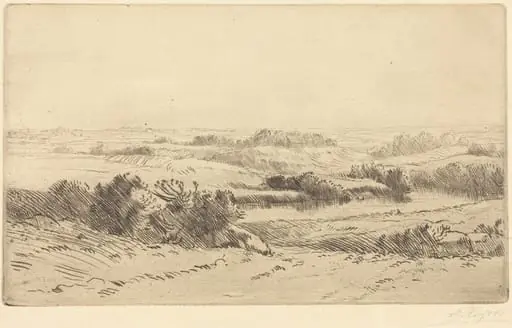 Banks of the Yanne (Les bords de la Yanne)
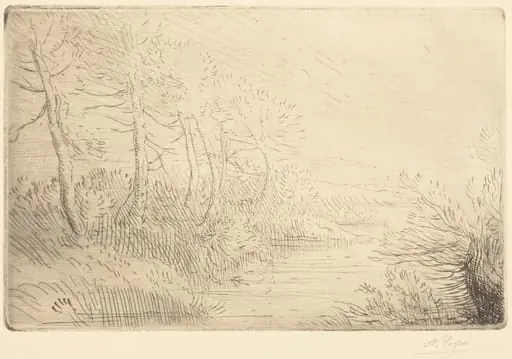 Riverbank (Bord de la riviere)
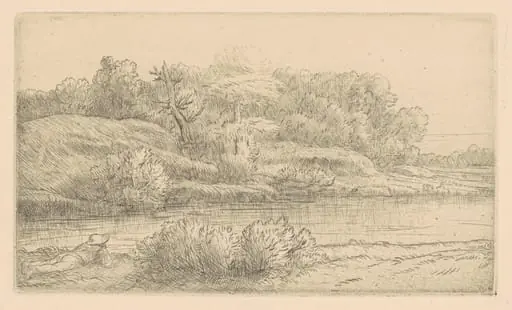 Banks of the Venelle (Bord de la Venelle)
 Banks of the Saint-Pre (Rive du Saint-Pre)
 Along the Marne (Sur la Marne)