Artwork
Banks of the Marne (Bord de la Marne)
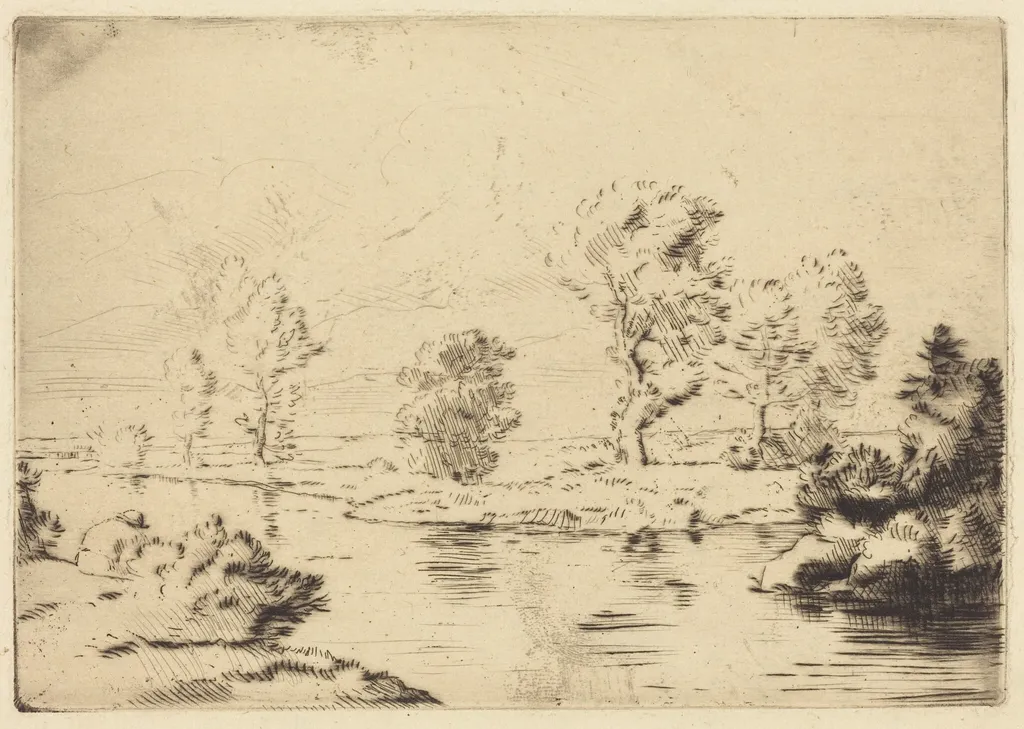
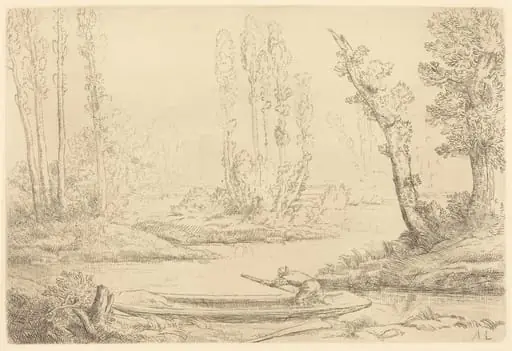
Banks of the Marne (Bord de la Marne) is an ink print by the Romanticist artist Alphonse Legros. It dates from 1874 and is held in the collection of the National Gallery of Art.
About this work
Overview
Created in 1874 by Alphonse Legros, *Banks of the Marne* is a print executed in drypoint, possibly with etching, on light green paper.
Created in 1874 by Alphonse Legros, *Banks of the Marne* is a print executed in drypoint, possibly with etching, on light green paper. Legros, originally from France and later based in London, was a multifaceted artist known for his contributions to printmaking. This work exemplifies his engagement with landscape through direct, tactile mark-making, reflecting his interest in the expressive potential of graphic media during a period of renewed interest in etching in Britain.
Subject & Meaning
The scene captures a quiet stretch of the Marne River’s edge, where sparse vegetation and still water suggest a moment of rural solitude. No human figures appear, emphasizing nature’s quiet persistence. The untamed, irregular forms of trees and shrubs convey a sense of wildness, aligning with 19th-century artistic tendencies to portray landscapes as unrefined and emotionally resonant rather than idealized.
Technique & Style
Legros employed drypoint to create dense, scratchy lines that bite into the paper, producing a rich, velvety texture. The loose, rapid strokes suggest direct observation and spontaneity, with branches rendered as energetic scribbles rather than defined forms. The light green paper subtly influences the tonal harmony, enhancing the atmospheric quality and grounding the image in a muted, natural palette.
History & Provenance
Legros moved to London in 1863 and became a central figure in the British etching revival, teaching at the Slade School and influencing a generation of printmakers. *Banks of the Marne* was made during a period when he frequently returned to France, drawing inspiration from its rural landscapes. The work reflects his dual cultural identity and his commitment to printmaking as a serious artistic medium, distinct from painting.
Context
In the 1870s, European artists increasingly turned to direct, unidealized depictions of nature, rejecting academic conventions. Legros’s approach aligned with broader trends in realism and the emerging interest in the artist’s hand. His use of drypoint—known for its immediacy and tactile quality—resonated with contemporaries seeking authenticity in representation, particularly among those influenced by the Barbizon School.
Legacy
Legros’s prints, including *Banks of the Marne*, helped reestablish etching as a respected medium in Britain. His emphasis on expressive line and material honesty influenced later generations of printmakers. Though less widely known today, his work remains a significant example of how 19th-century artists used graphic techniques to convey emotional depth and natural presence without embellishment.
Own this work as a print
Artist & collection

Artist
Alphonse Legros (French pronunciation: ; 8 May 1837 – 8 December 1911) was a French, later British, painter, etcher, sculptor, and medallist.

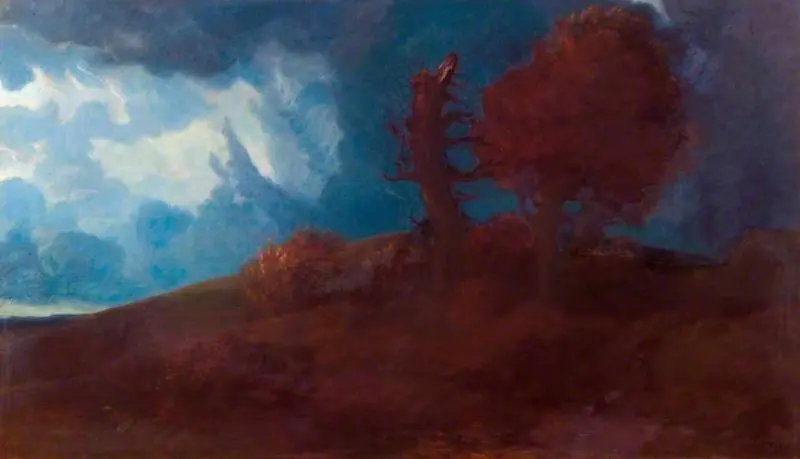
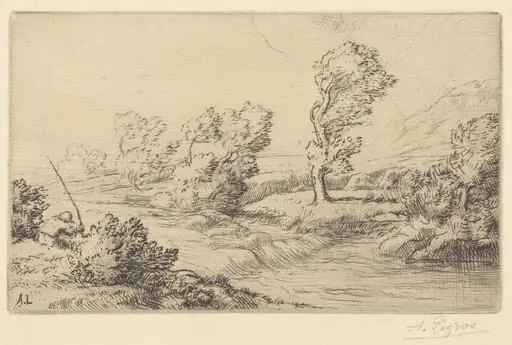 Banks of the Marne (Bord de la Marne)
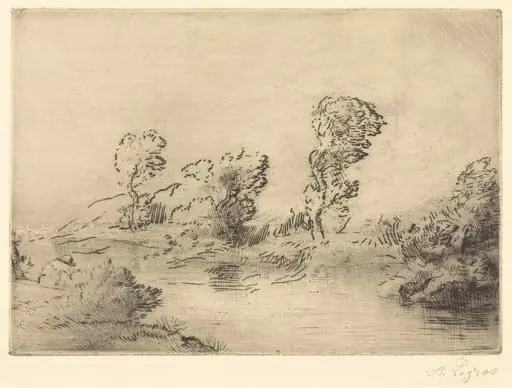 Banks of the Marne (Bord de la Marne)
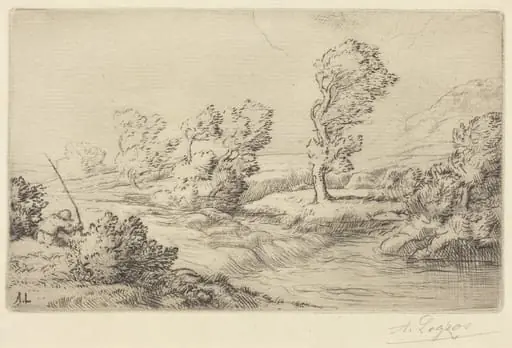 Banks of the Marne (Bord de la Marne)
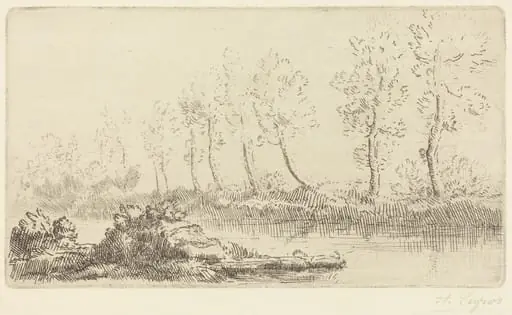 Banks of the Adour (Bord de l'Adour)
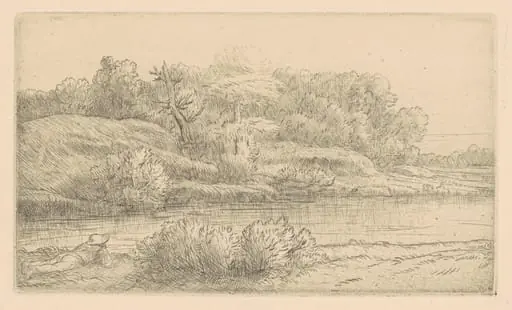 Banks of the Venelle (Bord de la Venelle)
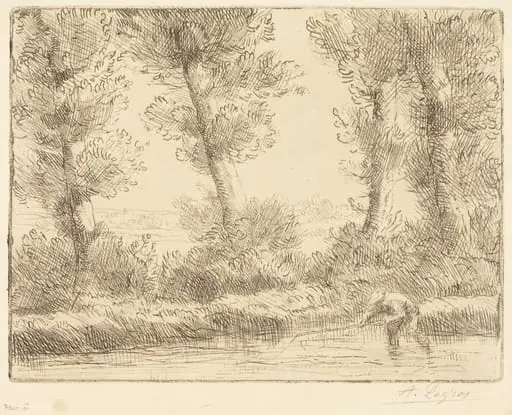 Banks of the Liane (Les bords de la Liane)
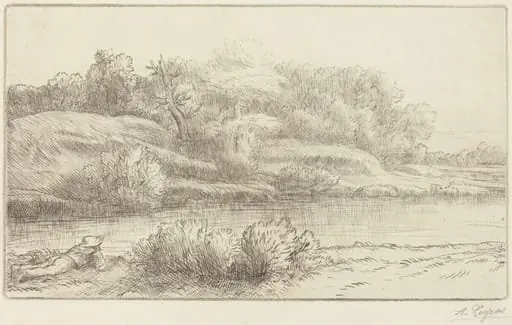 Banks of the Venelle (Bord de la Venelle)
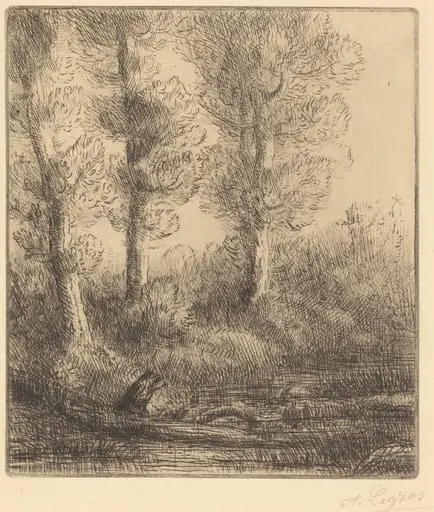 Banks of the Saint-Pre (Rive du Saint-Pre)
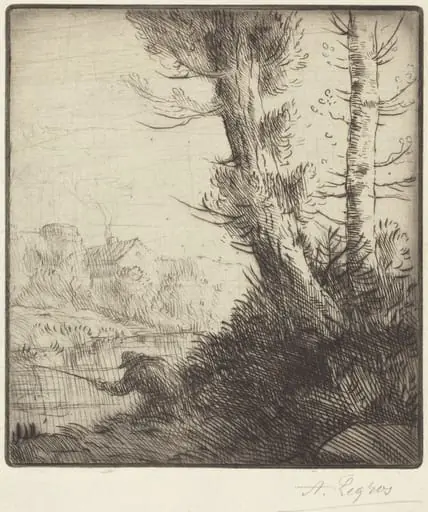 Banks of the Oise (Bord de l'Oise)
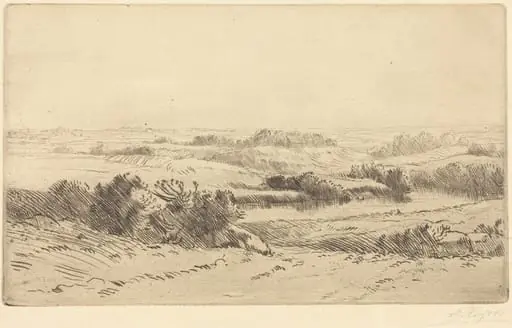 Banks of the Yanne (Les bords de la Yanne)
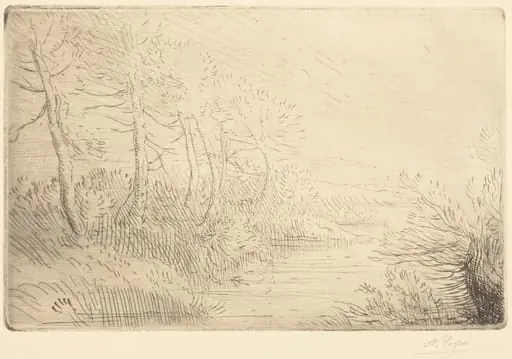 Riverbank (Bord de la riviere)
 Banks of the Somme near Amiens (Bord de la Somme pres d'Amiens)