Artwork
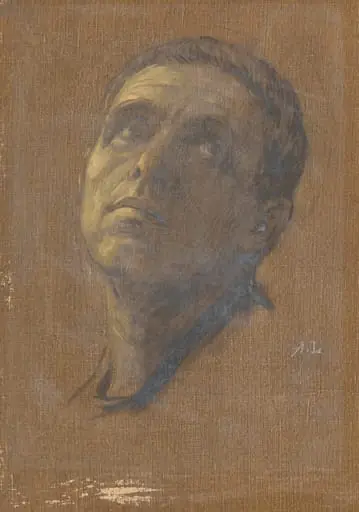
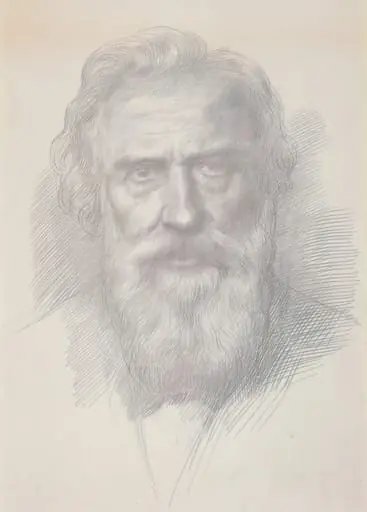
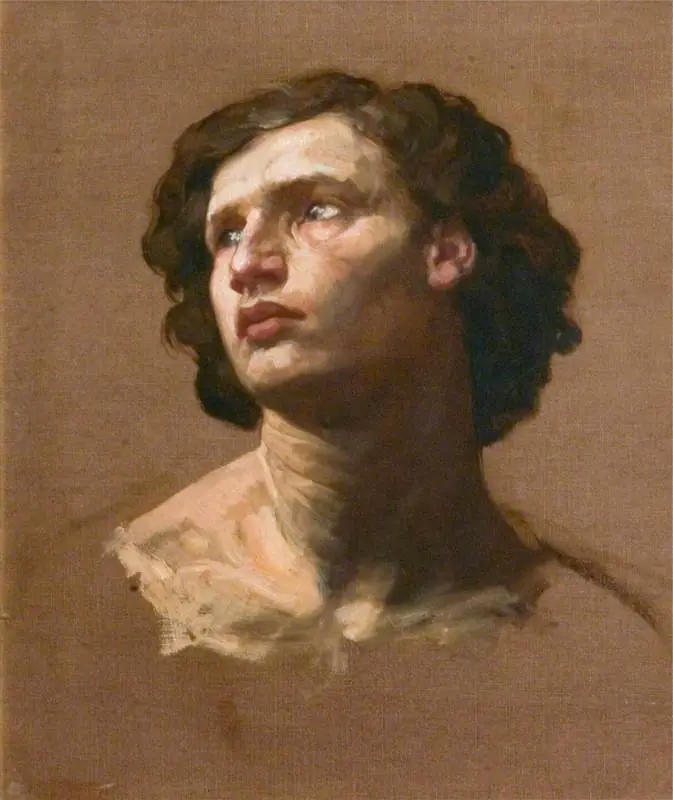
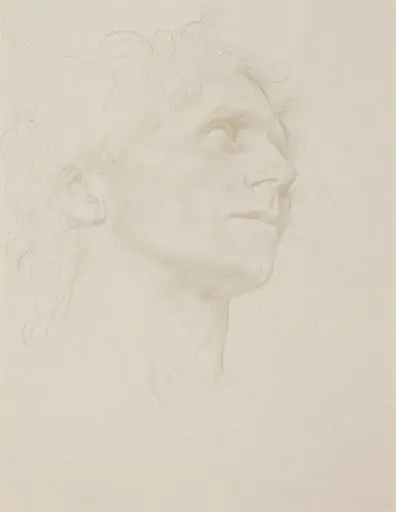
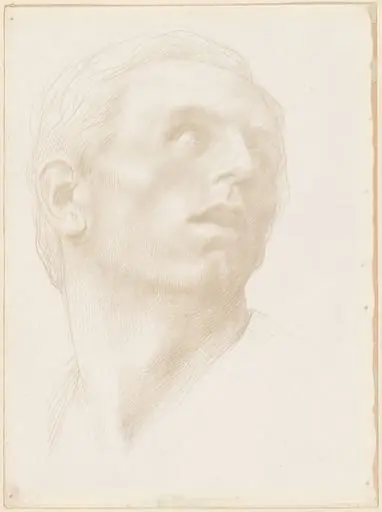
Study of the head of a man
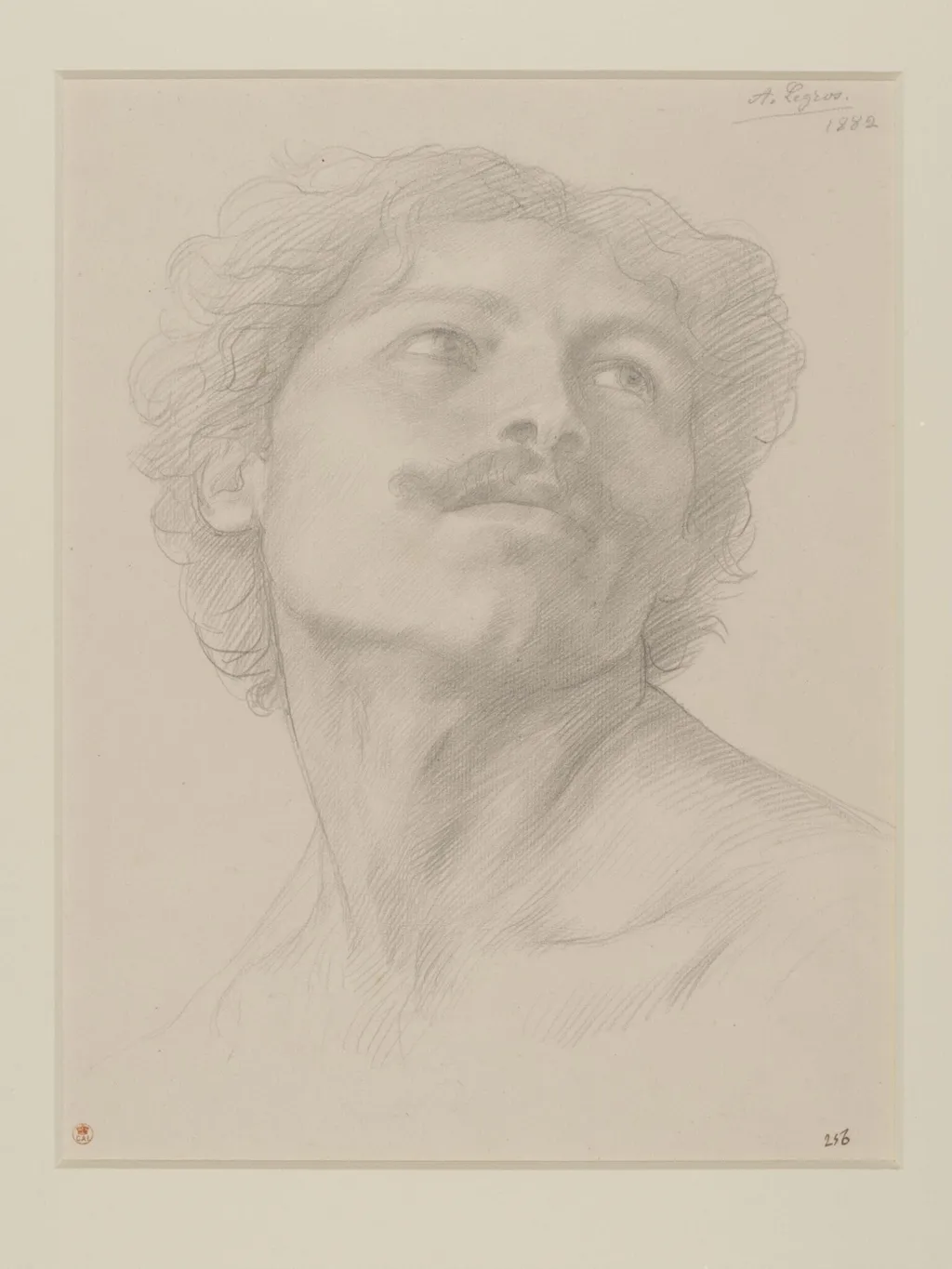
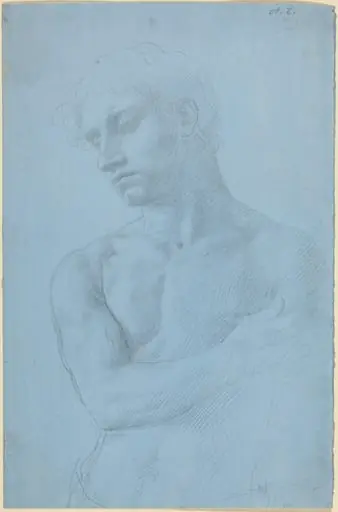
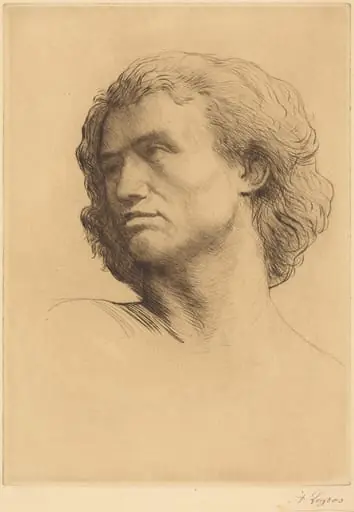
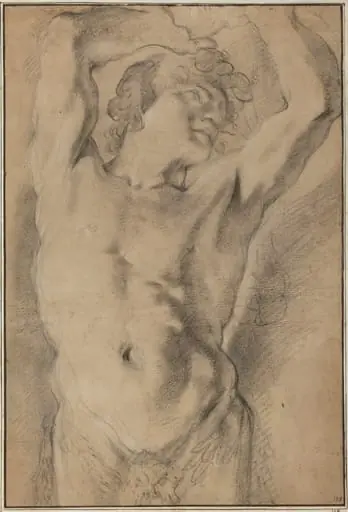
Study of the head of a man is a drawing by the Impressionist artist Alphonse Legros. It dates from 1882 and is held in the collection of the Victoria and Albert Museum.
About this work
Overview
This pencil drawing presents a rapid study of a male head, rendered with swift, gestural lines that reveal the artist’s immediate response to a live model. The work is characteristic of a brief, timed exercise rather than a finished portrait, emphasizing contour and proportion over tonal shading.
Subject & Meaning
The figure depicted is an anonymous male sitter, captured in a moment of observation. The study focuses on the structural relationships of facial features, serving as a visual record of the artist’s attempt to translate three‑dimensional form onto paper within a limited timeframe.
Technique & Style
Executed in graphite, the drawing displays loose, confident strokes that outline the head’s volume and planes. Minimal shading and the presence of faint hand marks indicate a quick execution, typical of instructional demonstrations that prioritize line work over detailed modeling.
History & Provenance
Created during Alphonse Legros’s tenure at the Slade School of Art in London (1876–1893), the piece likely originated as a one‑hour classroom demonstration in the life‑drawing studio. It reflects Legros’s pedagogical approach, which encouraged students to produce rapid linear sketches from live models.
Context
At the Slade, the curriculum diverged from other academies by valuing immediacy and accuracy of line over elaborate chiaroscuro. Legros, an accomplished portraitist, incorporated this philosophy into his teaching, using timed exercises to train students in observational precision.
Artist & collection

Artist
Alphonse Legros (French pronunciation: ; 8 May 1837 – 8 December 1911) was a French, later British, painter, etcher, sculptor, and medallist.