Artwork
Little Wandering Jew (Le petit juif errant)
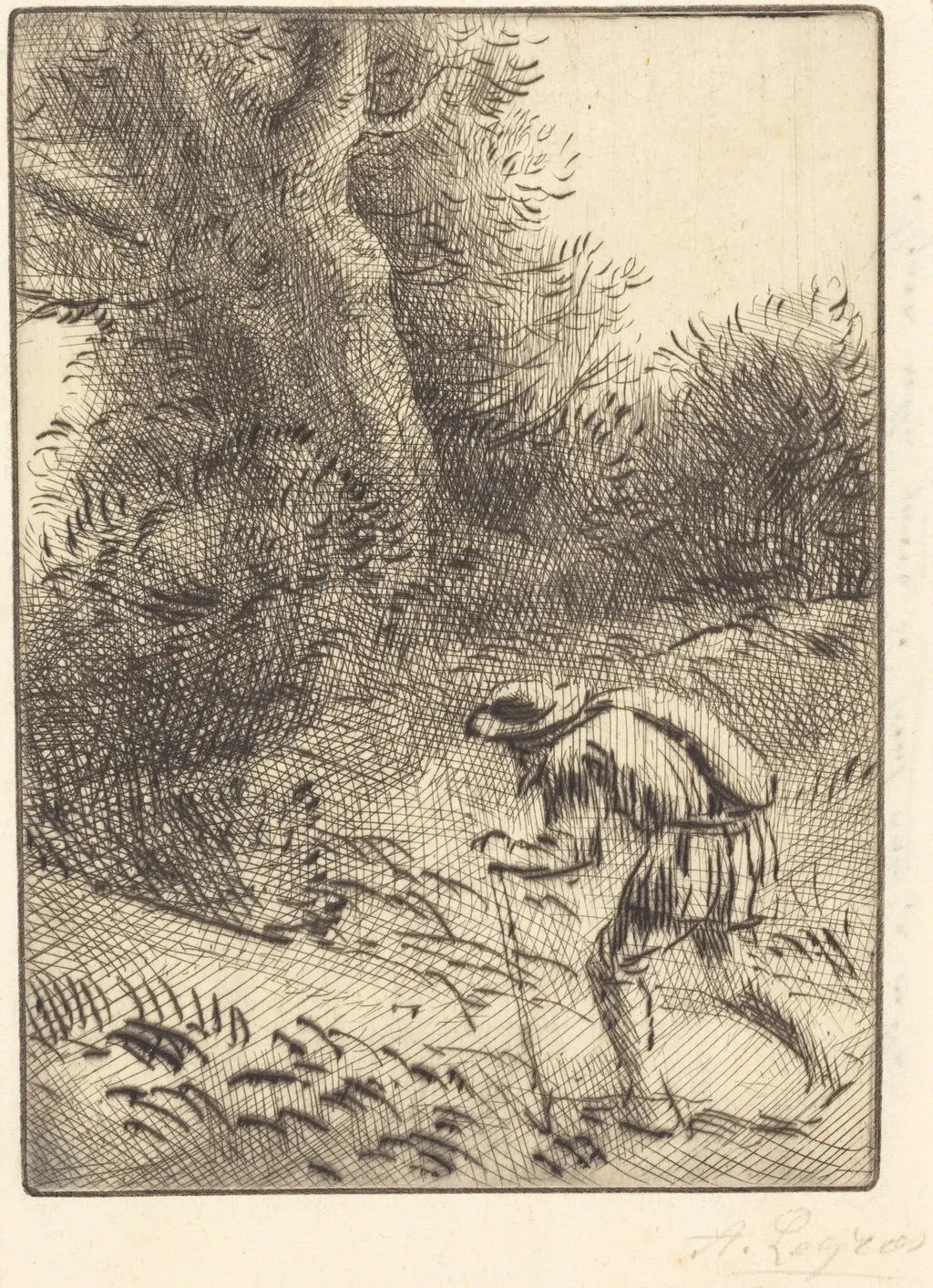
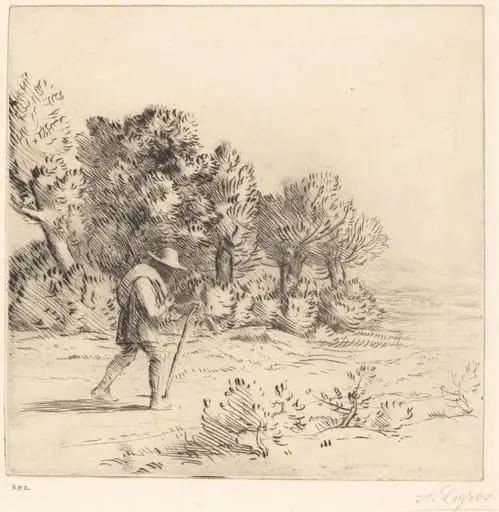
Little Wandering Jew (Le petit juif errant) is an ink print by the Romanticist artist Alphonse Legros. It dates from 1874 and is held in the collection of the National Gallery of Art.
About this work
Overview
Though French by birth, Legros spent much of his career in Britain, where he influenced a generation of printmakers.
Created in 1874 by Alphonse Legros, *Little Wandering Jew (Le petit juif errant)* is an etching and drypoint that exemplifies the artist’s commitment to printmaking as a serious artistic medium. Though French by birth, Legros spent much of his career in Britain, where he influenced a generation of printmakers. This work reflects his interest in narrative subjects and his technical mastery of intaglio methods, particularly the expressive potential of drypoint’s scratchy lines.
Subject & Meaning
The figure depicted is a solitary traveler, cloaked and faceless, moving through a dense thicket of thorny branches. The title alludes to the medieval legend of the Wandering Jew, a figure condemned to roam until Christ’s return. Legros avoids literal religious symbolism, instead evoking isolation and endurance through the figure’s anonymity and the oppressive, encroaching vegetation, suggesting a psychological rather than doctrinal interpretation.
Technique & Style
Legros employed drypoint to scratch directly into the copper plate, producing rich, fuzzy lines that blur the edges of the figure’s garments and the thorny undergrowth. Etching provided finer contours, while the drypoint’s burr created a grainy, tactile texture. The dense, overlapping strokes generate a sense of chaos and resistance, mirroring the figure’s struggle. The absence of tonal gradation heightens the starkness of the composition.
History & Provenance
The print was made during Legros’s early years in Britain, shortly after his appointment as professor of fine art at the Slade School. It was likely produced for private circulation among artists and collectors, consistent with the revival of etching as a fine art form in Victorian England. No public record of its early ownership exists, but it was included in later exhibitions of Legros’s graphic work, affirming its significance within his oeuvre.
Context
In the 1870s, British printmaking was undergoing a revival, with artists rejecting mass-produced imagery in favor of handcrafted, expressive prints. Legros, trained in France and influenced by Rembrandt and Daumier, brought continental sensibilities to this movement. His focus on marginalized figures and emotional landscapes aligned with broader 19th-century interests in existential and folkloric themes, distancing his work from academic idealism.
Legacy
Though not widely exhibited during his lifetime, *Little Wandering Jew* remains a key example of Legros’s contribution to the British etching revival. Its raw, unidealized form influenced later generations of printmakers who valued emotional intensity over polish. The work endures in institutional collections as a testament to the expressive power of direct, tactile mark-making in printmaking.
Own this work as a print
Artist & collection

Artist
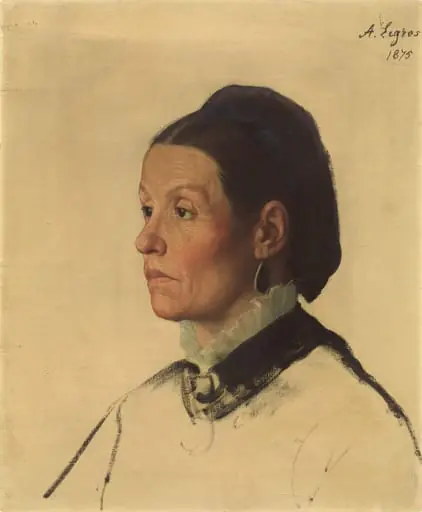
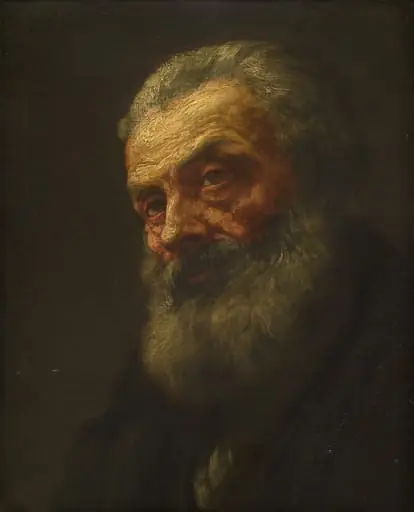
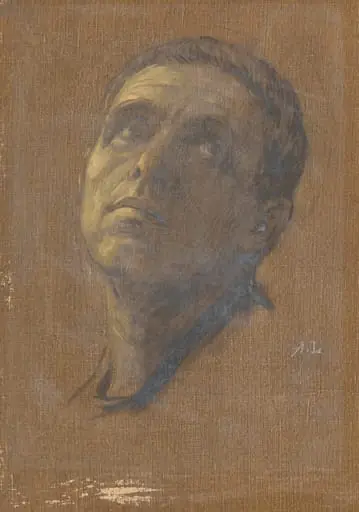
Alphonse Legros (French pronunciation: ; 8 May 1837 – 8 December 1911) was a French, later British, painter, etcher, sculptor, and medallist.

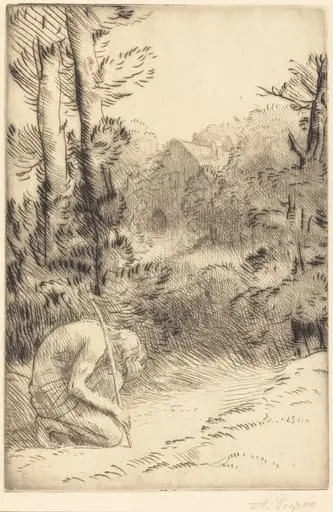 The Prodigal Son, 2nd plate (L'enfant prodigue)
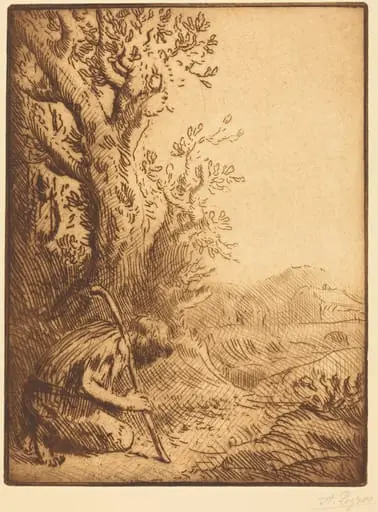 The Prodigal Son, 4th plate (L'enfant prodigue)
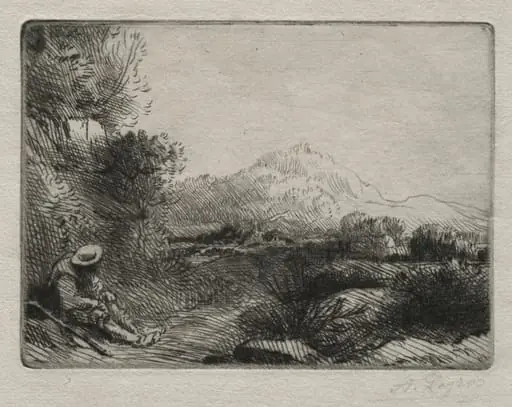 Rest of the Traveler
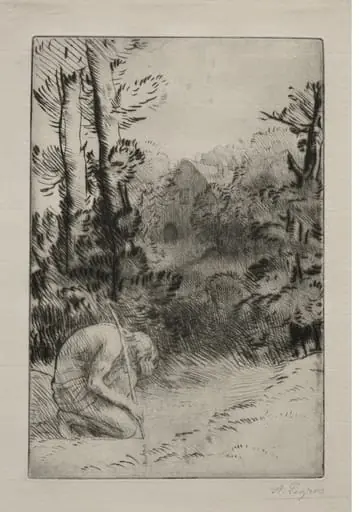 The Prodigal Son (2nd Plate)
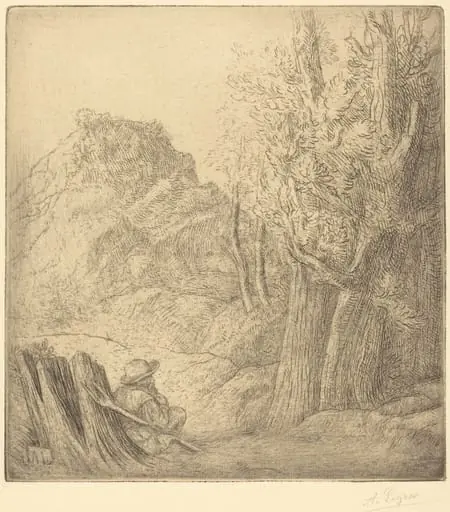 Old Village (Ville vieille)
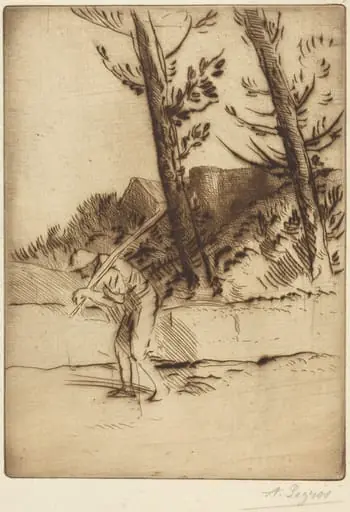 View of a Farm (La ferme des Bordes)
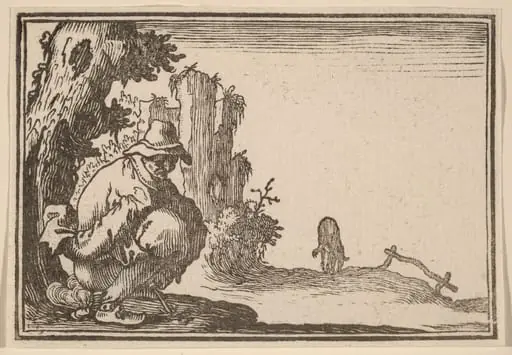 Peasant Defecating
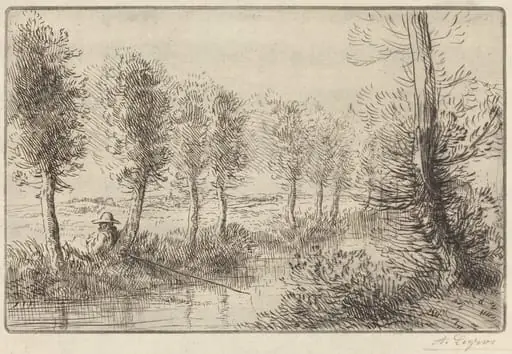 Near the Mill (Pres du moulin)
 Bamboo tree
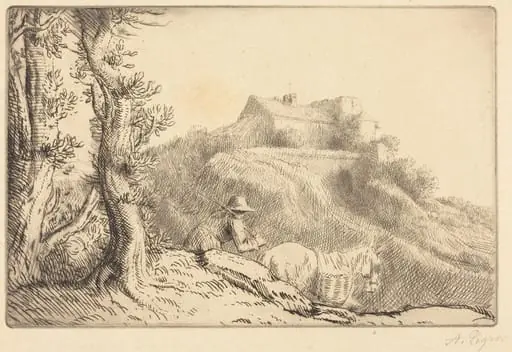 Farm on a Hill (La ferme sur la colline)
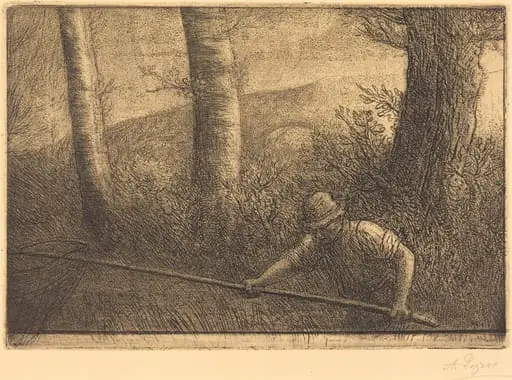 Fisherman with a Hoop-net (La peche a la truble)
 Peddler (Le colporteur)