Artwork
Steffan Wolters
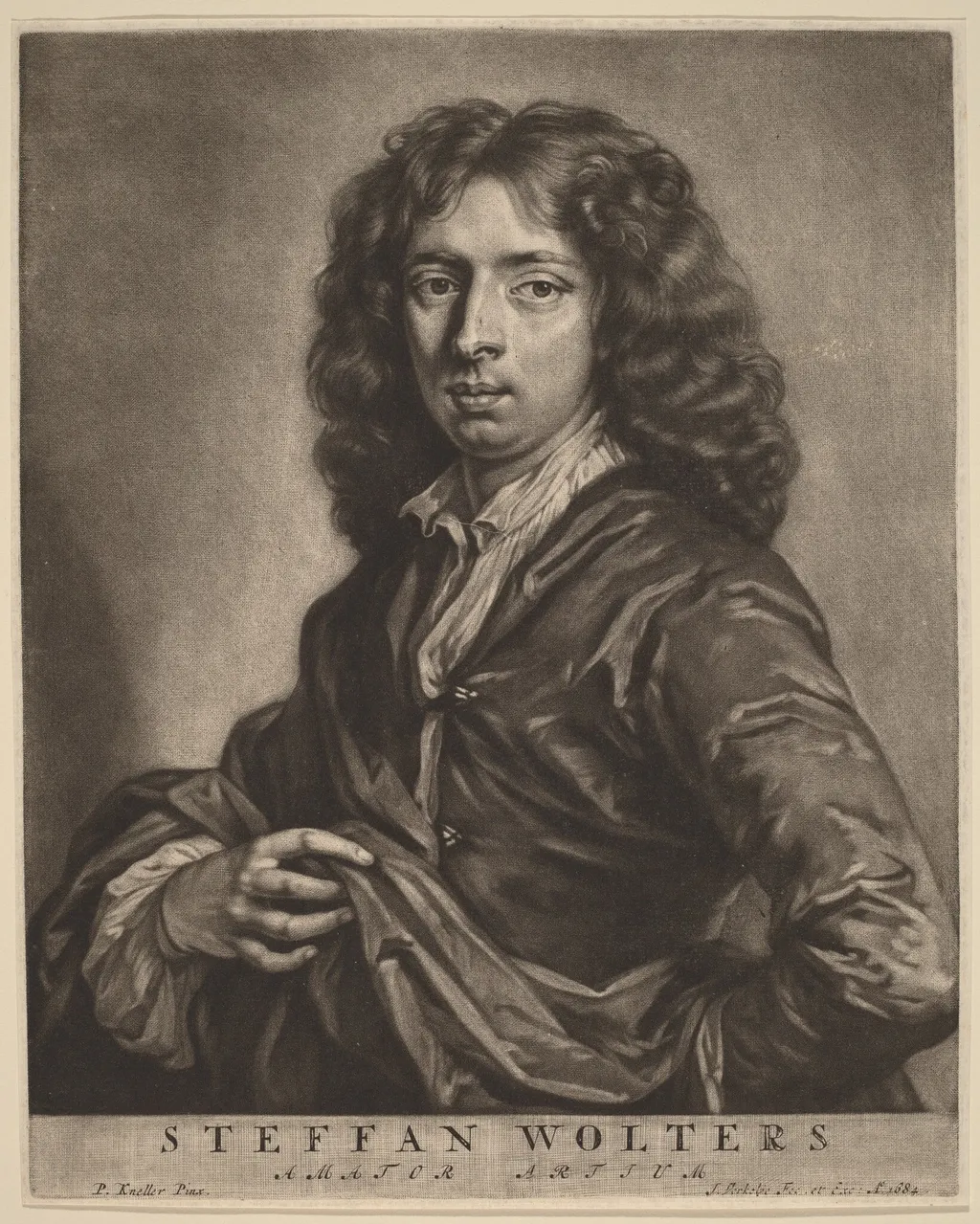
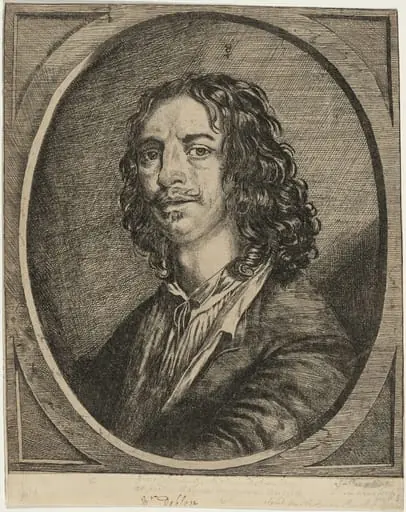
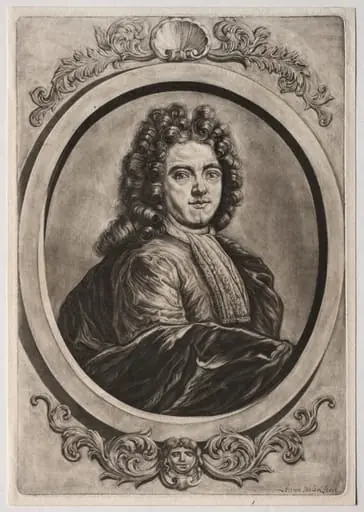
Steffan Wolters is an ink print by the Baroque artist Jan Verkolje I. It dates from 1684 and is held in the collection of the National Gallery of Art.
About this work
The artist who created this portrait is Verkolje I, Jan, who was known for his work in the Baroque style.
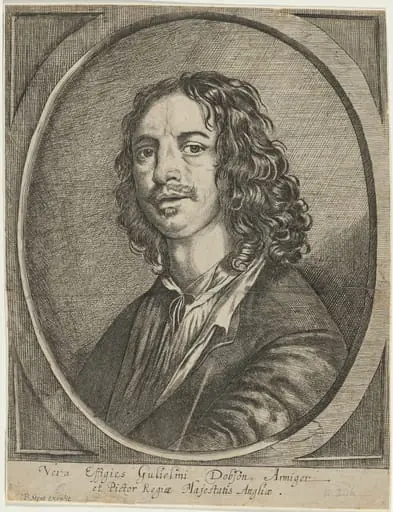
This painting is a portrait of a man with long, wavy hair. He is wearing a dark jacket over a white shirt, and his right hand is holding a piece of fabric. The background is a plain gray color.
The man's facial expression is serious, and his eyes seem to be looking directly at the viewer. His hair is styled in loose waves, and his clothing appears to be from the 17th century.
The artist who created this portrait is Verkolje I, Jan, who was known for his work in the Baroque style.
Overview
This 1684 mezzotint by Jan Verkolje I depicts Steffan Wolters, a figure rendered with precise tonal gradations characteristic of the medium. The print captures a single male subject against an unadorned backdrop, emphasizing the sitter’s presence through subtle contrasts of light and shadow.
Subject & Meaning
The portrait presents a man in seventeenth-century attire, his expression composed yet direct. His gaze engages the viewer, while his right hand grasps a swath of fabric, a detail that may suggest status or occupation. The simplicity of the setting focuses attention on the subject’s features and demeanor.
Technique & Style
Verkolje employed mezzotint, a process involving roughening a metal plate to hold ink, allowing for rich, velvety textures. The technique excels in rendering soft transitions, evident in the delicate modeling of the sitter’s hair and garments. The work reflects Baroque portrait conventions, prioritizing naturalism and psychological presence.
History & Provenance
Created in 1684, the print belongs to Verkolje’s oeuvre during a period when mezzotint gained prominence in European printmaking. Little is documented about its early ownership, though its survival attests to the medium’s durability and the artist’s skill in portrait reproduction.
Context
In the late seventeenth century, mezzotint emerged as a favored method for reproducing paintings, particularly portraits. Verkolje’s work aligns with Dutch Baroque trends, where individual likenesses were commissioned or collected as markers of social or professional identity. The print’s restrained composition underscores the era’s emphasis on clarity and character.
Artist & collection