Artwork
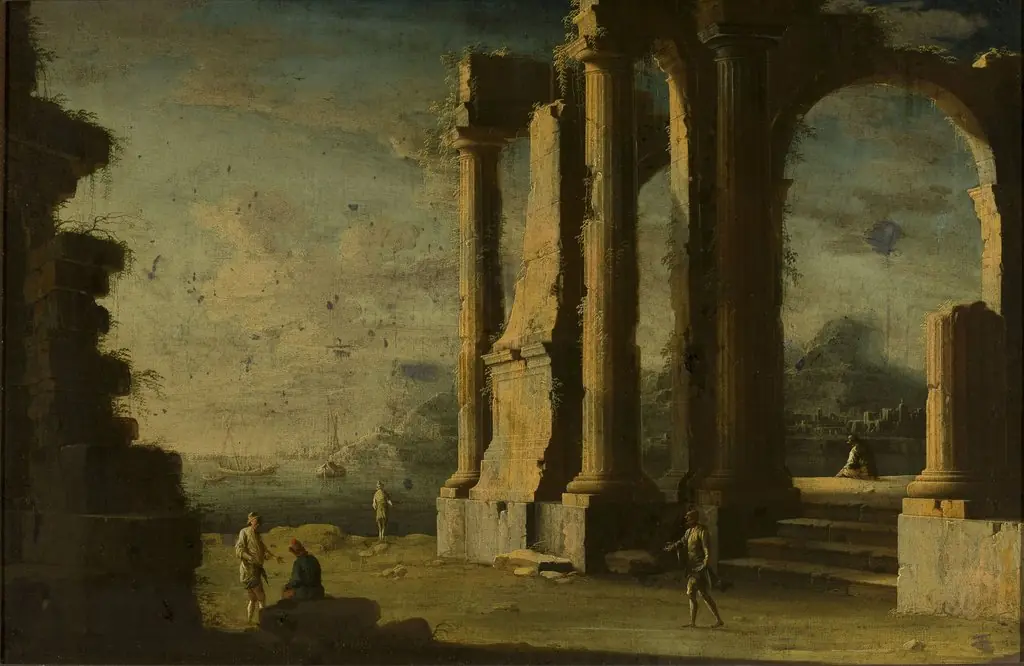
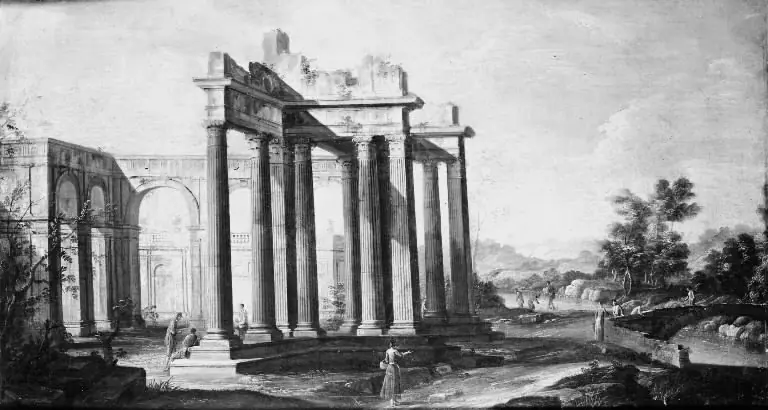
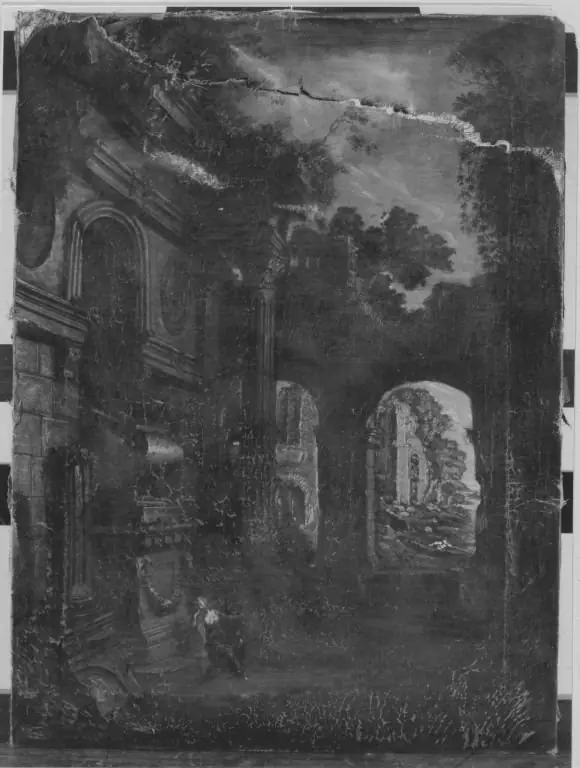
Capriccio of Ruins with Figures beneath an Archway
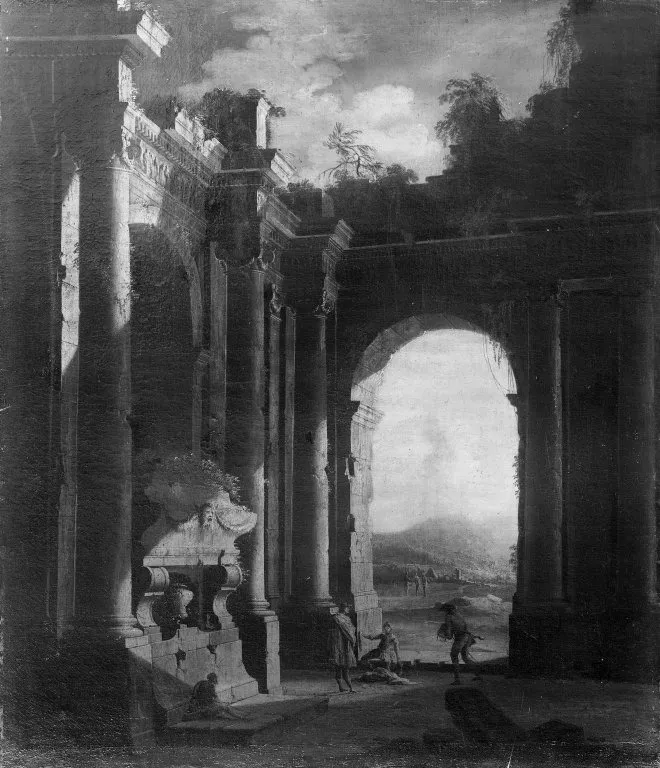
Capriccio of Ruins with Figures beneath an Archway is an oil painting by the Rococo painting artist Leonardo Coccorante. It dates from 1740 and is held in the collection of the Brooklyn Museum.
About this work
Overview
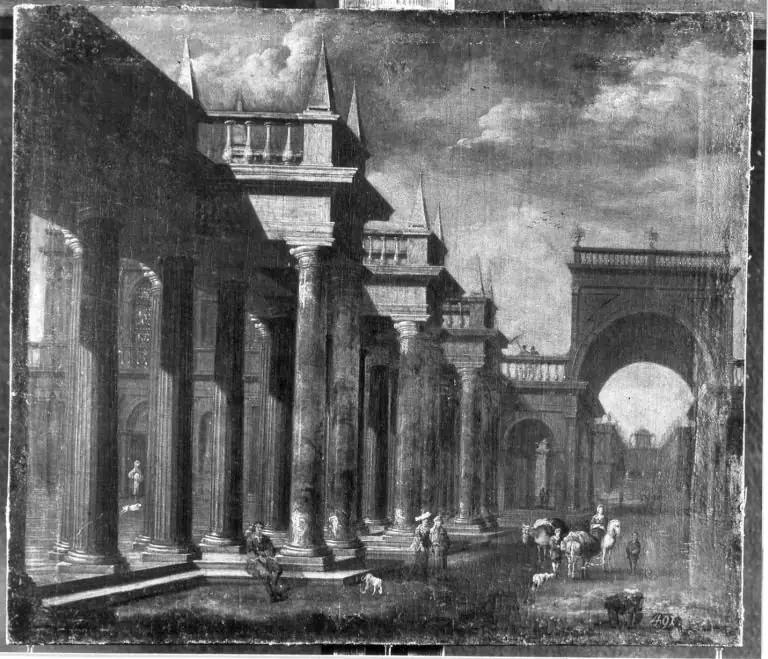
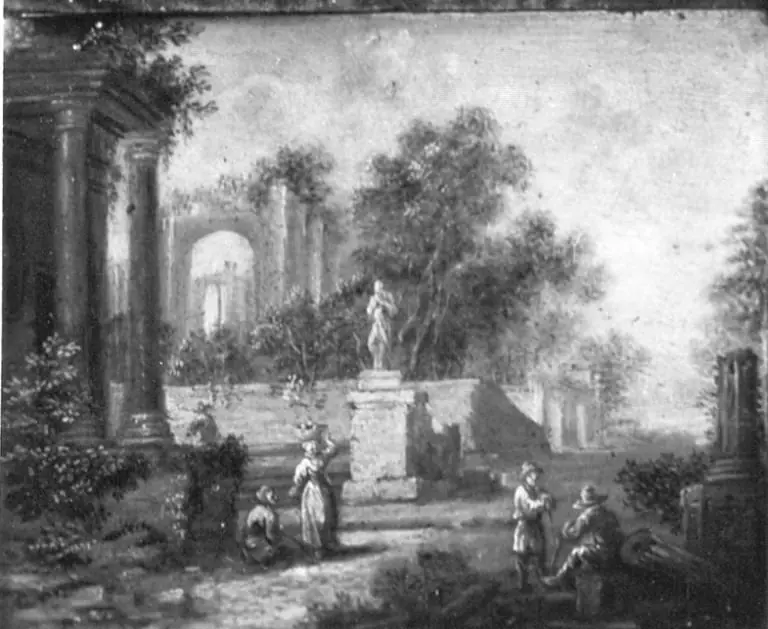
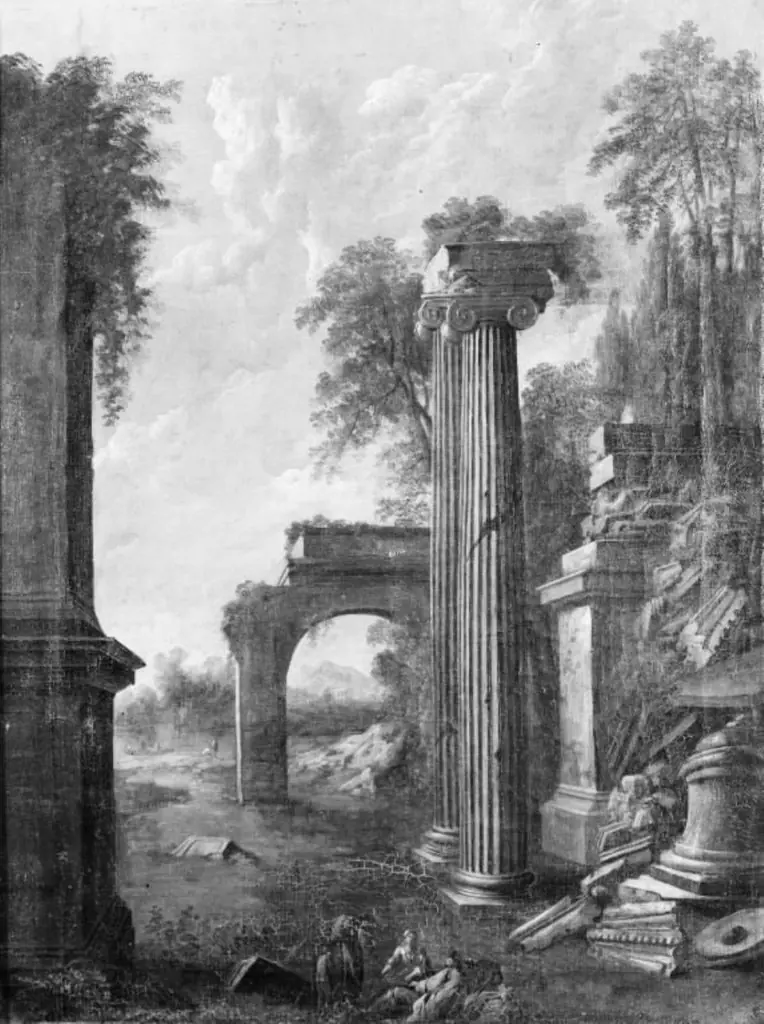
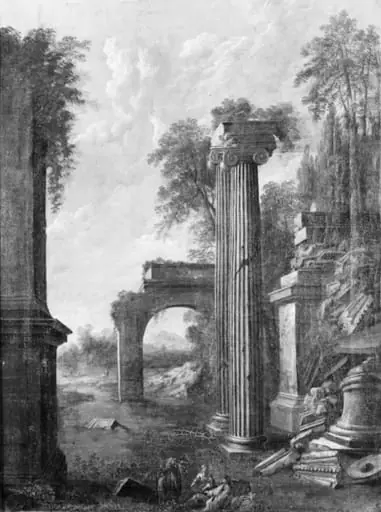
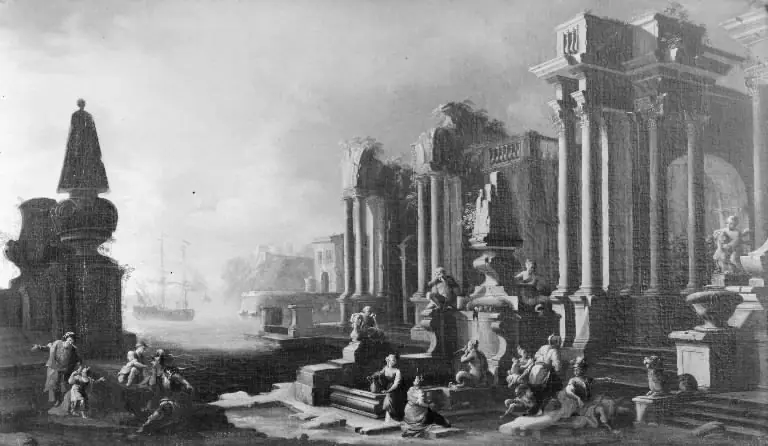
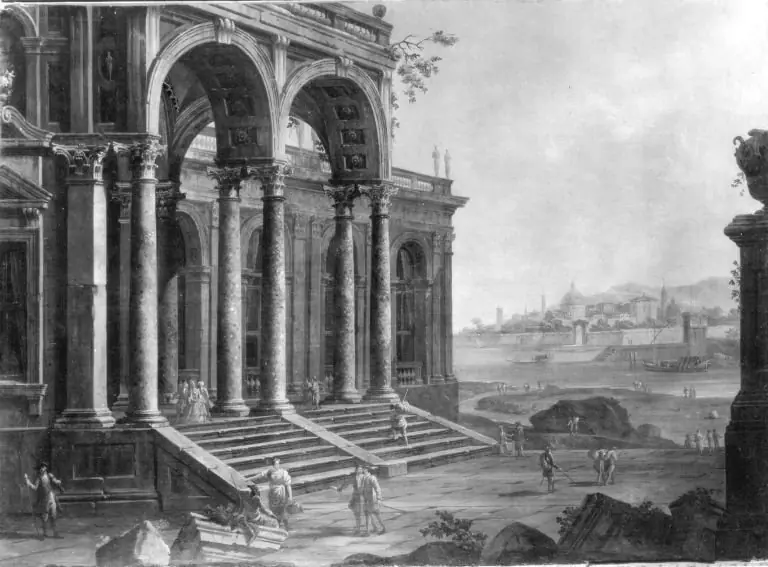
Capriccio of Ruins with Figures beneath an Archway is an oil painting created by Italian artist Leonardo Coccorante in 1740. Characteristic of the Rococo style, it exemplifies the capriccio genre, blending fanciful elements with meticulous rendering.
Subject & Meaning
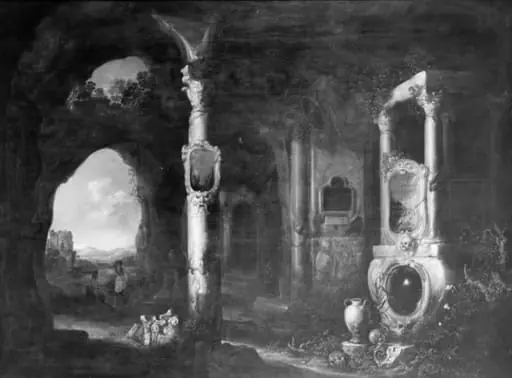
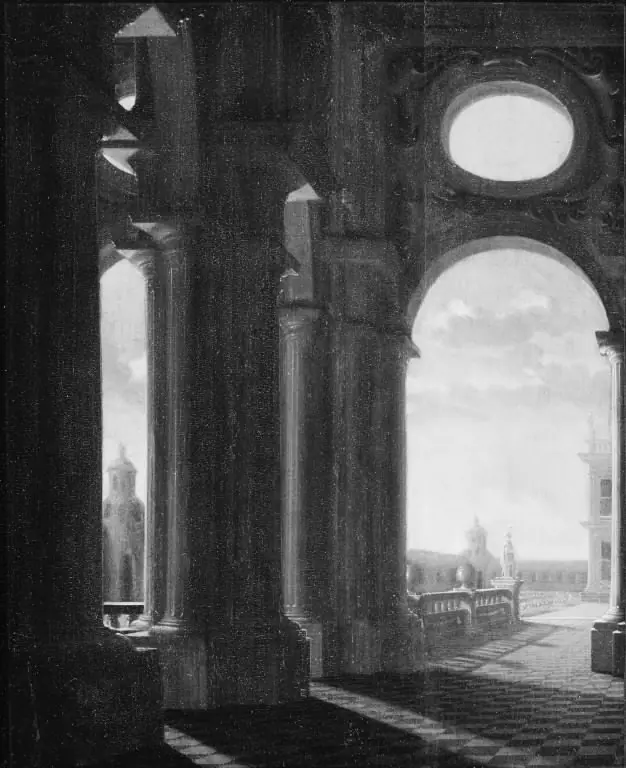
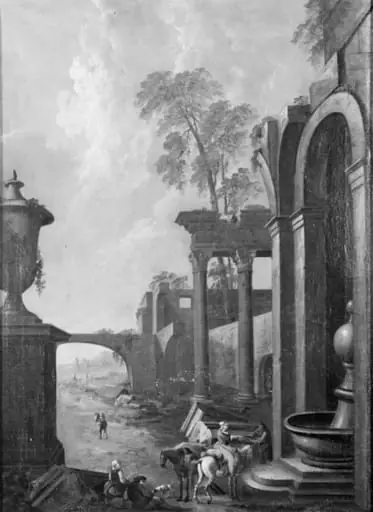
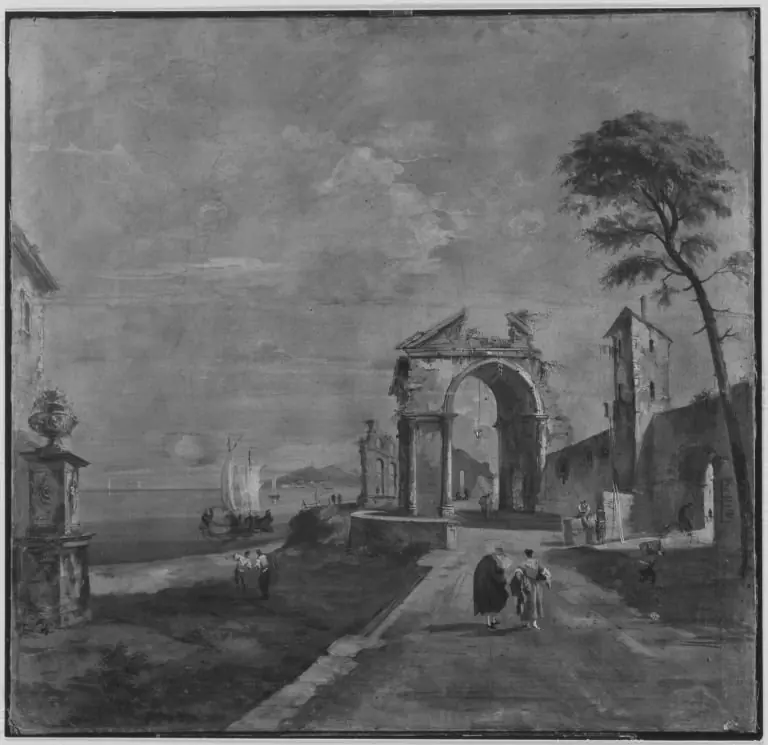
The painting's subject is a composite scene featuring a grand, ornate archway with columns, set against a hilly, cloud-filled landscape. Figures in the foreground engage in everyday activities, oblivious to the viewer, juxtaposing mundane life with monumental, classical architecture.
Technique & Style
Coccorante's Rococo style is evident in the painting's dreamlike, imaginary landscape. Intricate details, such as the archway's carvings and architectural fragments, demonstrate his meticulous attention to detail within a fanciful composition.
History & Provenance
Created in 1740, the work is a product of Coccorante's active period in the early 18th century. While the painting's specific provenance is not detailed here, it reflects the artist's specialization in capricci.
Context
This work sits within the broader context of 18th-century European art's fascination with classical ruins and imaginative landscapes. Coccorante's style and subject matter align with contemporaneous artistic trends that romanticized antiquity.
Artist & collection
Artist
Leonardo Coccorante (1680–1750) was an Italian painter known for his capricci depicting imaginary landscapes with ruins of classical architecture.