Artwork
Saint Servan
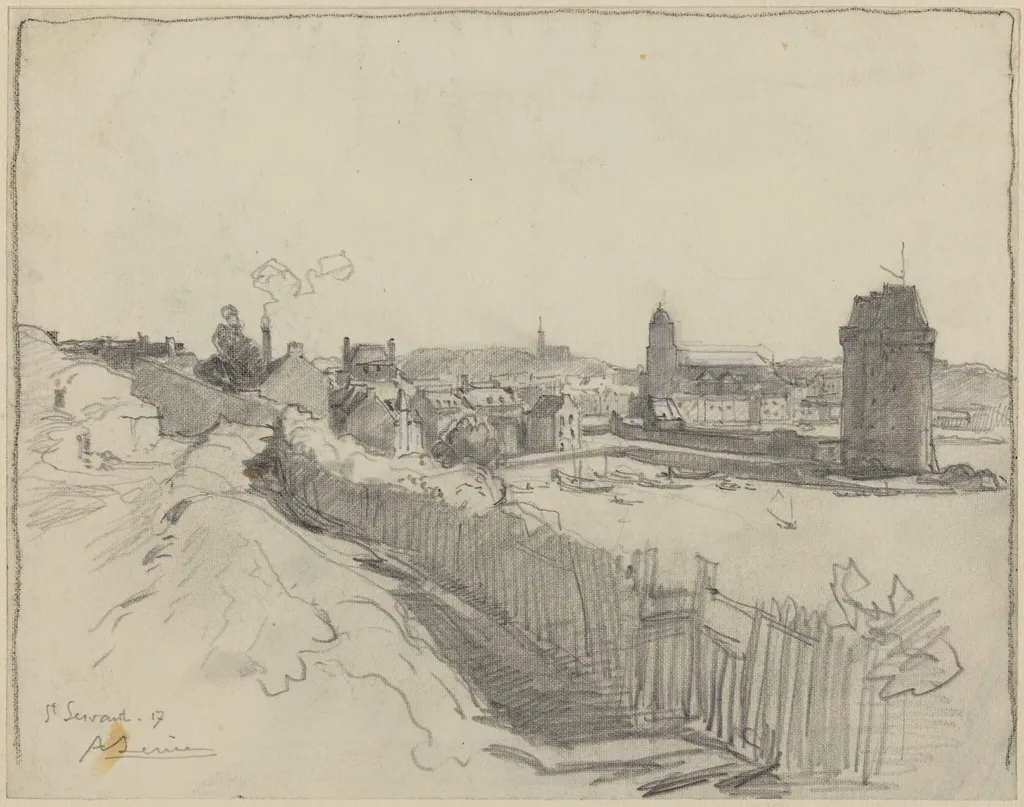
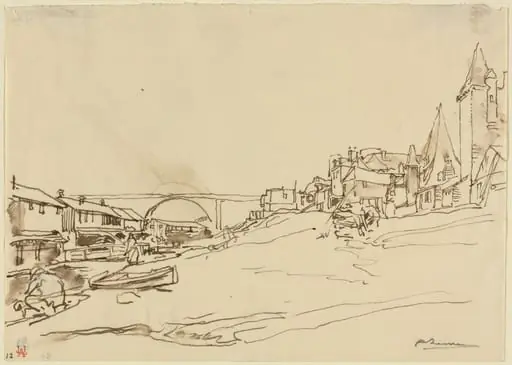
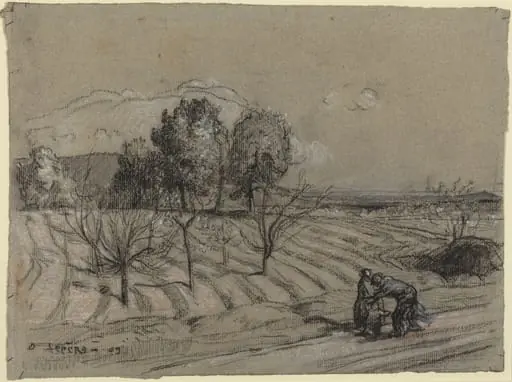
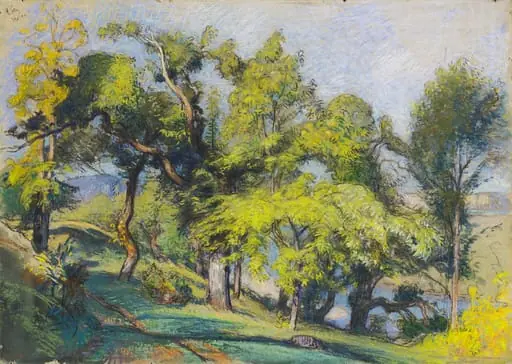
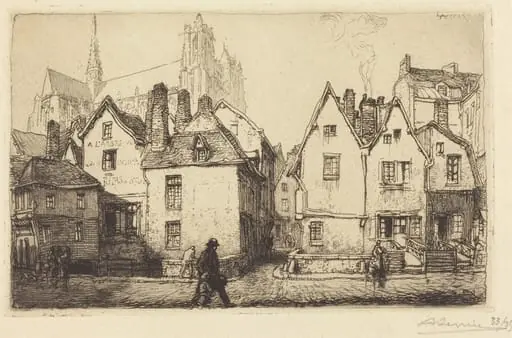
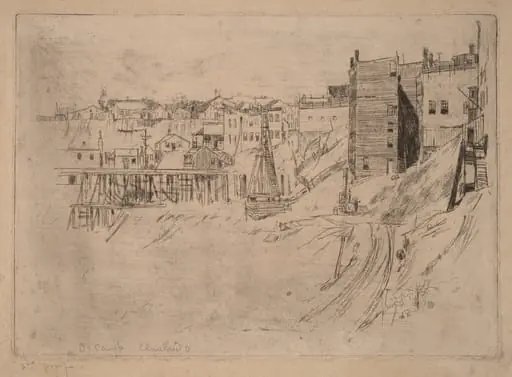
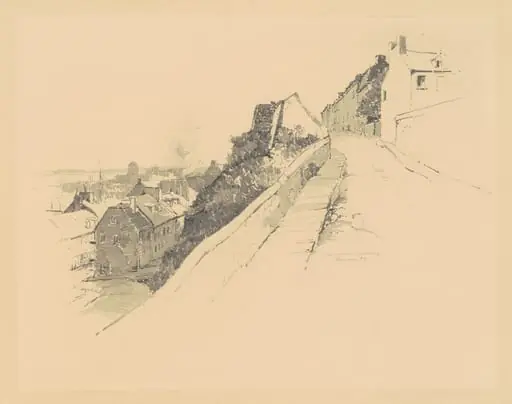
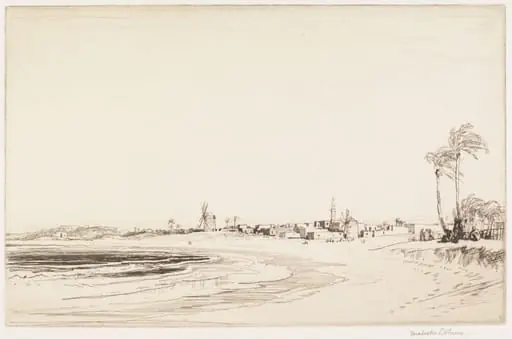
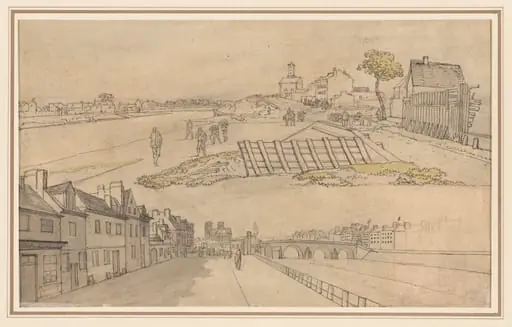
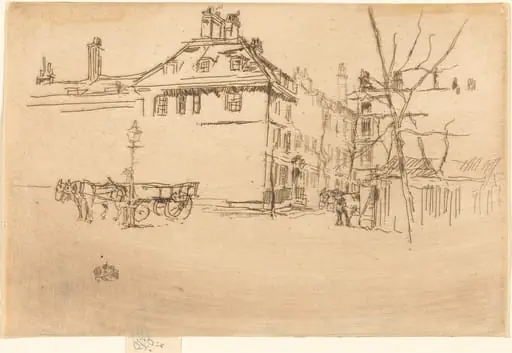
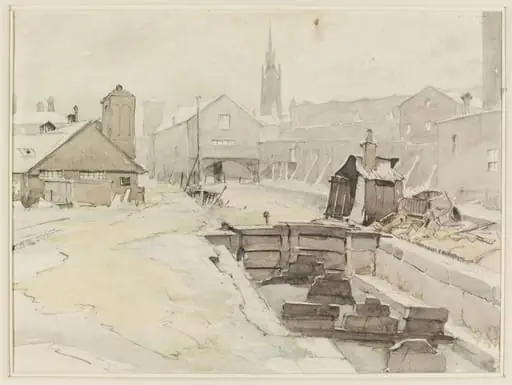
Saint Servan is a graphite drawing by Auguste Lepère. It dates from 1917 and is held in the collection of the National Gallery of Art.
About this work
Overview
Saint Servan is a graphite drawing created by French artist Auguste Lepère in 1917. It represents a religious subject, specifically portraying Saint Servan.
Subject & Meaning
The drawing focuses on Saint Servan, a religious figure, though the work's specific context or narrative within Lepère's oeuvre is not detailed. It reflects the artist's engagement with religious themes.
Technique & Style
Executed in graphite, the drawing showcases Lepère's skill in a medium distinct from his more renowned work in wood engraving and etching, demonstrating versatility.
History & Provenance
Created in 1917, during a prolific period for Lepère, the drawing's provenance details are not provided. It was part of the artist's output during a time of renewed interest in printmaking techniques in France.
Context
Saint Servan was produced amid a broader artistic movement in late 19th- and early 20th-century France, characterized by a revival in traditional printmaking methods, a field Lepère significantly influenced.
Legacy
While Saint Servan represents Lepère's religious subject matter in graphite, its impact or place within his overall legacy, dominated by contributions to wood engraving, is not specifically highlighted.
Artist & collection

Artist
Louis-Auguste Lepère (30 November 1849 – 20 November 1918) was a French painter and etcher. Lepère is also considered a leader in the creative revival of wood engraving in Europe.