Artwork
Minerva Changing Arachne into a Spider
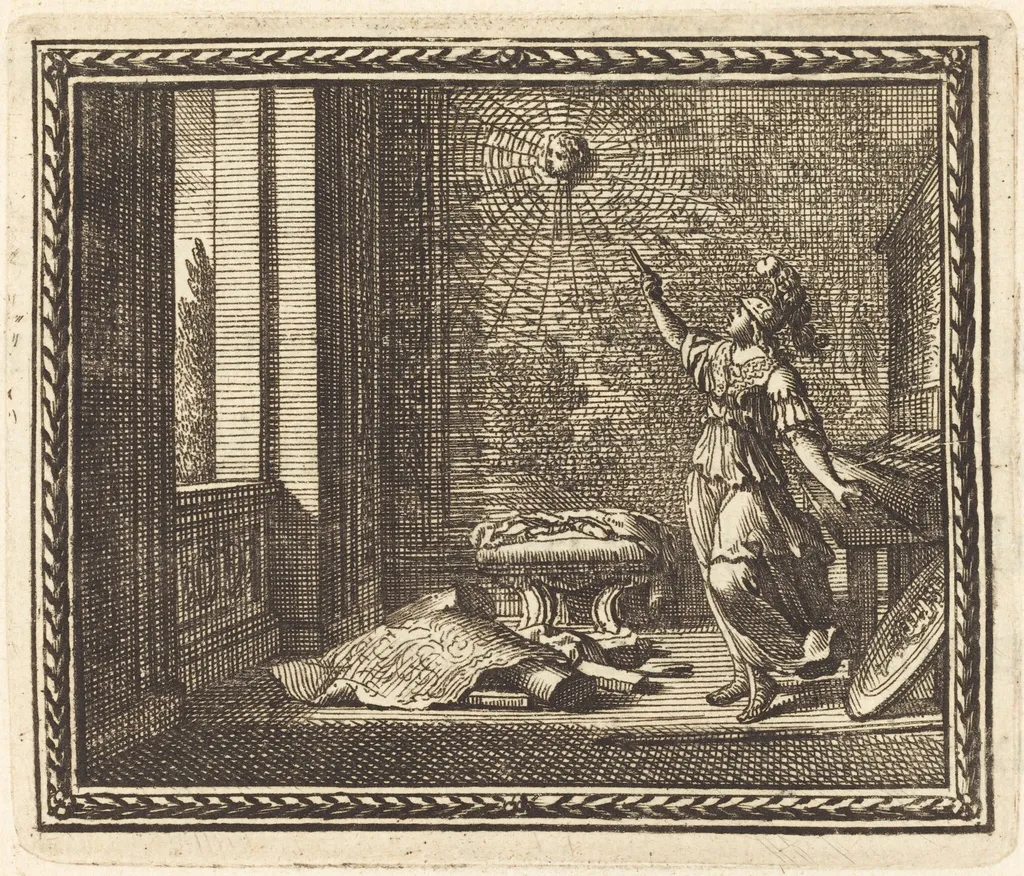
Minerva Changing Arachne into a Spider is an ink print by the Baroque artist Jean Lepautre. It dates from 1676 and is held in the collection of the National Gallery of Art.
About this work
Overview
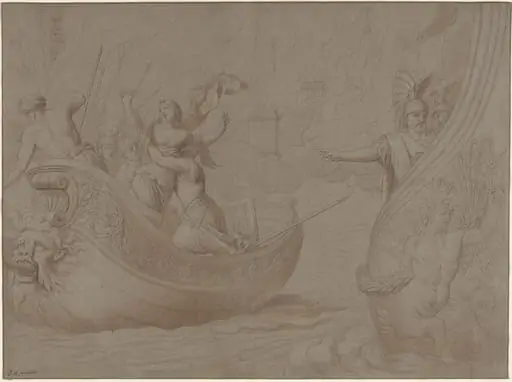
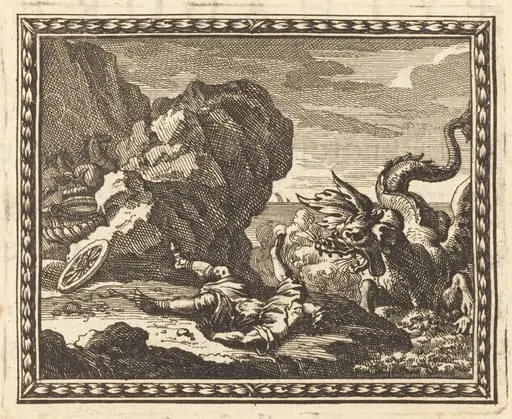
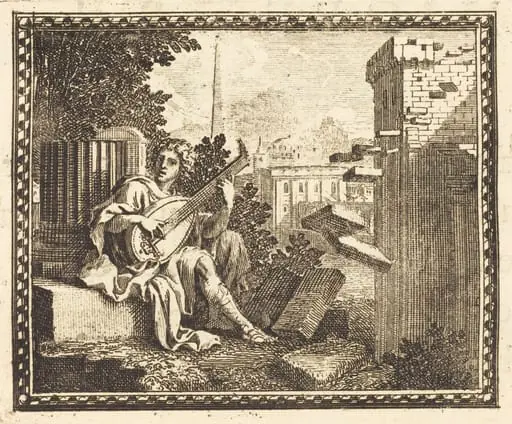
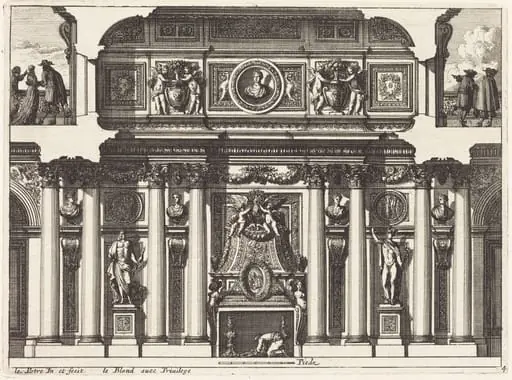
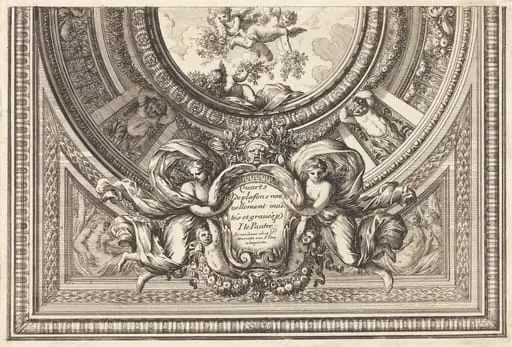
Jean Lepautre’s 1676 print, titled Minerva Changing Arachne into a Spider, is an etching and engraving executed on laid paper. The work depicts a pivotal moment from the classical myth of Arachne, rendered in stark black‑and‑white lines that emphasize drama and movement.
Subject & Meaning
The composition captures the goddess Minerva confronting the mortal weaver Arachne, who has been transformed into a spider as punishment for her hubris. Minerva, robed and helmeted, gestures upward while holding a spindle‑like implement, whereas Arachne is shown on the ground contorting into a spider’s form, embodying the consequences of challenging divine authority.
Technique & Style
Lepautre combines etching and engraving, allowing for both delicate tonal washes and crisp, incised lines. The use of laid paper provides a subtle texture that interacts with the dense cross‑hatching, creating depth and a sense of tension despite the monochrome palette.
History & Provenance
Created in the late seventeenth century, the print reflects the period’s fascination with classical mythology and moralizing narratives. It was produced in Lepautre’s workshop in Paris and circulated among collectors of prints, though specific ownership records after its initial release remain sparse.
Context
The work belongs to a broader tradition of French printmakers interpreting mythological subjects for a learned audience. Lepautre’s choice of the Minerva‑Arachne episode aligns with contemporary moral discourse that warned against artistic pride and the transgression of divine limits.
Legacy
While not as widely reproduced as later mythological prints, Lepautre’s engraving offers insight into the technical skill and narrative strategies of Baroque French printmaking, serving as a reference point for scholars studying the intersection of art, myth, and didactic imagery.
Artist & collection