Artwork
George Moore
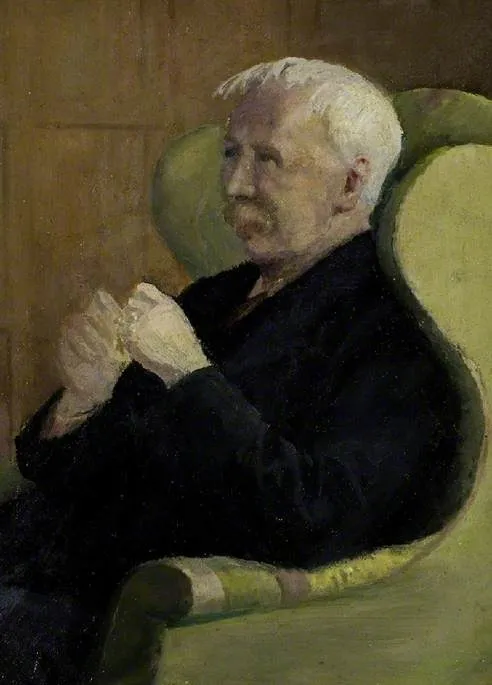
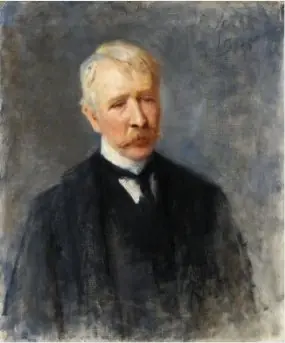
George Moore is an oil painting by the Realist artist Leverton Harris. It dates from 1920 and is held in the collection of the Fitzwilliam Museum.
About this work
Overview
Painted in 1920 by Leverton Harris, this oil portrait captures George Moore, a notable literary figure of the time.
Painted in 1920 by Leverton Harris, this oil portrait captures George Moore, a notable literary figure of the time. The work is part of the Fitzwilliam Museum’s collection, where it remains on display. Harris rendered Moore with a restrained palette and fluid brushwork, emphasizing presence over detail. The composition avoids ornamentation, directing focus entirely to the sitter’s demeanor and posture.
Subject & Meaning
George Moore, a novelist and critic, is portrayed in middle to late age, seated calmly in a simple chair. His folded hands and sidelong gaze suggest introspection rather than confrontation. The absence of contextual clues—no books, no furnishings—intensifies the psychological weight of the image. Harris presents him not as a public figure but as a private individual, inviting quiet contemplation of character.
Technique & Style
Harris employed loose, rapid brushstrokes to build form rather than define it, resulting in a softly blurred surface that avoids sharp edges. The muted tones—deep browns, grays, and pale neutrals—create a somber harmony. The dark coat contrasts subtly with the lighter chair, grounding the figure without drawing attention to texture or fabric. The background, nearly featureless, enhances the sense of isolation and focus.
History & Provenance
The portrait was completed in 1920 and entered the Fitzwilliam Museum’s collection shortly thereafter. Its acquisition reflects the institution’s interest in early 20th-century British portraiture. No significant alterations or reworkings are recorded, and the painting has remained in stable condition since its creation. Its provenance traces directly from the artist to the museum without intermediaries.
Context
In the post-war period, British portraiture often shifted toward psychological depth over ceremonial grandeur. Harris, though less known than contemporaries, aligned with this trend, favoring intimate, unadorned depictions. Moore’s literary reputation and quiet public persona made him a fitting subject for such a restrained approach, contrasting with the more flamboyant portraits of the previous generation.
Legacy
The portrait stands as a quiet example of Harris’s mature style, illustrating his ability to convey character through economy of form and tone. While not widely reproduced, it contributes to the understanding of early 20th-century British portraiture beyond the more celebrated names. Its presence in the Fitzwilliam Museum ensures continued access for study and reflection on the genre’s evolving sensibilities.
Artist & collection
Artist
British artist Leverton Harris painted portraits and scenes in oils during the early 1900s.

 T. Millie Dow (1848 - 1919)
 Head of an Old Man
 Self-portrait
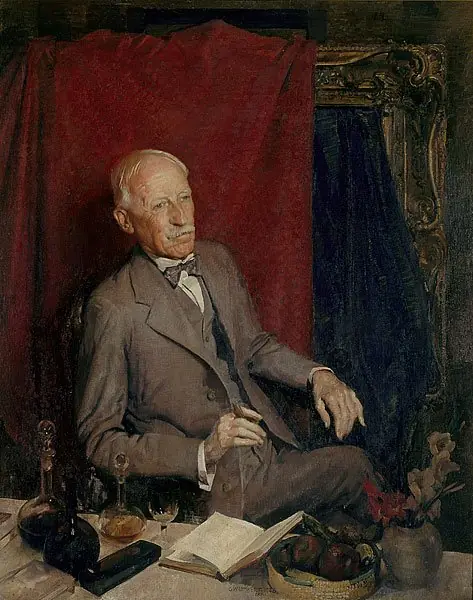 Julian Ashton
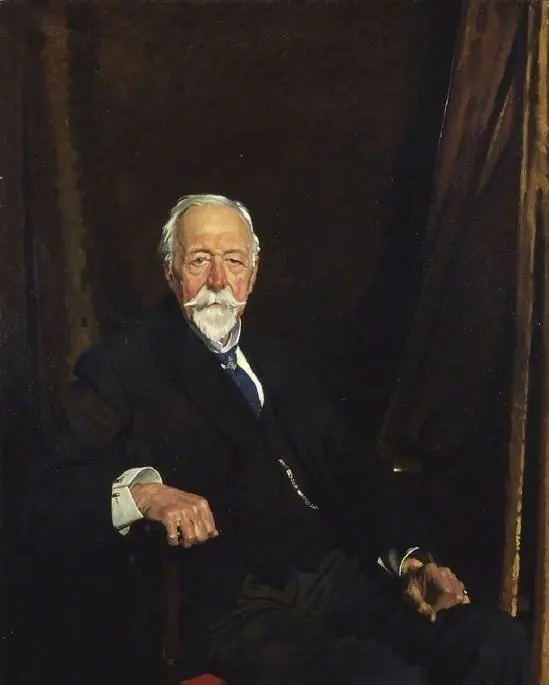 The Rt Hon. Sir Clifford Allbutt
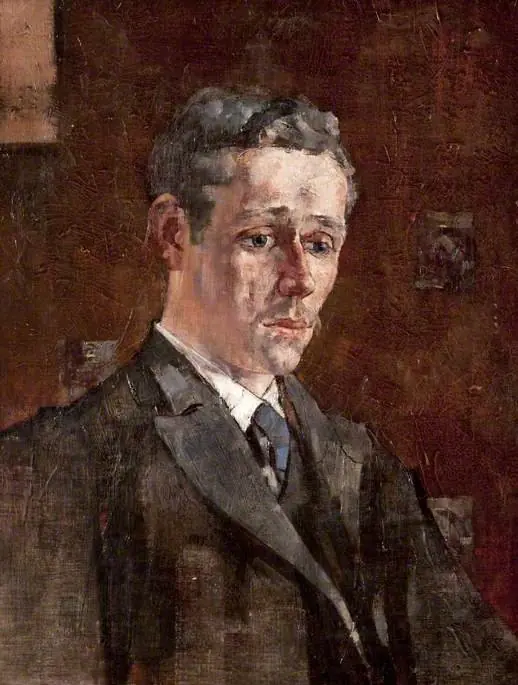 William Meldrum (1865–1942)
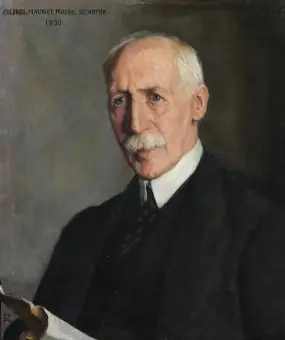 Portrait of Colonel Maurice Moore (1854-1939)
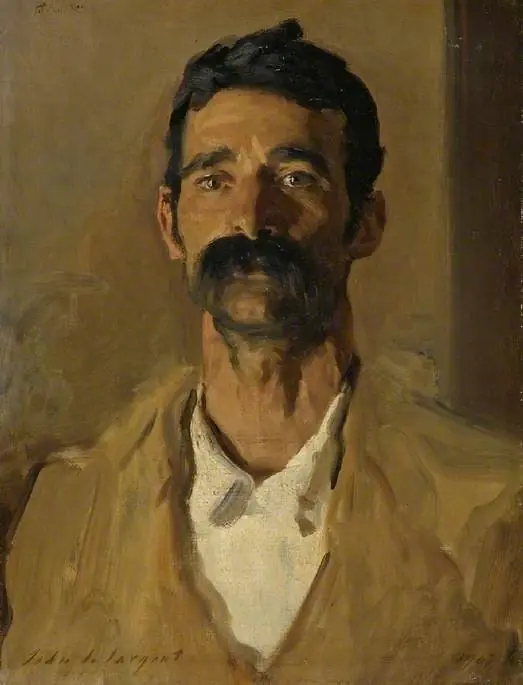 Study of a Sicilian peasant
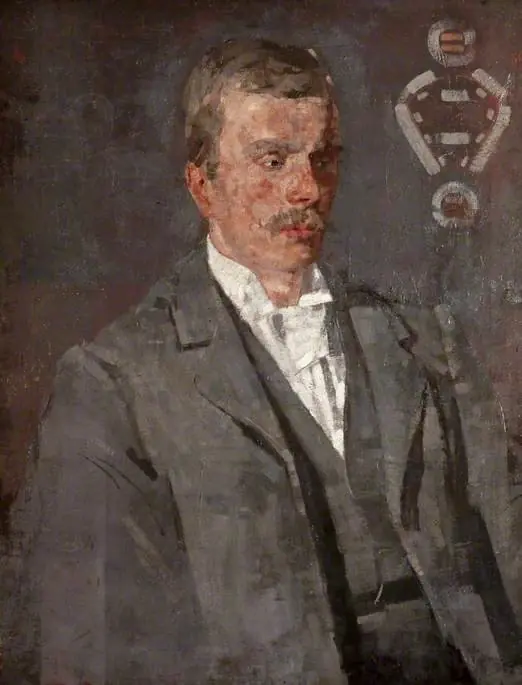 Barclay W. Pringle
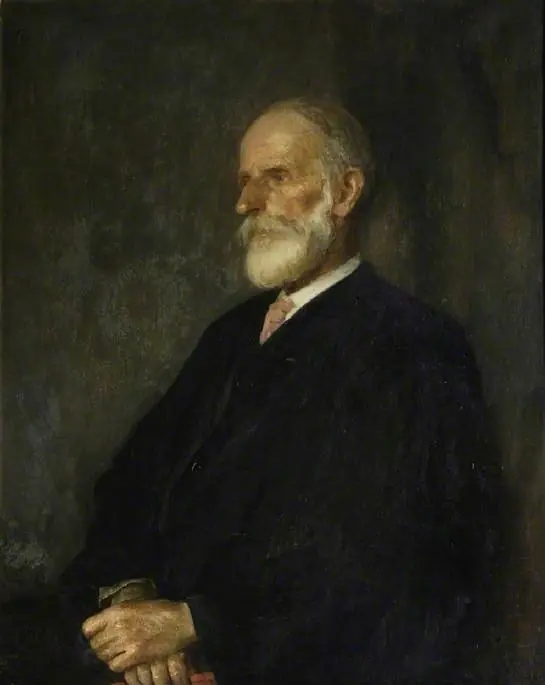 Professor James Ward
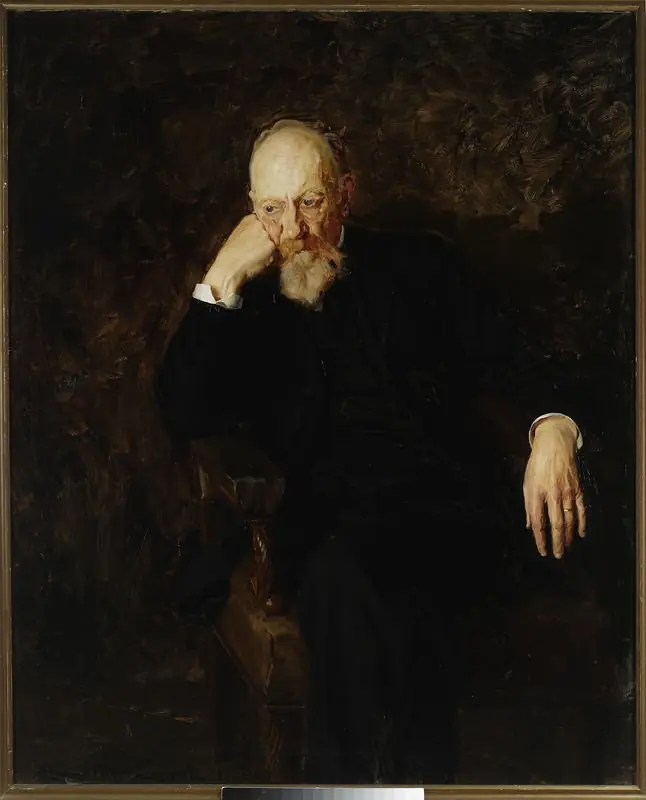 Portrait of professor Aleksander Jabłonowski
 Portrait of George Moore (1852-1933), Novelist