Artwork
Untitled
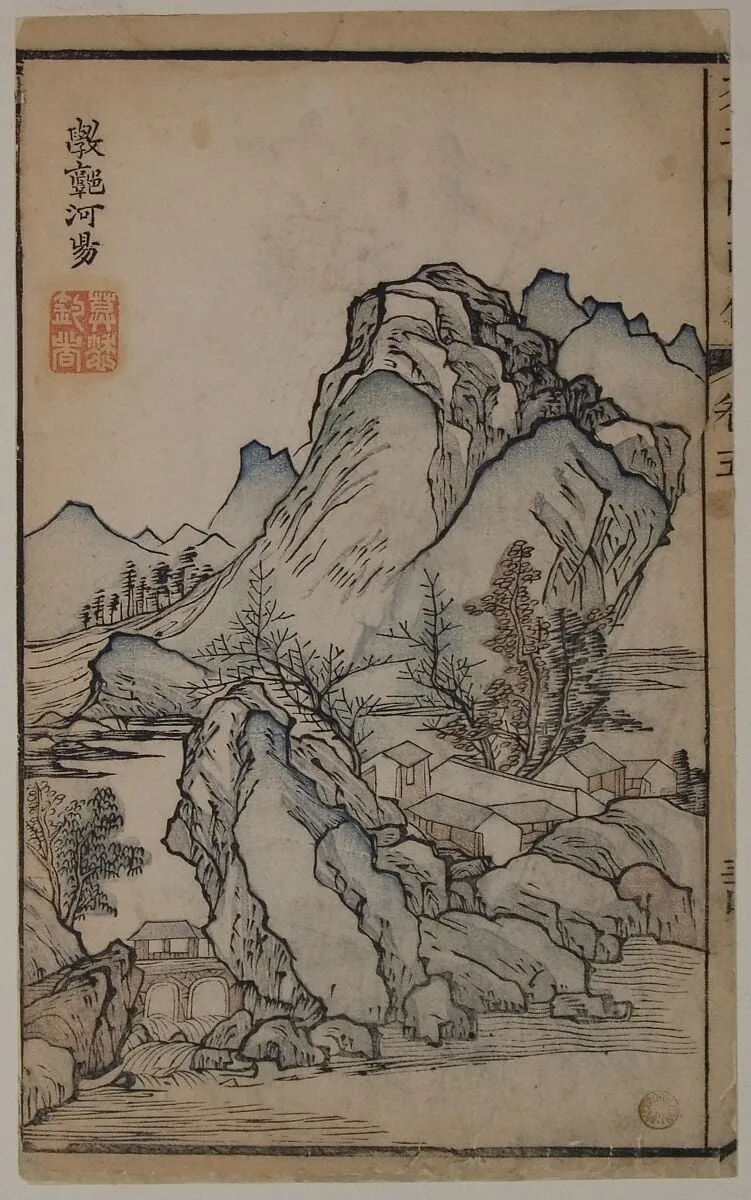
Untitled is an ink print by Li Liufang. It is held in the collection of the Metropolitan Museum of Art.
About this work
Overview
This polychrome woodblock print, attributed to Li Liufang, is part of The Metropolitan Museum of Art’s print collection.
This polychrome woodblock print, attributed to Li Liufang, is part of The Metropolitan Museum of Art’s print collection. Executed in ink and color on paper, it presents a quiet mountain landscape without a formal title, reflecting a tradition where works were often identified by their visual content rather than named. The composition balances natural forms with restrained color, emphasizing structure over narrative.
Subject & Meaning
The scene depicts a rugged peak rising above a modest riverside village, with sparse dwellings nestled near the water’s edge. Sloping hills recede into the horizon, suggesting depth without perspective tricks. The placement of trees clinging to rocky outcrops and the quiet stillness of the settlement imply harmony between human habitation and the enduring land, a common theme in Chinese landscape traditions.
Technique & Style
The artist employed hand-carved woodblocks to render sharp, irregular lines in the rock formations, mimicking the texture of weathered stone. Ink washes and subtle color layers define shadow and atmosphere, with darker tones anchoring the mountains and lighter hues suggesting sky and distance. The precision of the carved lines reveals a disciplined hand, blending spontaneity with technical control typical of refined printmaking.
History & Provenance
The work entered The Metropolitan Museum of Art’s collection as part of its broader acquisition of East Asian prints. While specific details of its creation date and early ownership are not documented, its stylistic features align with late Qing or early 20th-century practices, when traditional landscape motifs persisted in print form despite shifting artistic currents.
Context
Produced during a period when Chinese artists engaged with both inherited techniques and emerging modern sensibilities, this print reflects a continuity of literati landscape ideals. Unlike Western prints emphasizing realism, it prioritizes tonal gradation and implied space, rooted in centuries-old brushwork conventions adapted for the woodblock medium.
Legacy
As a representative of early 20th-century Chinese printmaking, the work preserves a quiet, contemplative approach to nature that resisted rapid modernization. It stands as evidence of how traditional methods endured in private and scholarly circles, offering an alternative to the more overtly political or experimental art emerging in urban centers at the time.
Artist & collection


 Untitled
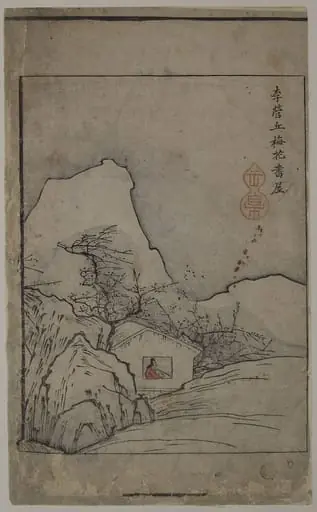 芥子園畫傳|Study Pavilion and Plum Trees: Page from The Mustard Seed Garden Manual of Painting
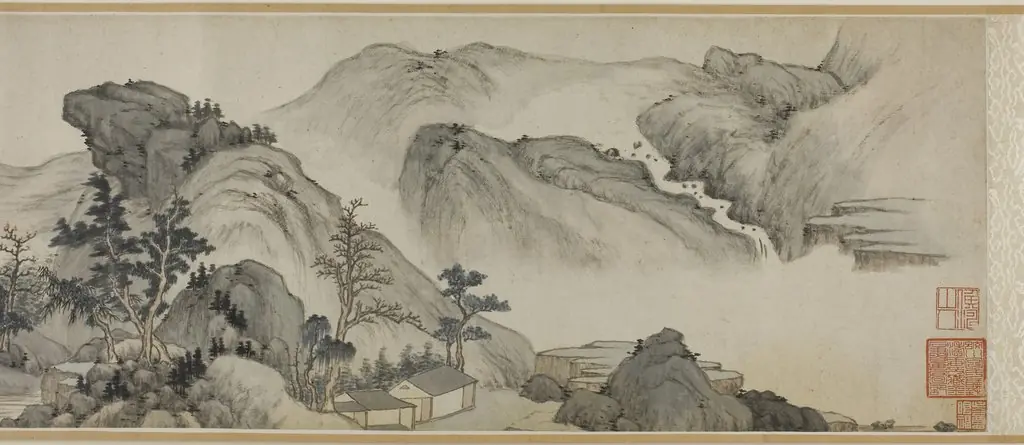 Recluse Dwellings in the Autumn Mountains
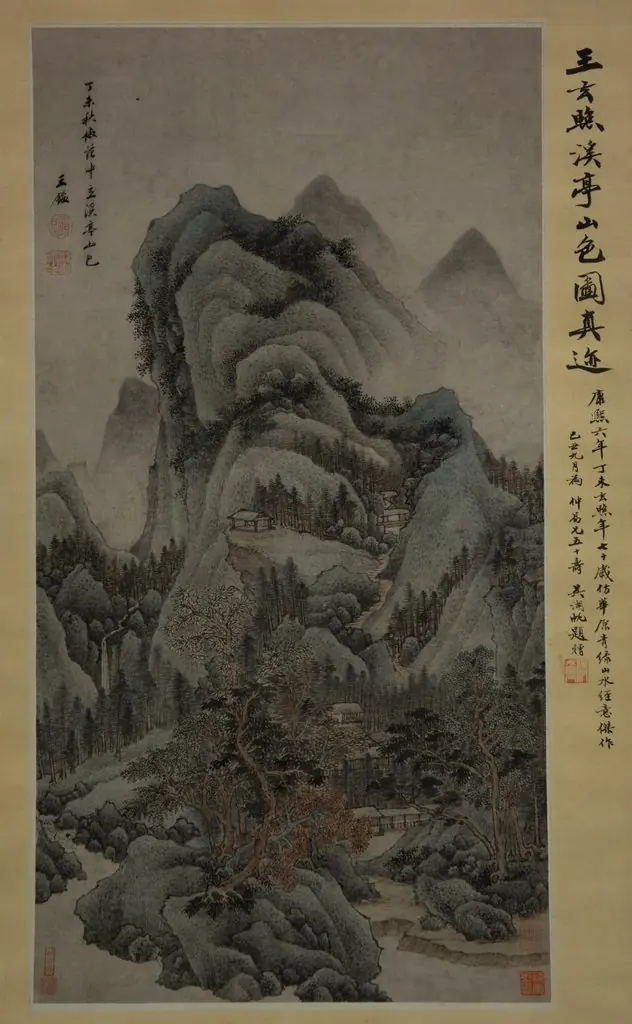 Mountain Scenery with Streams and Pavilions in the Style of Fan Kuan
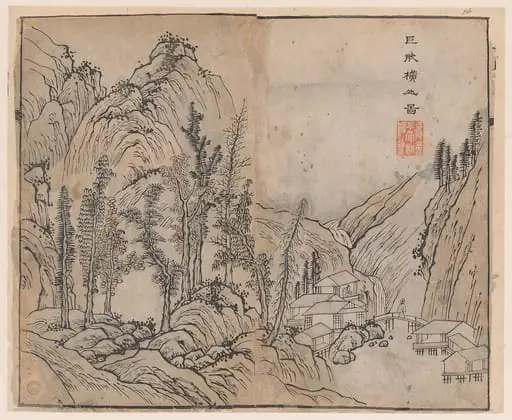 清 王槩 設計,李漁出版 芥子園畫傳 版本|Mt. Heng, after Juran (active ca. 960–965), from the Mustard Seed Garden Manual of Painting
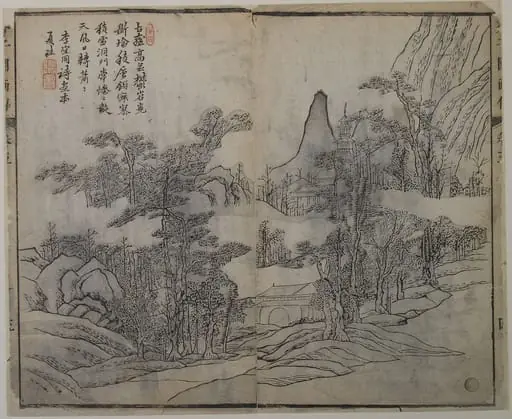 清 王槩 設計,李漁出版 芥子園畫傳 版本|Landscape after Xia Gui (active ca. 1195–1230), from the Mustard Seed Garden Manual of Painting
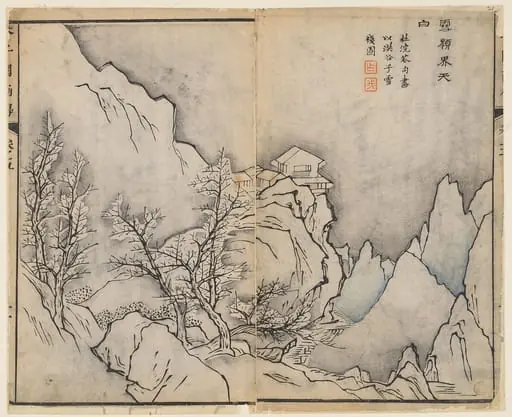 清 王槩 設計,李漁出版 芥子園畫傳 版本|Snowy Peaks Touching the Heavens, in the manner of Snow-covered Inn by Jing Hao (active ca. 870–ca. 930), from the Mustard Seed Garden Manual of Painting
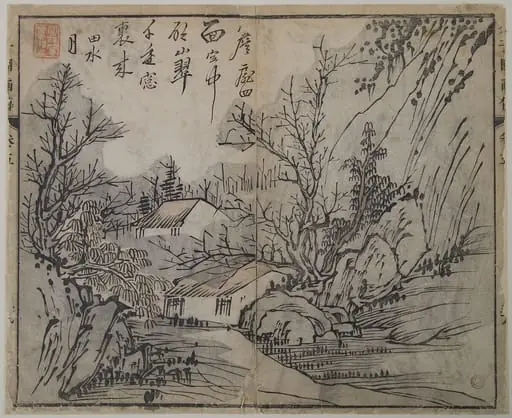 Untitled