Artwork
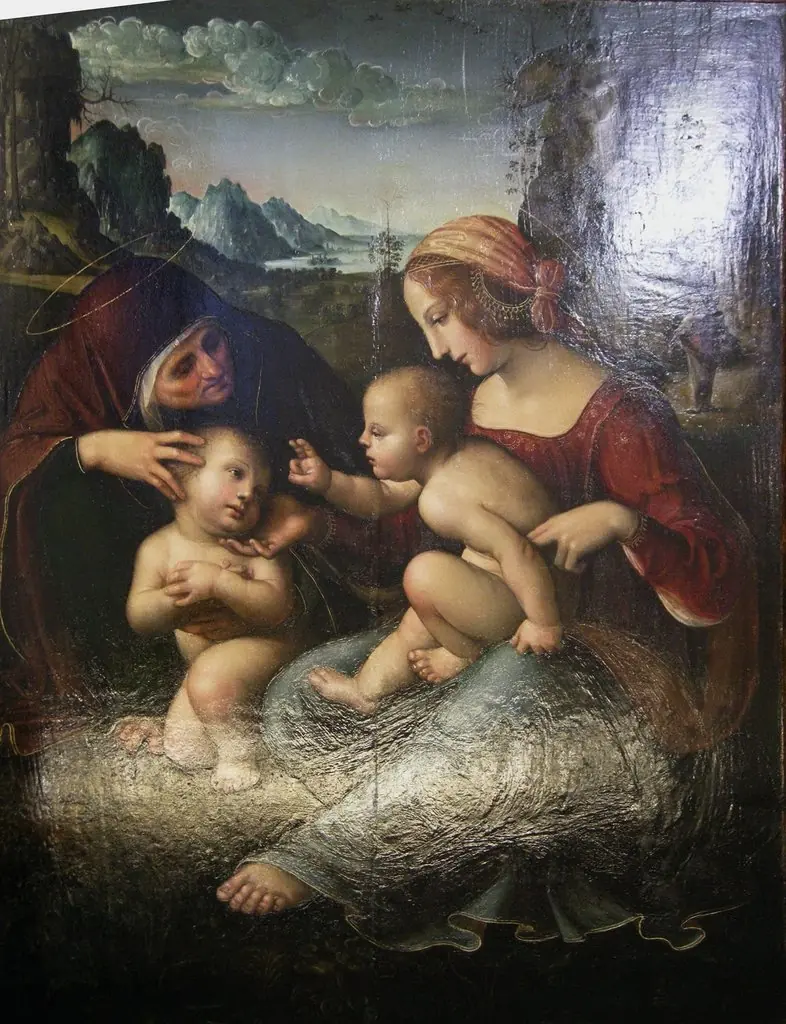
Madonna and Child with Saint Anne
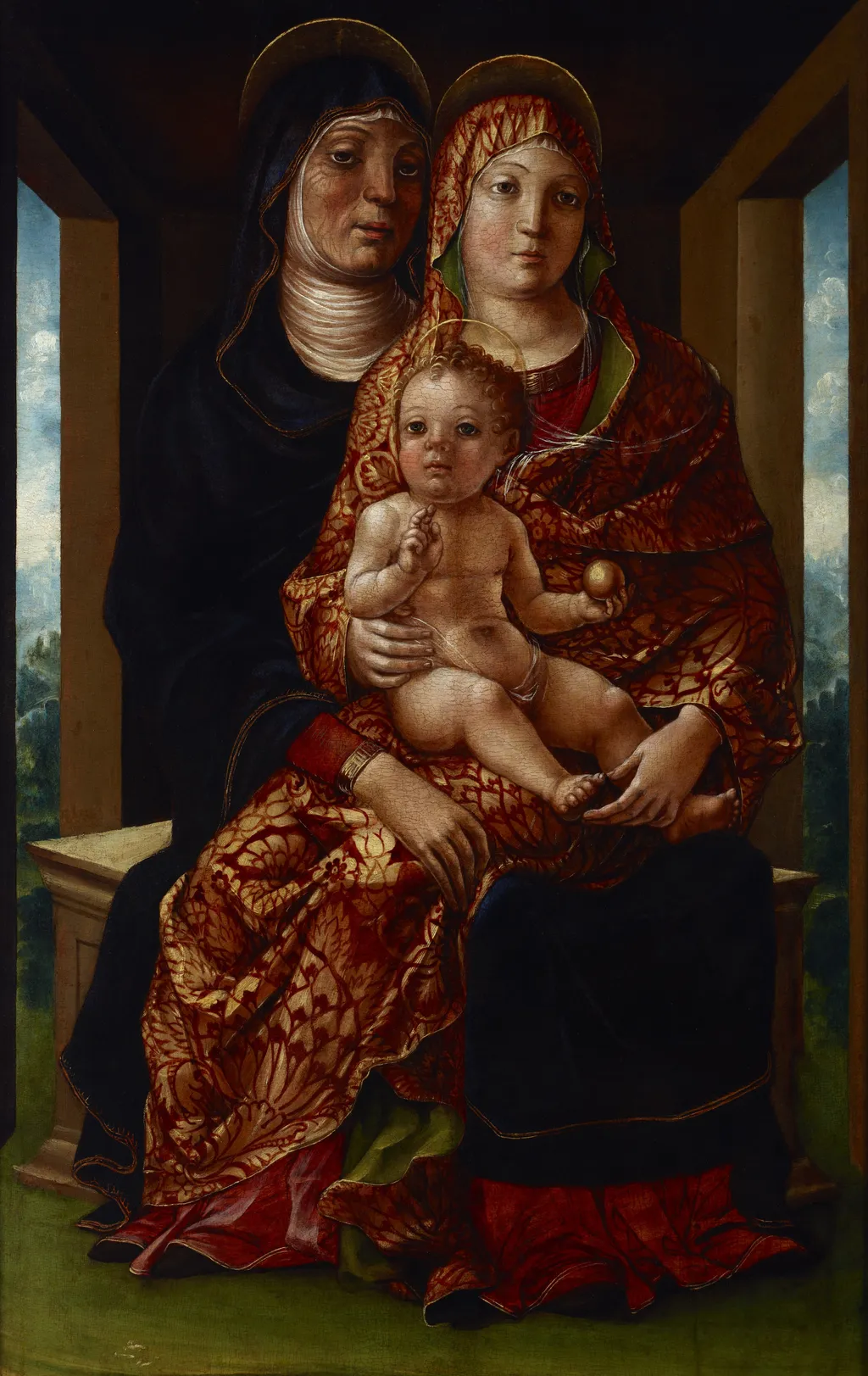
Madonna and Child with Saint Anne is an unspecified painting by the Early Renaissance artist Liberale da Verona. It dates from 1496 and is held in the collection of the National Museum in Kraków.
About this work
Overview
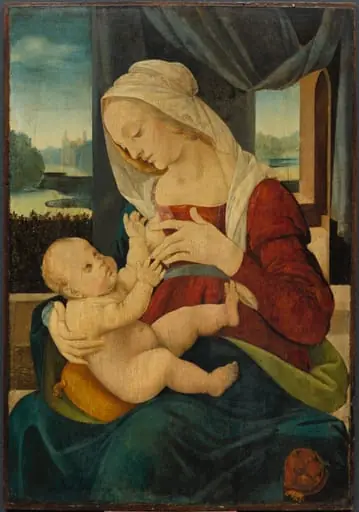
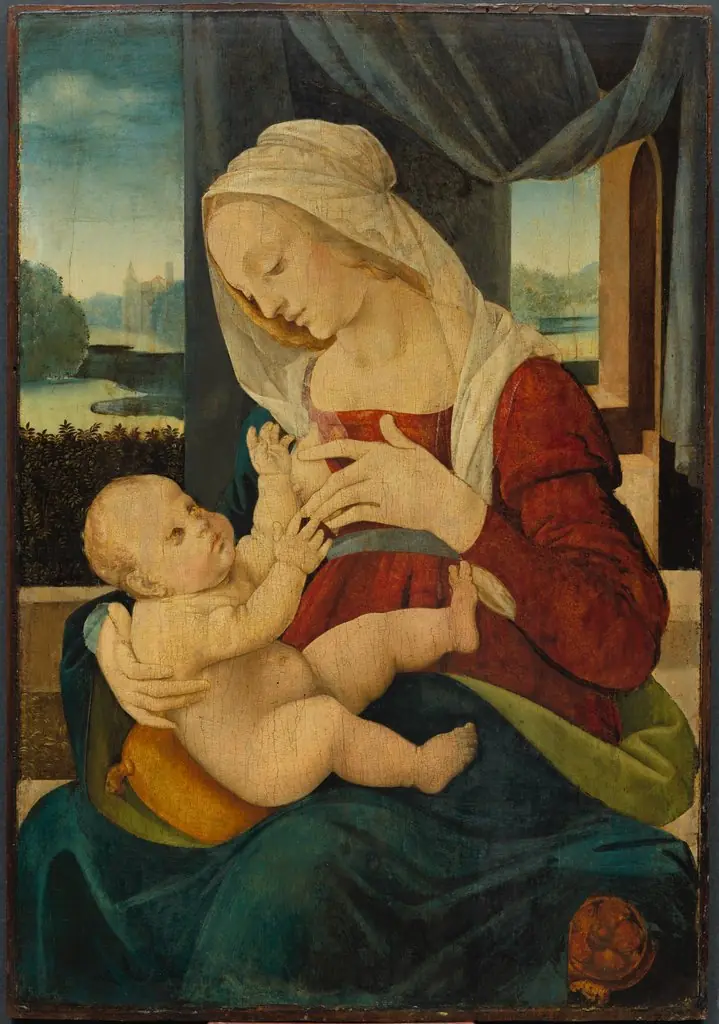
Liberale da Verona’s 1496 oil painting, titled *Madonna and Child with Saint Anne*, presents three seated figures in a compact arrangement. The work resides in the National Museum in Kraków and exemplifies the devotional imagery common to late‑15th‑century Italian art, focusing on the intimate bond between the Virgin, her mother Saint Anne, and the infant Christ.
Subject & Meaning
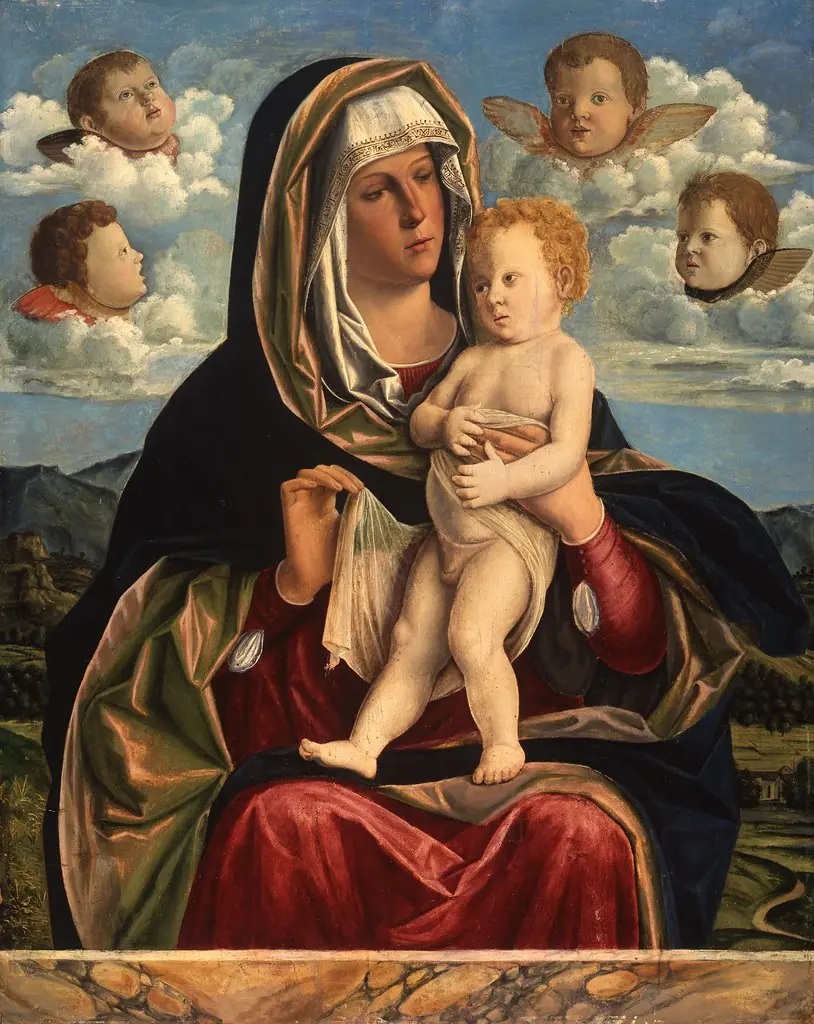
At the centre, the Virgin Mary cradles the infant Jesus, whose hand reaches outward, suggesting a gesture of blessing or future mission. Flanking them, Saint Anne—identified by her mature demeanor and attire—offers a generational link, underscoring the theological concept of holy lineage and the role of maternal intercession within Christian devotion.
Technique & Style
The figures are rendered with a delicate contrast: the child’s pale, smooth skin stands against the richly patterned red garments of the women, whose gold‑threaded fabrics catch ambient light. Liberale employs a restrained palette and careful modeling, while the background opens to an architectural doorway that frames a clear blue sky, adding depth and a sense of divine space.
History & Provenance
Created in Verona in the closing years of the 15th century, the painting entered the collection of the National Museum in Kraków during the 20th century, though exact acquisition details remain sparse. Its preservation in a major European museum reflects the broader movement of Italian Renaissance works into Central European public holdings.
Context
Liberale da Verona worked within the transitional period between the Gothic tradition and the emerging High Renaissance. The composition’s intimate grouping and attention to textile detail align with contemporary trends in devotional panels, while the inclusion of Saint Anne reflects the growing popularity of her cult in northern Italy during the late 1400s.
Own this work as a print
Artist & collection

 The Chess Players
 Chess player's novella
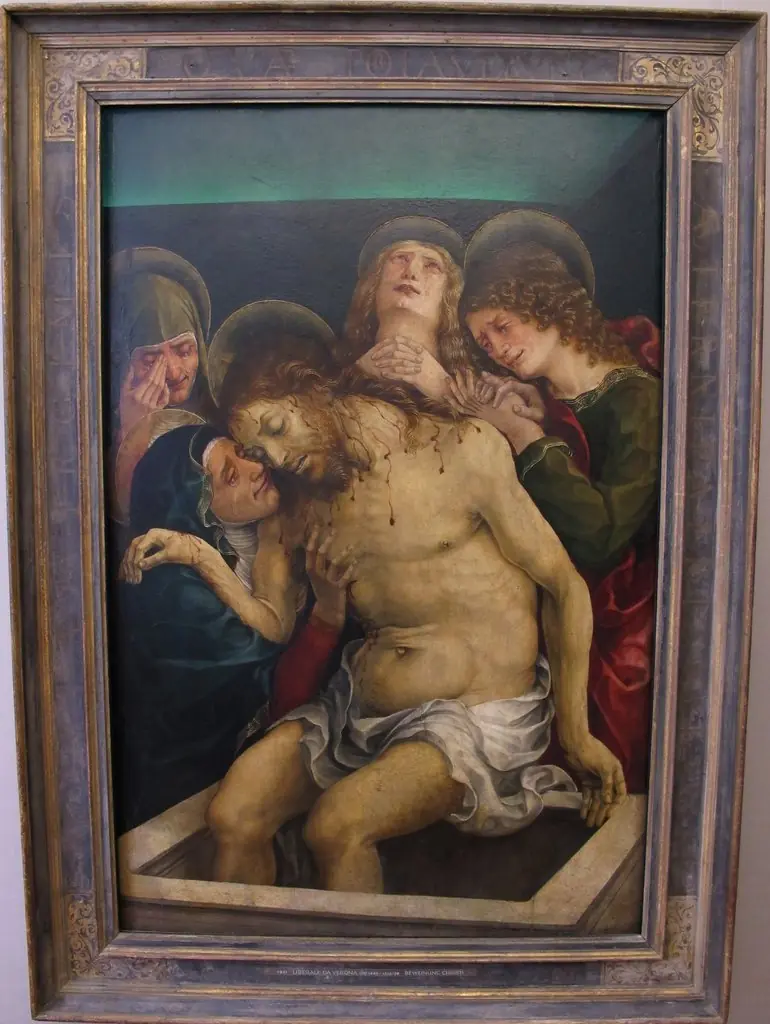 Lamentation of Christ
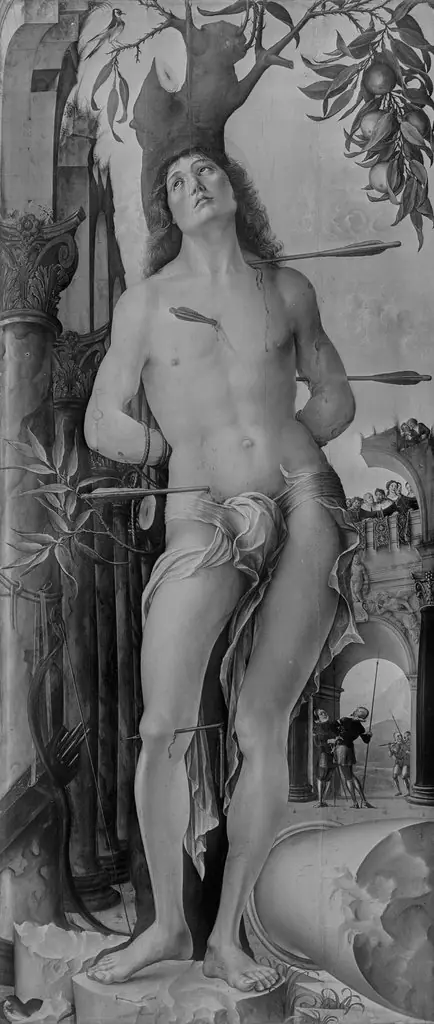 Saint Sebastian
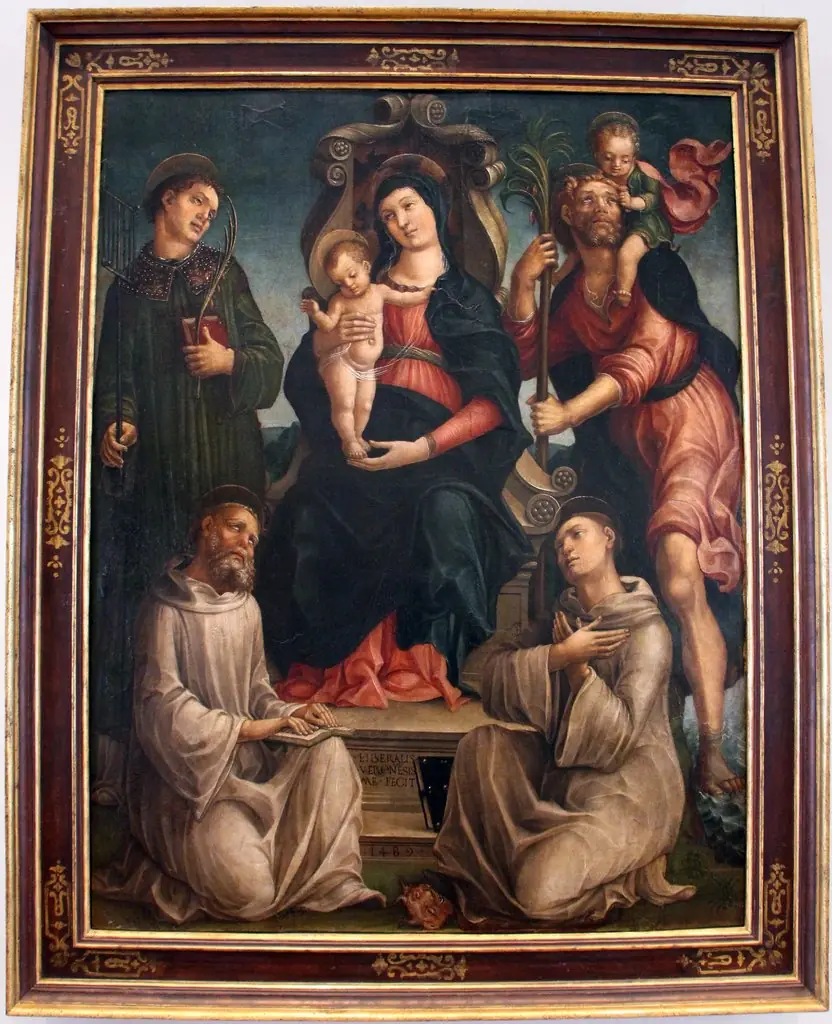 Thronende Maria mit dem segnenden Kind und den Heiligen Benedikt von Nursia, Laurentius und Bernhard von Clairvaux
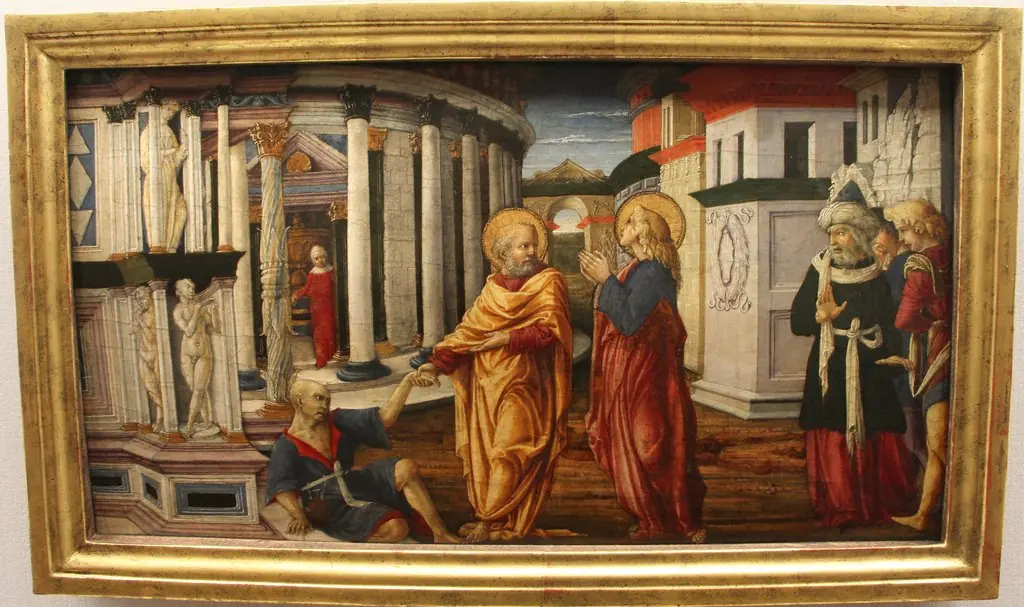 Petrus heilt einen Lahmen
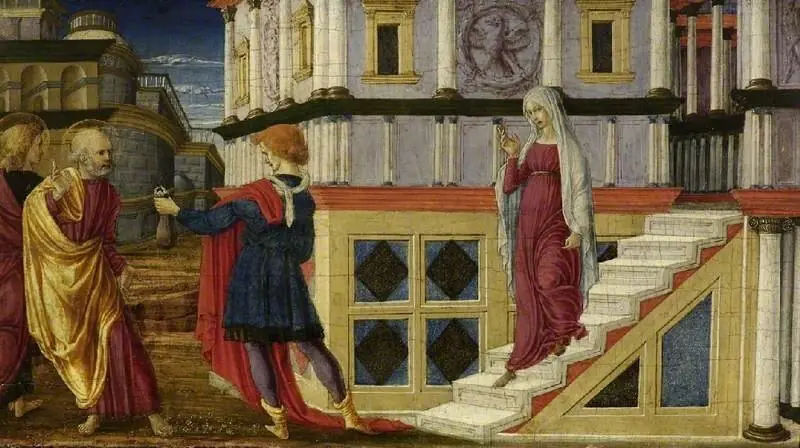 Simon Magus offering St Peter money for the power of conferring The Holy Spirit
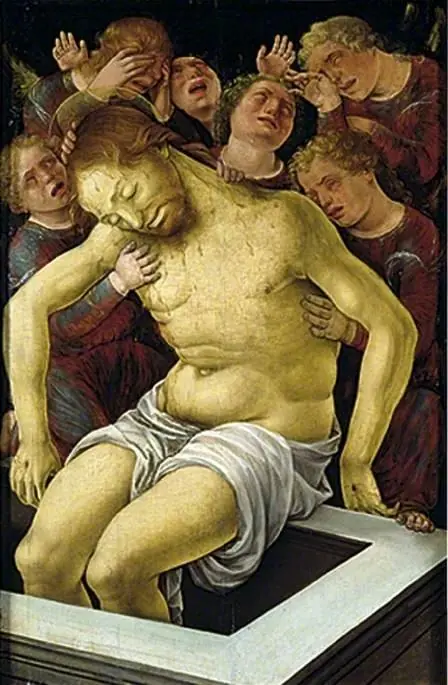 The dead Christ supported by mourning angels