Artwork
Saint Sebastian
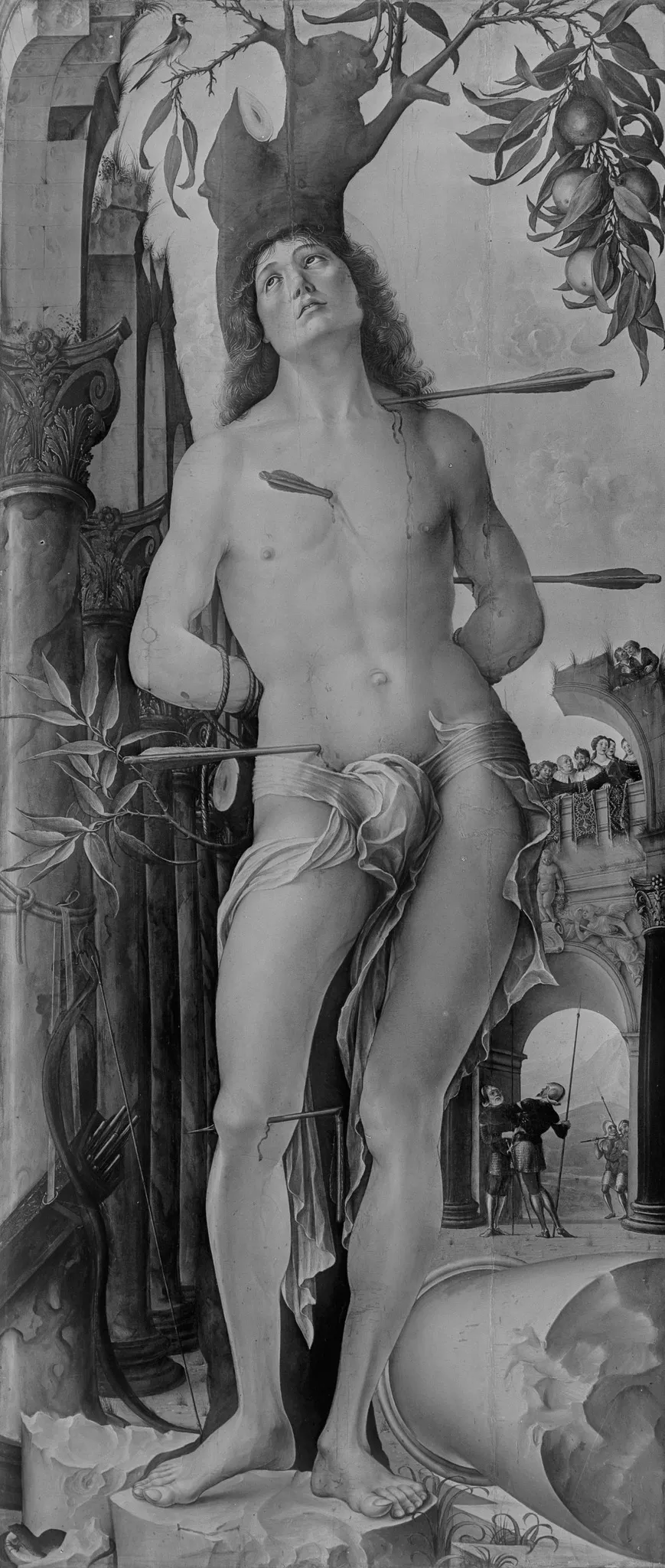
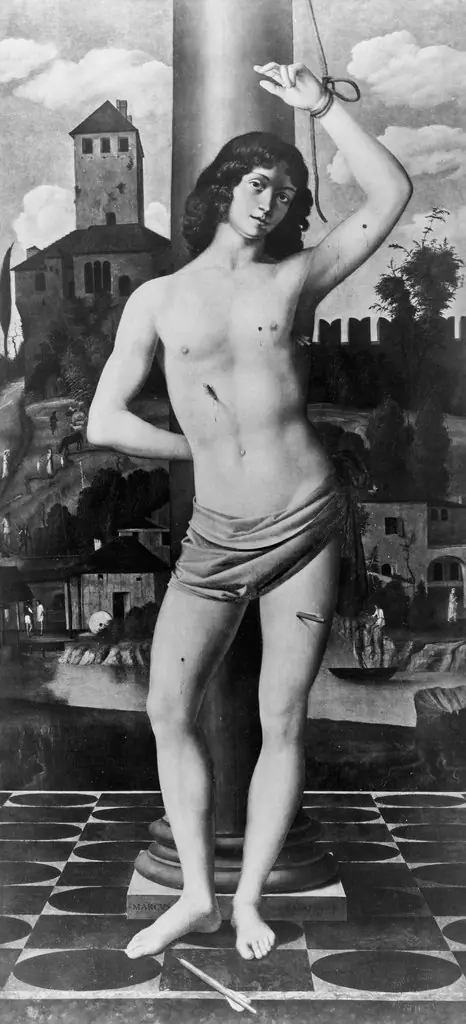
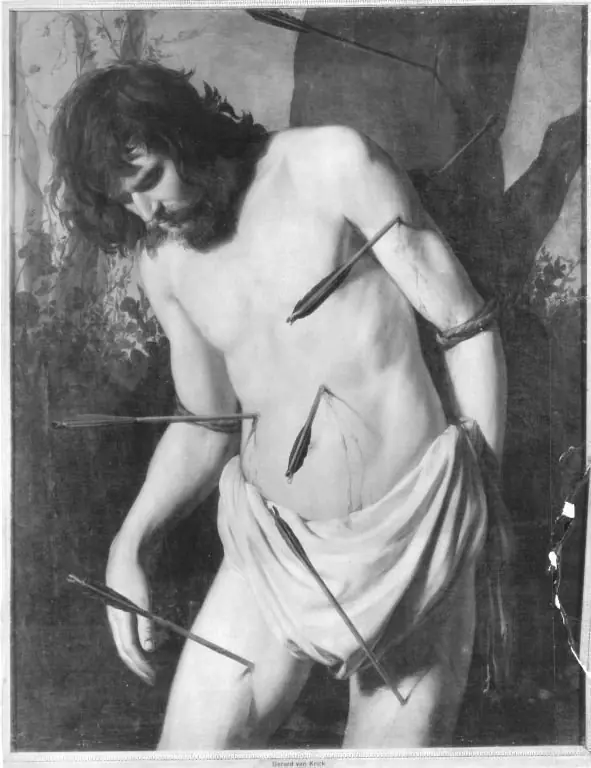
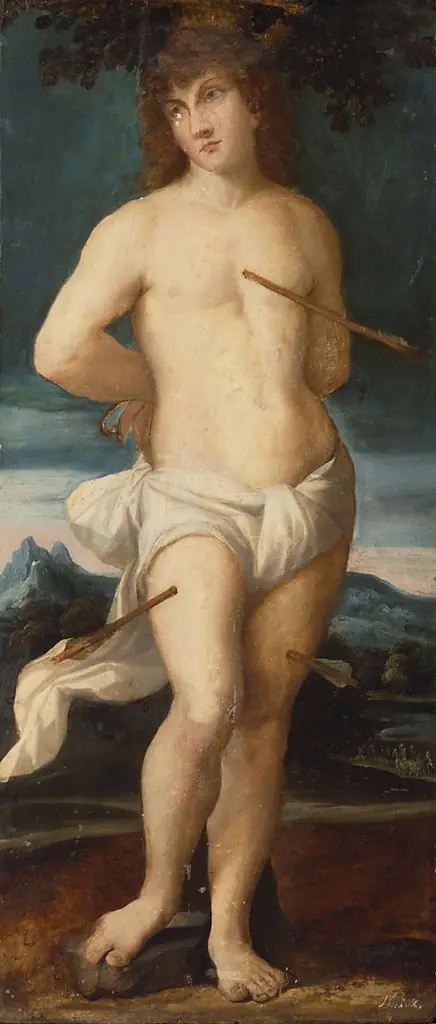
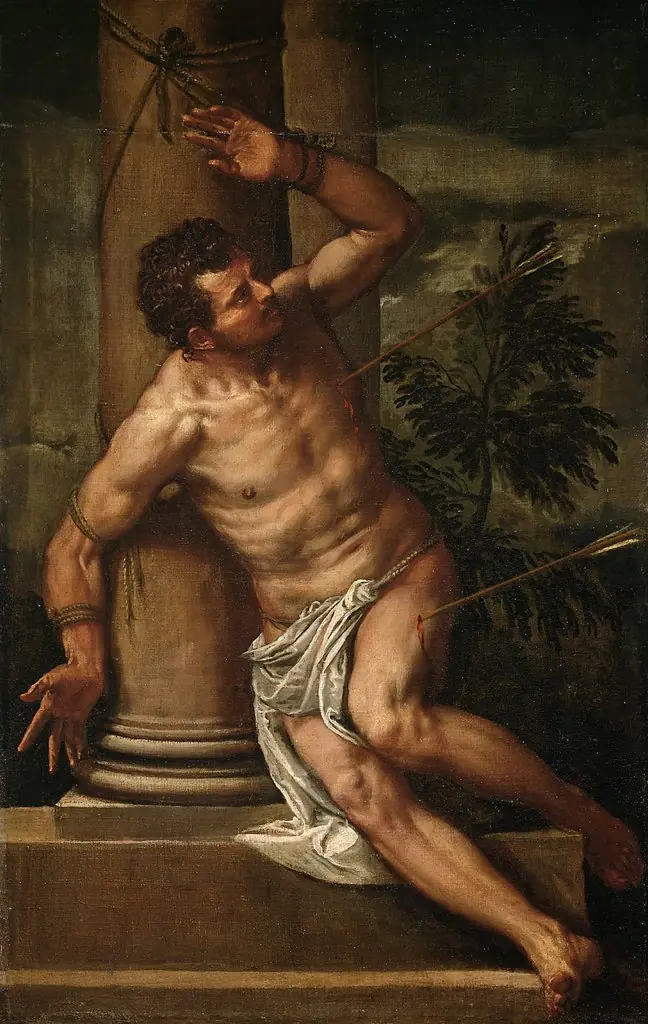
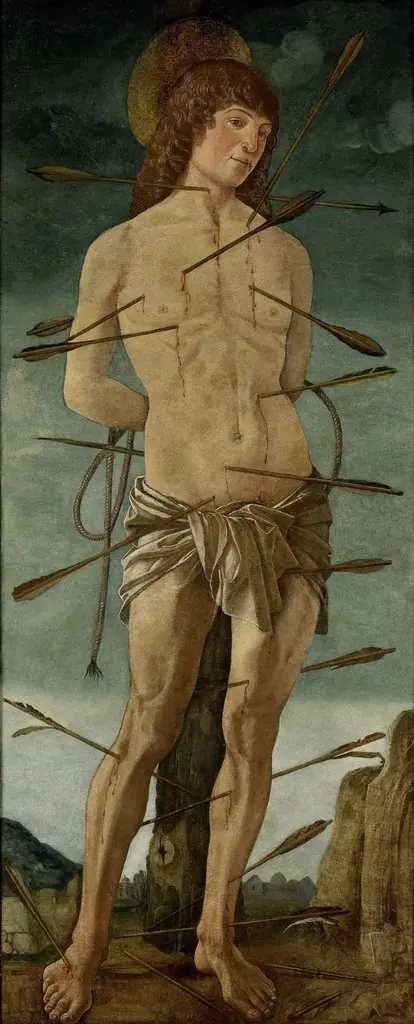
Saint Sebastian is a paint painting by the Early Renaissance artist Liberale da Verona. It dates from 1500 and is held in the collection of the Gemäldegalerie Berlin.
About this work
Overview
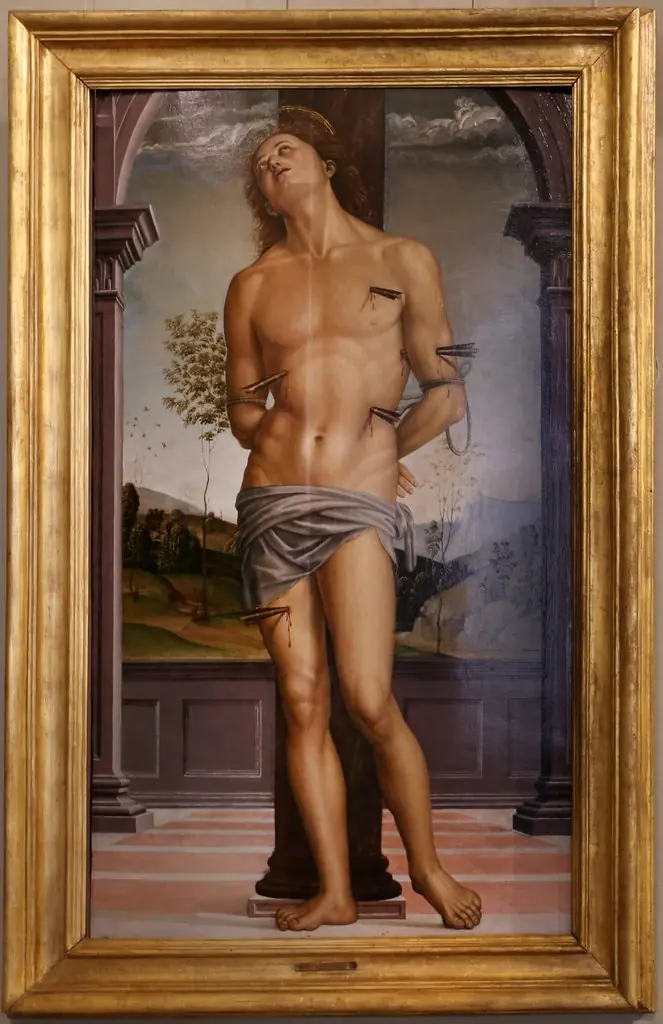
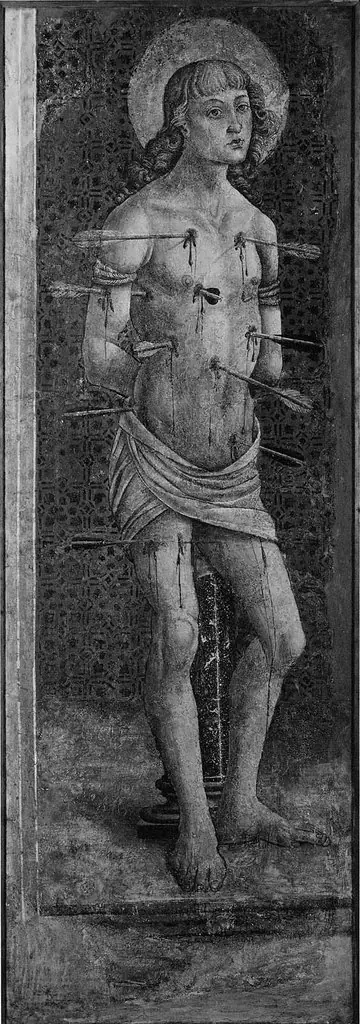
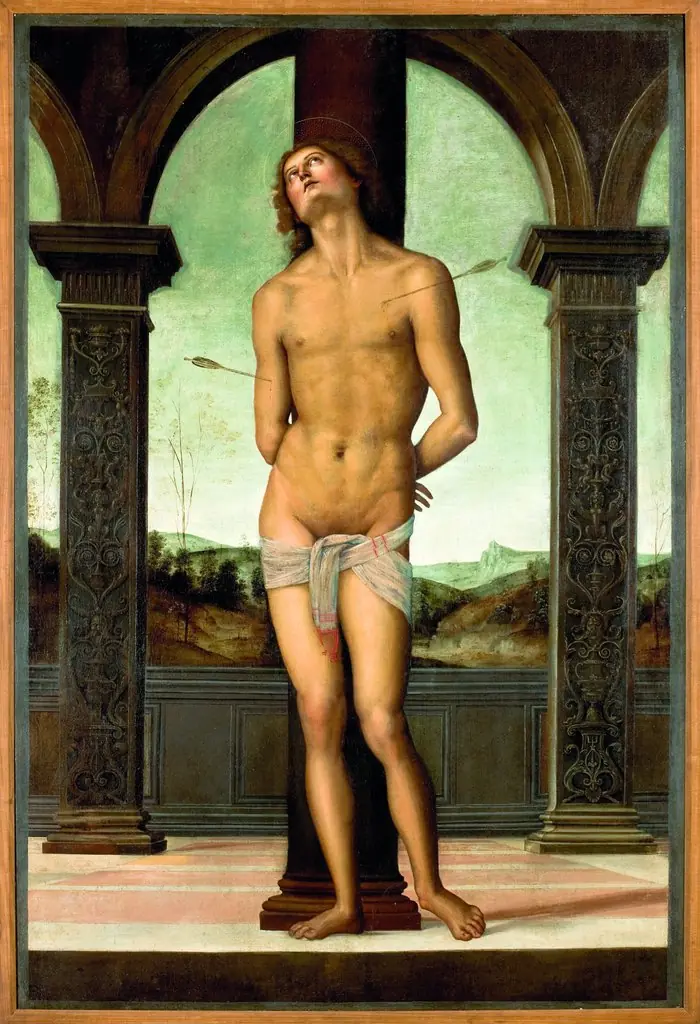
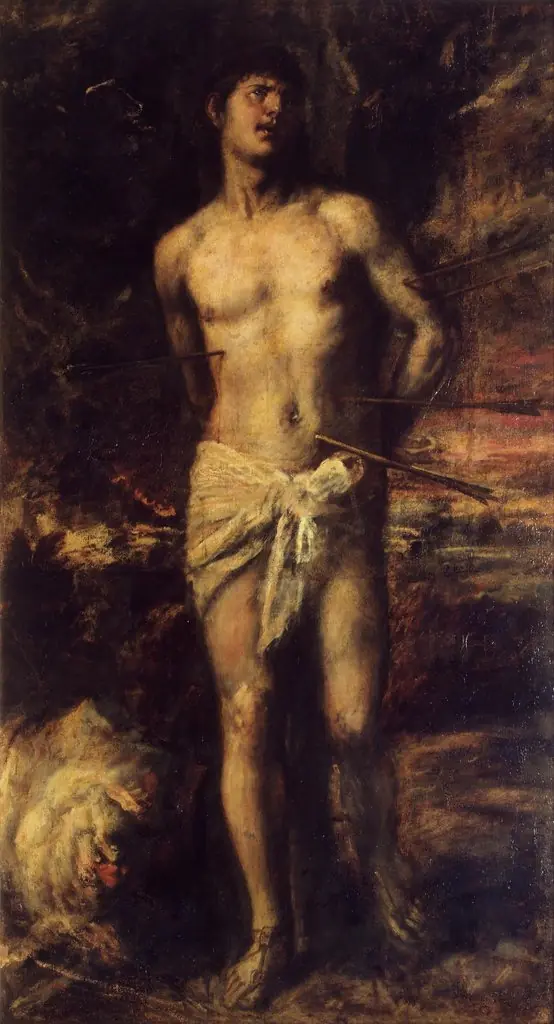
Painted around 1500 by Liberale da Verona, this work depicts Saint Sebastian, a Christian martyr, bound and pierced by arrows.
Painted around 1500 by Liberale da Verona, this work depicts Saint Sebastian, a Christian martyr, bound and pierced by arrows. Executed in tempera or oil on panel, it belongs to the Gemäldegalerie Berlin’s collection. The composition centers on the saint’s solitary figure against a sparse architectural backdrop, emphasizing his physical suffering and spiritual resolve within a quiet, contained space.
Subject & Meaning
Saint Sebastian, traditionally venerated as a protector against plague, was martyred by Roman soldiers for his faith. Here, he is shown not in death but in endurance, his bound posture and arrow wounds symbolizing passive suffering and divine patience. The distant onlookers suggest a public execution, reinforcing his role as a witness to faith under persecution, a common theme in late medieval and early Renaissance devotional art.
Technique & Style
Liberale da Verona employs subtle chiaroscuro to model the saint’s torso and face, lending volume and emotional weight to the figure. The arrows are rendered with precise detail, contrasting with the softer, atmospheric background. The drapery around the waist is loosely painted, while the distant landscape and figures are minimized, focusing attention on the saint’s expression and physicality, characteristic of northern Italian devotional painting of the period.
History & Provenance
The painting entered the Gemäldegalerie Berlin’s collection in the 19th century, likely through acquisitions from German ecclesiastical or noble holdings. Its attribution to Liberale da Verona is supported by stylistic parallels with his other known works, particularly in facial modeling and compositional restraint. No earlier documentation of its ownership is widely recorded, but its condition suggests it was preserved in a religious context before entering the museum.
Context
Created at the turn of the 16th century, the painting reflects the enduring popularity of saintly martyr imagery in northern Italy, even as humanist ideals gained ground. Liberale’s style bridges late Gothic conventions with emerging Renaissance naturalism. The inclusion of a tree and fruit may allude to the Garden of Eden or divine providence, subtly reinforcing the saint’s spiritual triumph over physical torment.
Legacy
While not widely reproduced or celebrated in modern popular culture, the painting remains a quiet example of early Renaissance devotional art in northern Italy. It contributes to scholarly understanding of how regional artists adapted traditional iconography with emerging techniques in light and expression. Its presence in Berlin underscores the broader European circulation of religious imagery during the early modern period.
Artist & collection
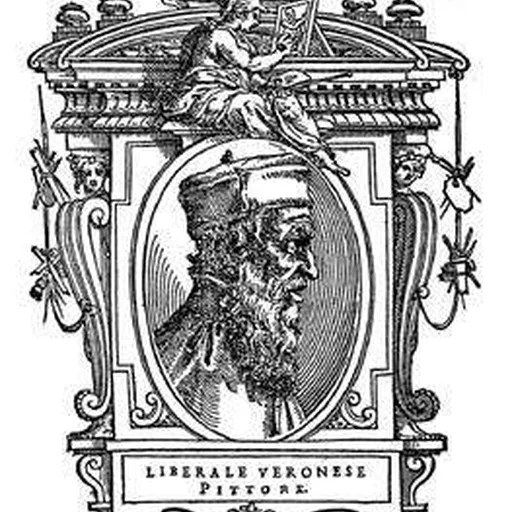

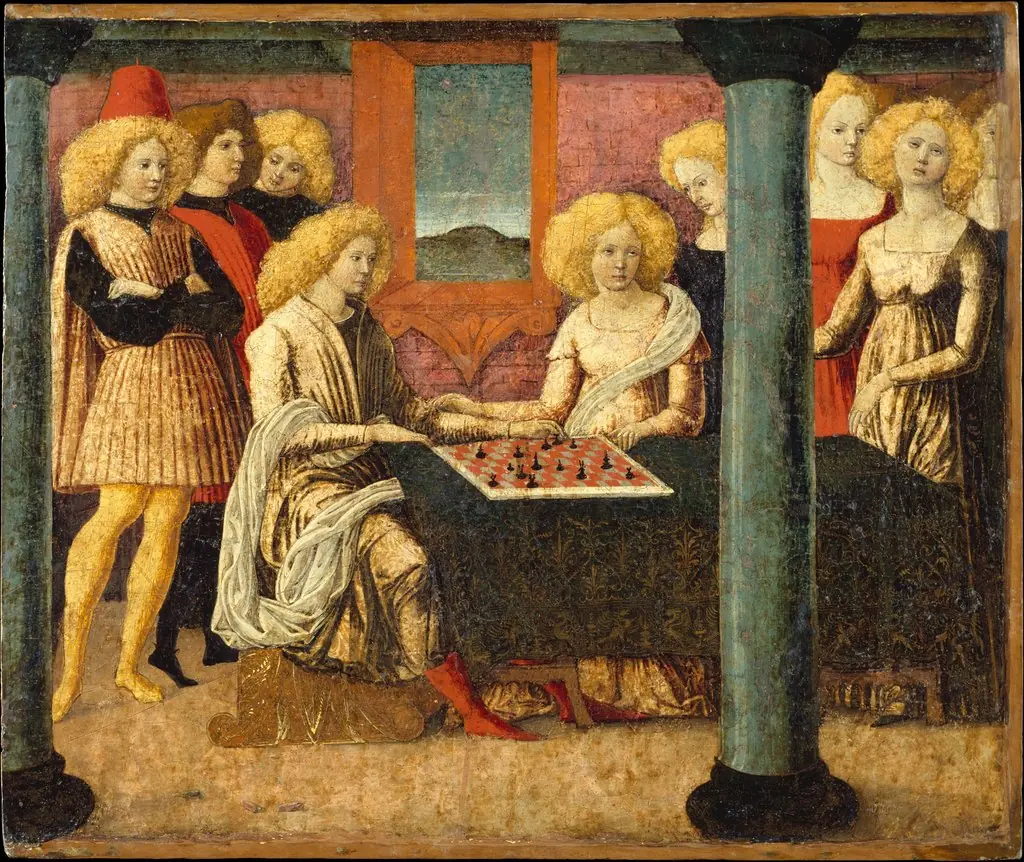 The Chess Players
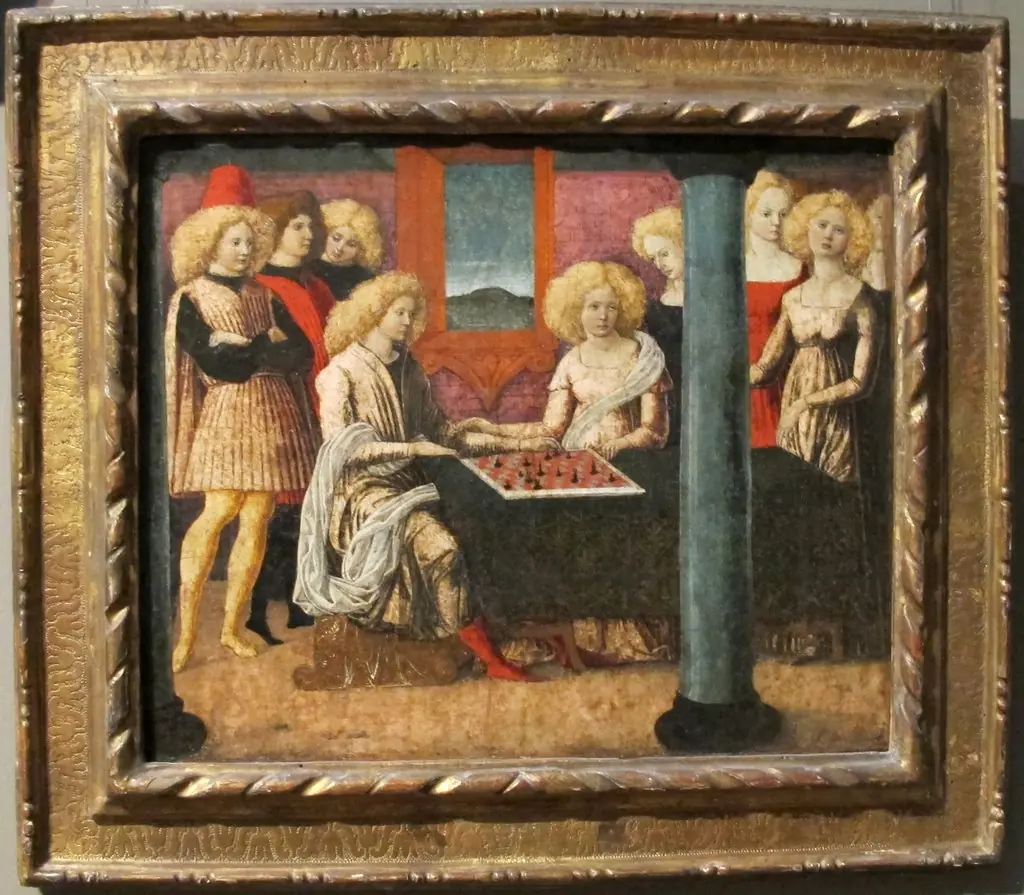 Chess player's novella
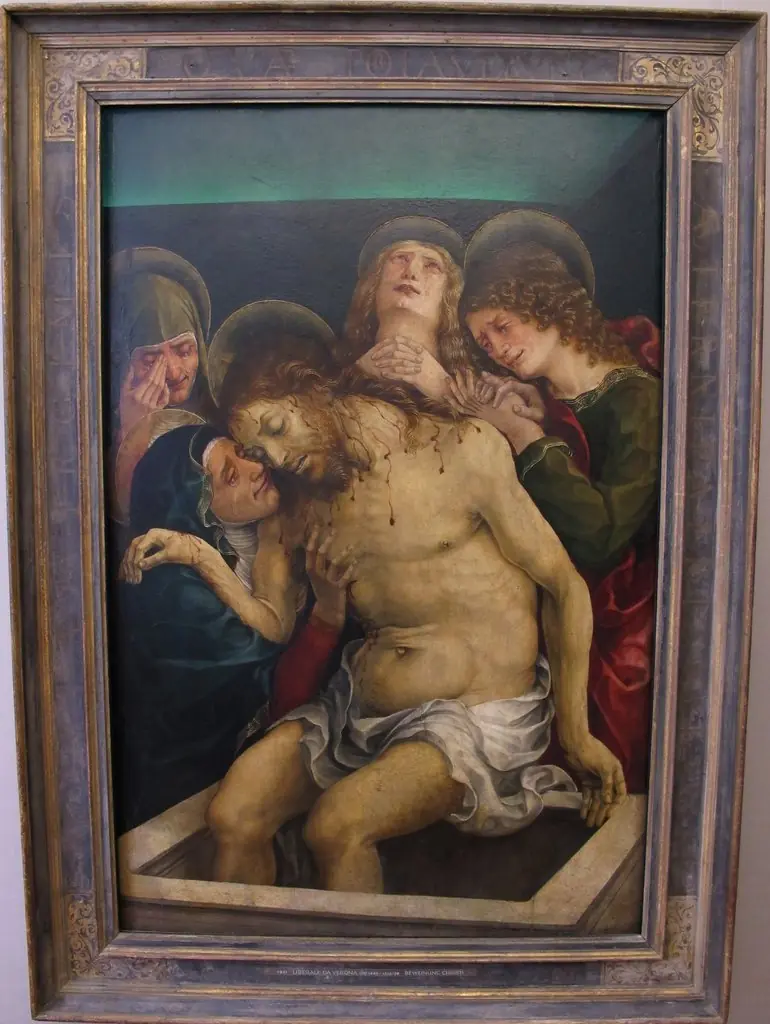 Lamentation of Christ
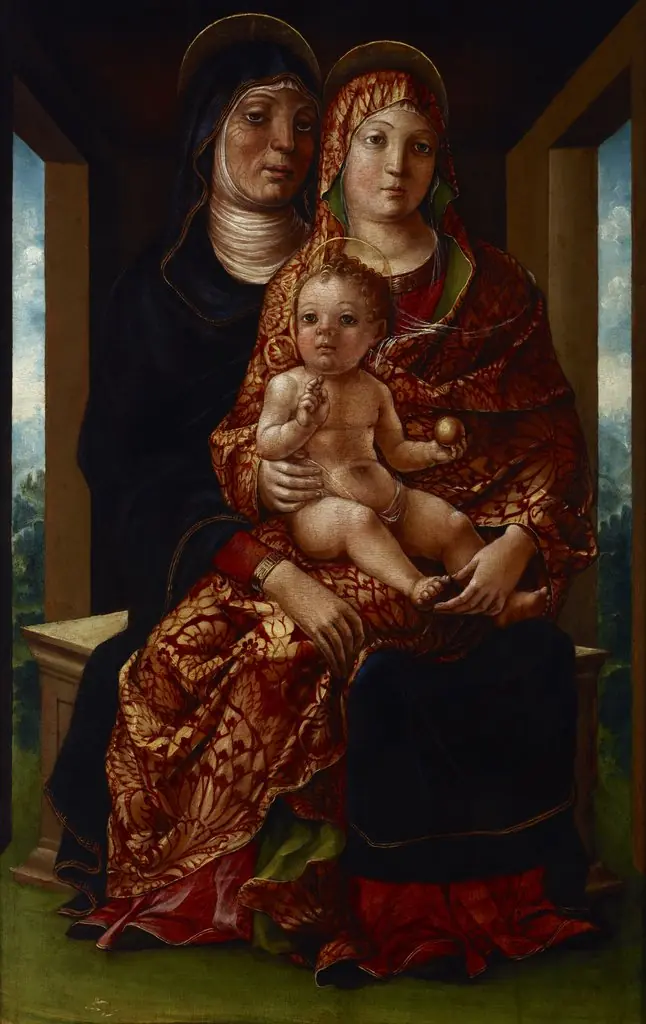 Madonna and Child with Saint Anne
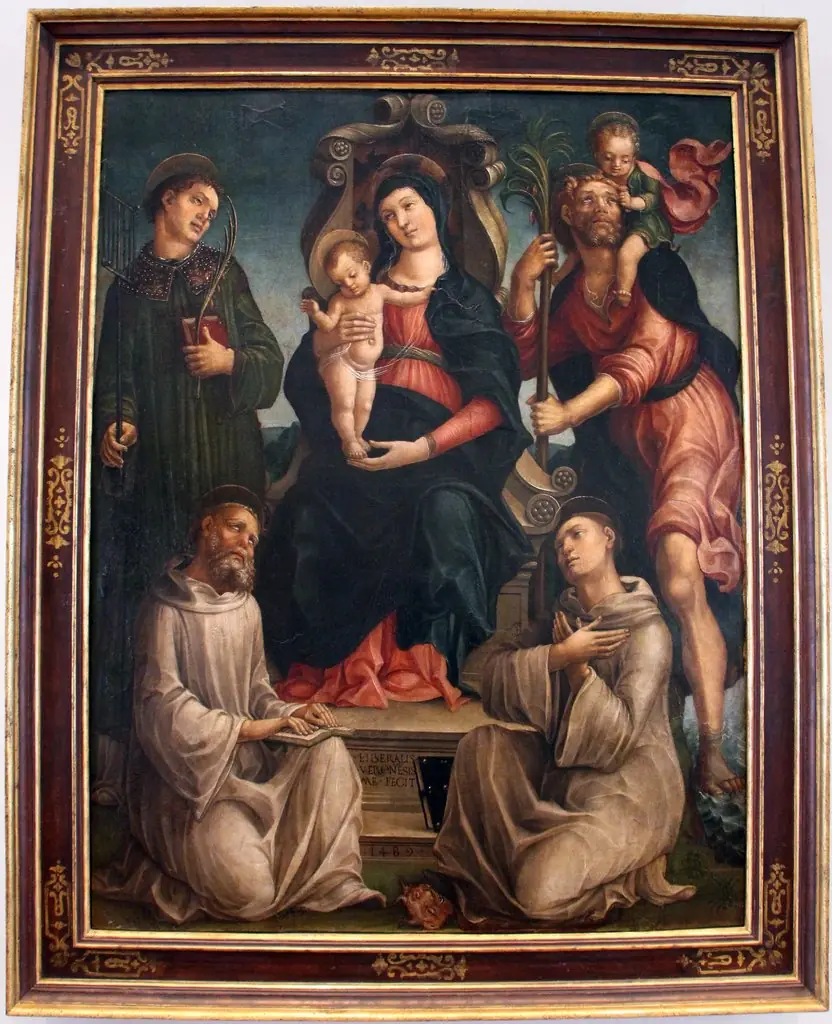 Thronende Maria mit dem segnenden Kind und den Heiligen Benedikt von Nursia, Laurentius und Bernhard von Clairvaux
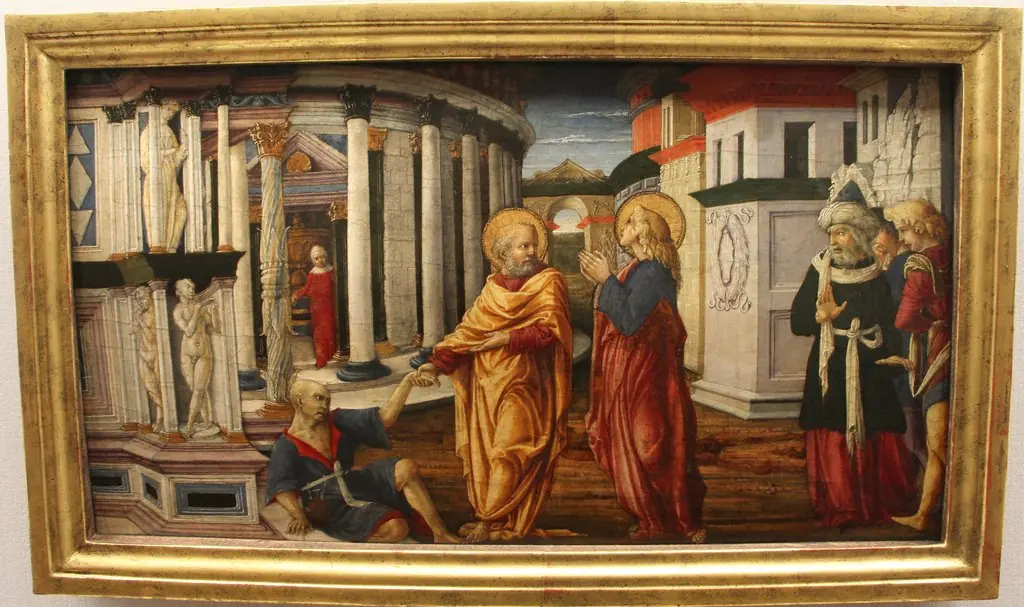 Petrus heilt einen Lahmen
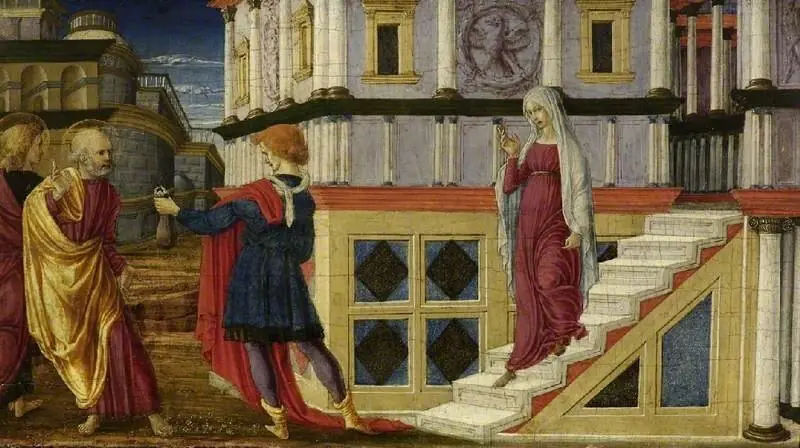 Simon Magus offering St Peter money for the power of conferring The Holy Spirit
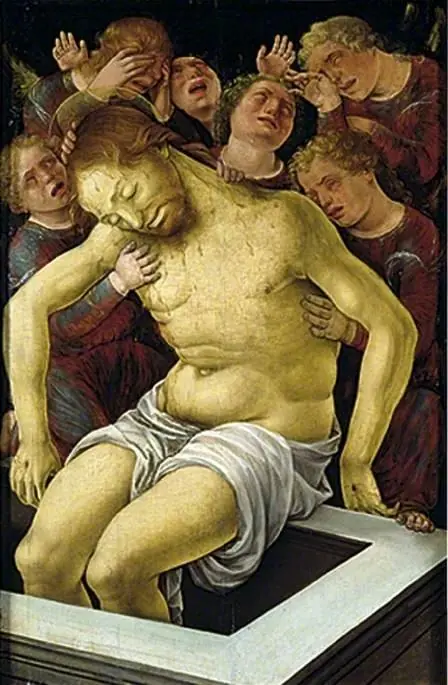 The dead Christ supported by mourning angels