Artwork
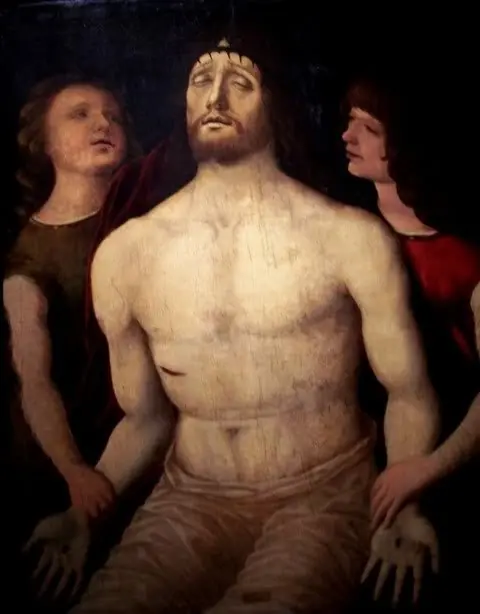
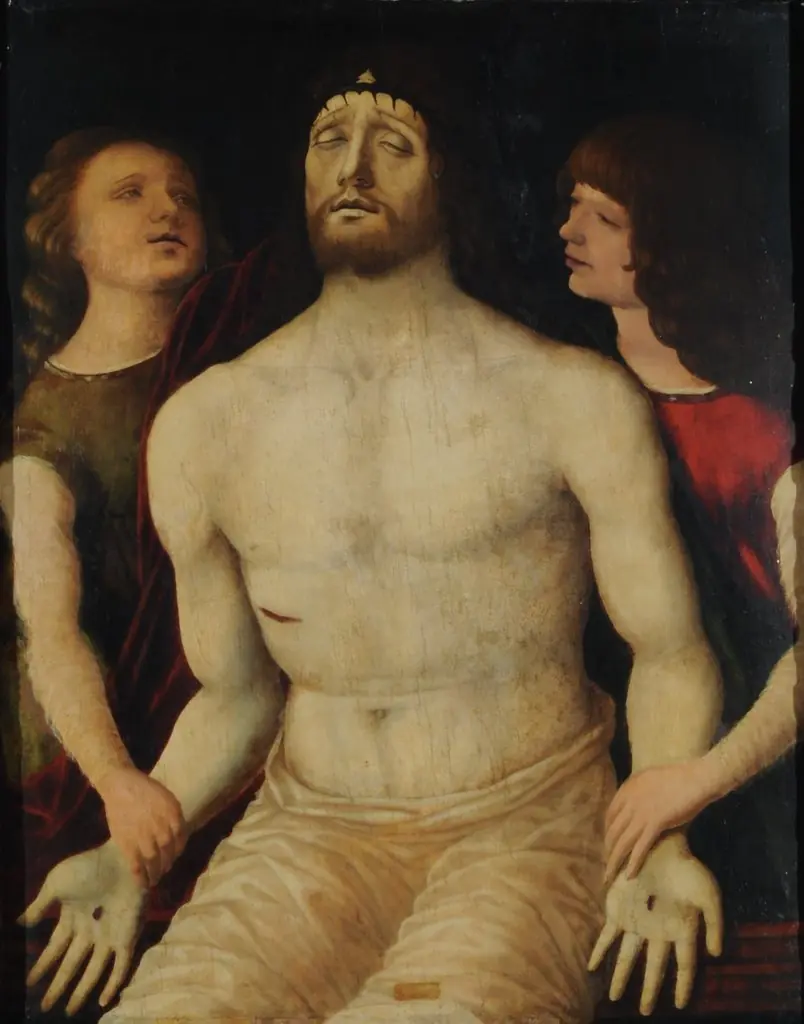
The dead Christ supported by mourning angels
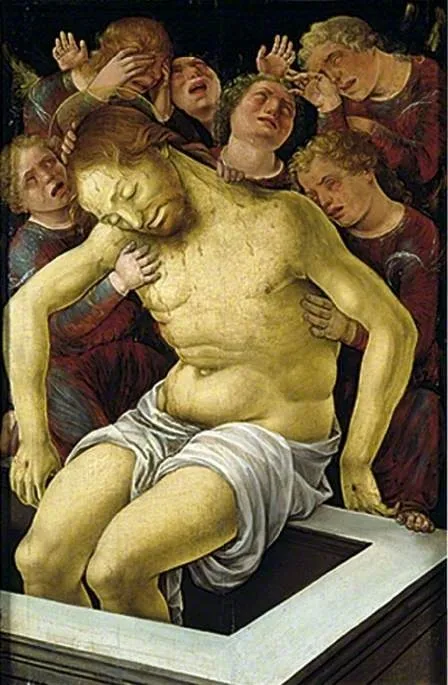
The dead Christ supported by mourning angels is an unspecified painting by Liberale da Verona. It dates from 1495 and is held in the collection of the Fitzwilliam Museum.
About this work
Overview
The Dead Christ Supported by Mourning Angels is a 1495 religious painting by Liberale da Verona, now part of the collection at the Fitzwilliam Museum.
Subject & Meaning
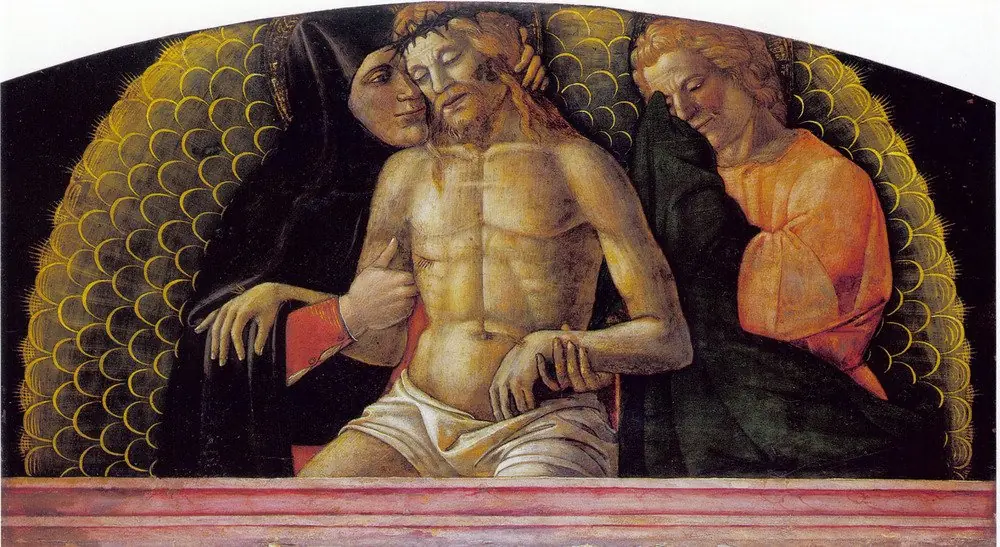
The painting depicts a poignant scene of mourning: a group of angels gathered around the lifeless body of Jesus Christ, their physical contact conveying sorrow and support. The composition focuses on the emotional response of the divine attendants to Christ's death.
Technique & Style
Against a somber, dark background, the artist employs contrasting red and blue robes on the angels, set off by the white shroud wrapping Christ. This chromatic strategy creates depth and heightens the emotional intensity of the lamentation.
History & Provenance
Created in 1495, the work's provenance prior to its acquisition by the Fitzwilliam Museum is not detailed here, highlighting the need for further research into its historical ownership and exhibition history.
Context
This work reflects the artistic and religious preoccupations of late 15th-century Italy, where depictions of Christ's death and mourning were common. It aligns with a tradition of emphasizing emotional devotion in religious art.
Legacy
While not individually renowned in broad art historical narratives, the painting contributes to the understanding of Liberale da Verona's oeuvre and the broader tradition of depicting the Lamentation of Christ, influencing or reflecting contemporary artistic and devotional practices.
Artist & collection

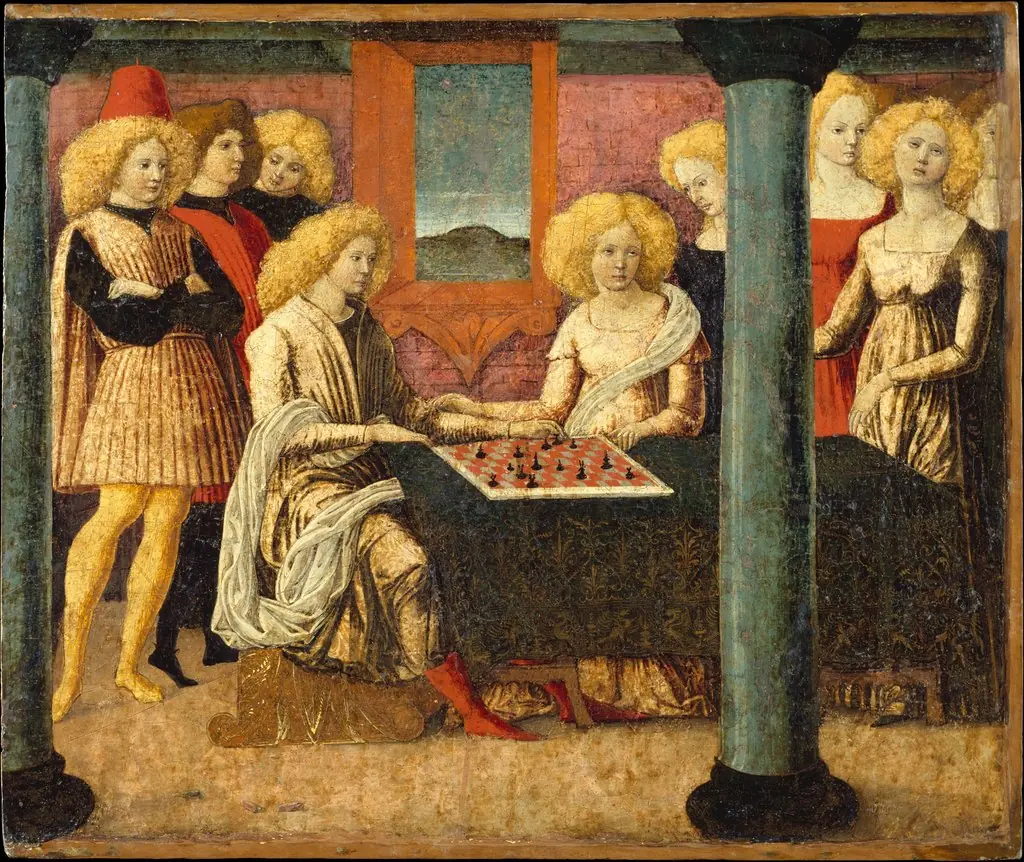 The Chess Players
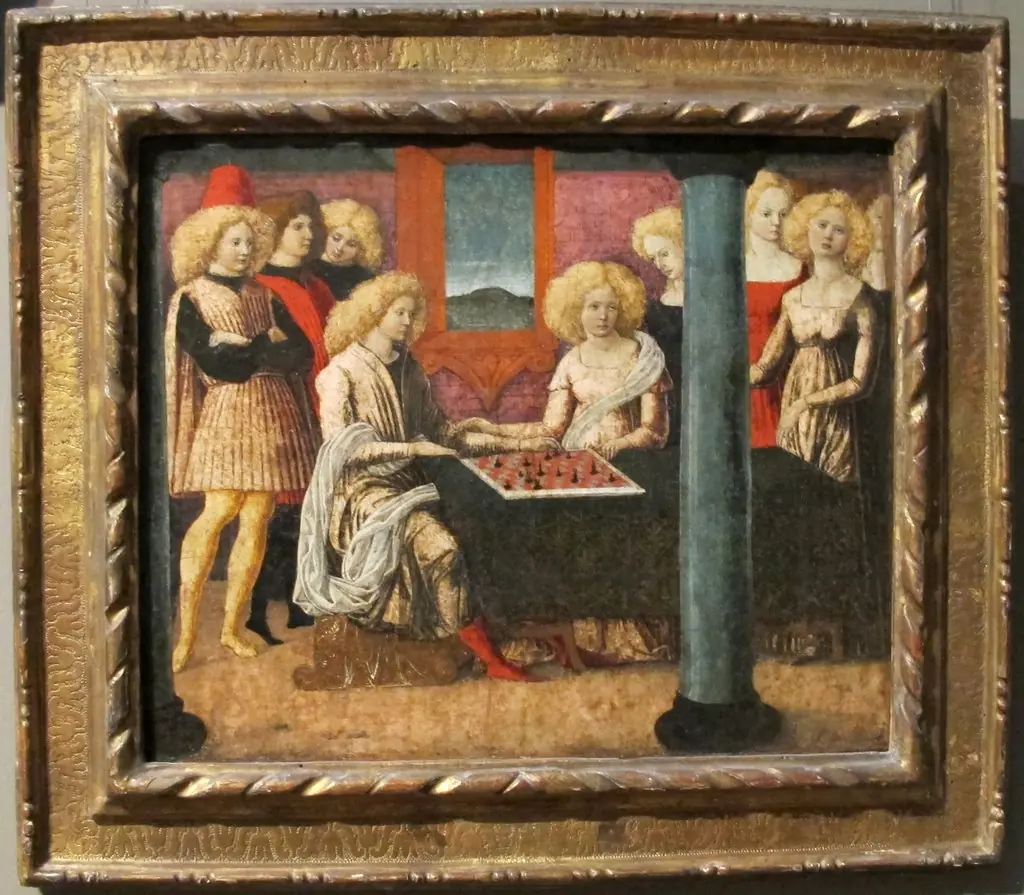 Chess player's novella
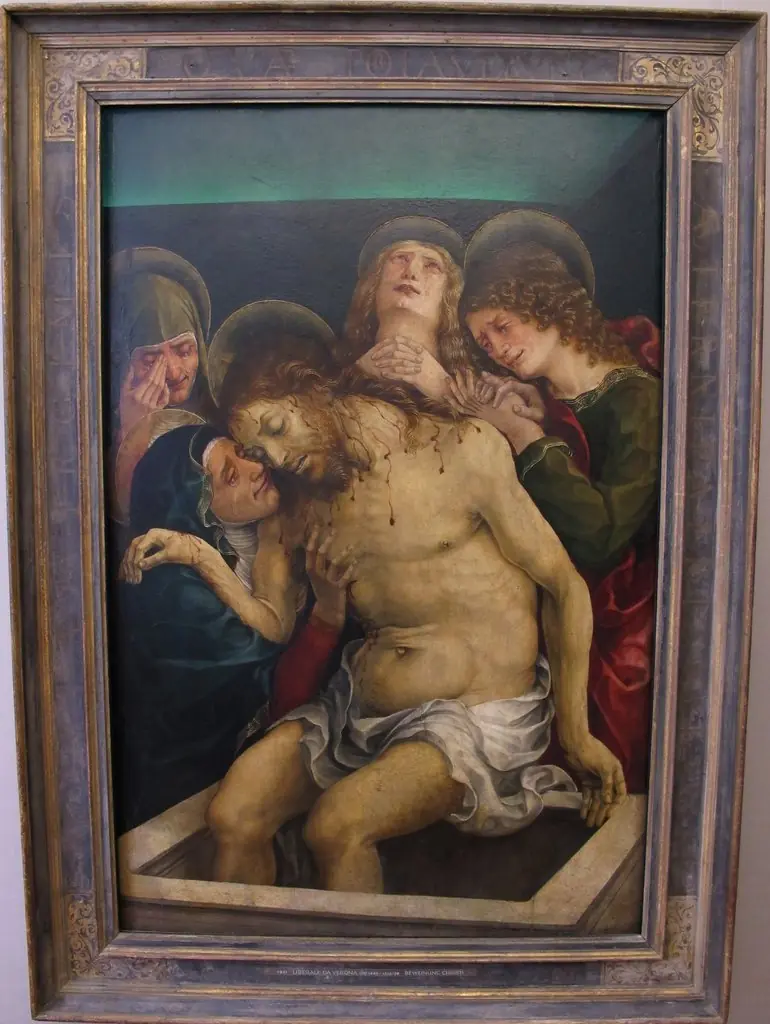 Lamentation of Christ
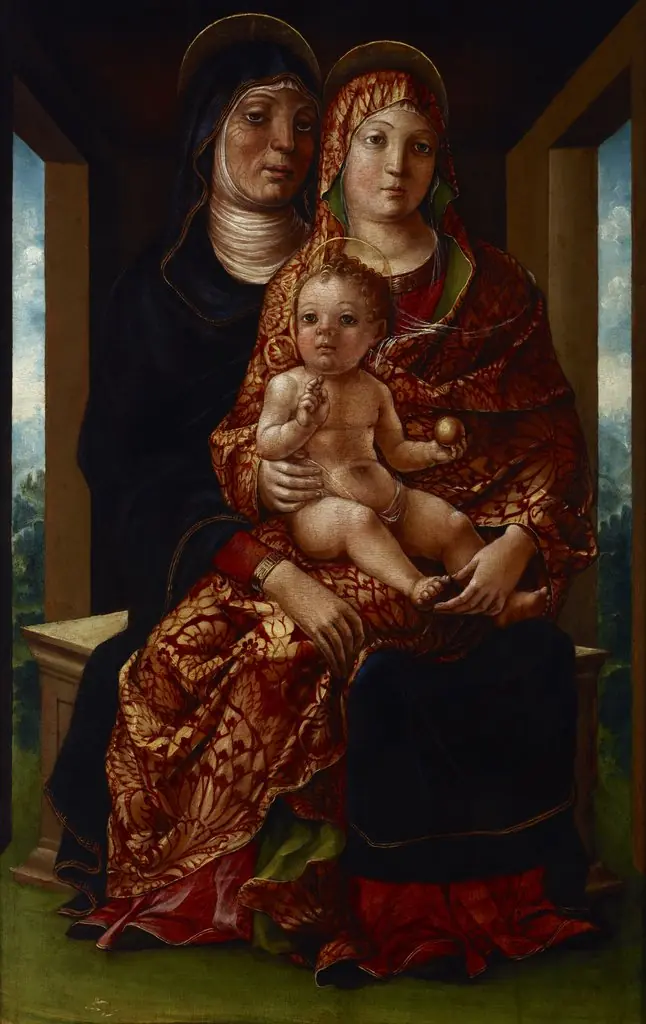 Madonna and Child with Saint Anne
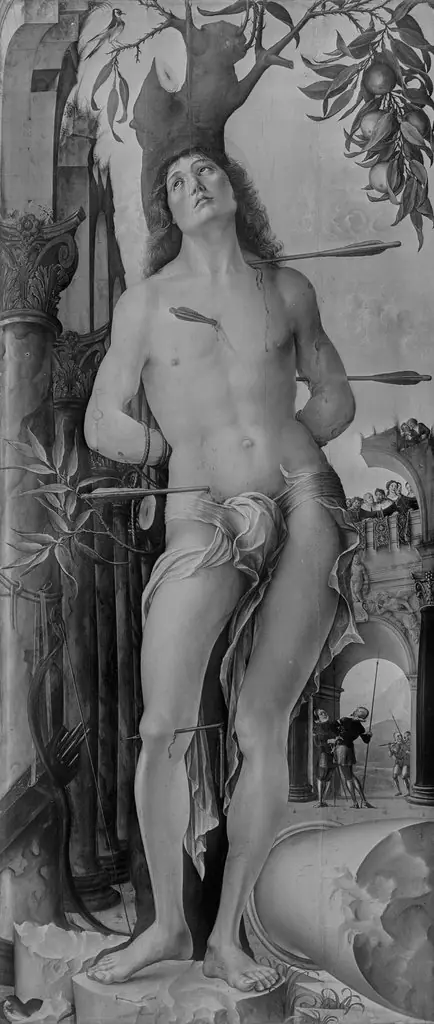 Saint Sebastian
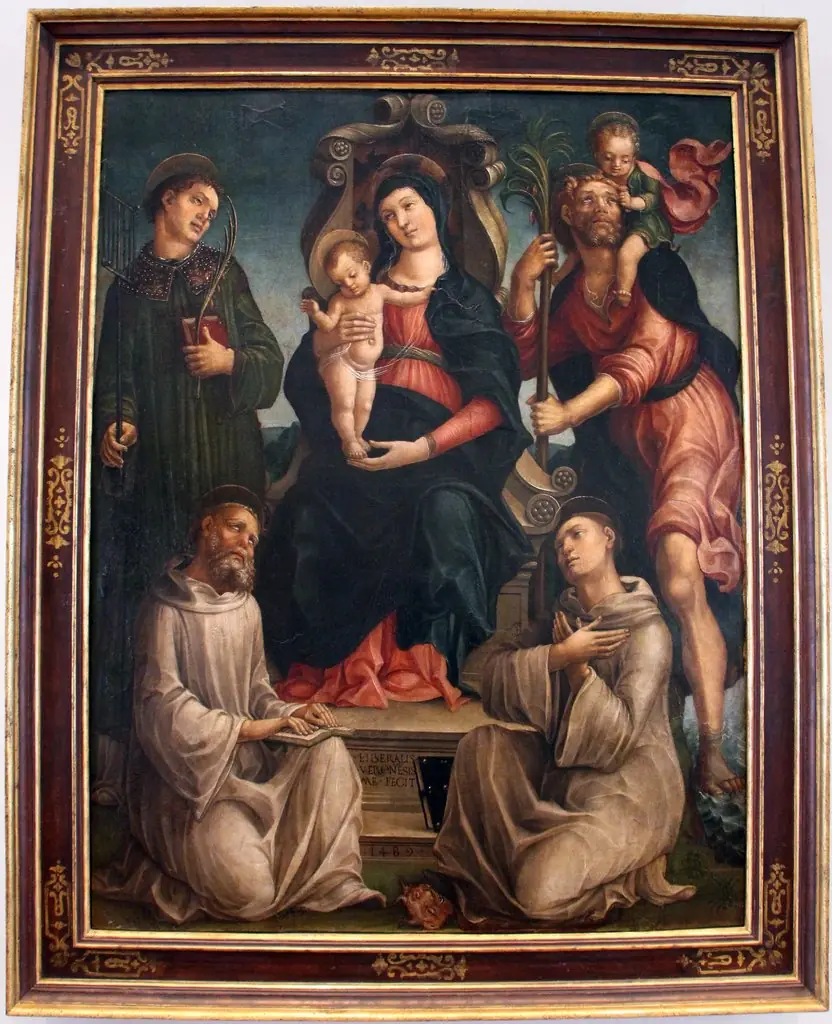 Thronende Maria mit dem segnenden Kind und den Heiligen Benedikt von Nursia, Laurentius und Bernhard von Clairvaux
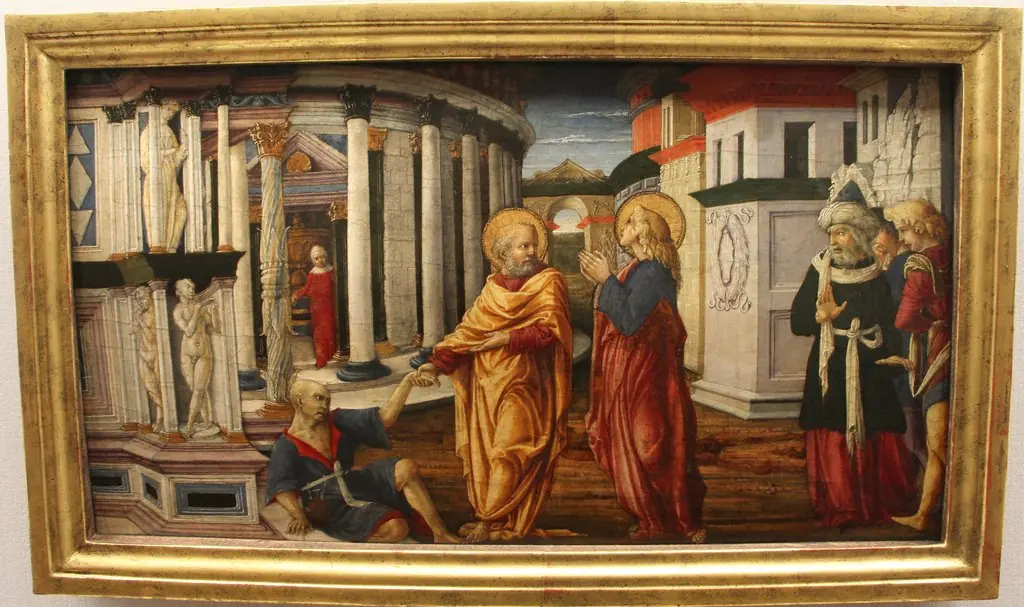 Petrus heilt einen Lahmen
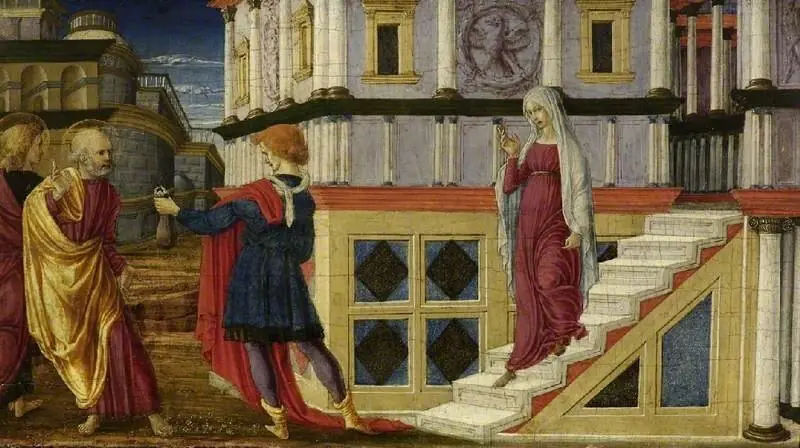 Simon Magus offering St Peter money for the power of conferring The Holy Spirit