Artwork
Views in Mysore: Bhoganarasimhaswami's temple, in the fort, Devarayadroog (from the plateau)
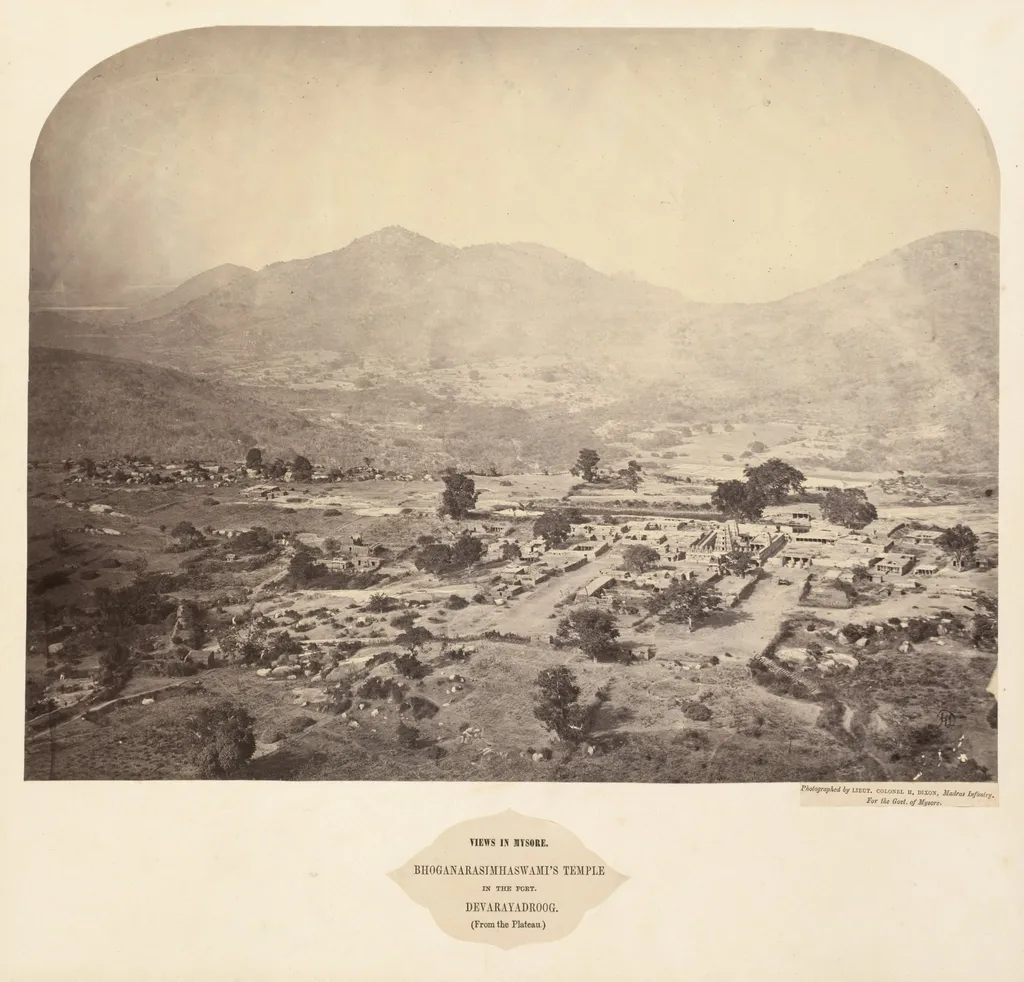
Views in Mysore: Bhoganarasimhaswami's temple, in the fort, Devarayadroog (from the plateau) is a photography by the Impressionist artist Lieutenant Colonel Henry Dixon. It dates from 1864 and is held in the collection of the Cleveland Museum of Art.
About this work
Overview
Shot from an elevated plateau, the image presents a broad view of the temple and surrounding urban layout.
This photograph, taken by Lieutenant Colonel Henry Dixon in the mid-19th century, captures the Bhoganarasimhaswami Temple within the Devarayadroog fort complex in Mysore. Shot from an elevated plateau, the image presents a broad view of the temple and surrounding urban layout. Dixon, a British military officer stationed in India, employed photography as a tool for documenting architectural heritage, reflecting the colonial interest in recording India’s historic sites during the early years of the medium.
Subject & Meaning
The photograph centers on a Hindu temple dedicated to Bhoganarasimha, an incarnation of Vishnu, situated within a fortified hilltop settlement. Its placement at the heart of the composition underscores the temple’s cultural and spatial dominance. The vantage point reveals the temple’s relationship to the town’s topography and other structures, suggesting a record of religious and civic organization rather than mere aesthetic appreciation.
Technique & Style
Dixon utilized the wet collodion process, a mid-19th-century photographic technique requiring precise timing and portable darkrooms. The image’s clarity and tonal range reflect technical mastery under challenging field conditions. The high-angle perspective minimizes foreground distraction, emphasizing architectural form and spatial hierarchy. Unlike painterly methods such as sfumato, this photograph achieves depth through atmospheric perspective and compositional layering inherent to the medium.
History & Provenance
Dixon arrived in India in 1842 and began photographing South Indian monuments soon after photography became accessible to Europeans. This image likely dates to the 1850s or early 1860s, during his active period of documentation. The photograph was likely produced for colonial archives or private collections, serving both administrative and antiquarian purposes. Its survival offers a rare visual record of Mysore’s religious architecture before widespread modernization.
Context
In the decades following the British consolidation of power in South India, military officers like Dixon played a key role in systematically documenting cultural sites. Photography was seen as an objective means of cataloging heritage, often aligned with colonial ethnographic projects. This image reflects a broader trend in which Indian monuments were framed as historical artifacts, detached from their living religious contexts and reinterpreted through a Western lens.
Legacy
Dixon’s photographs remain valuable as early visual records of South Indian temple architecture. They provide baseline data for conservation efforts and scholarly study of 19th-century urban layouts. While produced within a colonial framework, these images have since been recontextualized by Indian historians as important sources for understanding pre-colonial spatial and religious organization, transcending their original intent.
Artist & collection
Artist
Lieutenant Colonel Henry Dixon
Lieutenant Colonel Henry Dixon (1824–1883) was a British artist.

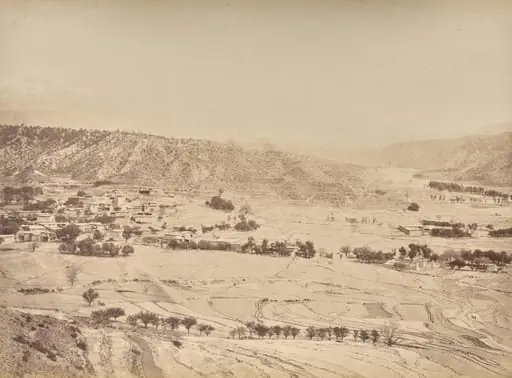 Ali Keyl, Pewar Kotal
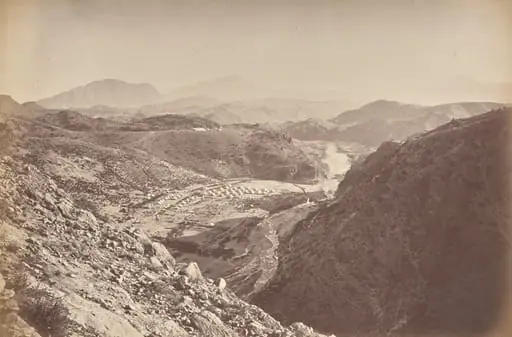 General View from Ali Musjid
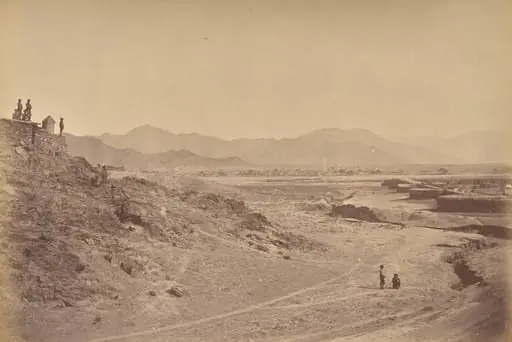 Dakka Fort and Lalpura
 A Road in Williamstown
 Chinak, Looking Towards the Kurram River
 Landi Kotal Camp
 Shimla. From Mount Jakko, Looking West
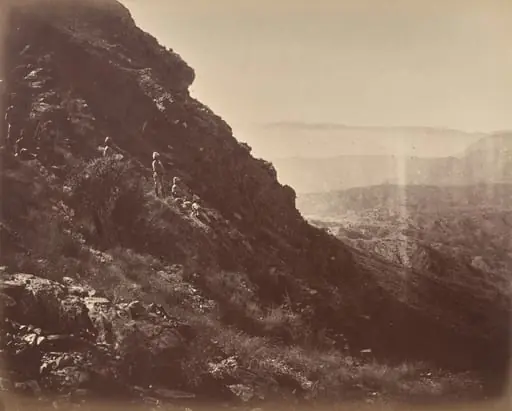 Khyber Side of Sarkai Hill
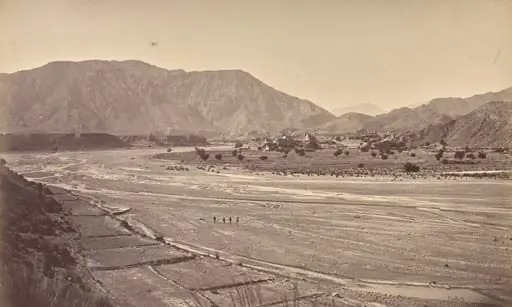 Kadm Villages and Pass, Left of Jumrood
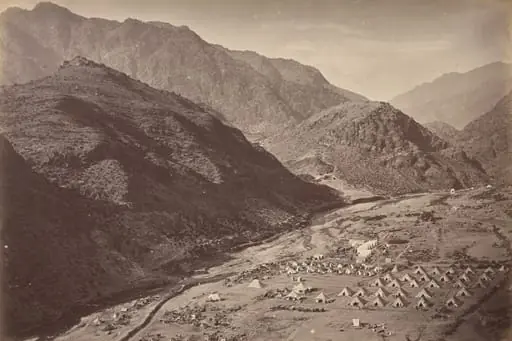 Ali Musjid and Camp from Sultan Tarra
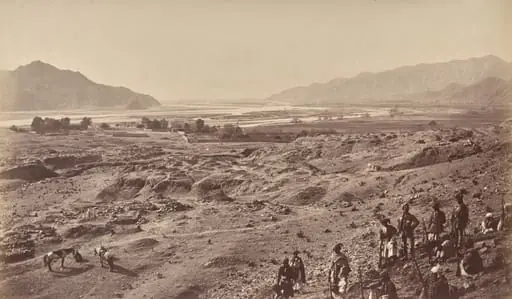 River Gorge Above Lalpura
 Landi Kotal Pass