Artwork
Landi Kotal Pass
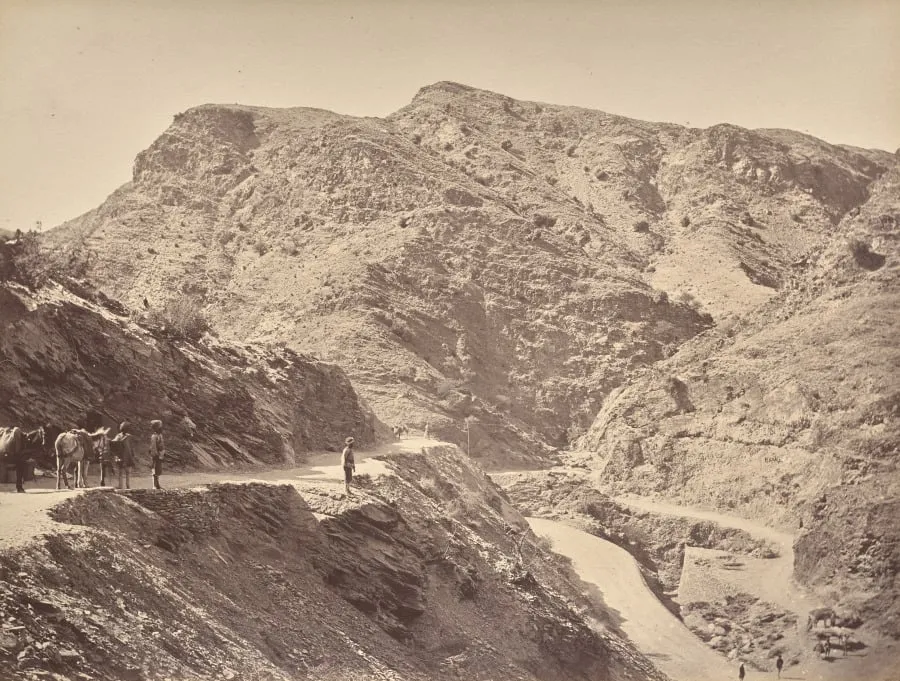
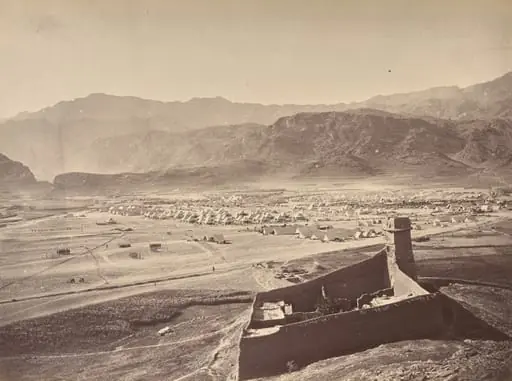
Landi Kotal Pass is a photography by the Impressionist artist John Burke. It dates from 1879 and is held in the collection of the Cleveland Museum of Art.
About this work
The photographer, John Burke, lugged heavy glass plates and chemicals over rough terrain to document the land, not the fighting.
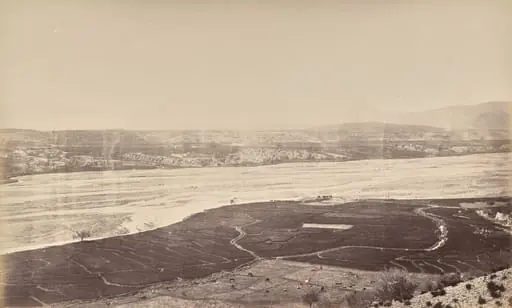
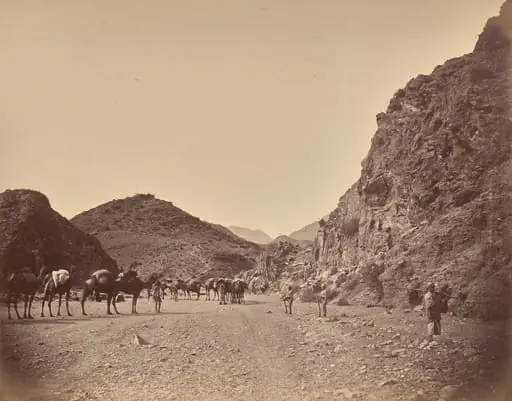
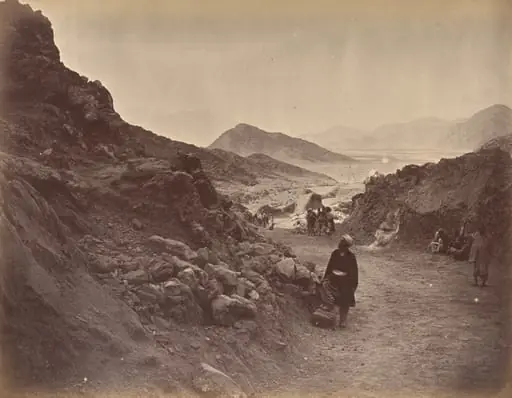
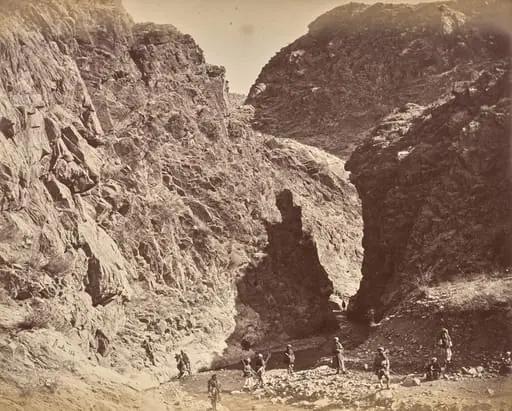
You see a steep mountain pass with soldiers marching along a narrow dirt road.
This photo isn’t from a battlefield—it’s one of the first ever taken in Afghanistan during war. The photographer, John Burke, lugged heavy glass plates and chemicals over rough terrain to document the land, not the fighting. The image feels quiet, but it’s part of history: the Second Anglo-Afghan War.
To see more early war photography, look up John Burke (Irish, 1845–1915).
Overview
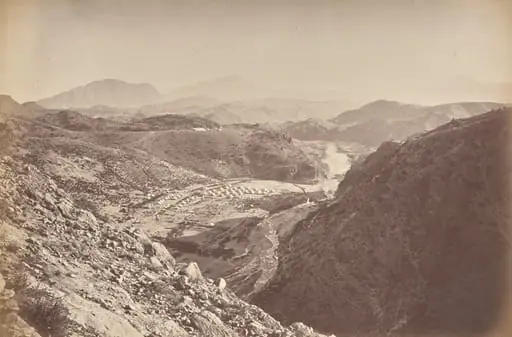
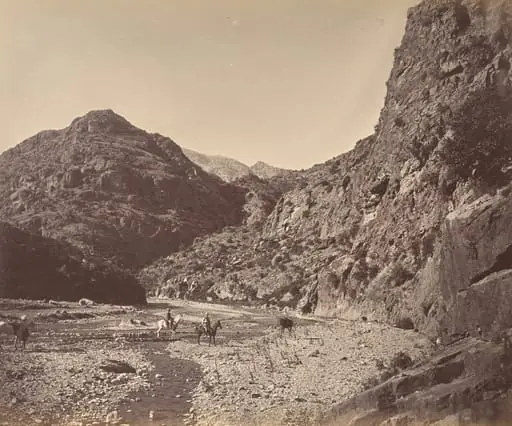
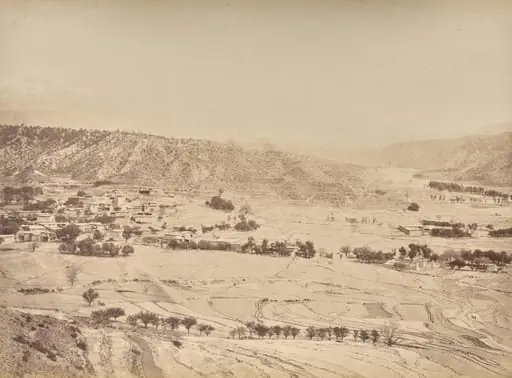
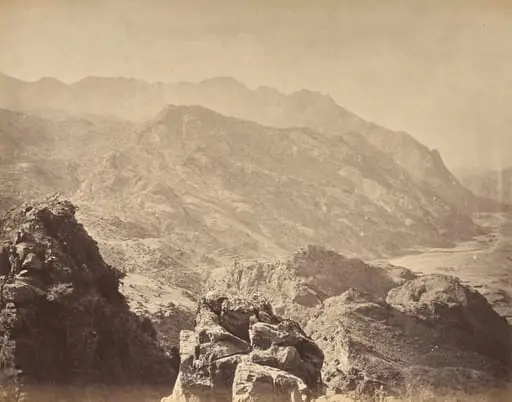
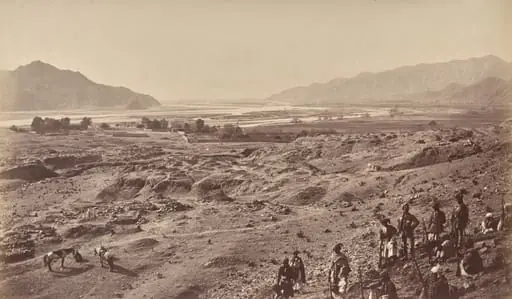
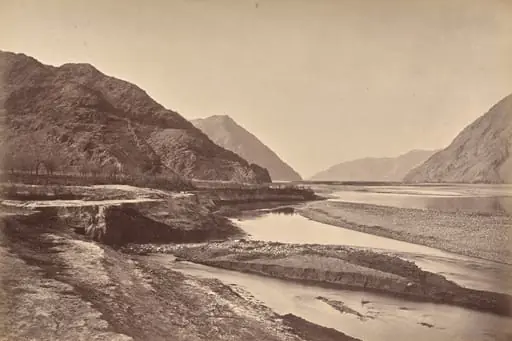
This photograph captures the Landi Kotal Pass in the North-West Frontier, taken during the Second Anglo-Afghan War (1878–1880). It is one of the earliest known photographic records of Afghanistan made in a wartime context. The image was produced by John Burke, an Irish photographer who traveled extensively through the region with cumbersome equipment, documenting terrain and military presence rather than combat itself.
Subject & Meaning
The photograph depicts a narrow mountain pass with soldiers marching along a dirt track, surrounded by rugged terrain. Rather than showing battle, it conveys the logistical reality of military movement in a hostile, remote landscape. The quiet composition underscores the isolation and physical strain of the campaign, offering a sober record of occupation and transit rather than heroism or conflict.
Technique & Style
Burke used large-format glass plate negatives and wet collodion processes, requiring portable darkrooms and careful handling of fragile materials. The image’s sharp detail and tonal range reflect the technical discipline of early field photography. The composition is deliberate and static, typical of the era’s limitations—movement could not be captured, so the focus remained on place, structure, and stillness.
History & Provenance
John Burke accompanied British forces during the Second Anglo-Afghan War, producing one of the most comprehensive photographic records of the campaign. His work was later compiled into albums distributed for military and colonial documentation. This image likely originated from one of those collections, preserved as part of Britain’s imperial visual archive and now held in institutional collections.
Context
Photography during this conflict served strategic and propagandistic ends, yet Burke’s images often avoided dramatization. The Landi Kotal Pass, a key route into Afghanistan, was vital for troop supply and control. By documenting such locations, Burke provided the British administration with visual intelligence and a record of territorial reach, shaping perceptions of the region abroad.
Legacy
Burke’s photographs remain among the earliest visual records of Afghanistan’s landscape and military presence. His work laid groundwork for later documentary practices in conflict zones, emphasizing environment over action. Though not widely exhibited in his lifetime, his images now serve as critical historical sources for understanding both the war and the limits of early photographic technology in remote regions.
Artist & collection