Artwork
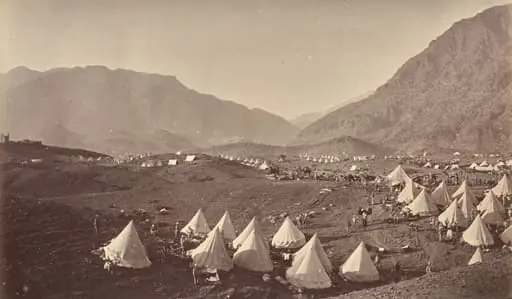
Landi Kotal Camp
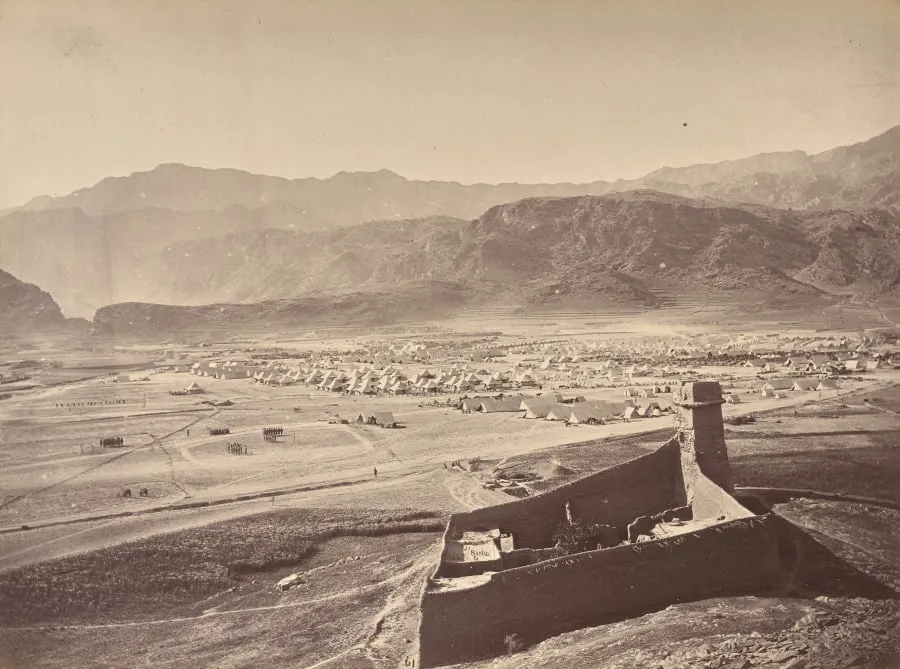
Landi Kotal Camp is a photography by the Impressionist artist John Burke. It dates from 1879 and is held in the collection of the Cleveland Museum of Art.
About this work
Burke was one of the first photographers to document conflict, but cameras then were too slow for battle scenes.
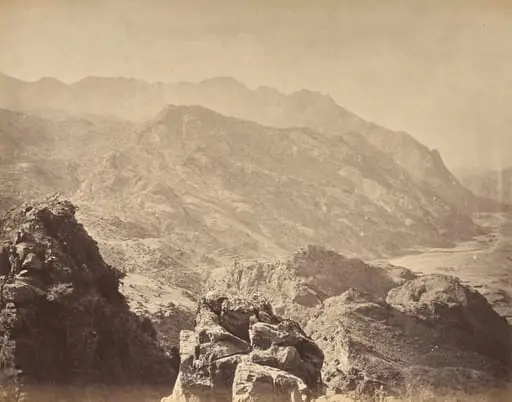
You see a black-and-white photograph of a British military camp in a rocky valley. Tents stretch across the hills, and soldiers stand in small groups.
This was taken during the Second Anglo-Afghan War. Burke was one of the first photographers to document conflict, but cameras then were too slow for battle scenes. So he focused on camps, landscapes, and portraits—quiet moments that still tell the story of war.
To see more early war photography, look up John Burke (Irish, 1845–1915).
Overview
This black-and-white photograph captures Landi Kotal Camp during the Second Anglo-Afghan War (1878–1880). Taken by Irish photographer John Burke, it documents a British military encampment nestled in a rugged Afghan valley. The image reflects the limitations of 19th-century photographic technology, which could not capture fast-moving combat. Instead, Burke recorded the quieter, enduring elements of war: tents, terrain, and the personnel who occupied them.
Subject & Meaning
The photograph depicts British soldiers stationed in a remote mountain valley, their tents spread across the slopes. Rather than showing battle, it conveys the logistical reality of occupation—endurance, isolation, and the presence of empire in hostile terrain. The stillness of the scene contrasts with the violence of the conflict, suggesting the weight of military life beyond combat: waiting, routine, and control of space.
Technique & Style
Burke used large-format glass plate negatives, requiring long exposure times and cumbersome equipment. This made dynamic scenes impossible, so his compositions emphasized stable subjects: tents, terrain, and posed individuals. The image is carefully framed to show scale and topography, with soldiers arranged in small, naturalistic groups. The monochrome tone enhances the documentary tone, prioritizing clarity over drama.
History & Provenance
John Burke was among the first photographers to systematically document the Second Anglo-Afghan War. He accompanied British forces into Afghanistan, producing a visual record that served both military and public audiences. This photograph likely originated from a series compiled for official use or sale as stereoscopic views. His work remains a primary visual archive of the conflict, preserved in institutional collections and private holdings.
Context
During the 1870s and 1880s, British imperial interests in South Asia drove military campaigns into Afghanistan. Photography was emerging as a tool for both intelligence and propaganda. Burke’s images, though static, helped shape British perceptions of the region. His work stood apart from earlier war photography by its geographic scope and sustained focus on the Afghan theater, offering a rare visual record of the highland frontier.
Legacy
Burke’s photographs established a precedent for conflict documentation in remote regions. Though limited by technology, his focus on camps, landscapes, and portraits provided a human and spatial dimension to war that written reports could not. His archive remains a critical resource for historians studying colonial military operations and the early use of photography as evidence and memory in imperial contexts.
Artist & collection

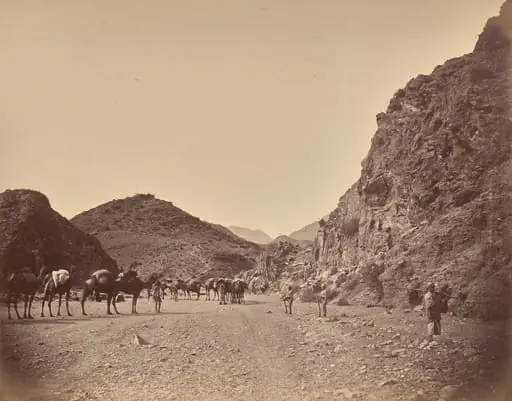
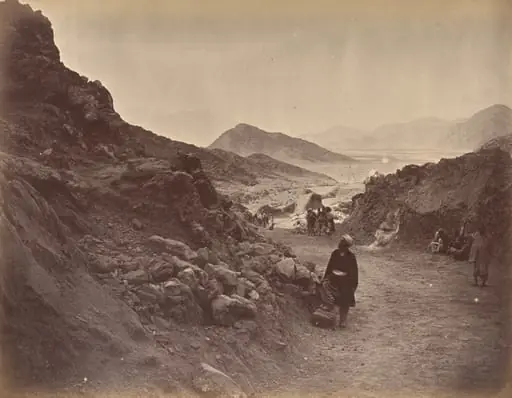
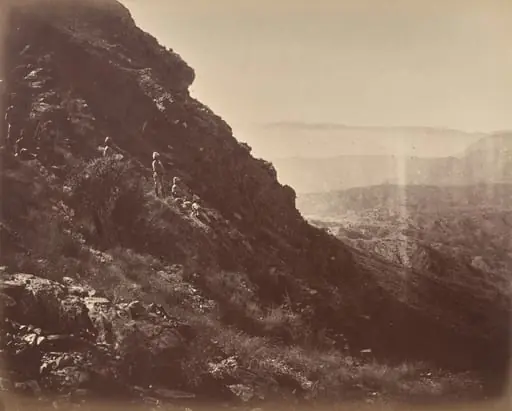
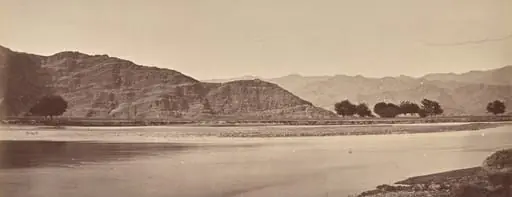
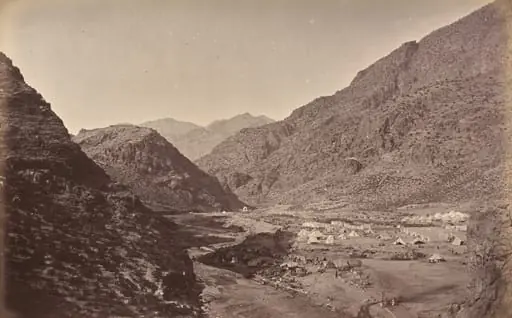 Ali Musjid and Camp
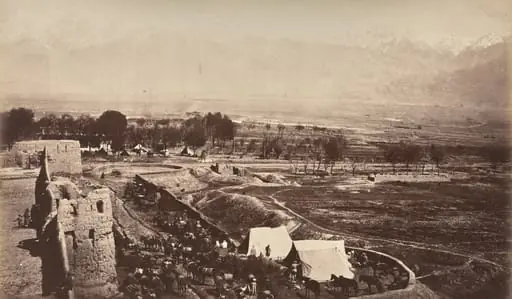 Landi Kotal, The Camp, Looking South
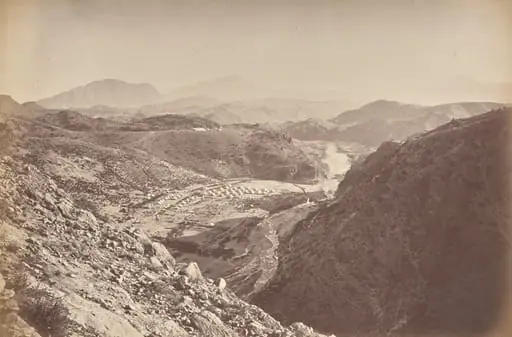 General View from Ali Musjid
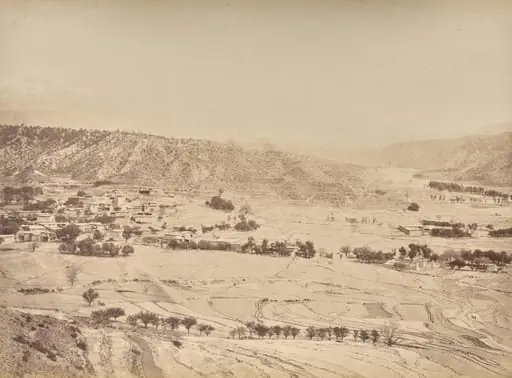 Ali Keyl, Pewar Kotal
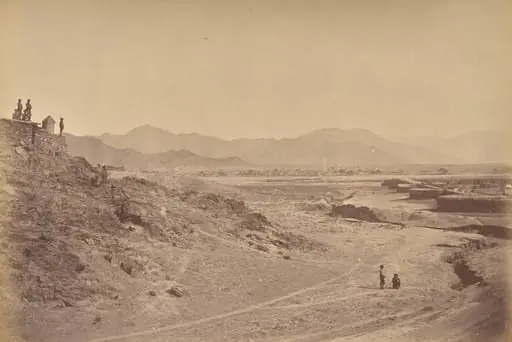 Dakka Fort and Lalpura
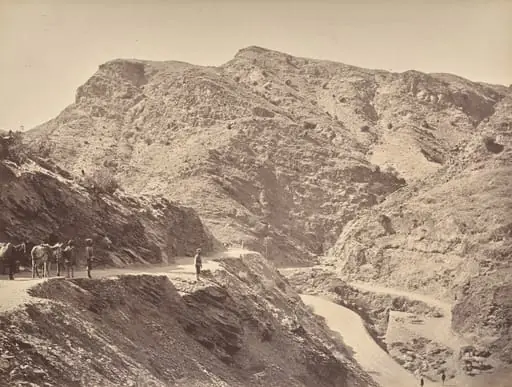 Landi Kotal Pass
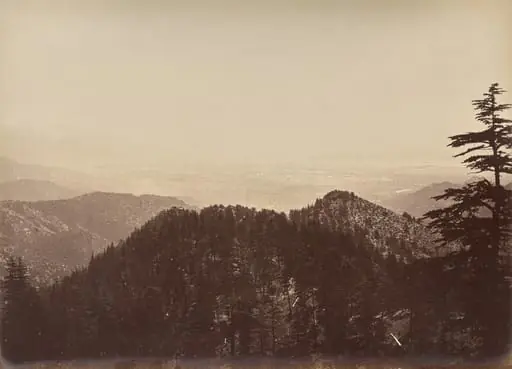 Untitled (Landscape Scene)
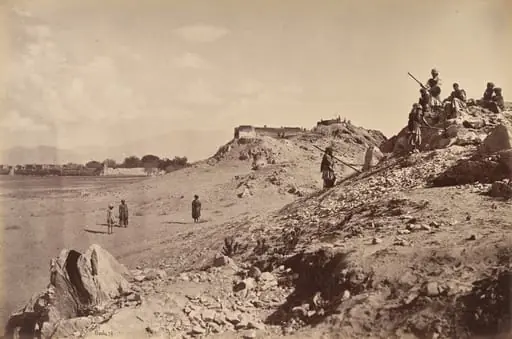 Jellalabad, Pipers Hill
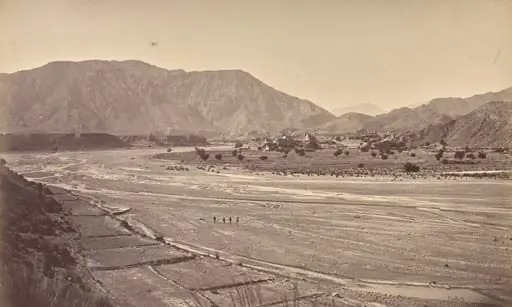 Kadm Villages and Pass, Left of Jumrood
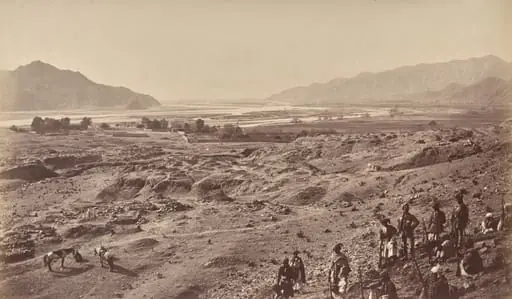 River Gorge Above Lalpura
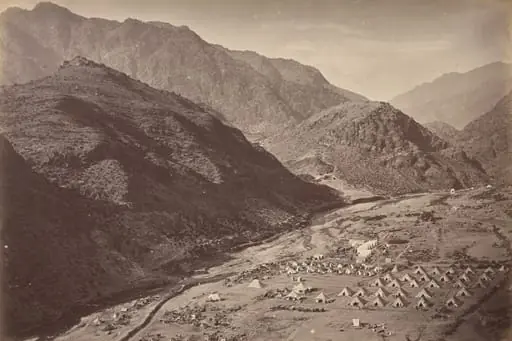 Ali Musjid and Camp from Sultan Tarra
 Landi Kotal Pass, Looking Towards Dakka