Artwork
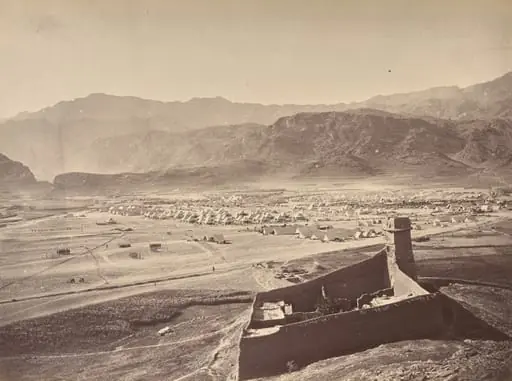
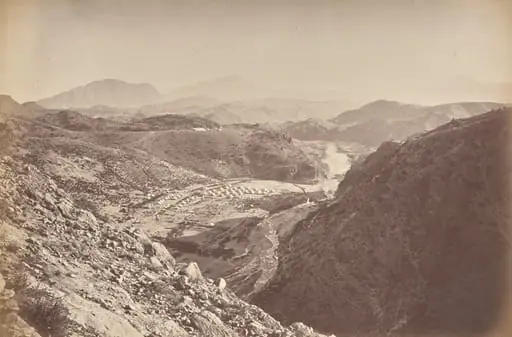
Khyber Side of Sarkai Hill
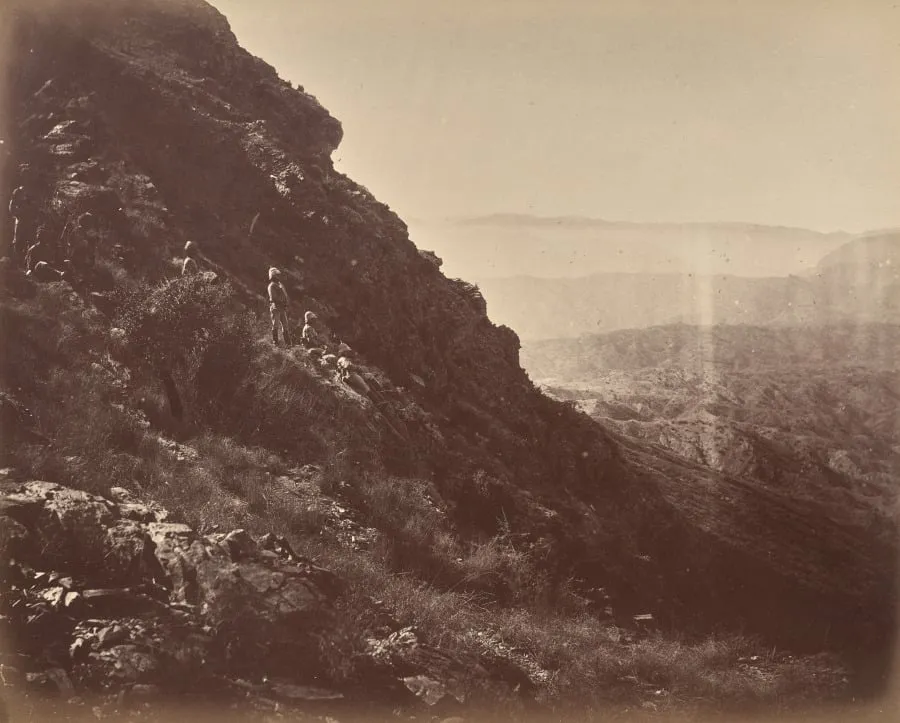
Khyber Side of Sarkai Hill is a photography by the Impressionist artist John Burke. It dates from 1879 and is held in the collection of the Cleveland Museum of Art.
About this work
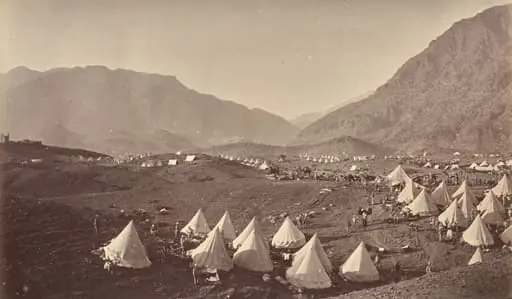
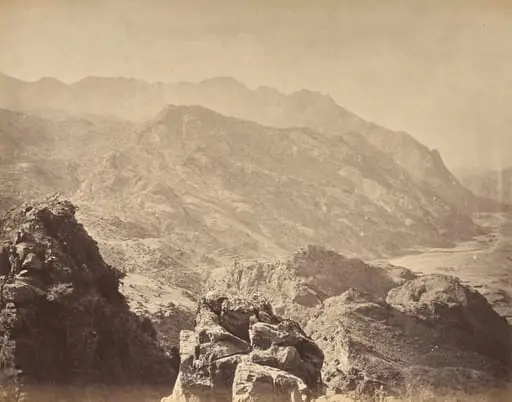
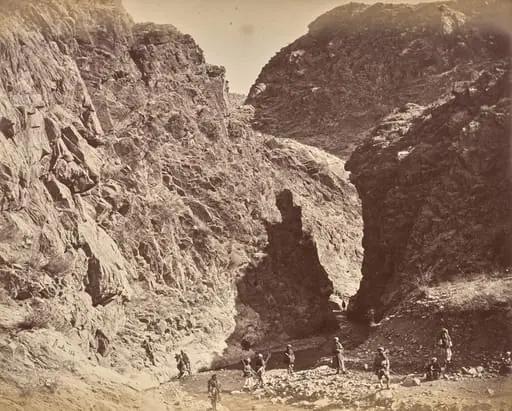
You see a rocky hillside under a pale sky, dotted with tents and tiny figures in military uniforms.
You see a rocky hillside under a pale sky, dotted with tents and tiny figures in military uniforms.
This isn’t a painting—it’s an early photograph. Burke lugged heavy glass plates and a darkroom tent into war zones just to make these quiet images. The soldiers look posed because the camera needed minutes of stillness, not seconds.
If you want to see more of the first photos from a war zone, look up John Burke (Irish, 1845–1915).
Overview
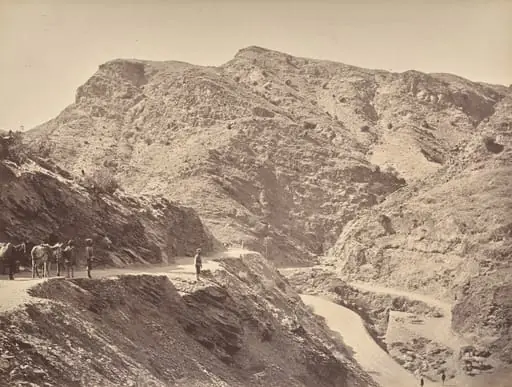
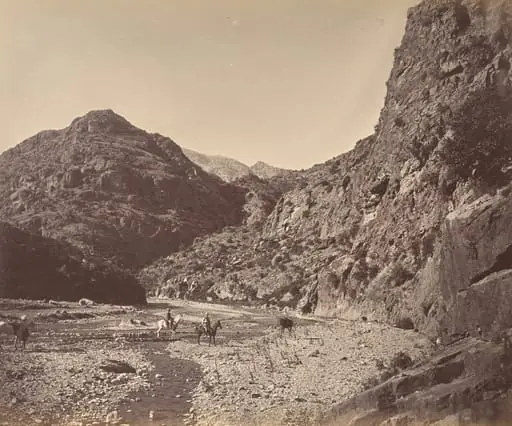
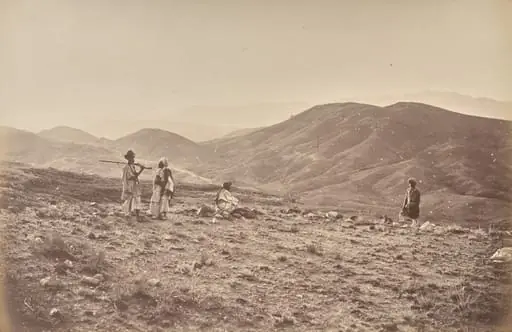
Khyber Side of Sarkai Hill is a photograph by John Burke, documenting the Second Anglo-Afghan War (1878-1880). The image captures a serene, yet war-tinged, landscape of a rocky hillside with military tents and figures.
Subject & Meaning
The photograph indirectly represents a significant event of the war by depicting its setting. The scene shows the everyday presence of military infrastructure in a natural landscape, implying the war's footprint without portraying direct conflict.
Technique & Style
Given the photographic technology of the time, the image features posed figures due to the camera's requirement for minutes of stillness. The composition reflects early conflict photography's characteristic focus on landscapes, camps, and portraits rather than action shots.
History & Provenance
John Burke, an Irish photographer (1845-1915), was the primary documenter of the Second Anglo-Afghan War. He used cumbersome glass plates and a portable darkroom to capture these pioneering war photographs.
Context
This photograph is part of a broader album covering the Second Anglo-Afghan War, providing visual testimony to the conflict's settings and participants. It stands as an early example of war photography's challenges and aesthetic.
Artist & collection