Artwork
Bust of a Cook with Cap
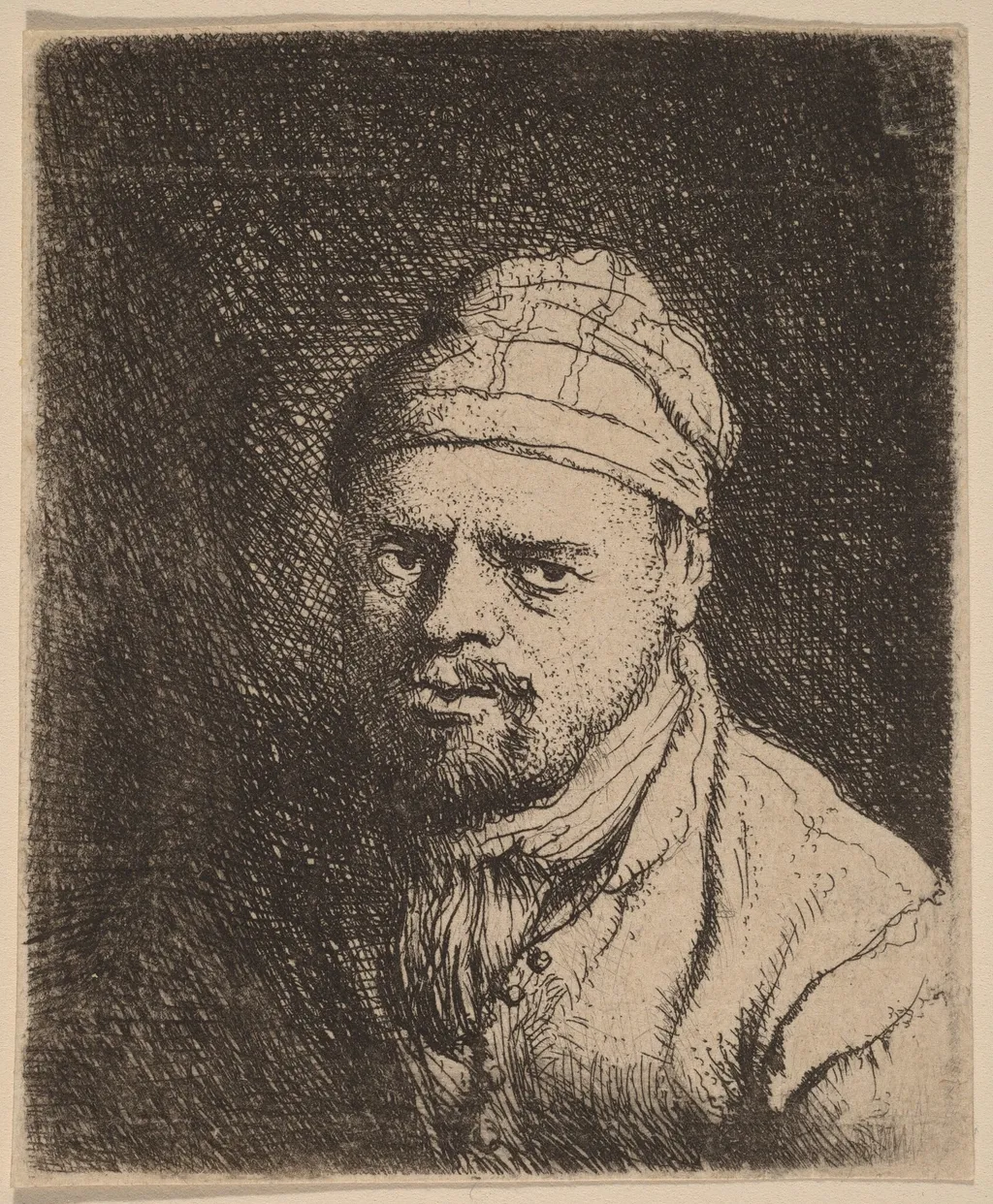
Bust of a Cook with Cap is an ink print by the Baroque artist Jan Lievens. It dates from 1640 and is held in the collection of the National Gallery of Art.
About this work
Overview
Jan Lievens, a Dutch artist of the Golden Age, produced the etching *Bust of a Cook with Cap* in 1640. Executed in black ink on paper, the print presents a solitary figure wearing a low‑set cap, rendered with the stark contrasts and textured line work typical of Lievens’ early portraiture.
Subject & Meaning
The image portrays a bearded man whose cap obscures his forehead, his expression serious and slightly frowning. The emphasis on the sitter’s facial features and the utilitarian headgear suggests a focus on the dignity of everyday labor, a theme occasionally explored in seventeenth‑century Dutch genre art.
Technique & Style
Lievens employed traditional etching, incising the design into a metal plate and allowing acid to bite the lines. The resulting marks are uneven and grainy, creating a sketch‑like surface that captures both texture and shadow. Deep under‑eye shadows and rough cross‑hatching give the figure a three‑dimensional presence despite the medium’s flatness.
History & Provenance
Born in Leiden in 1607, Lievens trained in Amsterdam where he shared a studio with Rembrandt during his formative years. After establishing his reputation, he worked across Europe, but the *Bust of a Cook with Cap* remains documented as an early work produced before his extensive travels.
Context
The print reflects the Dutch Golden Age’s interest in realistic portraiture and the representation of common people. Lievens’ association with Rembrandt likely influenced his use of chiaroscuro and the intimate, unidealized treatment of the sitter, aligning the work with contemporary trends in genre and portrait prints.
Artist & collection
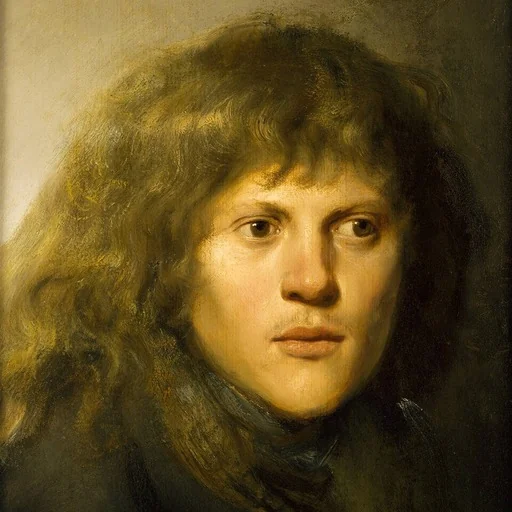
Artist
Jan Lievens (24 October 1607 – 4 June 1674) was a Dutch Golden Age painter who was associated with his close contemporary Rembrandt, a year older, in the early parts of their careers.

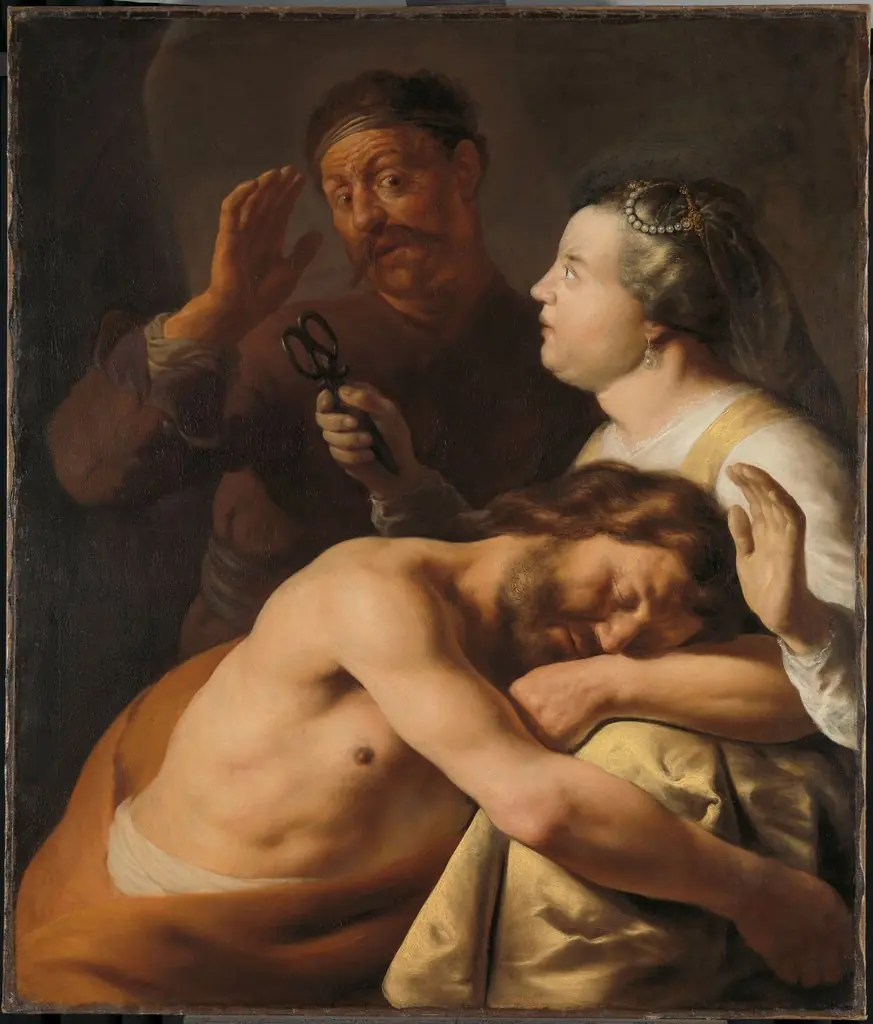
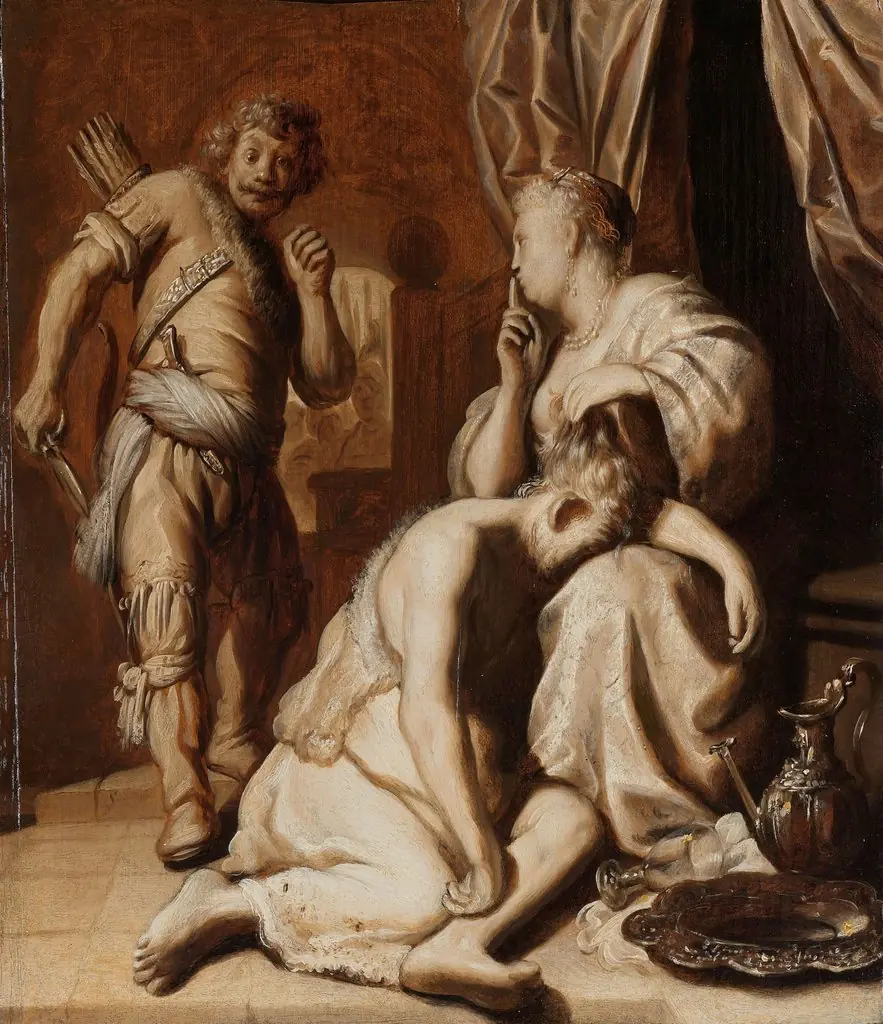
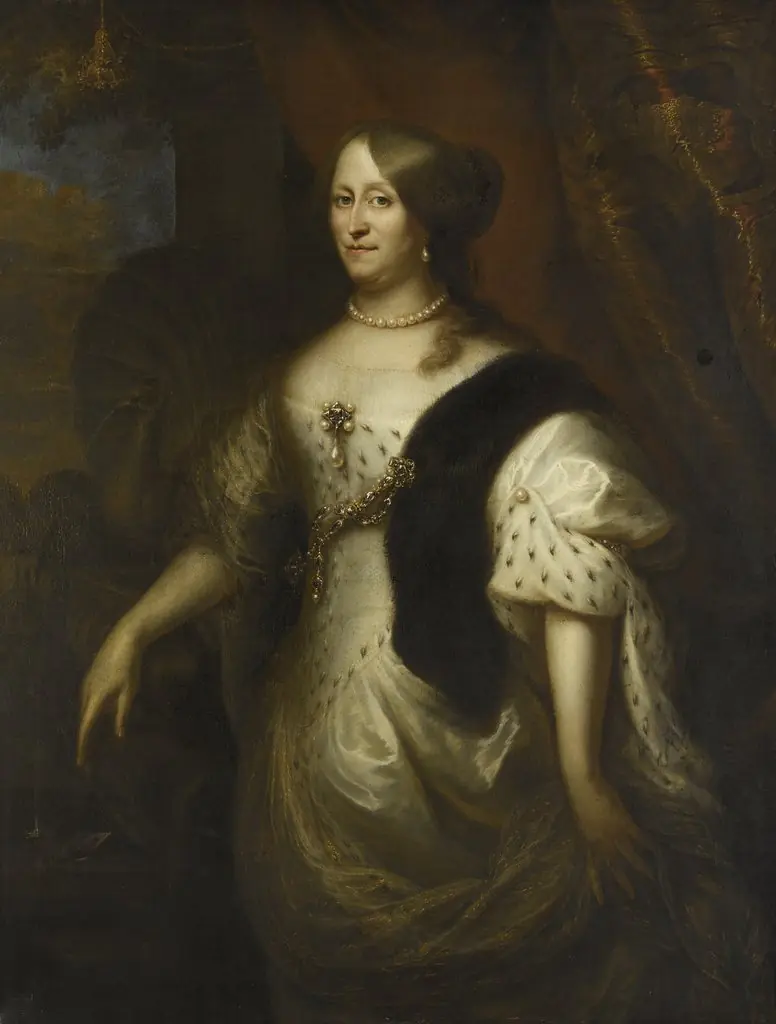
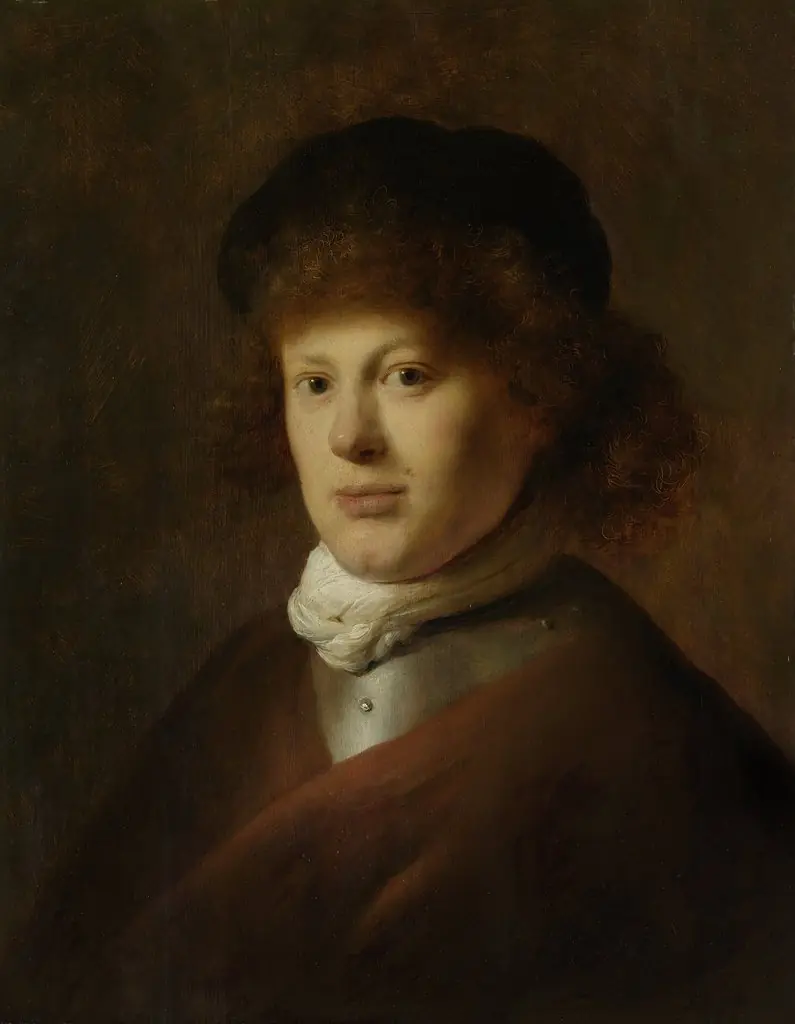
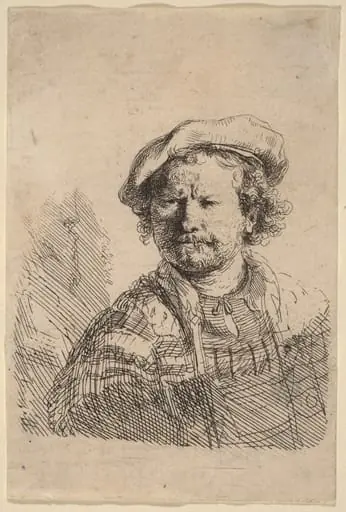 Self-Portrait in a Flat Cap and Embroidered Dress
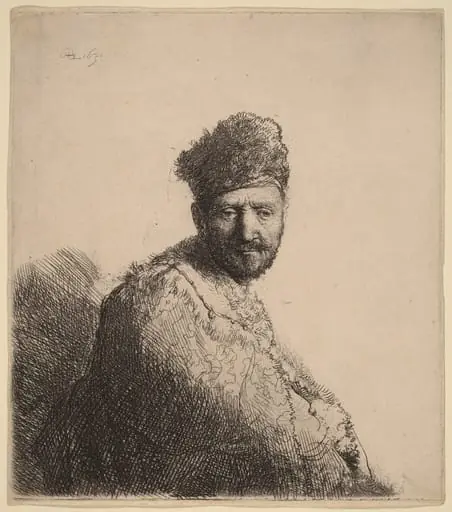 Bearded Man, in a Furred Oriental Cap and Robe: the Artist's Father
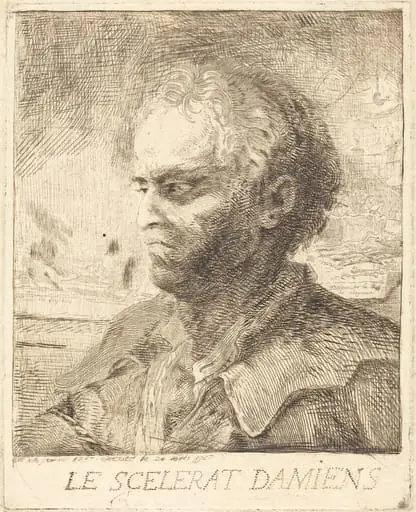 Le Scélérat Damiens
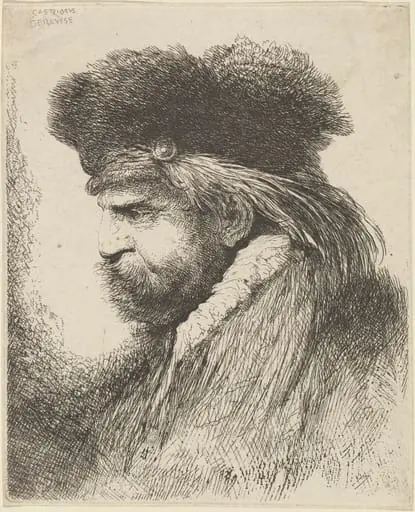 Bearded Man in a Fur Cap, Facing Left
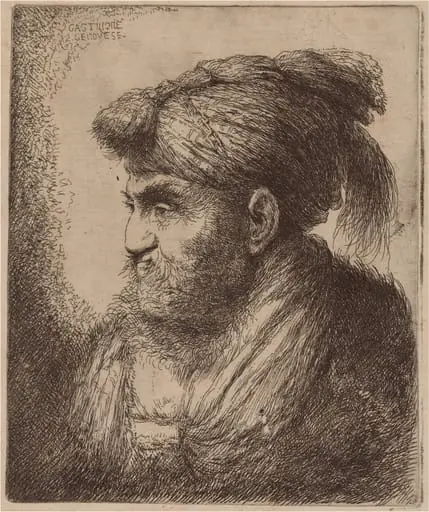 Man with a Beard and a Tassled Headdress, Facing Left
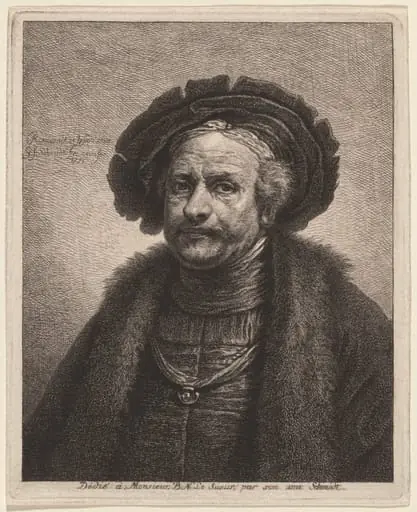 Self-Portrait of Rembrandt
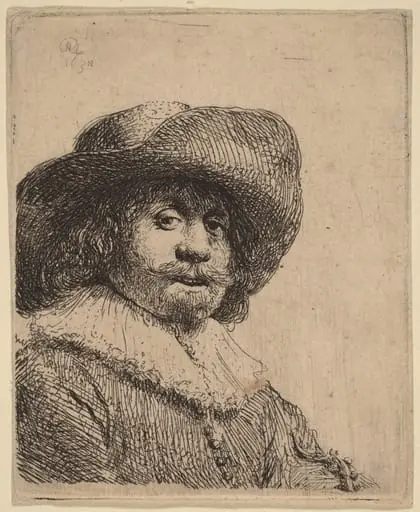 Man in a Broad-Brimmed Hat
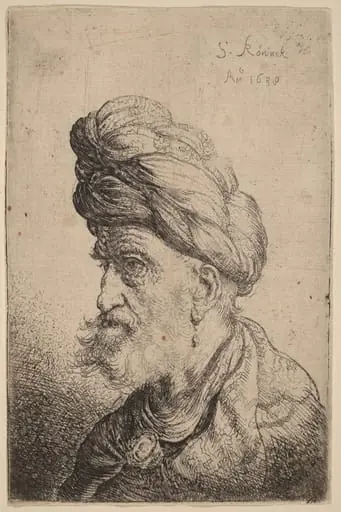 Bust of a Man with a Turban Facing Left
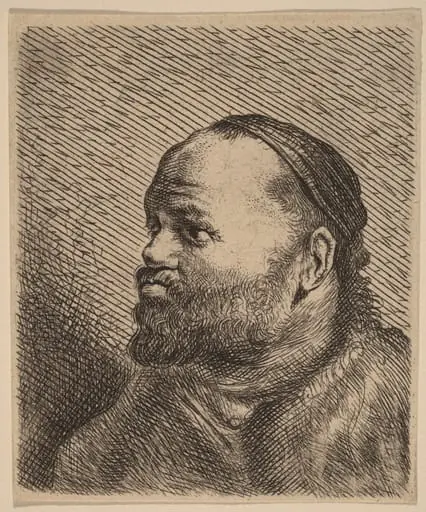 Bust of a Man with Thick Lips