Artwork
Eighteen Views of Rome: The Collegio di Propaganda Fide (recto); Sketches of Windows and Pilasters of the Attic Storey of the Collegio di Propaganda Fide (verso)
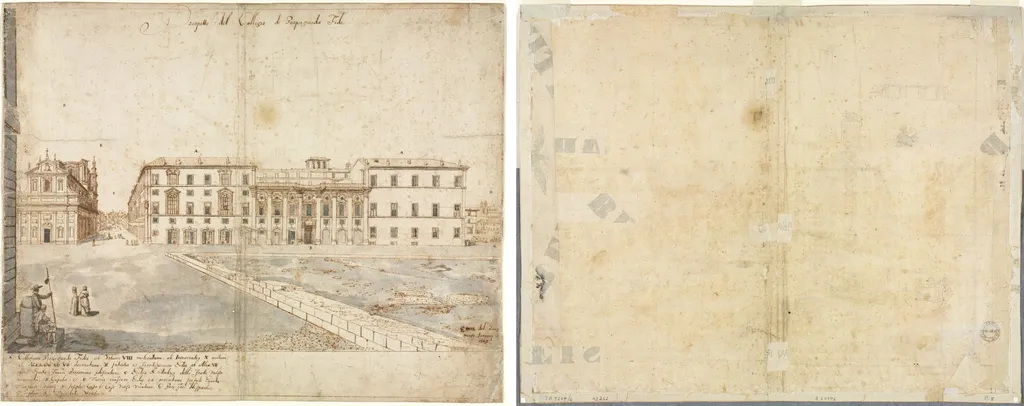
Eighteen Views of Rome: The Collegio di Propaganda Fide (recto); Sketches of Windows and Pilasters of the Attic Storey of the Collegio di Propaganda Fide (verso) is a drawing by the Baroque artist Lievin Cruyl. It dates from 1665 and is held in the collection of the Cleveland Museum of Art.
About this work
Overview
This drawing by Lievin Cruyl, dated 1665, presents a detailed cityscape featuring the Collegio di Propaganda Fide in Rome. The work is executed on a single sheet, with the recto depicting the main view and the verso showing supplementary architectural sketches.
Subject & Meaning
The primary subject is the Collegio di Propaganda Fide, a prominent religious institution. The depiction highlights its grand, symmetrical, and plainly adorned Baroque architecture, set amidst a serene courtyard scene with everyday activity, conveying a sense of institutional presence within daily urban life.
Technique & Style
Cruyl's use of precise lines and attention to architectural detail characterize the drawing. Faded paper, handwritten Italian notes, and faint pencil marks on the verso reveal the artwork's age and possibly its use as a study or record. The style aligns with Baroque architectural drawing practices, emphasizing clarity and accuracy.
History & Provenance
Created in 1665 by Lievin Cruyl, the drawing is now part of The Cleveland Museum of Art's collection. The presence of handwritten Italian notes suggests it may have been used or owned by individuals in Italy before its current ownership.
Context
The drawing reflects the Baroque architectural aesthetic prevalent in 17th-century Rome, characterized by symmetry, grandeur, and functional simplicity. It also captures a moment in the city's urban landscape during this period.
Legacy
As part of Cruyl's 'Eighteen Views of Rome,' this drawing contributes to the historical record of the city's architectural development and the spread of Baroque styles. It remains a significant example of 17th-century architectural illustration.
Artist & collection

Artist
Lievin Cruyl or Lieven Cruyl was a Flemish priest and a draughtsman and etcher of landscapes, seascapes, and architectural views.

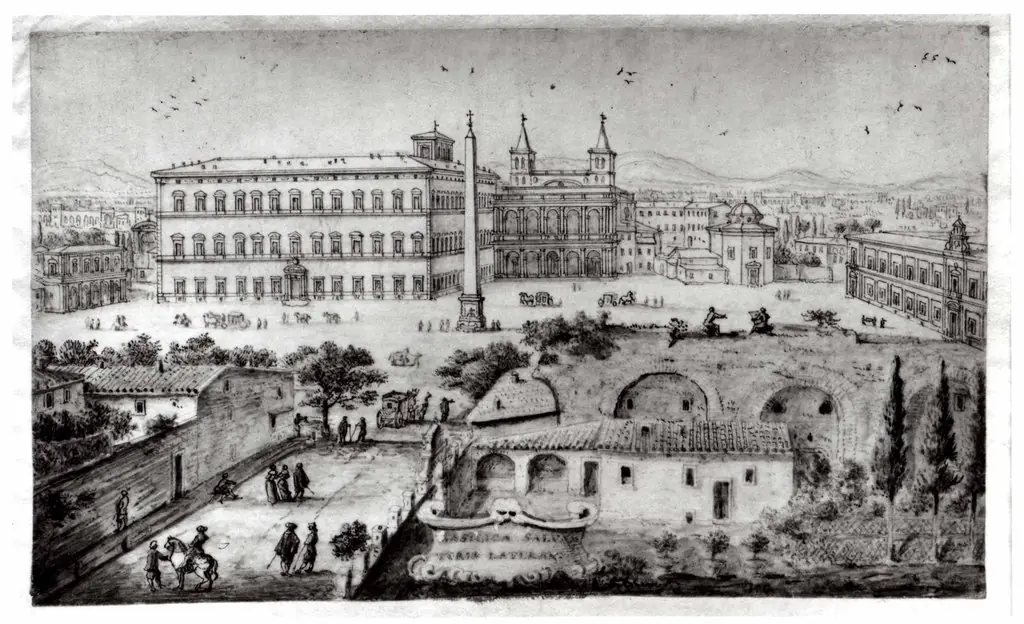 View of Lateran, Rome
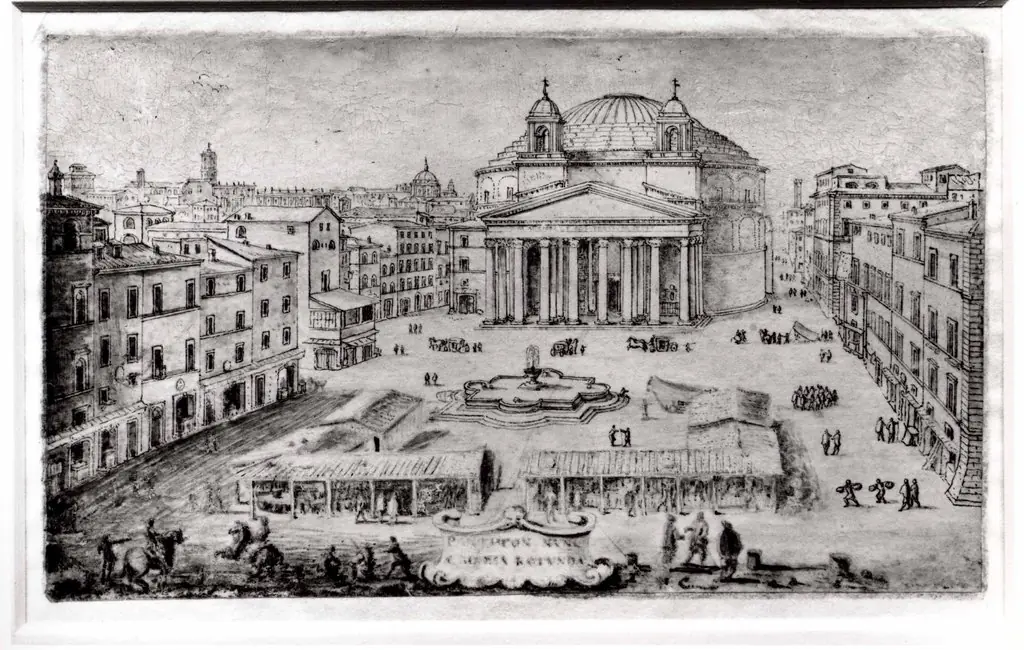 View of the Pantheon, Rome
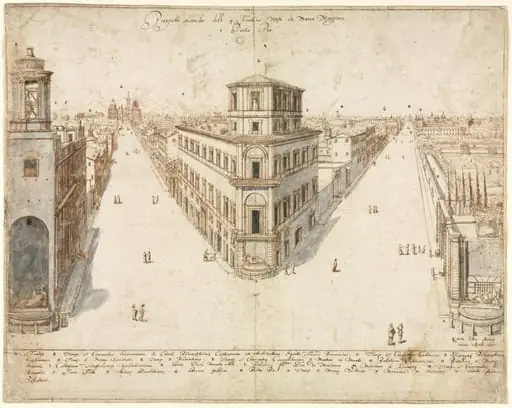 Eighteen Views of Rome: The Quattro Fontane Looking Toward Santa Maria Maggiore
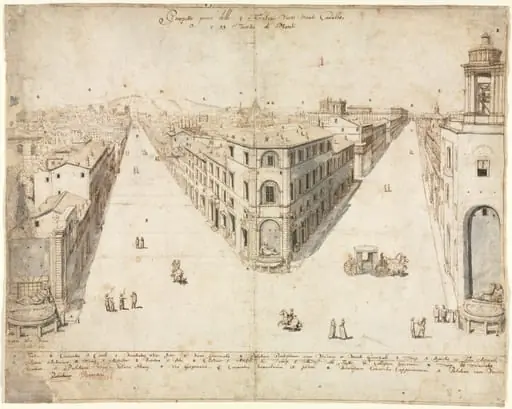 Eighteen Views of Rome: The Quattro Fontane Looking Toward Monte Cavallo
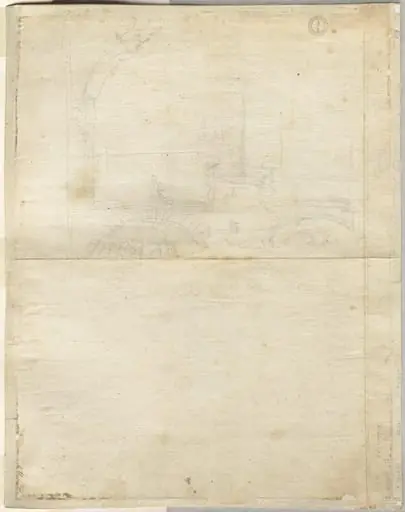 Sketch for San Giovanni in Laterano (verso)
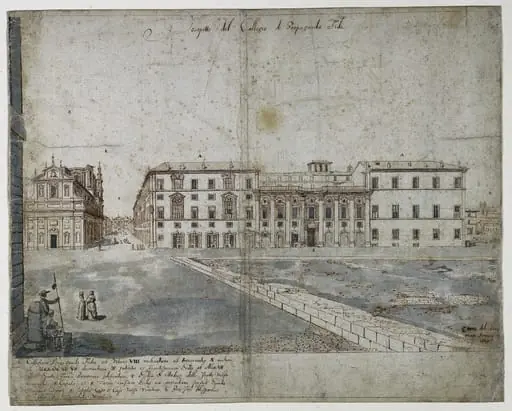 Eighteen Views of Rome: The Collegio di Propaganda Fide (recto)
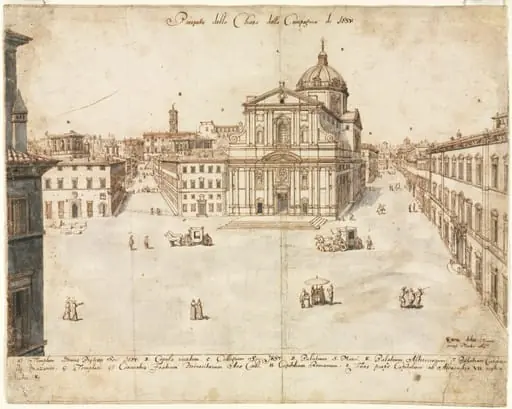 Eighteen Views of Rome: The Church of the Gesù
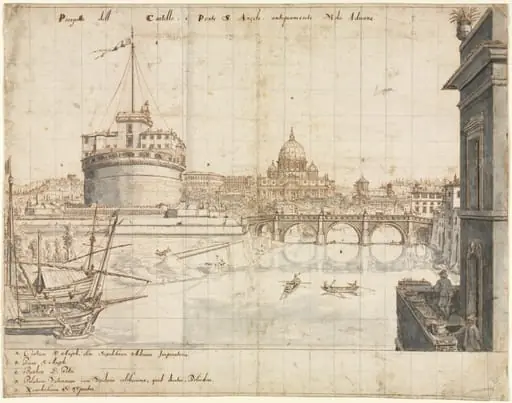 Eighteen Views of Rome: The Castel Sant'Angelo
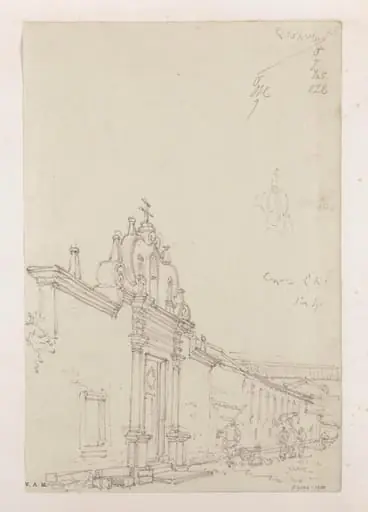 The gateway to the convent of Santa Clara, Macau
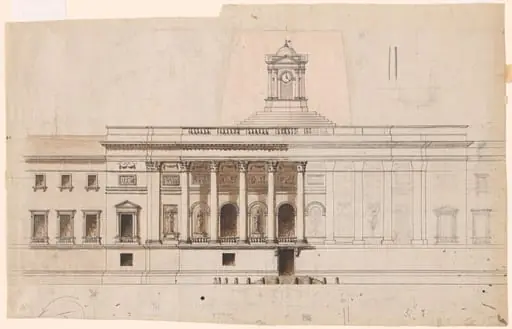 Architectural Study
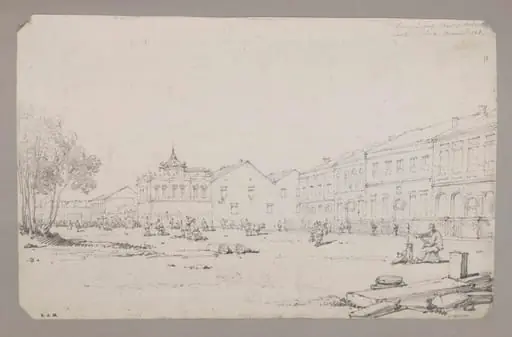 Chinqua's House & part of the Factories, Canton, China. March 1st 1828
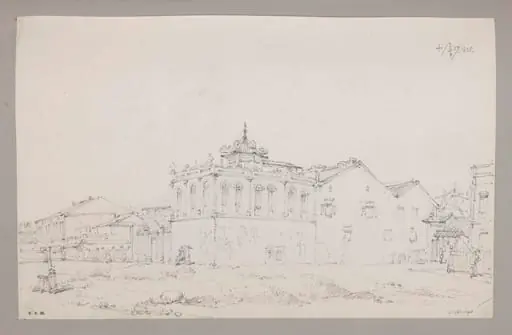 Chinqua's house, with entrance to China Street, Canton
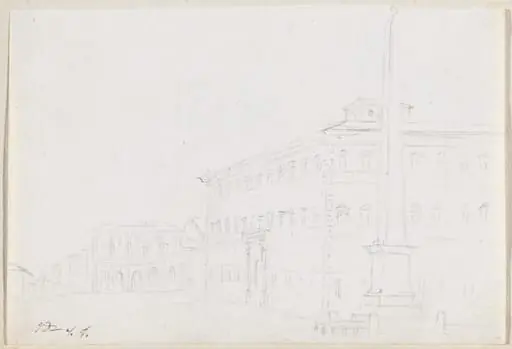 A Piazza with an Obelisk
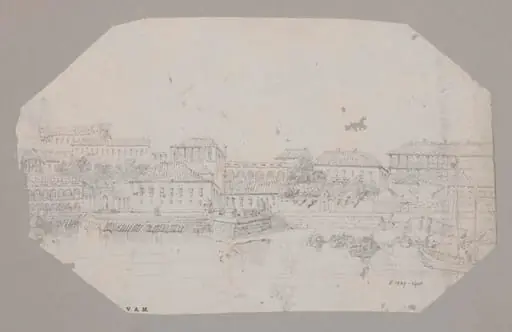 The Praya Grande, Macau
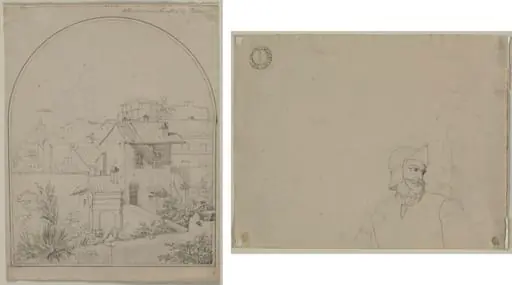 View from My Window in Rome (recto) Soldier in a Landscape (verso)
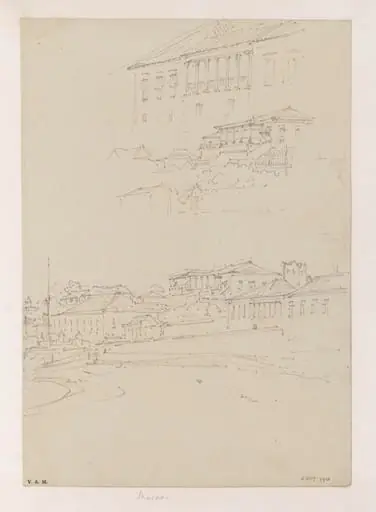 Three drawings of buildings on the Praya Grande, Macau