Artwork
Eighteen Views of Rome: The Castel Sant'Angelo
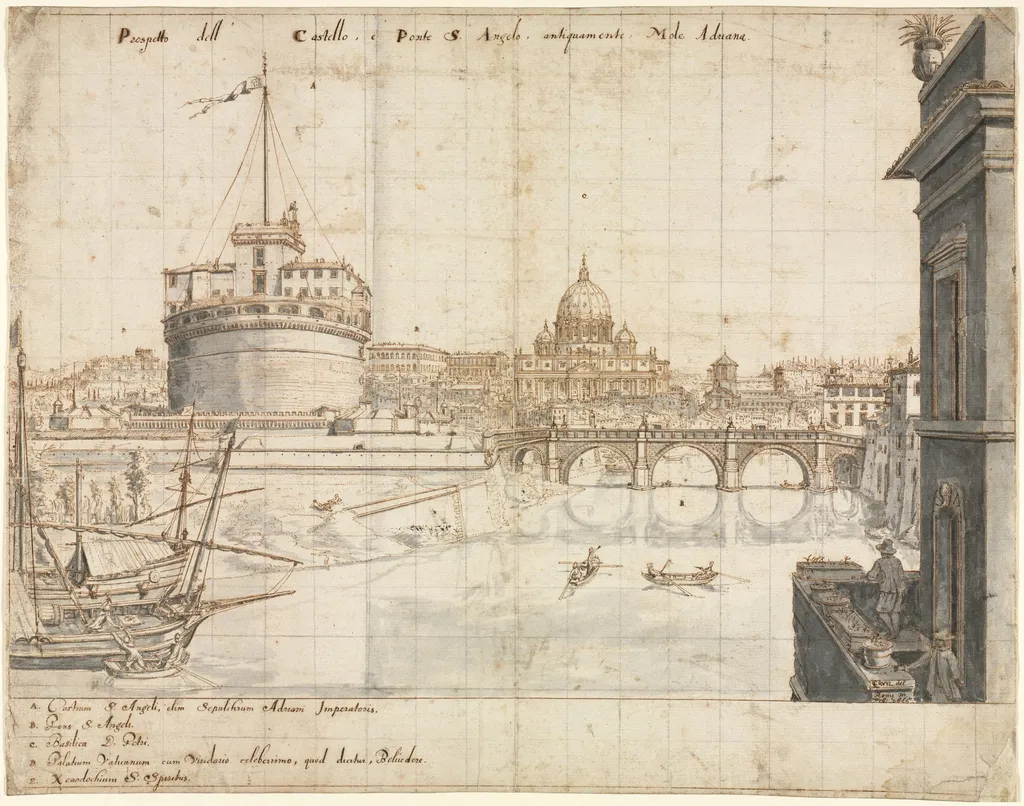
Eighteen Views of Rome: The Castel Sant'Angelo is a drawing by the Baroque artist Lievin Cruyl. It dates from 1665 and is held in the collection of the Cleveland Museum of Art.
About this work
Overview
The work is part of a series now held at The Cleveland Museum of Art, reflecting early topographical documentation of Rome's urban fabric.
Created in 1665 by Lievin Cruyl, this ink drawing is one of eighteen views of Rome produced during his time in the city. Executed on paper with faded ink and subtle smudging, it captures a panoramic stretch of the Tiber River, emphasizing architectural landmarks with precise but restrained detail. The work is part of a series now held at The Cleveland Museum of Art, reflecting early topographical documentation of Rome's urban fabric.
Subject & Meaning
The drawing centers on Castel Sant’Angelo, a massive fortress on the river’s left bank, connected by a bridge to the city center. In the distance, a prominent dome suggests St. Peter’s Basilica, anchoring the scene in Rome’s religious and imperial identity. The inclusion of boats and docked vessels underscores the river’s role as a commercial and daily lifeline. Labels at the bottom identify key sites, transforming the image into a navigational record rather than a purely aesthetic composition.
Technique & Style
Cruyl employed fine pen-and-ink lines to delineate structures with clarity, avoiding heavy shading. The composition follows a horizontal, almost map-like arrangement, prioritizing spatial accuracy over dramatic effect. Faded ink and minor smudges suggest the drawing was made on-site, possibly as a field study. The restrained tonal range and linear precision reflect a documentary intent, characteristic of 17th-century topographical draftsmanship.
History & Provenance
Cruyl, a Flemish artist and architect, traveled to Rome in the mid-1660s and produced this series of views during his stay. The drawings were likely intended for scholarly or aristocratic audiences interested in Roman antiquities and urban planning. The Cleveland Museum of Art acquired the work in the 20th century, preserving it as part of a rare surviving set of early modern Roman topographies.
Context
In the 1660s, Rome was a center of artistic and intellectual pilgrimage. Artists and architects from northern Europe often documented its ruins and monuments, contributing to a growing interest in classical urbanism. Cruyl’s drawings align with this trend, offering measured observations rather than idealized visions. His work contrasts with more theatrical Baroque depictions, favoring clarity and record-keeping over emotional intensity.
Legacy
Cruyl’s series of eighteen views remains a valuable resource for understanding Rome’s 17th-century skyline before later alterations. While not widely known today, these drawings influenced later topographical artists and provided foundational references for architectural historians. Their endurance in museum collections attests to their role as precise, unembellished records of a city in transition.
Artist & collection

Artist
Lievin Cruyl or Lieven Cruyl was a Flemish priest and a draughtsman and etcher of landscapes, seascapes, and architectural views.

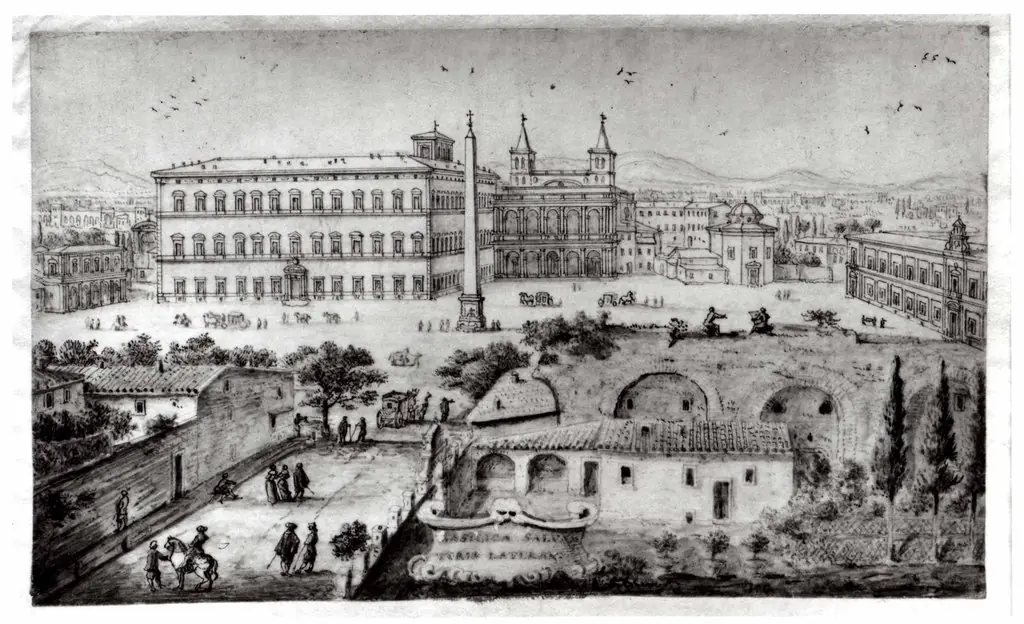 View of Lateran, Rome
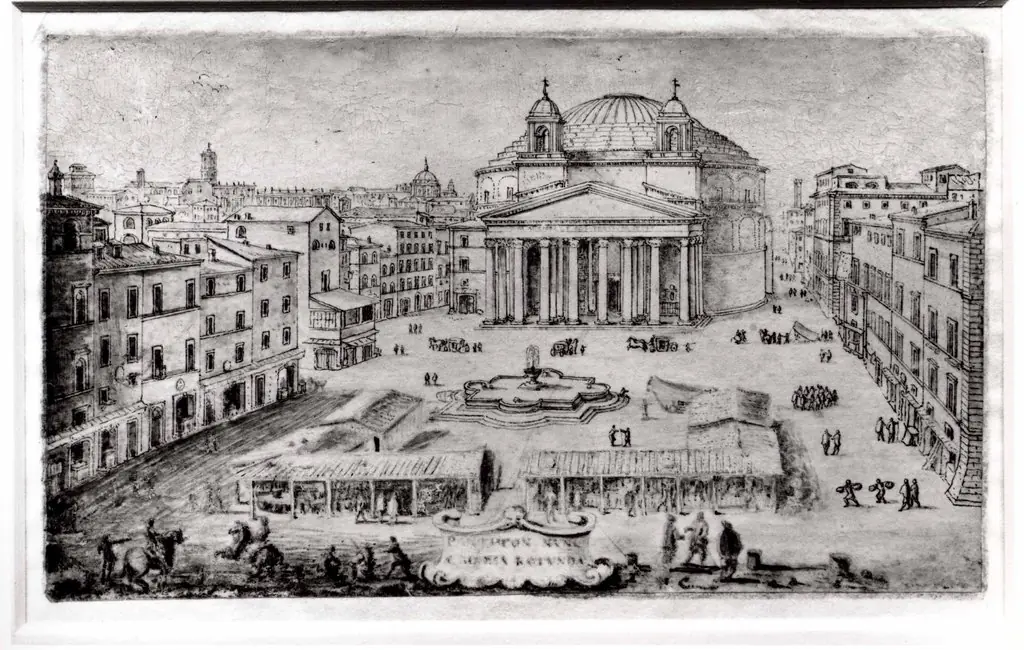 View of the Pantheon, Rome
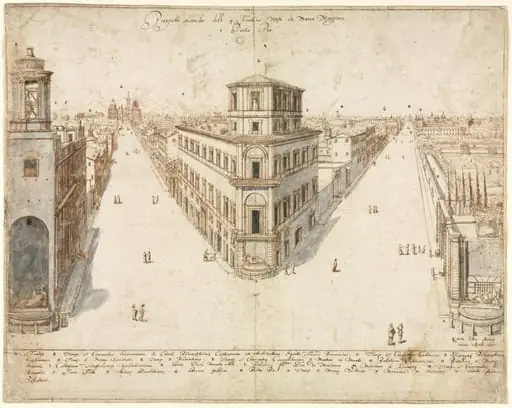 Eighteen Views of Rome: The Quattro Fontane Looking Toward Santa Maria Maggiore
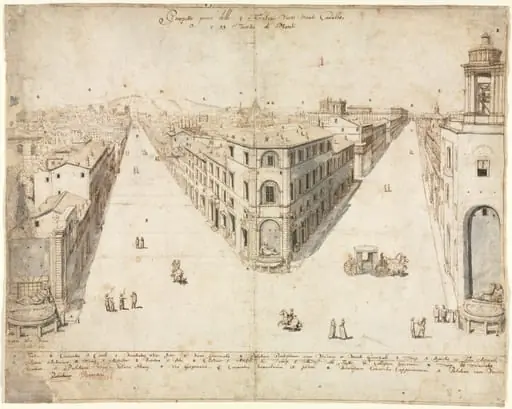 Eighteen Views of Rome: The Quattro Fontane Looking Toward Monte Cavallo
 Sketch for San Giovanni in Laterano (verso)
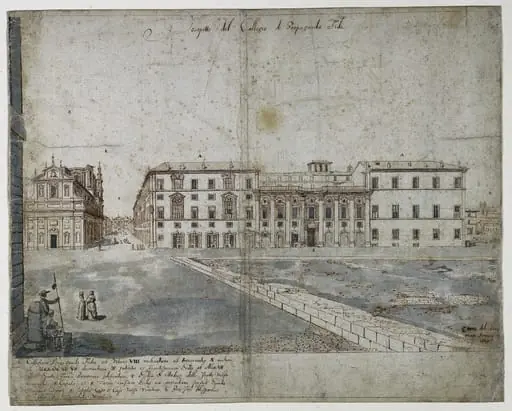 Eighteen Views of Rome: The Collegio di Propaganda Fide (recto)
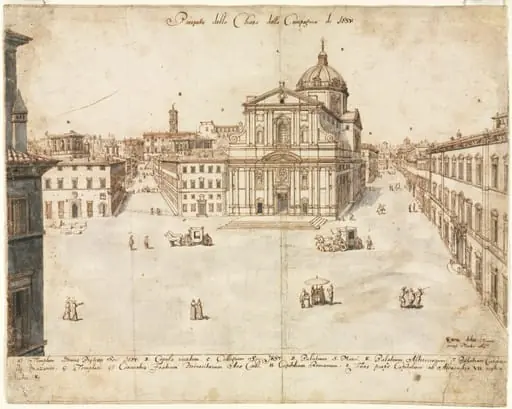 Eighteen Views of Rome: The Church of the Gesù
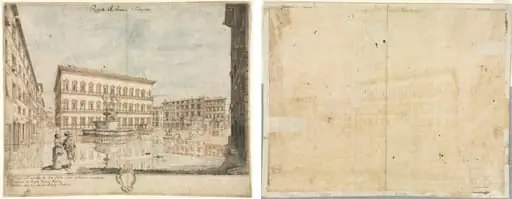 Eighteen Views of Rome: The Piazza Farnese (recto); Cartouche (verso)
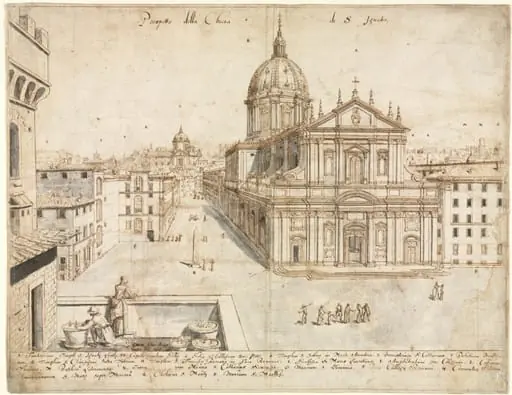 Eighteen Views of Rome: The Church of Sant'Ignazio
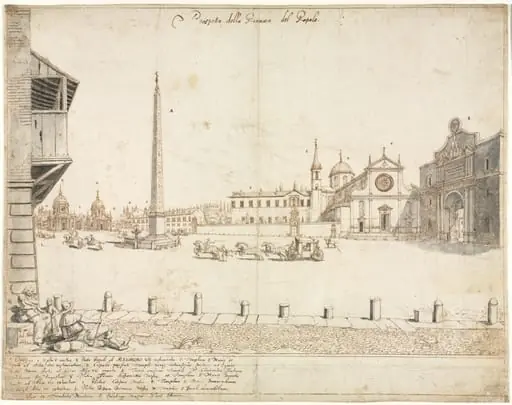 Eighteen Views of Rome: The Piazza del Popolo (recto)
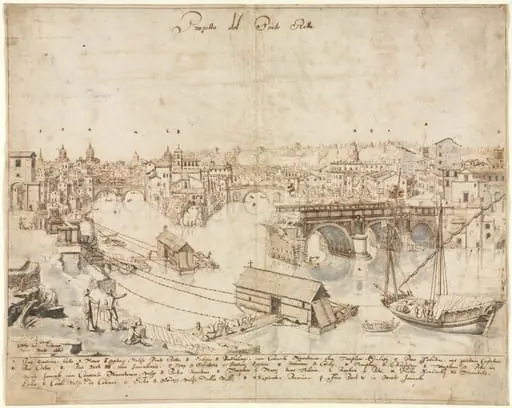 Eighteen Views of Rome: The Ponte Rotto
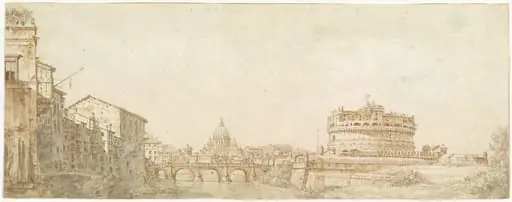 View of Rome with the Dome of Saint Peter's and the Castel Sant' Angelo
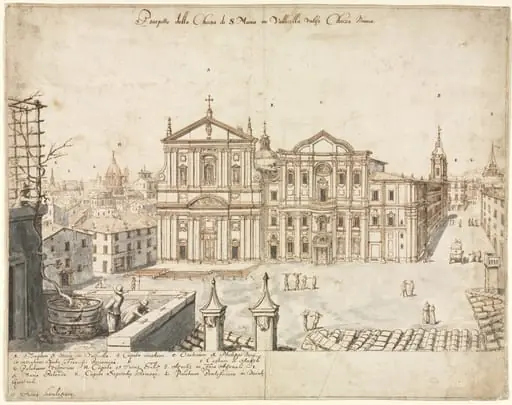 Eighteen Views of Rome: The Church of Santa Maria in Vallicella
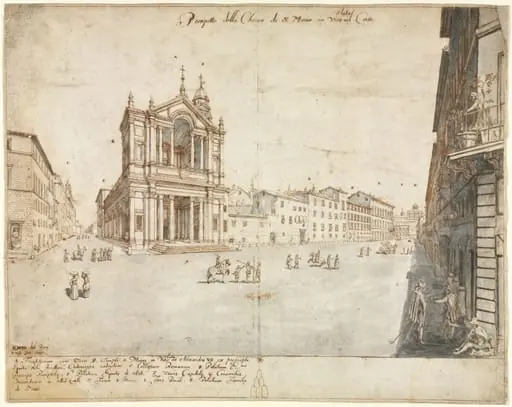 Eighteen Views of Rome: Santa Maria in Via Lata
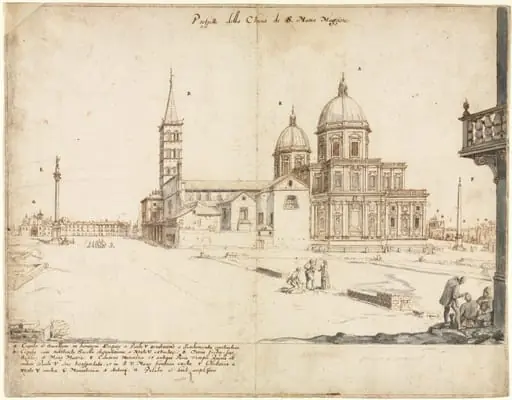 Eighteen Views of Rome: The Basilica of Santa Maria Maggiore
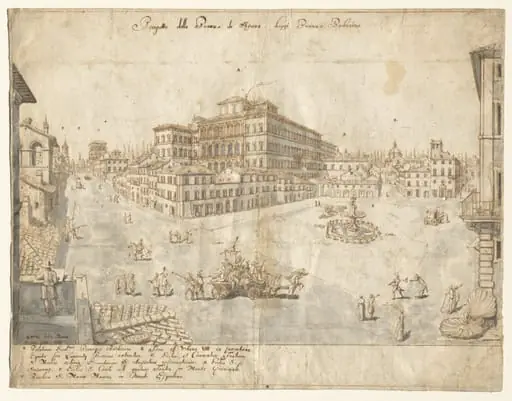 Eighteen Views of Rome: The Piazza Barberini (recto)
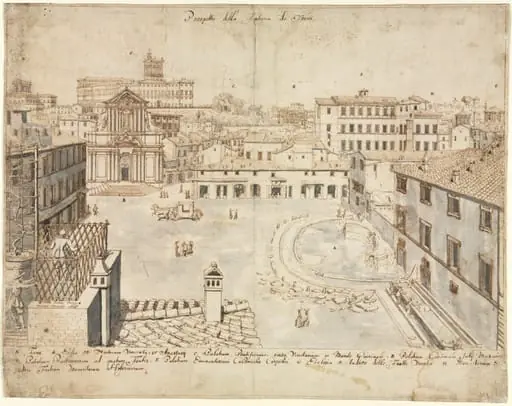 Eighteen Views of Rome: The Trevi Fountain