Artwork
Eighteen Views of Rome: The Collegio di Propaganda Fide (recto)
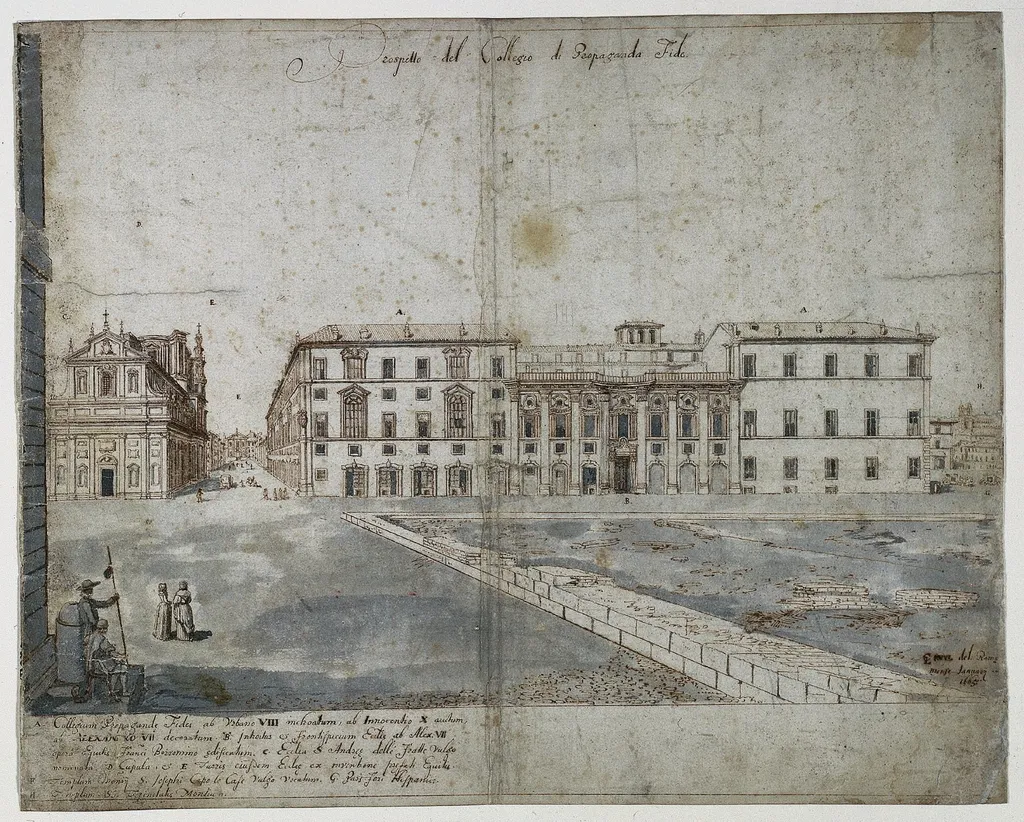
Eighteen Views of Rome: The Collegio di Propaganda Fide (recto) is a drawing by the Baroque artist Lievin Cruyl. It dates from 1665 and is held in the collection of the Cleveland Museum of Art.
About this work
Overview
Created in 1665 by the Flemish draughtsman Lievin Cruyl, this pen-and-ink drawing records an eighteenth‑view of Rome that focuses on the Collegio di Propaganda Fide. The work is part of the Cleveland Museum of Art’s collection and measures a modest sheet that captures a broad urban panorama along the Tiber River.
Subject & Meaning
The composition centers on the expansive, column‑framed façade of the Collegio, a 17th‑century institution for training Catholic missionaries. In the foreground a modest chapel with a stepped entrance and a cross rises, while two figures—one holding a staff, the other in period dress—anchor the scene at the riverbank, suggesting everyday activity within a sacred setting.
Technique & Style
Cruyl employs precise linear hatching to render architectural detail, emphasizing the rhythm of windows and pilasters. The drawing’s balanced perspective and clear delineation of the bridge’s railings reflect the Baroque interest in ordered grandeur and the integration of built forms within their natural surroundings.
History & Provenance
After remaining in private hands for several centuries, the drawing entered the Cleveland Museum of Art in the early 20th century as part of a broader acquisition of European prints and drawings. Its attribution to Cruyl has been confirmed through stylistic comparison with his other Roman cityscapes.
Artist & collection

Artist
Lievin Cruyl or Lieven Cruyl was a Flemish priest and a draughtsman and etcher of landscapes, seascapes, and architectural views.

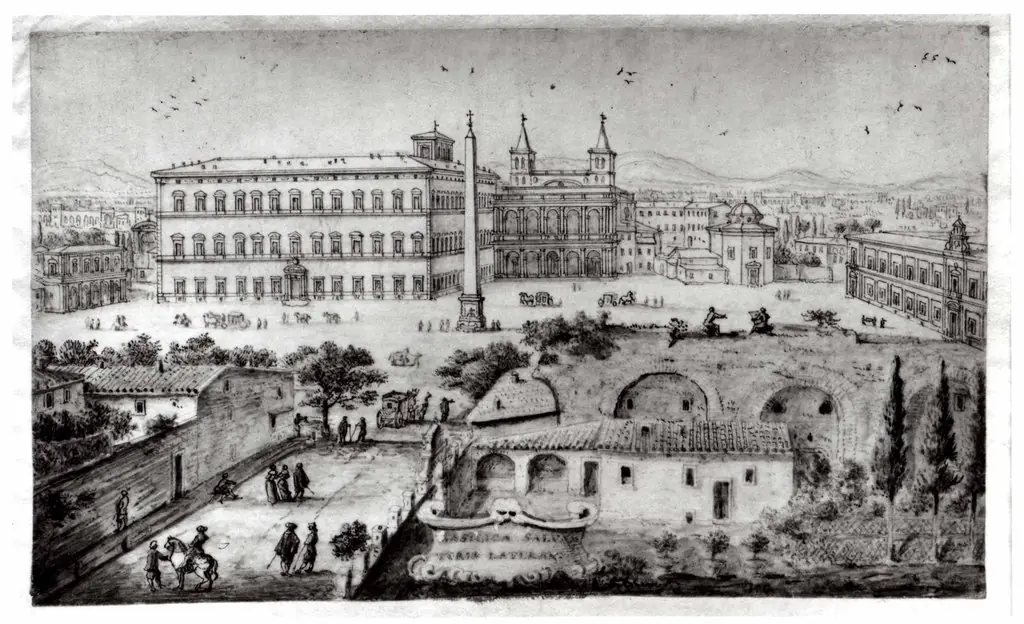 View of Lateran, Rome
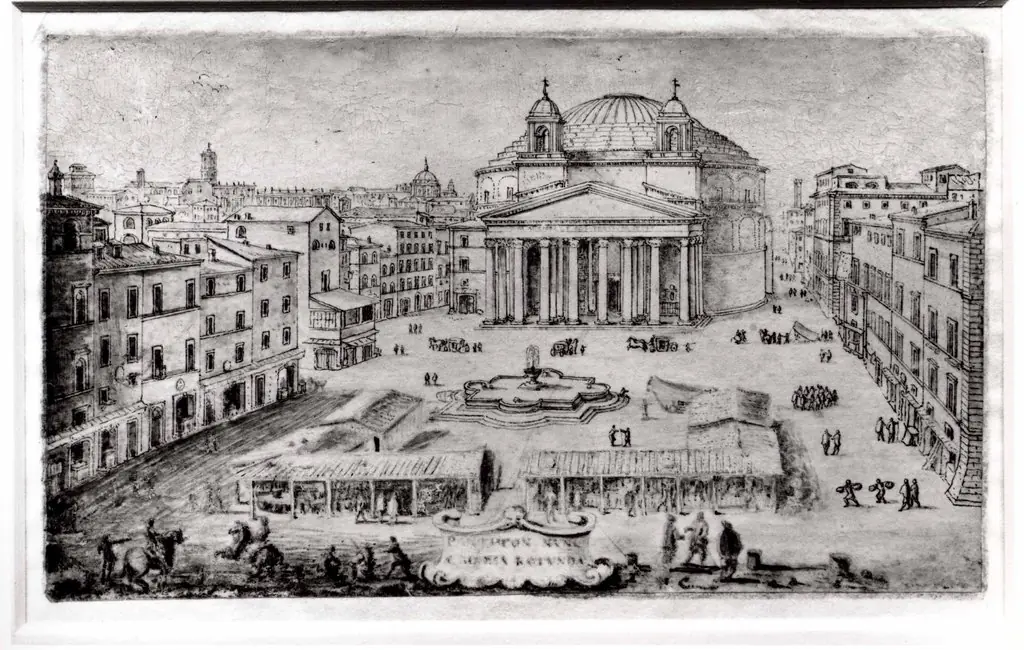 View of the Pantheon, Rome
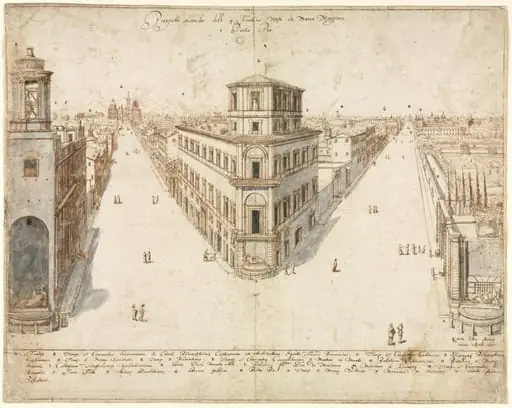 Eighteen Views of Rome: The Quattro Fontane Looking Toward Santa Maria Maggiore
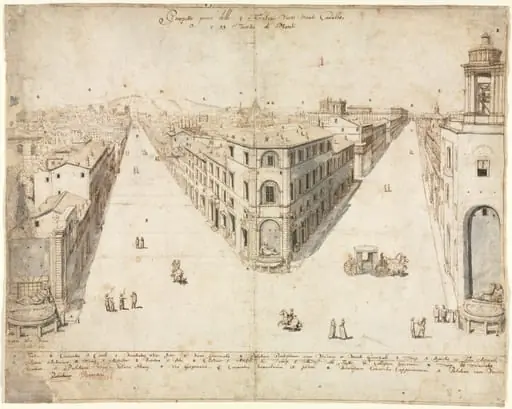 Eighteen Views of Rome: The Quattro Fontane Looking Toward Monte Cavallo
 Sketch for San Giovanni in Laterano (verso)
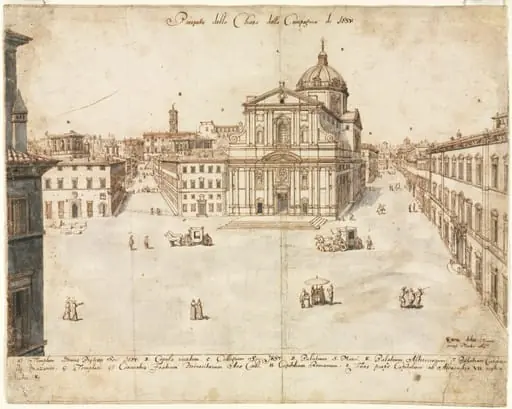 Eighteen Views of Rome: The Church of the Gesù
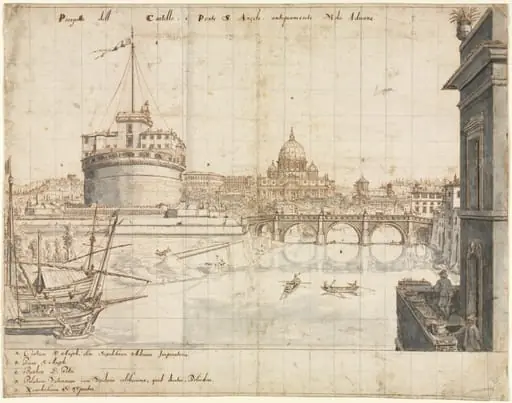 Eighteen Views of Rome: The Castel Sant'Angelo
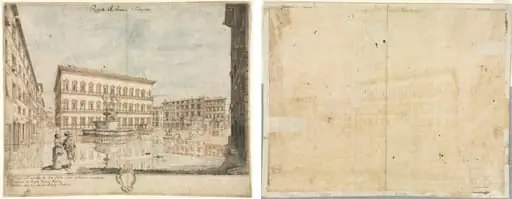 Eighteen Views of Rome: The Piazza Farnese (recto); Cartouche (verso)
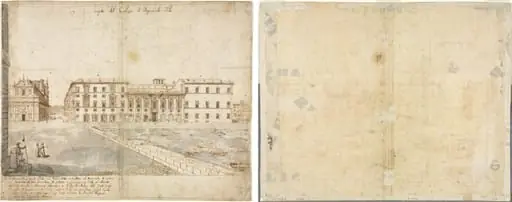 Eighteen Views of Rome: The Collegio di Propaganda Fide (recto); Sketches of Windows and Pilasters of the Attic Storey of the Collegio di Propaganda Fide (verso)
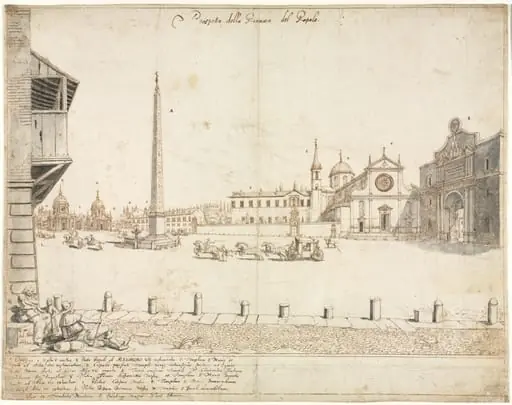 Eighteen Views of Rome: The Piazza del Popolo (recto)
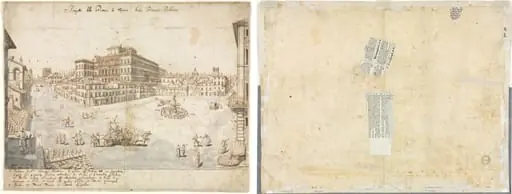 Eighteen Views of Rome: The Piazza Barberini (recto); Tracing of a Fountain from recto and Sketches of Two Faces (verso)
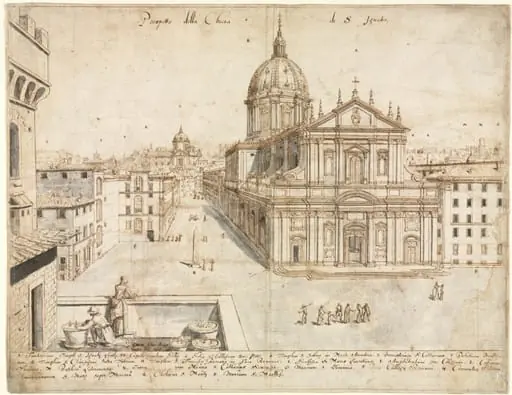 Eighteen Views of Rome: The Church of Sant'Ignazio
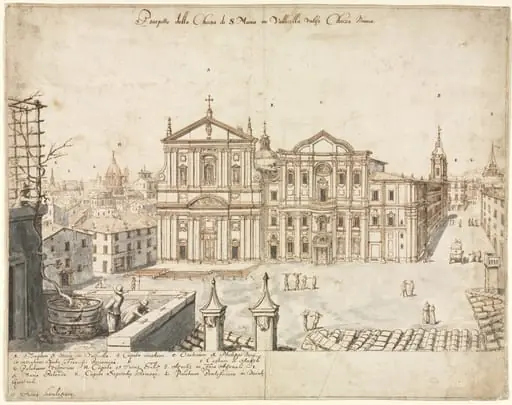 Eighteen Views of Rome: The Church of Santa Maria in Vallicella
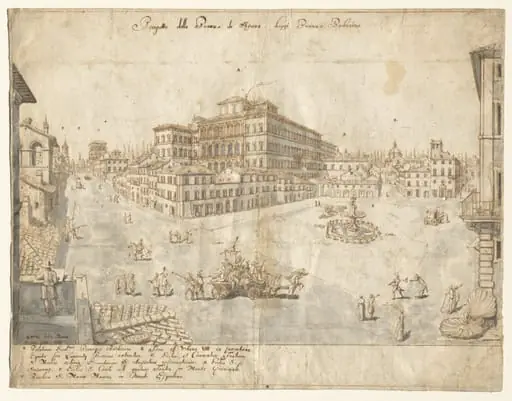 Eighteen Views of Rome: The Piazza Barberini (recto)
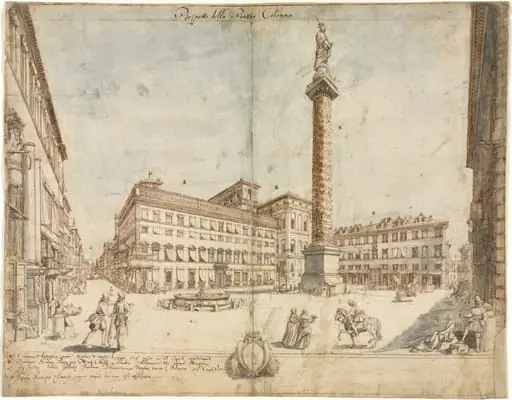 Eighteen Views of Rome: The Piazza Colonna
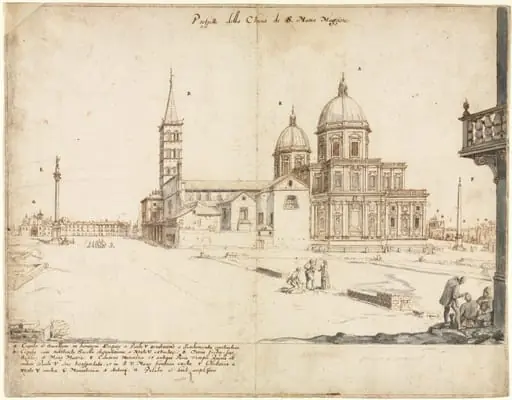 Eighteen Views of Rome: The Basilica of Santa Maria Maggiore
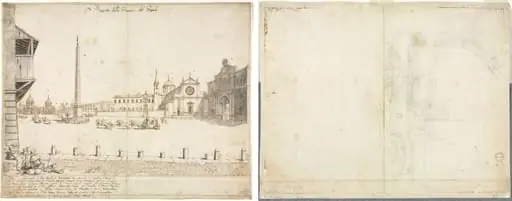 Eighteen Views of Rome: The Piazza del Popolo (recto); Sketch for San Giovanni in Laterano (verso)