Artwork
Kneeling Shepherd
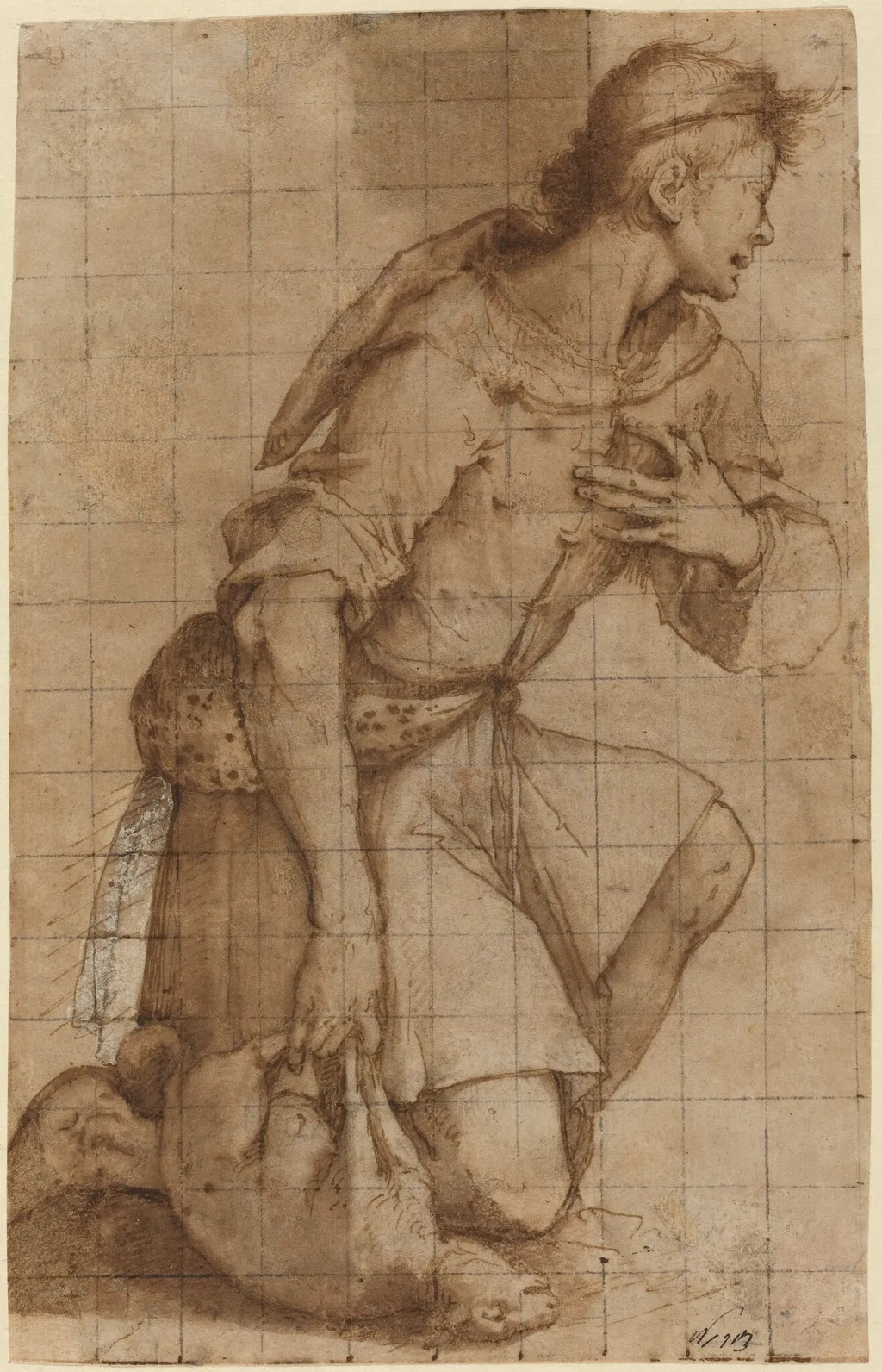
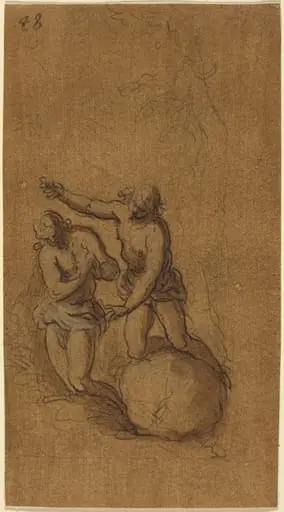
Kneeling Shepherd is an ink drawing by the Renaissance artist Jacopo Ligozzi. It dates from 1587 and is held in the collection of the National Gallery of Art.
About this work
Overview
The surface is carefully squared in pencil, suggesting it was intended as a model for a larger composition, likely a painting or fresco.
Created in 1587 by Jacopo Ligozzi, this drawing is a preparatory study executed in pen and brown ink with wash, enhanced by white gouache highlights on laid paper. The surface is carefully squared in pencil, suggesting it was intended as a model for a larger composition, likely a painting or fresco. Its modest scale and functional purpose reflect the studio practices of late Renaissance artists who relied on detailed sketches to refine figures before final execution.
Subject & Meaning
The figure is a shepherd in simple garments, kneeling on a rocky ledge with head tilted upward and hand resting over his heart. His staff lies beside him, and his gaze suggests quiet reverence rather than narrative action. The pose evokes humility and introspection, aligning with devotional imagery common in religious contexts. Though not explicitly biblical, the figure’s demeanor invites association with spiritual contemplation, a theme frequently explored in ecclesiastical art of the period.
Technique & Style
Ligozzi employs fine pen lines to define contours and subtle brown washes to model volume, particularly in the folds of the cloak and the contours of the face. White gouache accents lift key areas—such as the cheek and the edge of the tunic—adding luminosity without obscuring the underlying ink. The precision of the squaring grid reveals a methodical approach to scaling the figure, characteristic of workshop practices that prioritized accuracy over expressive spontaneity.
History & Provenance
The drawing originates from Ligozzi’s time in Florence, where he worked under the Medici court and produced designs for decorative arts and religious commissions. Its survival as a standalone sheet suggests it was valued beyond its utilitarian role, possibly retained in the artist’s archive or collected by a patron. No definitive record of its early ownership exists, but its condition and technique align with other known preparatory works from his studio.
Context
Ligozzi operated at the intersection of Mannerist refinement and emerging naturalism, influenced by both Florentine draftsmanship and northern European detail. This drawing reflects the period’s emphasis on anatomical accuracy and emotional restraint, common in religious and allegorical subjects. While not part of a known finished painting, its style resonates with contemporary altar pieces and tapestry designs produced for Medici-sponsored projects in the late 1580s.
Legacy
Though Ligozzi is less widely recognized than his contemporaries, this drawing exemplifies the quiet rigor of preparatory work in late Renaissance studios. It contributes to understanding how artists translated observed forms into larger compositions, preserving the transition from sketch to finished art. Today, such studies are valued not merely as tools, but as intimate records of artistic thought and discipline.
Artist & collection
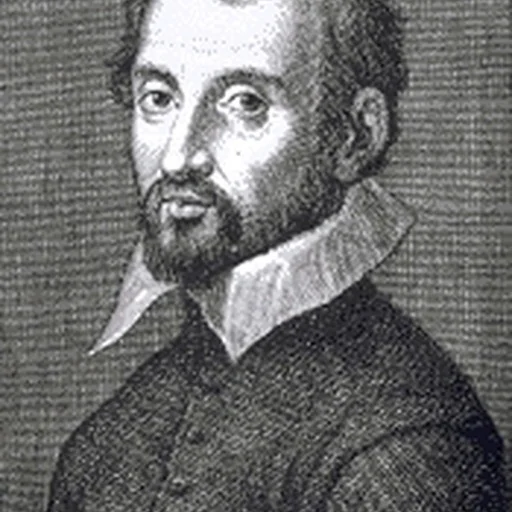
Artist
Jacopo Ligozzi (1547–1627) was an Italian painter, illustrator, designer, and miniaturist. His art can be categorized as late-Renaissance and Mannerist styles.

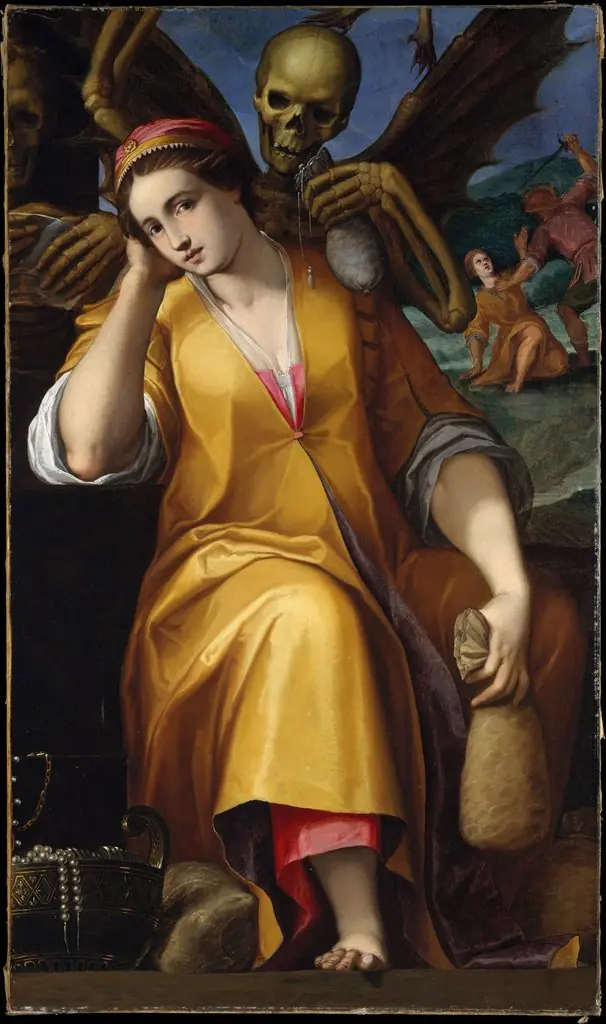 Allegory of Avarice
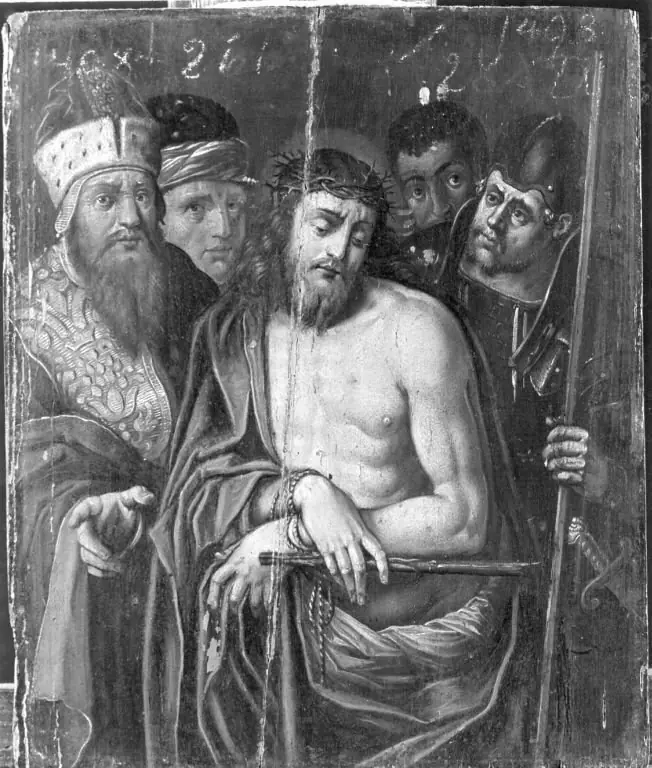 Ecce homo
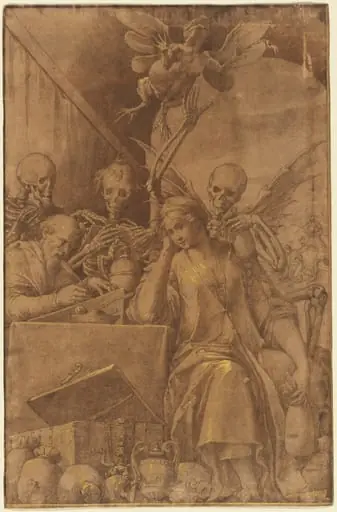 Avarice
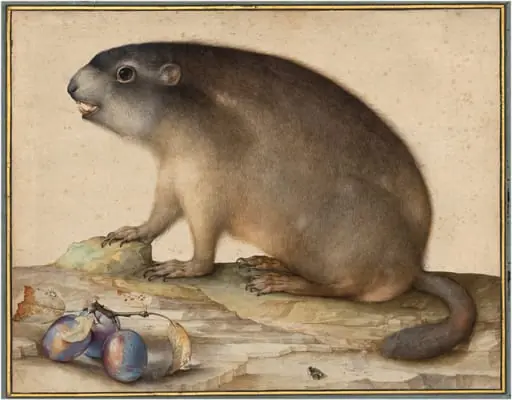 A Groundhog or Marmot with a Branch of Plums
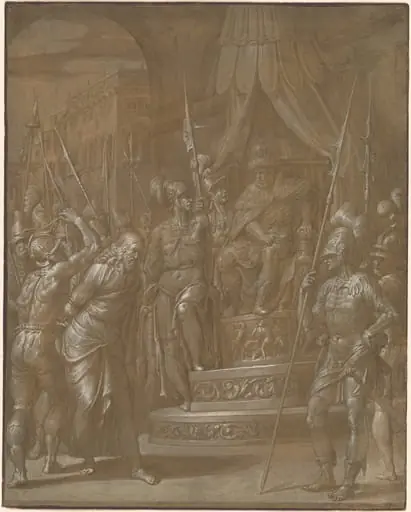 Christ before Herod
![Chapel of Saint Sebastian (Cappella di San Sebastiano) [plate N], by Jacopo Ligozzi](https://artifactworldgallery.com/img/jacopo-ligozzi--chapel-of-saint-sebastian-cappella-di-san-sebastiano-plate-n--144b97ba4a91d67b-w320.webp) Chapel of Saint Sebastian (Cappella di San Sebastiano) [plate N]
Chapel of Saint Sebastian (Cappella di San Sebastiano) [plate N]![Church of the Stigmata (Chiesa delle Stimmate) [plate M], by Jacopo Ligozzi](https://artifactworldgallery.com/img/jacopo-ligozzi--church-of-the-stigmata-chiesa-delle-stimmate-plate-m--255dd75981bd30e3-w320.webp) Church of the Stigmata (Chiesa delle Stimmate) [plate M]
Church of the Stigmata (Chiesa delle Stimmate) [plate M]![Interior of the Chapel of Mary Magdelene (Interno della cappella della Maddalena) [plate H], by Jacopo Ligozzi](https://artifactworldgallery.com/img/jacopo-ligozzi--interior-of-the-chapel-of-mary-magdelene-interno-della-cappe--2c8c7a51e39993f2-w320.webp) Interior of the Chapel of Mary Magdelene (Interno della cappella della Maddalena) [plate H]
Interior of the Chapel of Mary Magdelene (Interno della cappella della Maddalena) [plate H]
![Studies of Legs and Drapery [recto], by Abraham Bloemaert](https://artifactworldgallery.com/img/abraham-bloemaert--studies-of-legs-and-drapery-recto--93eb35075fbdb28d-w320.webp) Studies of Legs and Drapery [recto]
Studies of Legs and Drapery [recto]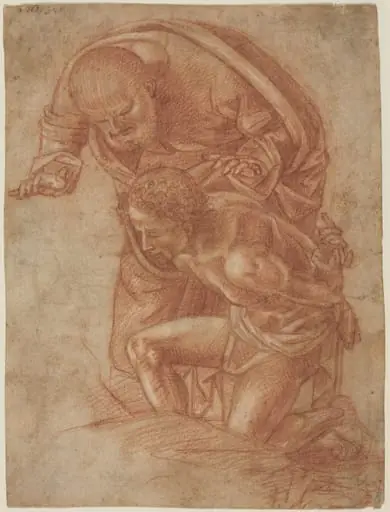 The Sacrifice of Isaac
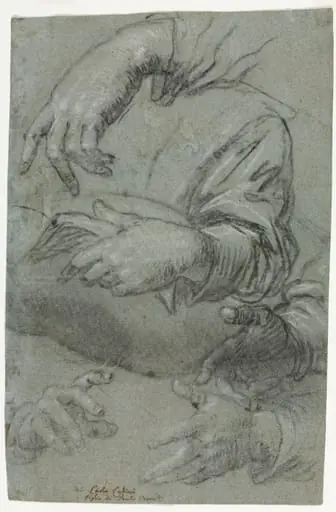 Studies of Hands (recto)
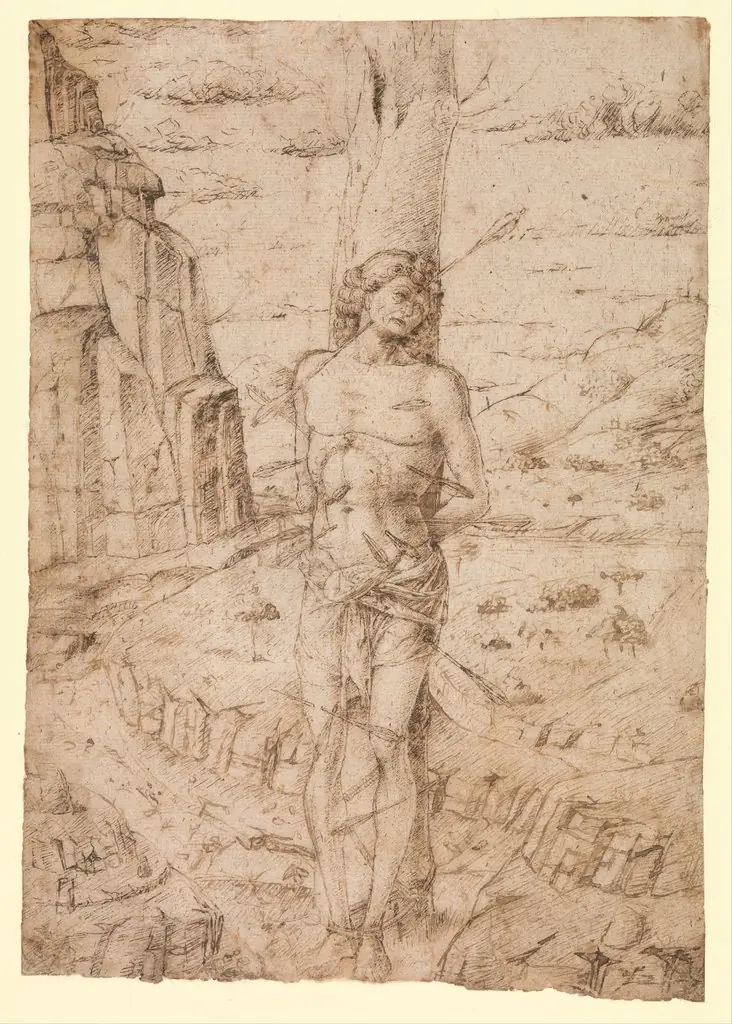 Saint Sebastian in a Landscape
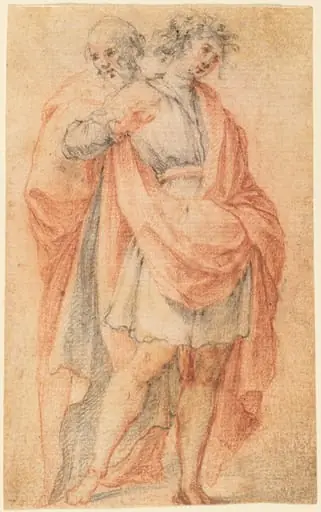 Two Male Figures: A Youth and an Old Man
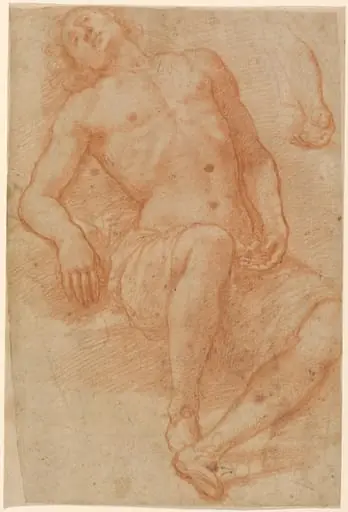 A Male Nude, Half Reclining
 Christ Falling under the Cross
 A Tormentor With Tongs
![Hercules Leaning on His Club [recto], by Parri Spinelli](https://artifactworldgallery.com/img/parri-spinelli--hercules-leaning-on-his-club-recto--1ed658247dda4bac-w320.webp) Hercules Leaning on His Club [recto]
Hercules Leaning on His Club [recto] Head of a Youth Wearing a Cap; a Right Forearm with the Hand Clutching a Stone; and a Left Hand Holding a Drapery
 Kneeling Angel
 The Baptism of Christ