Artwork
Alma Helena Vilhelmina Krook
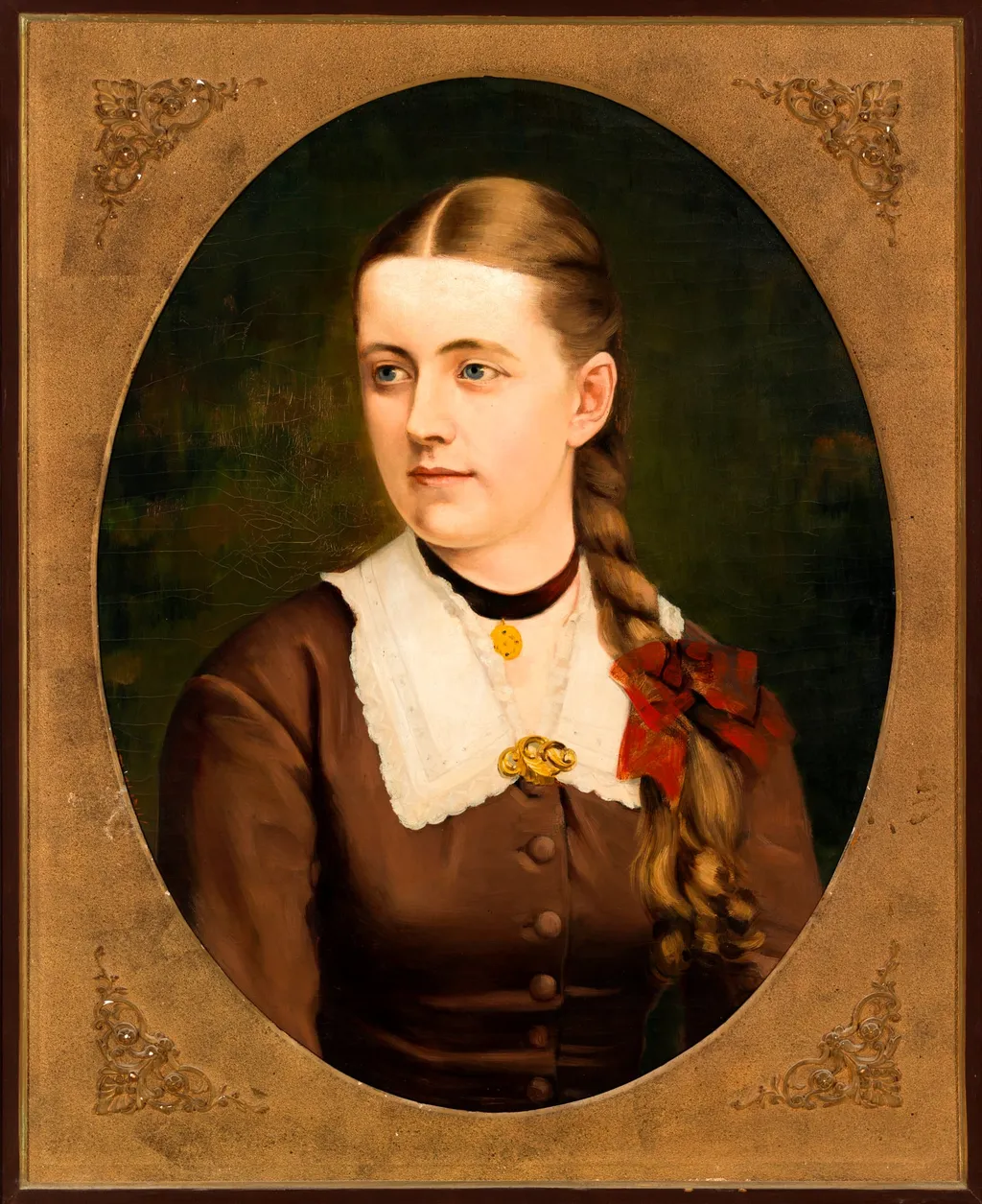
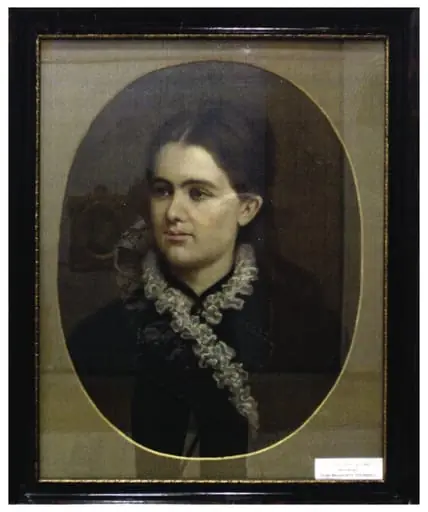
Alma Helena Vilhelmina Krook is a drawing by Arvid Liljelund. It is held in the collection of the Helsinki City Museum.
About this work
Overview
The subject’s attire includes a white collar, dark brown dress, and gold-buttoned sleeves, with a small red bow securing her hair at one shoulder.
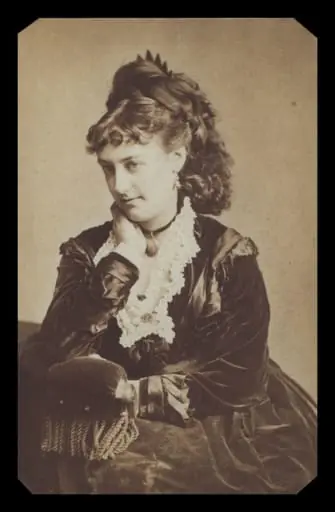
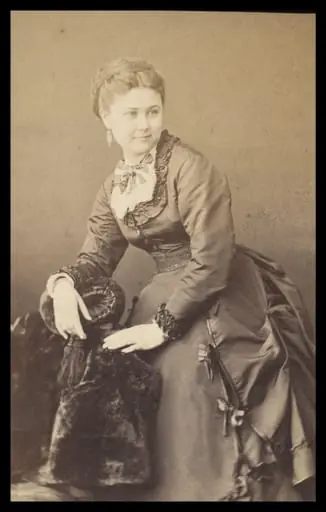
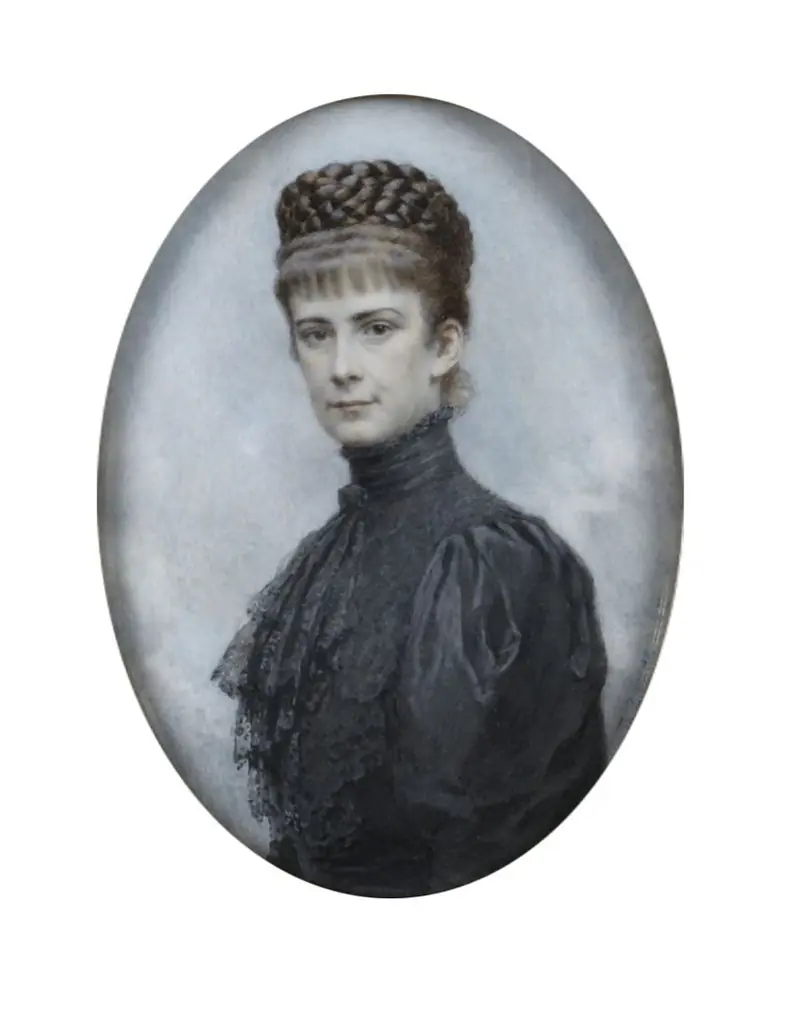
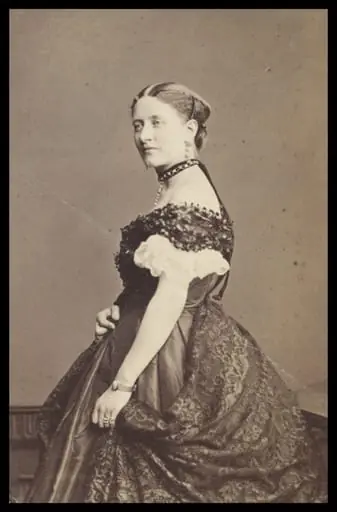
This portrait depicts Alma Helena Vilhelmina Krook, rendered in a delicate pencil or charcoal drawing. The composition centers on her face and upper torso, set against a dark, unadorned background that heightens the focus on her features. The subject’s attire includes a white collar, dark brown dress, and gold-buttoned sleeves, with a small red bow securing her hair at one shoulder. The frame is a simple, ornate gold border, typical of 19th-century presentation styles.
Subject & Meaning
Alma Helena Vilhelmina Krook appears in a quiet, composed pose, suggesting a formal portrait intended for personal or familial preservation. Her restrained expression and modest dress reflect 19th-century ideals of feminine decorum. The red bow, a subtle accent, introduces a touch of individuality without disrupting the overall solemnity. The work likely served as a keepsake, capturing her likeness with dignity rather than theatricality.
Technique & Style
The artist employed soft, blended lines to model the contours of the face and fabric, creating a smooth, almost luminous texture. There is minimal use of harsh shading, favoring gentle gradations that lend a quiet realism. The gold buttons and red bow are rendered with slight contrast, drawing attention without overt detail. The overall approach is intimate and restrained, emphasizing tonal harmony over dramatic effect.
History & Provenance
The drawing is attributed to Arvid Liljelund, a Swedish artist active in the late 19th century known for portraiture and genre scenes. While specific details of its commission or early ownership are not documented, its framing and style align with middle-class Swedish domestic portraiture of the period. It likely remained within the Krook family until entering institutional or private collections.
Context
Created during a time when portrait drawings were common among Scandinavian middle-class families, this work reflects a tradition of personal commemoration before the widespread use of photography. The simplicity of the background and focus on facial expression mirror contemporary photographic portraiture, suggesting the artist adapted to emerging visual norms while retaining hand-drawn intimacy.
Legacy
As one of Arvid Liljelund’s lesser-known works, this drawing contributes to understanding his range beyond larger public commissions. It stands as an example of quiet, domestic portraiture that captures individual identity with subtlety. Its preservation offers insight into the personal visual culture of 19th-century Sweden, where art served private memory as much as public display.
Artist & collection