Artwork
Eva Törngrenin muotokuva
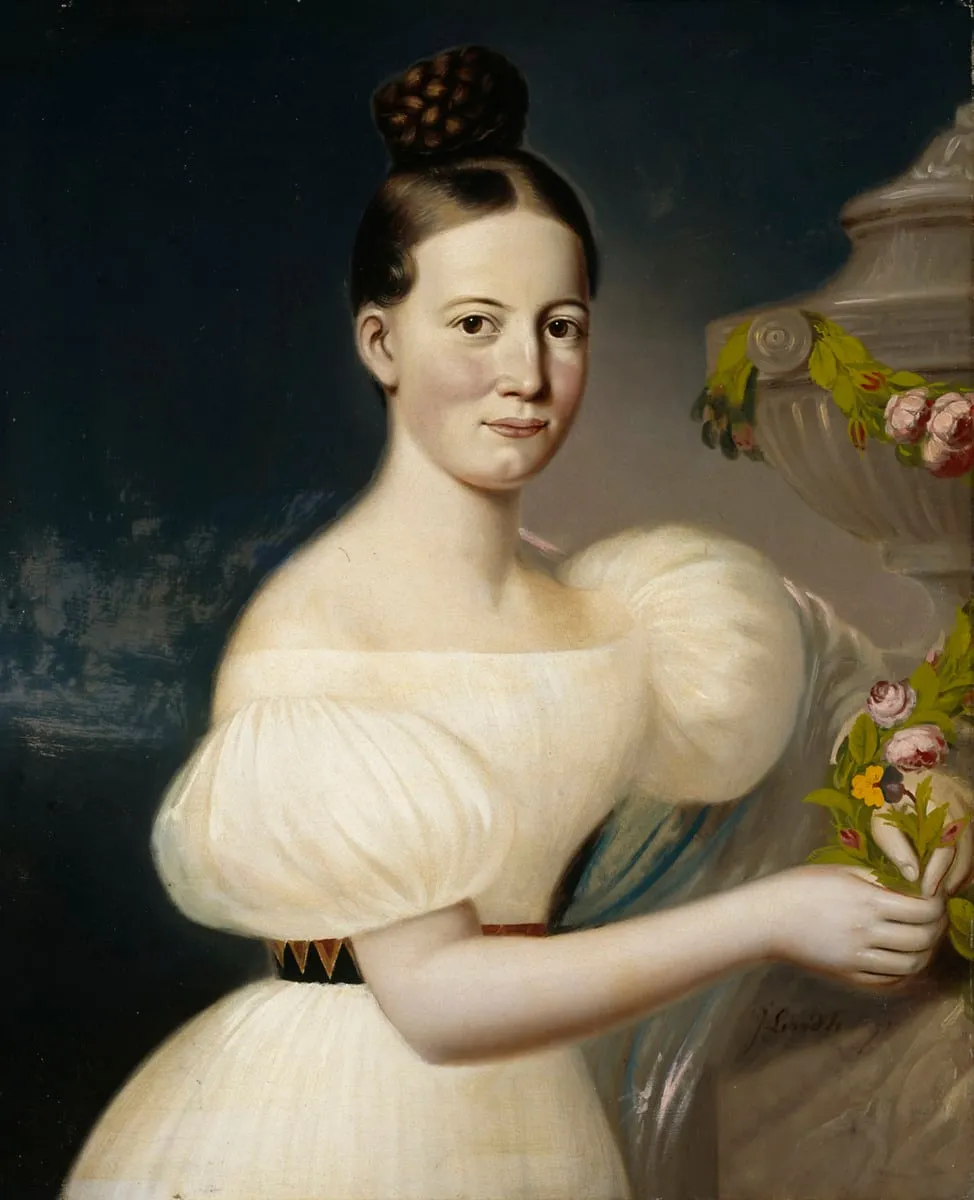
Eva Törngrenin muotokuva is an unspecified painting by Johan Erik Lindh. It is held in the collection of the Finnish National Gallery.
About this work
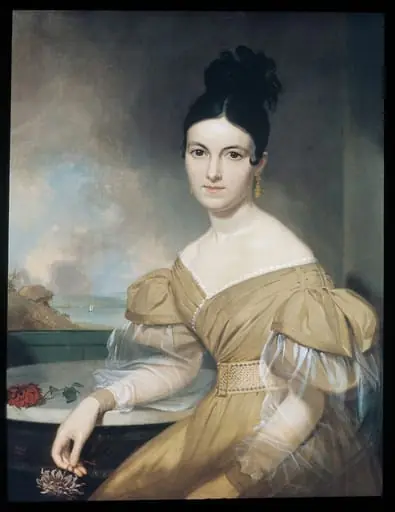
She is positioned in front of a stone structure adorned with flowers, holding a bouquet of pink and yellow flowers in her right hand.
This portrait depicts a woman in a white dress with puffy sleeves, her dark hair styled in a bun. She is positioned in front of a stone structure adorned with flowers, holding a bouquet of pink and yellow flowers in her right hand. The background of the painting is a dark blue-gray color.
The woman's attire and hairstyle suggest a formal or elegant setting, possibly from the 19th century. The presence of flowers in the painting adds a touch of natural beauty and serenity to the overall scene.
If you're interested in learning more about the artist who created this portrait, you might want to look up Lindh, Johan Erik.
Overview
This portrait captures a woman named Eva Törngren, rendered in a quiet, formal composition typical of mid-19th-century Scandinavian portraiture. She stands before a textured stone wall adorned with floral motifs, holding a small bouquet. Her white dress with full sleeves and neatly pinned dark hair reflect contemporary ideals of modest elegance. The dark blue-gray background isolates her figure, emphasizing stillness and refinement.
Subject & Meaning
Eva Törngren is depicted not as a noble or public figure, but as a private individual presented with dignity. The bouquet she holds may symbolize personal sentiment or seasonal celebration, while the floral decorations on the stone structure suggest a connection to nature and cultivated beauty. The absence of overt symbolism points toward an intimate, rather than allegorical, representation.
Technique & Style
The painting employs soft modeling and muted tones to convey texture and light. The white fabric of the dress is rendered with subtle gradations, contrasting against the darker background and rough stone. Brushwork is controlled and precise, favoring clarity over dramatic expression. The flowers are delicately rendered, adding a quiet vitality to the otherwise restrained composition.
History & Provenance
The portrait was painted by Johan Erik Lindh, a Finnish artist active in the 1800s known for his portraits of middle- and upper-class subjects. While specific details of its commission or early ownership are not widely documented, its style aligns with Lindh’s known body of work from the 1850s–1870s, likely created in Finland or Sweden during a period of growing interest in domestic portraiture.
Context
In mid-19th-century Scandinavia, portraiture increasingly shifted from aristocratic commissions to depictions of educated professionals and their families. This work reflects that trend: Eva Törngren’s attire and setting suggest a cultivated, non-noble status. The inclusion of natural elements like flowers signals a broader cultural appreciation for domestic serenity and personal identity beyond social rank.
Legacy
Johan Erik Lindh’s portraits, including this one, contribute to the visual record of Finnish and Swedish middle-class life in the 19th century. Though not widely exhibited internationally, such works remain important for regional art history, offering insight into how ordinary individuals were represented with grace and restraint during a time of social change.
Artist & collection
Artist
Johan Erik Lindh filled small sheets with soft pencil portraits of Finnish families in the early 1800s.

 Mrs. Winfield Scott
 Emelie (Emma) Tamelander o.s. Crohns (1829-1868)
 Ksenia Cavos
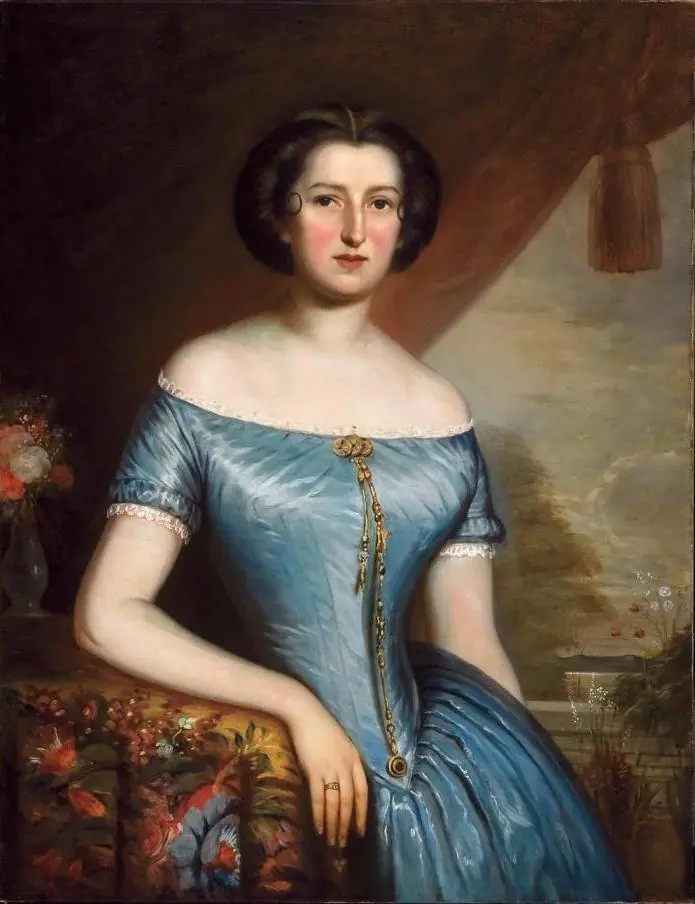 Portrait of Louise-Adèle Taschereau
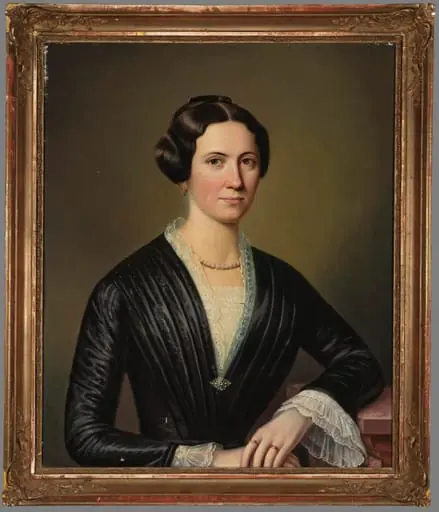 Anna Helena Lovisa Jägerhorn
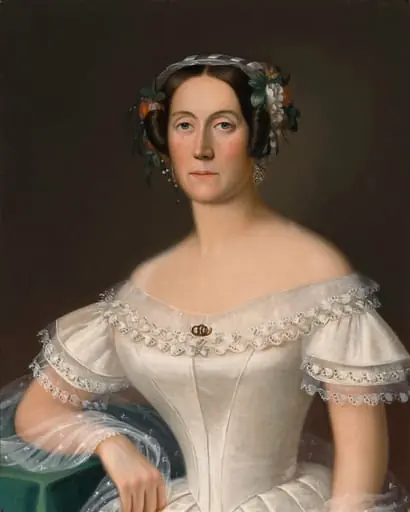 Cecilia Lindroos (os. Meyer) nuorena.
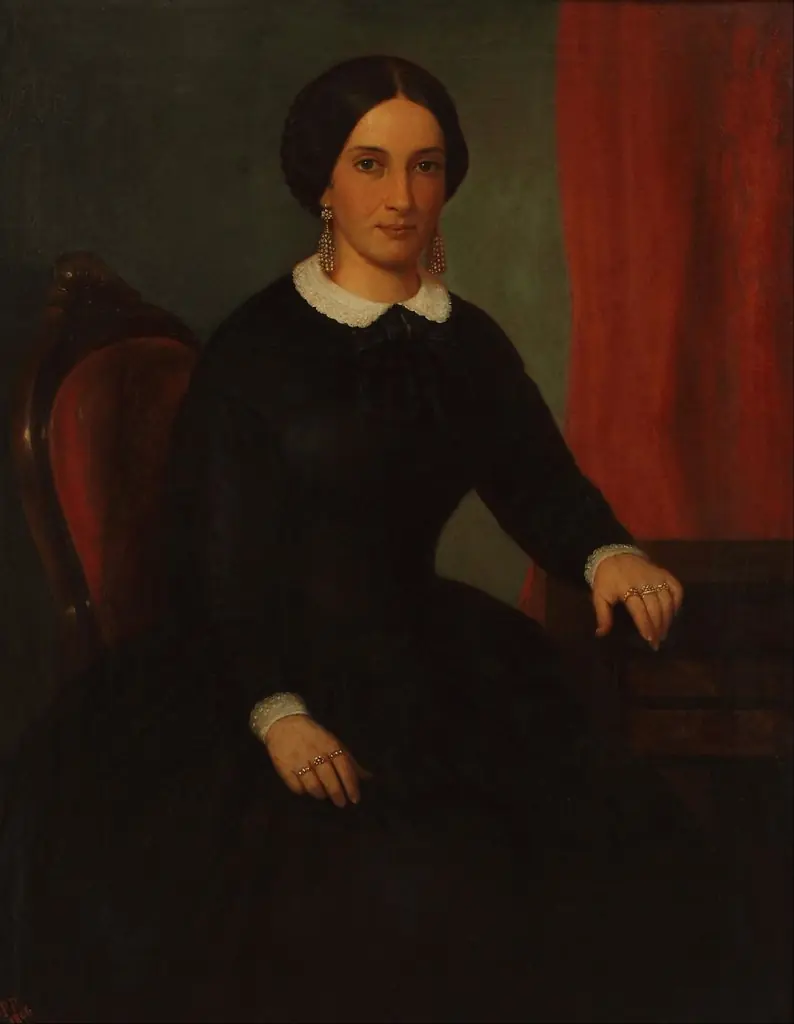 Trinidad Saravia de Huergo
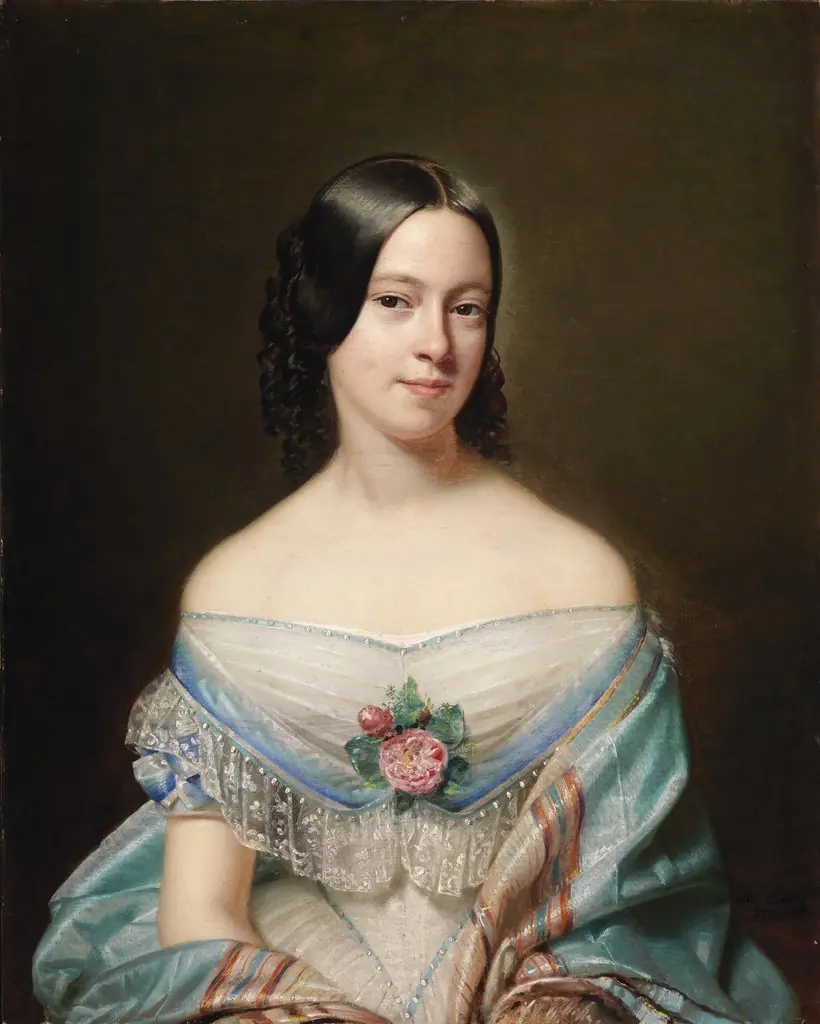 Portrait of Anna von Minarelli-Fitzgerald
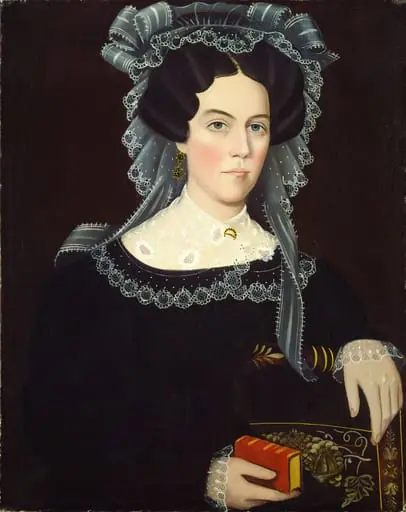 Catherine A. May
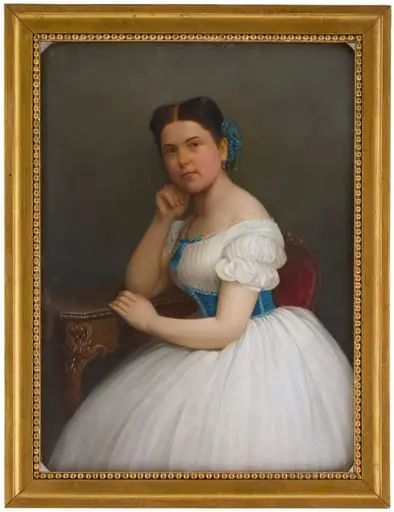 Hermine Kopp, geb. Mayer
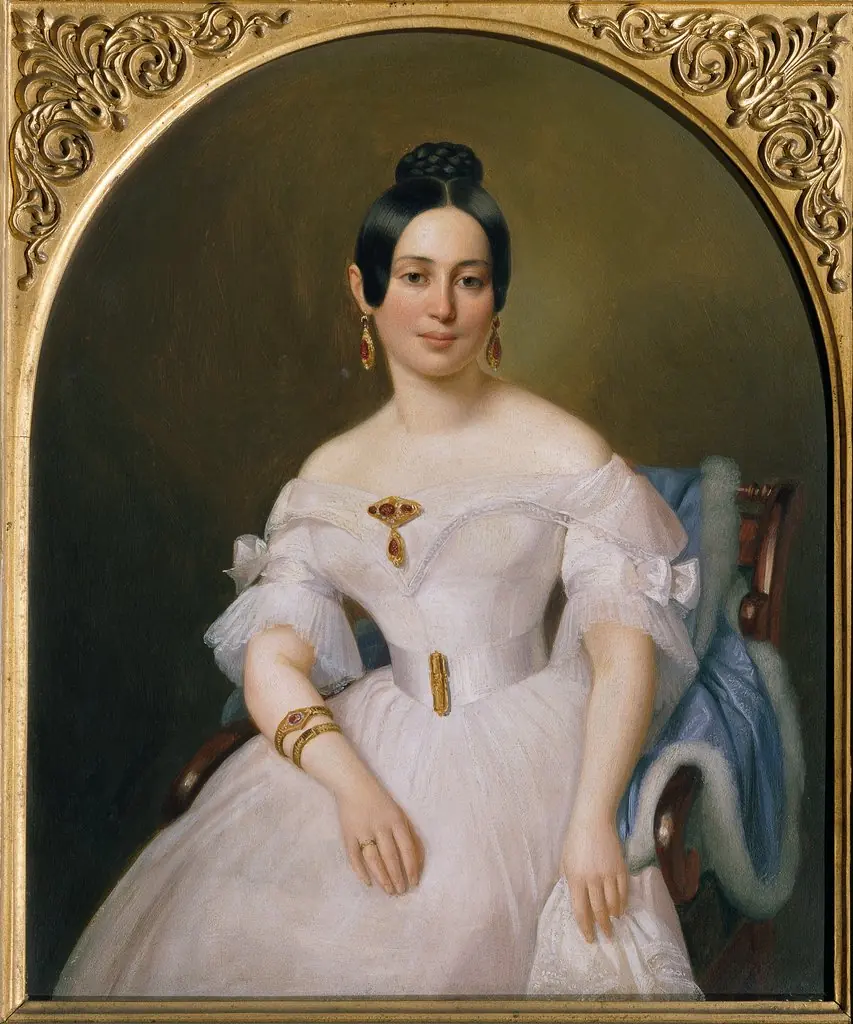 Emilie von Wartenegg
 Amparo Romero